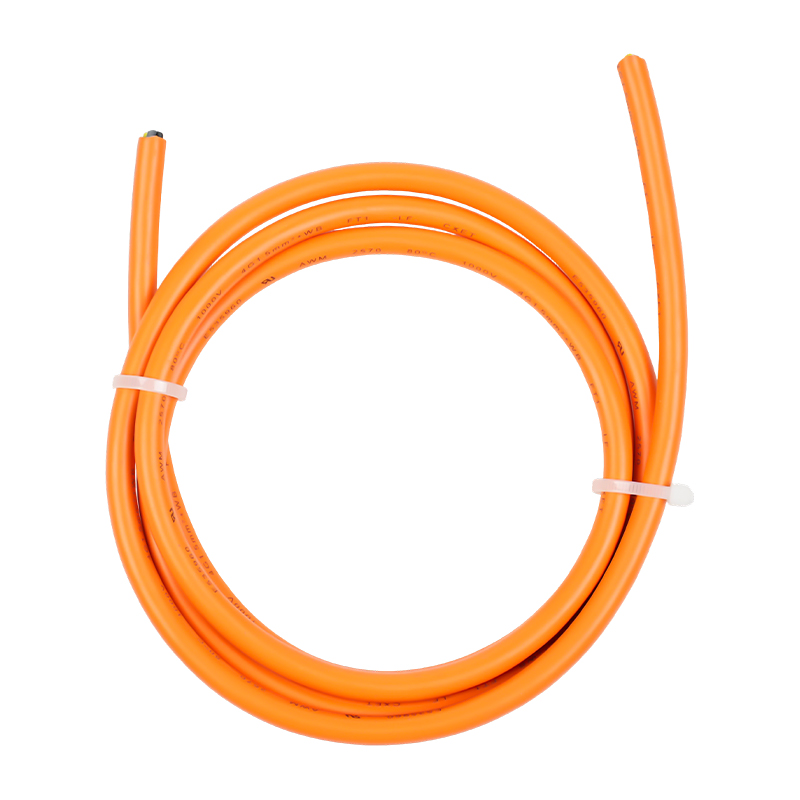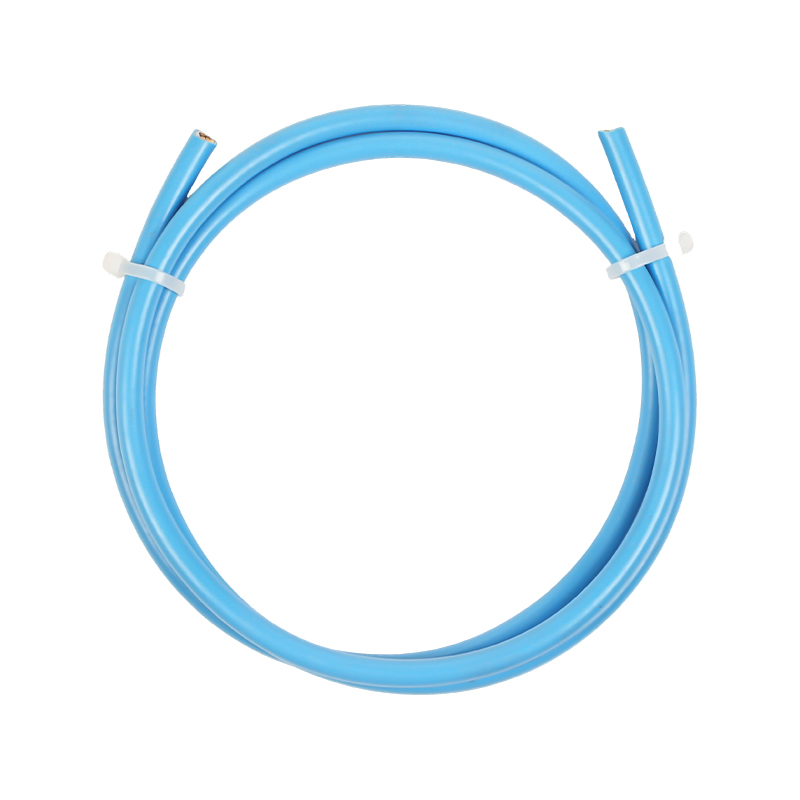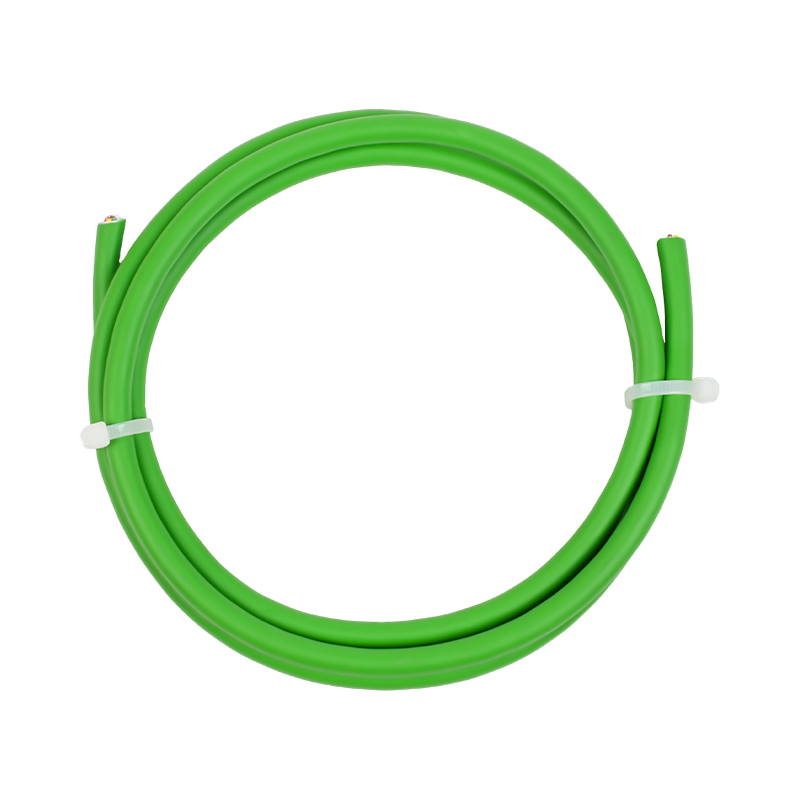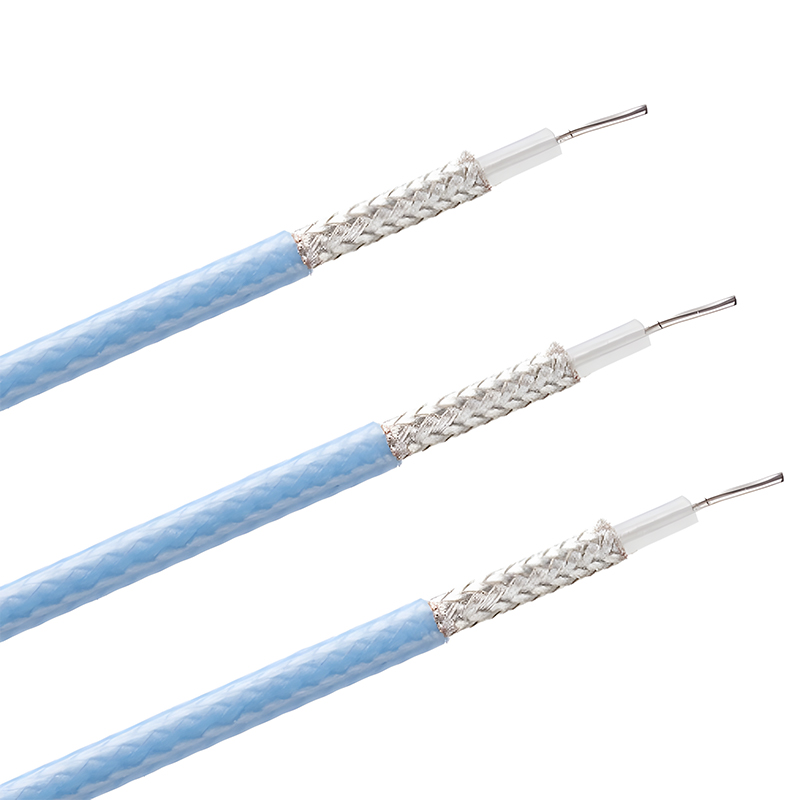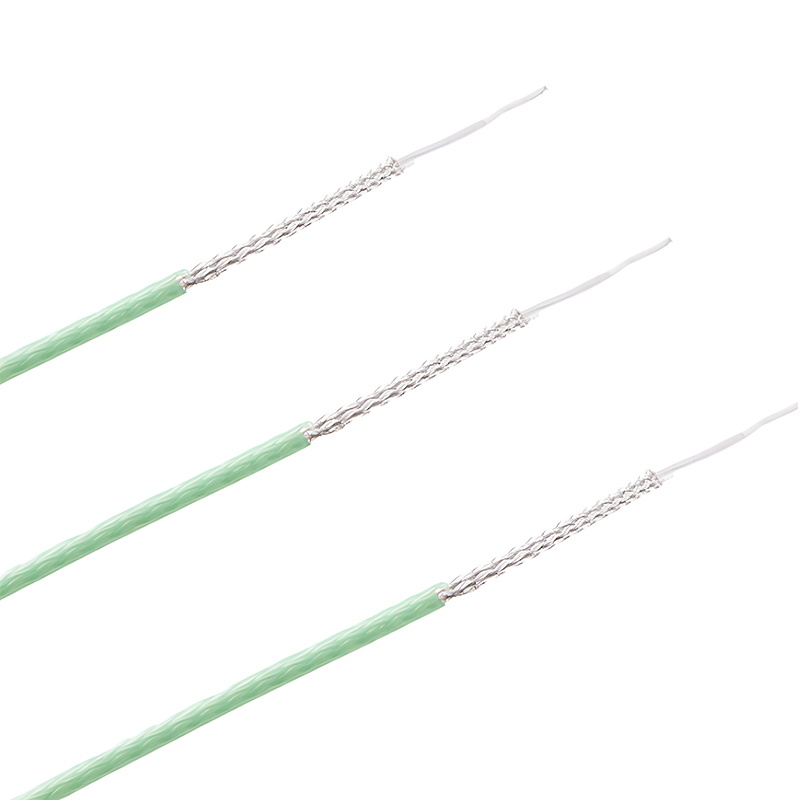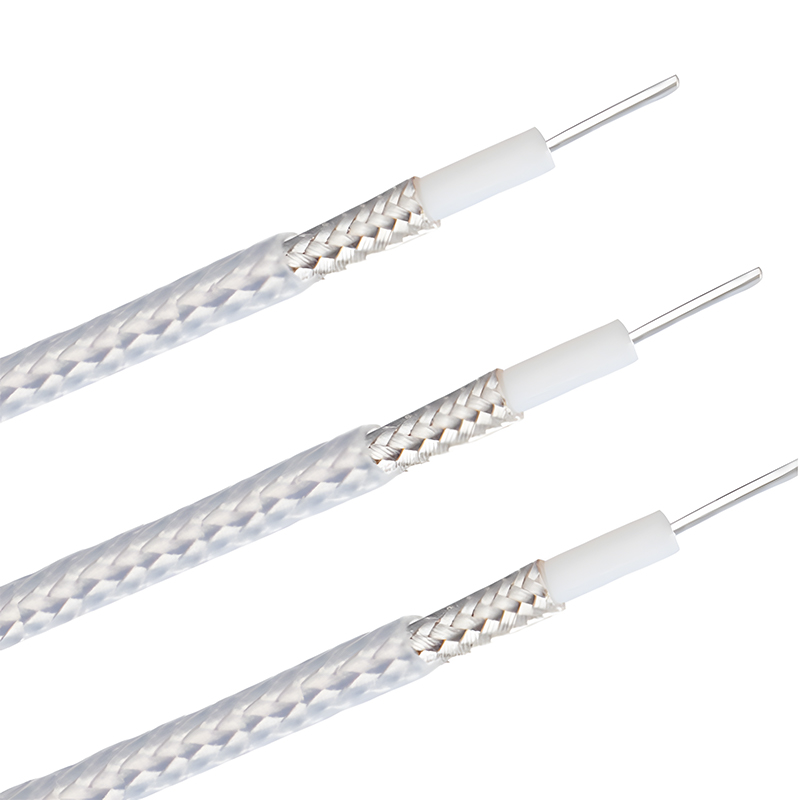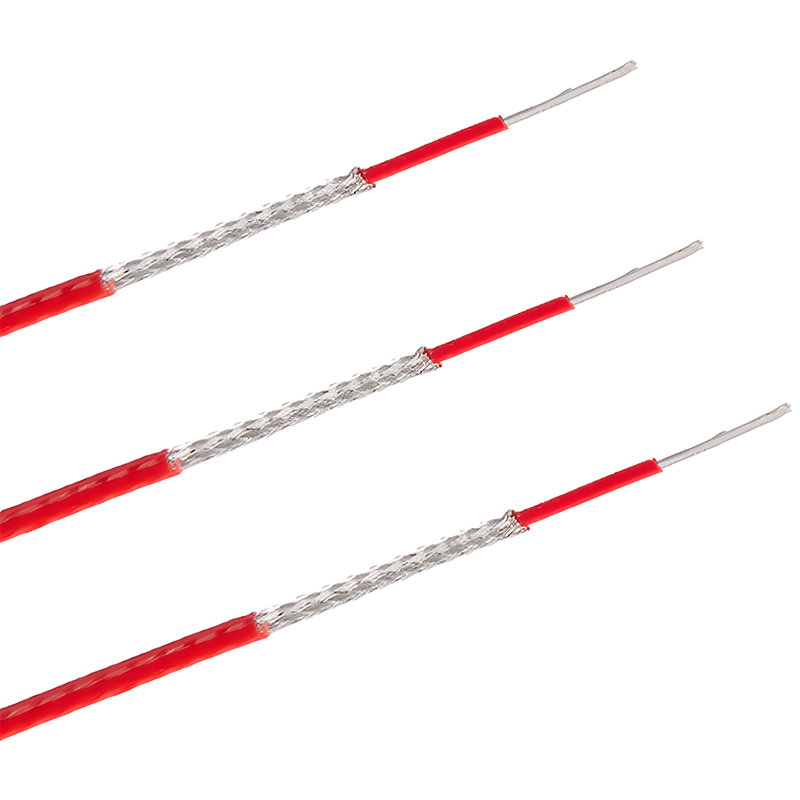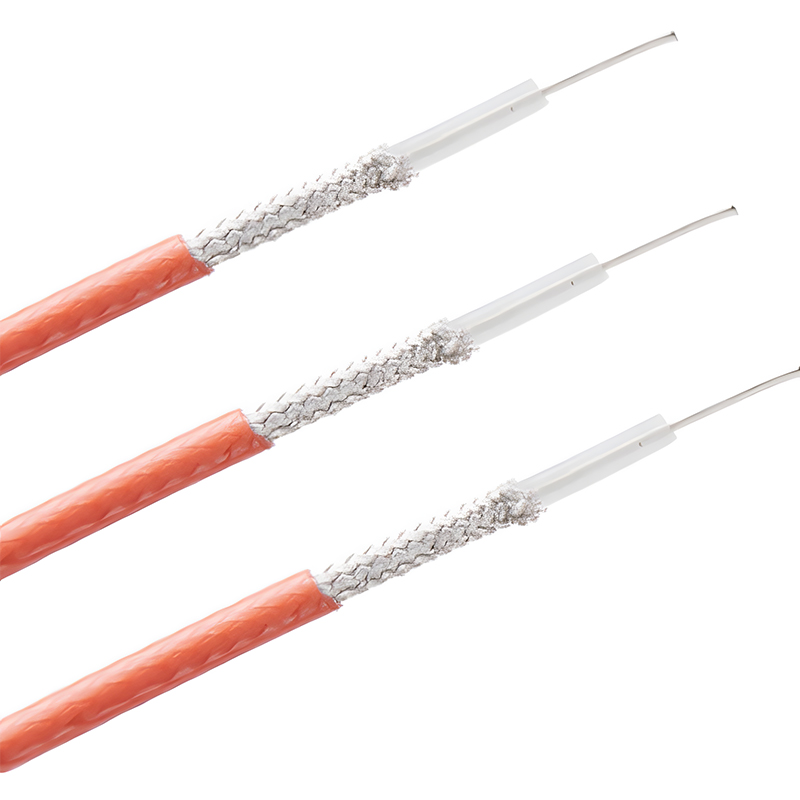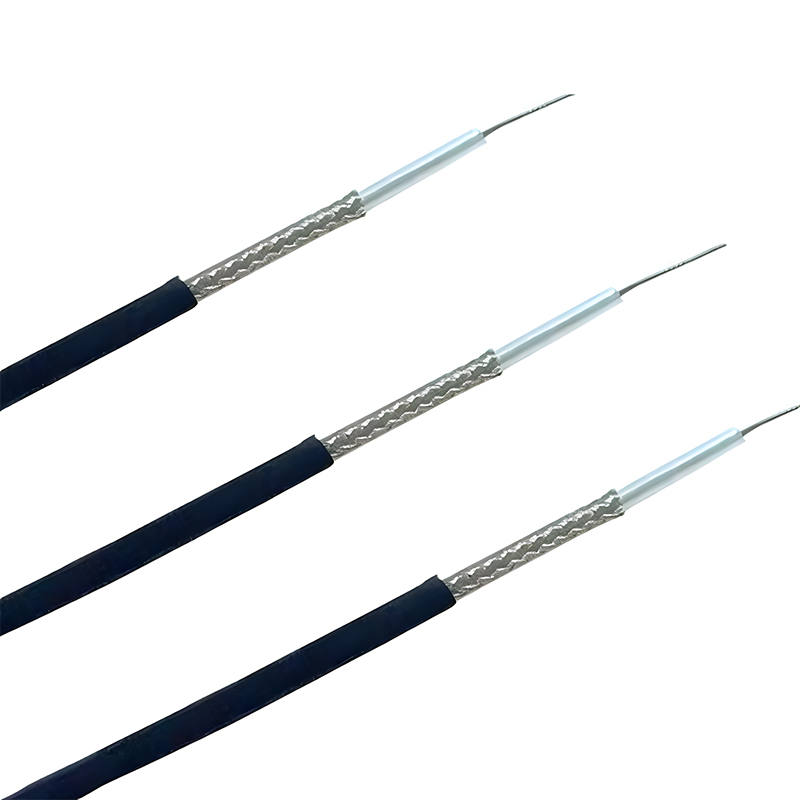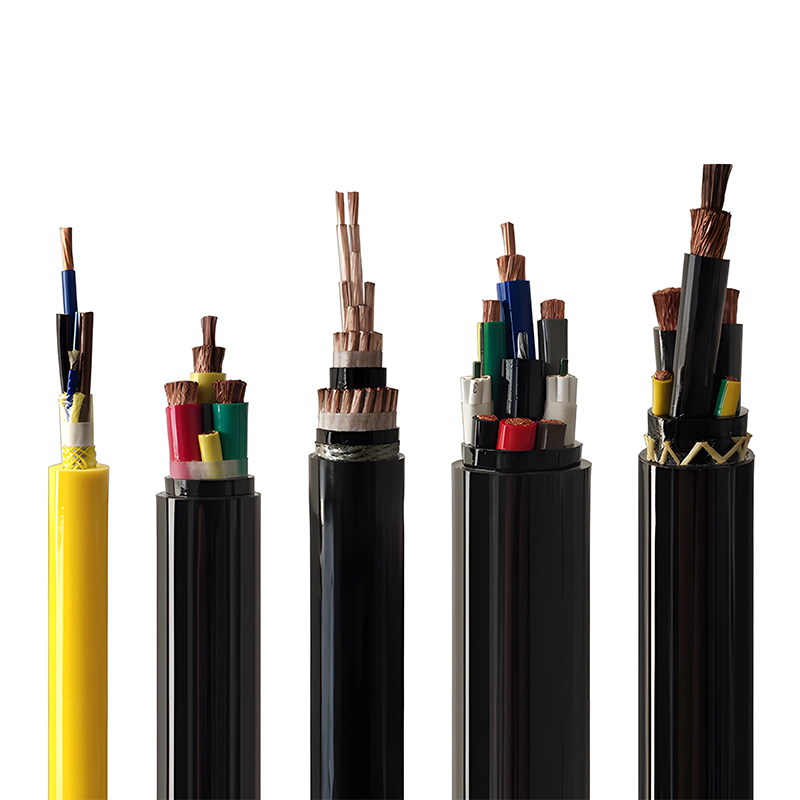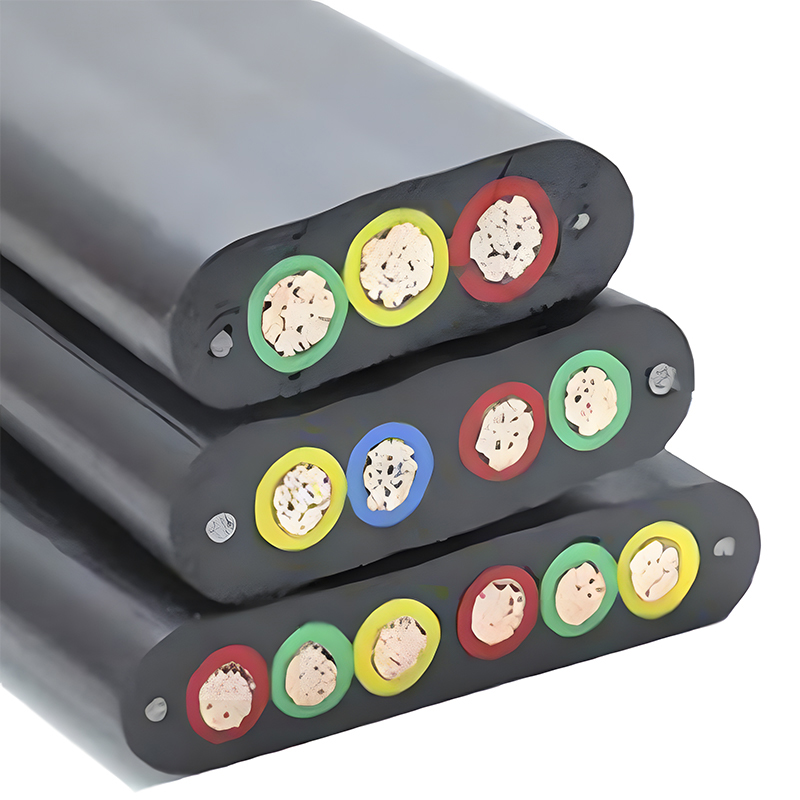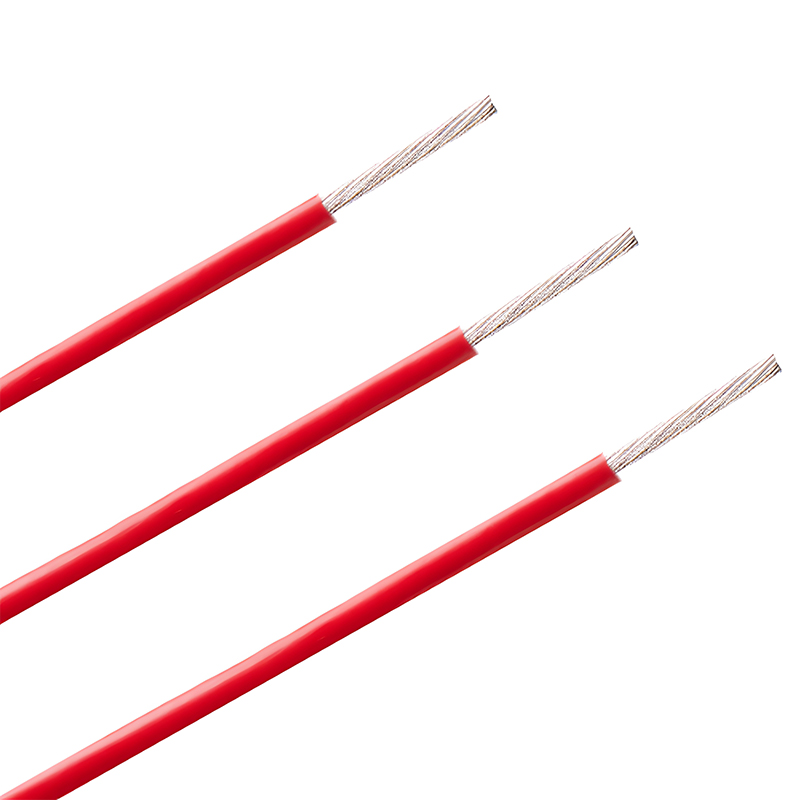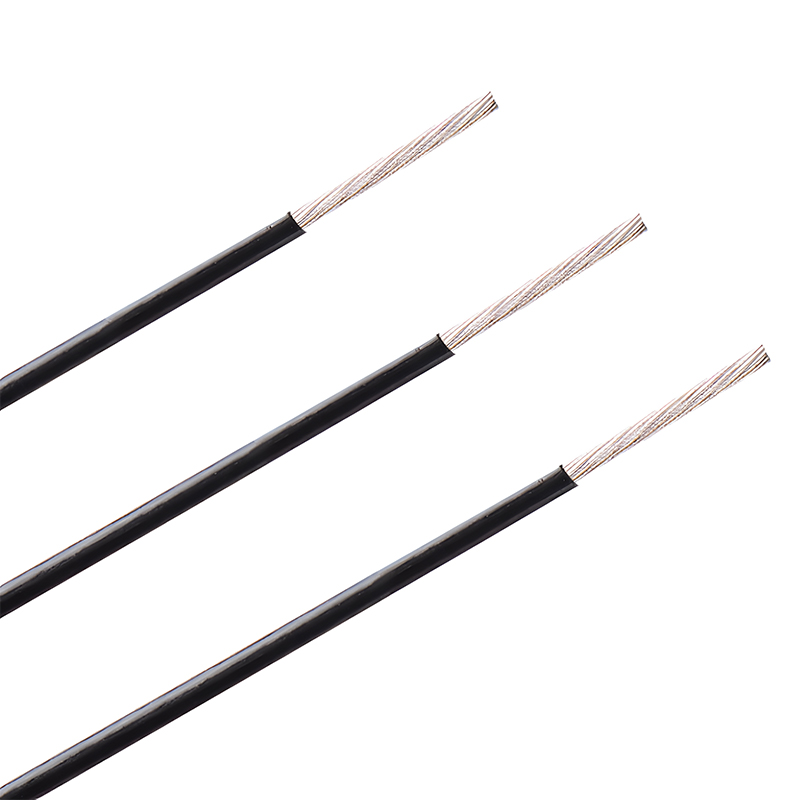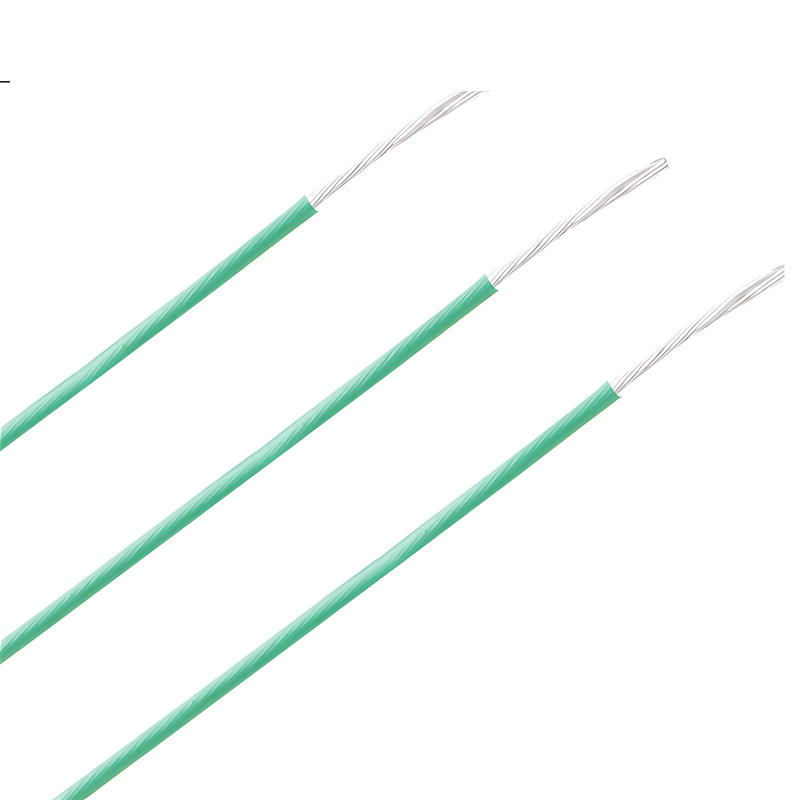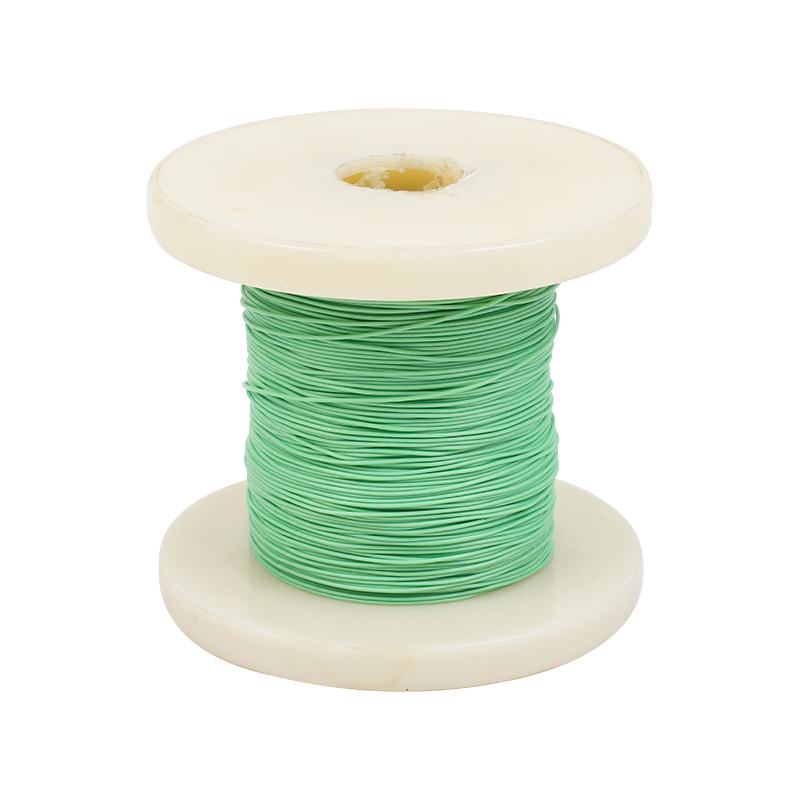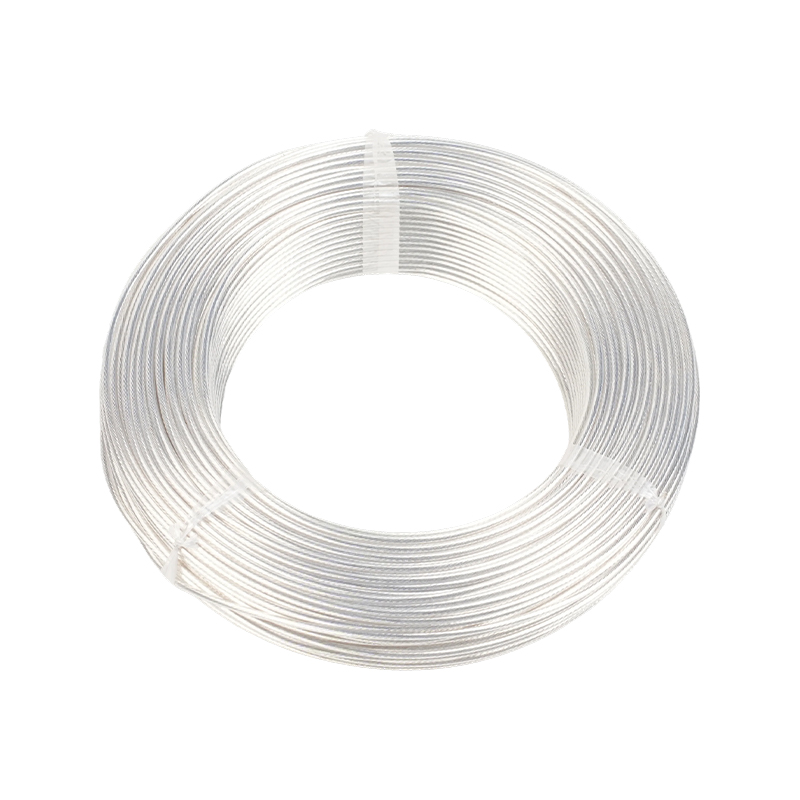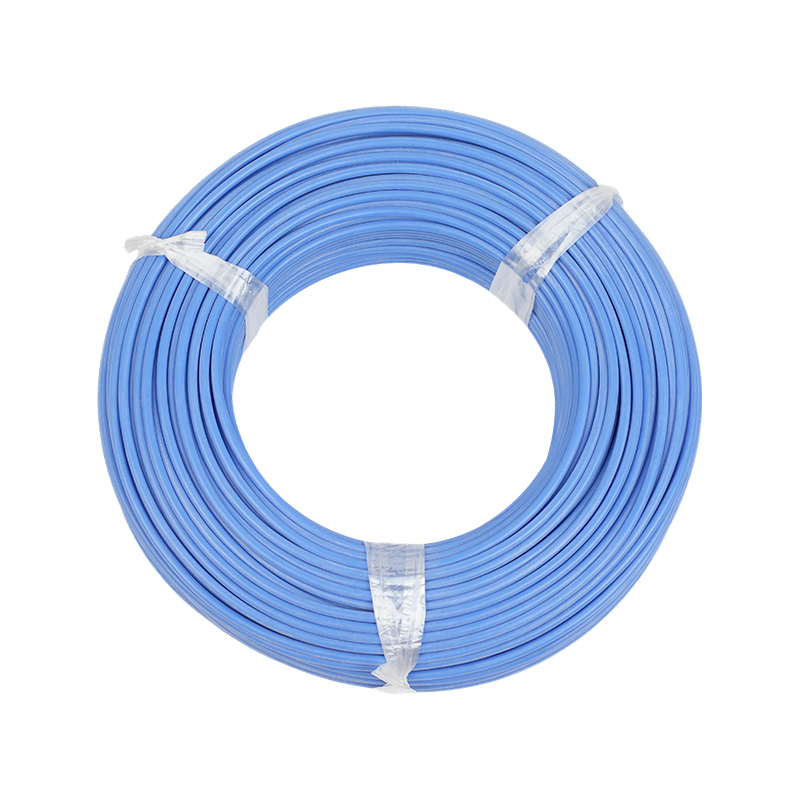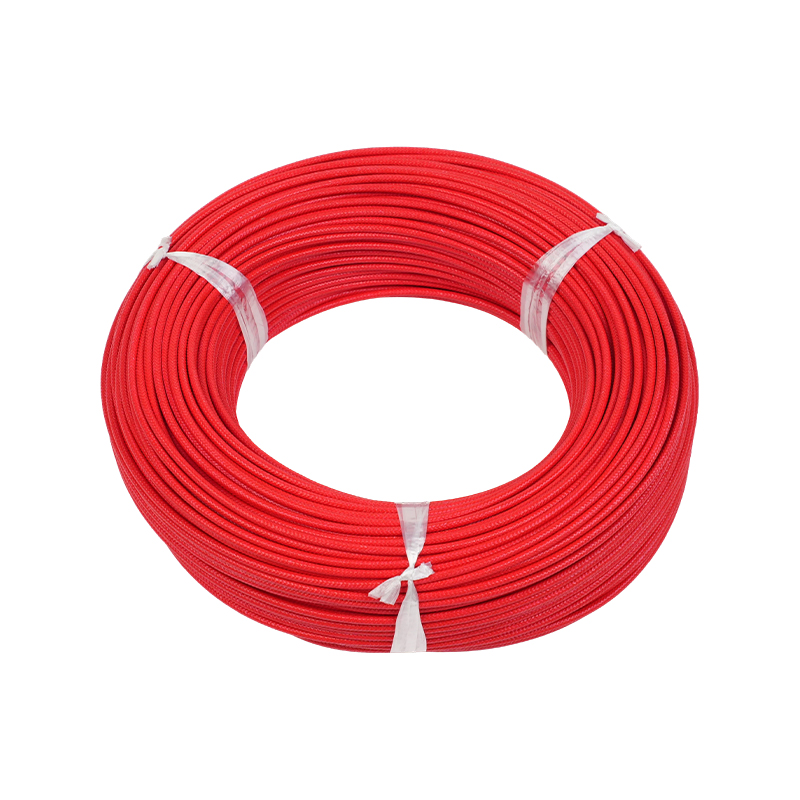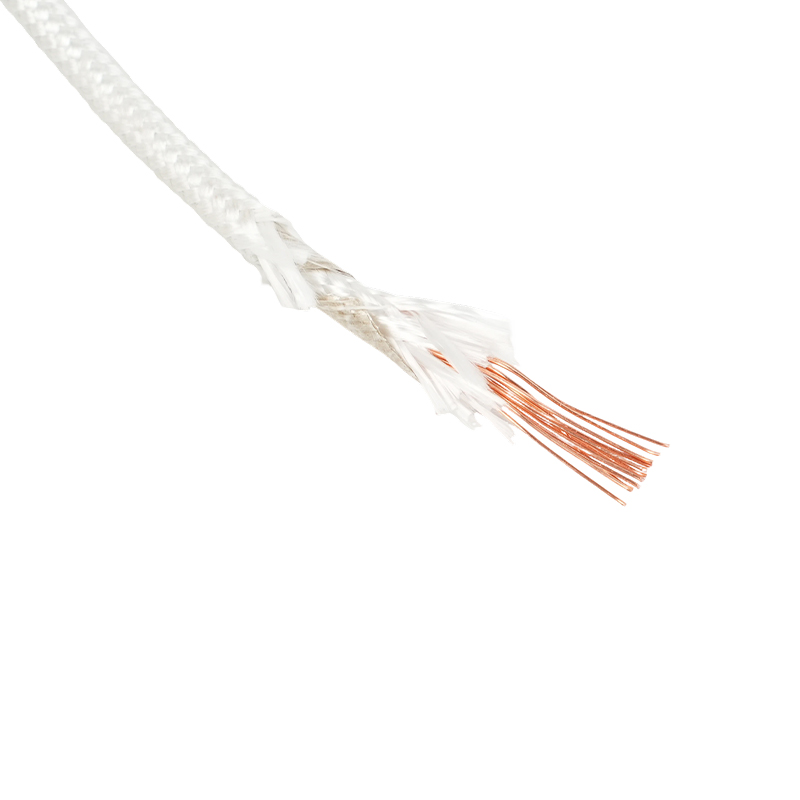
In demanding environments with temperature spans from -65°C to +260°C, Teflon Wire (fluoroplastic i...
READ MOREApplications: Suitable for industrial automation equipment, drag chain cables are used for power and signal transmission in drag chain systems such as machine tools and logistics equipment. Robot cables serve the wiring needs of moving joints in robotic arms and collaborative robots. Winch cables are used in the lifting areas of large construction machinery to meet the demands of frequent movement.
Features: They combine power and signal transmission, stably carrying the current required for equipment operation and ensuring the accurate transmission of control commands and sensor data.
Core Performance: They offer exceptional bending and fatigue resistance, withstanding over a million reciprocating cycles without damage. They are also wear- and torsion-resistant, resisting the friction and torsional stresses of mechanical movement. They are also adaptable to the complex conditions of high and low temperatures, oil pollution, and other industrial environments.
Product Highlights: Their flexible and tear-resistant structure allows for flexible movement with the equipment during installation. The insulation and sheathing materials are resistant to aging and corrosion, resulting in a long service life, reducing the risk of downtime due to cable failure and providing reliable assurance for the continuous and stable operation of industrial equipment.
In demanding environments with temperature spans from -65°C to +260°C, Teflon Wire (fluoroplastic i...
READ MOREHow to Choose Renewable Energy Cables Best Suited for Solar and Wind Projects In solar and wind pro...
READ MOREHow to Choose Industrial Flexible Cables for Better Bending Resistance and Durability In industrial...
READ MOREHow to Choose the Most Suitable High Temperature Cable Model and Temperature Rating Selection shoul...
READ MOREIn the era of smart manufacturing, the ability of a cable to withstand continuous motion without fatigue is the primary determinant of system uptime. Industrial flexible cables, often referred to as continuous-flex or drag-chain cables, are specifically designed to endure millions of bending cycles in tight radii. Unlike standard fixed-installation cables, the specialized solutions from Jiangsu Silver& Tin Thread Hi-temperature Wire and Cables Co., Ltd. prevent "corkscrewing" and conductor breakage, which are the leading causes of electrical failure in automated production lines.
The direct conclusion for industrial designers is that flexibility must be paired with environmental durability. A cable that is highly flexible but lacks resistance to oils, coolants, or high ambient heat will fail prematurely. Our industrial flexible series integrates high-strand-count conductors with advanced polymers like Silicone Rubber and Teflon to ensure peak performance in the most demanding dynamic environments.
True industrial flexibility is achieved through a combination of metallurgy and polymer science. Below is a breakdown of the critical performance metrics that define our flexible cable range:
| Feature | Silicone Flexible Cable | Teflon (FEP) Flexible Cable | Shielded Control Cable |
|---|---|---|---|
| Bending Life | > 10 Million Cycles | > 5 Million Cycles | > 3 Million Cycles |
| Temperature Range | -60°C to +200°C | -65°C to +200°C | -40°C to +105°C |
| Oil Resistance | Moderate | Superior | Excellent |
| Min. Bending Radius | 4 x OD | 8 x OD | 10 x OD |
To prevent internal friction and core breakage, Jiangsu Silver& Tin Thread employs precision internal layouts that are vastly different from standard industrial wiring.
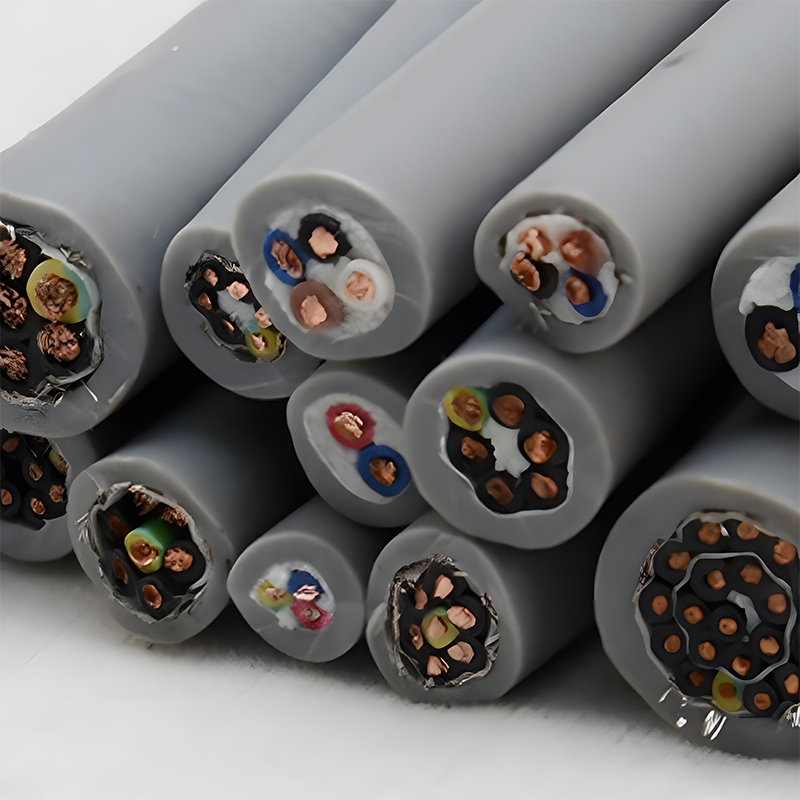
Our flexible cables utilize Ultra-Fine Tinned Copper (OFC) strands. By using hundreds of microscopic strands (Class 6 stranding) instead of fewer, thicker wires, the physical stress is distributed evenly. This prevents the "metal fatigue" that occurs when a conductor is repeatedly bent.
Dynamic applications often involve torsion (twisting) as well as bending. We utilize low-adhesion Silicone compounds and specially formulated Teflon sheaths that allow internal cores to slide against each other freely. This reduces internal heat buildup and extends the service life of the cable in high-speed drag chains.
Flexible industrial cables are critical across sectors where automated motion is the standard.
Established in 1994, Jiangsu Silver& Tin Thread Hi-temperature Wire and Cables Co., Ltd. has spent three decades mastering the art of special cable manufacturing. Our "Yuanzhi" brand is synonymous with quality and compliance in the global market.
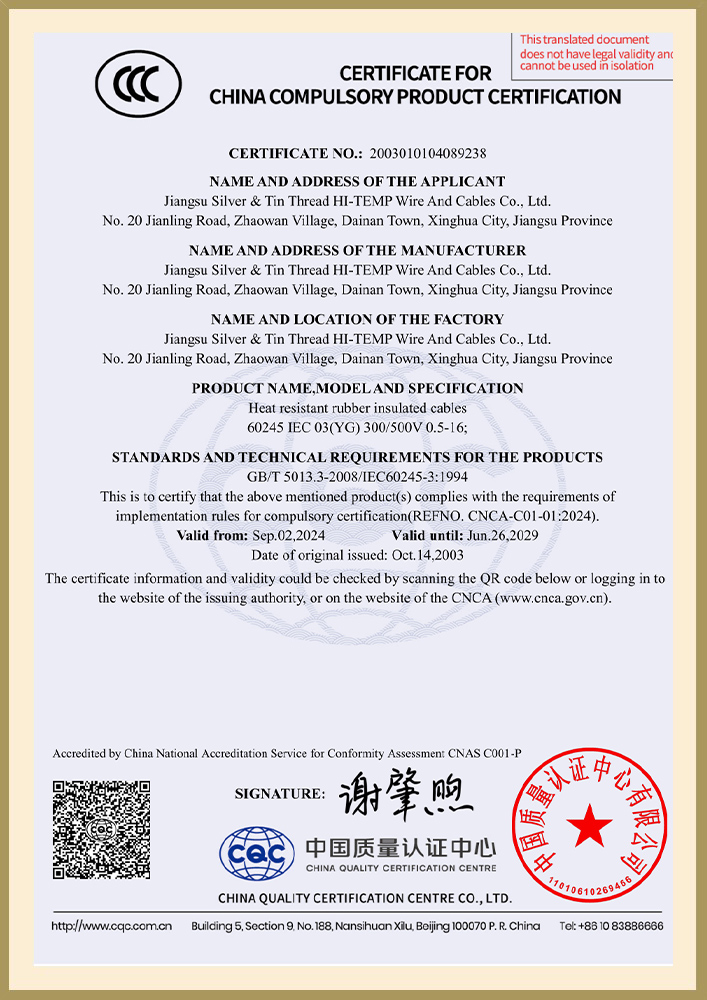
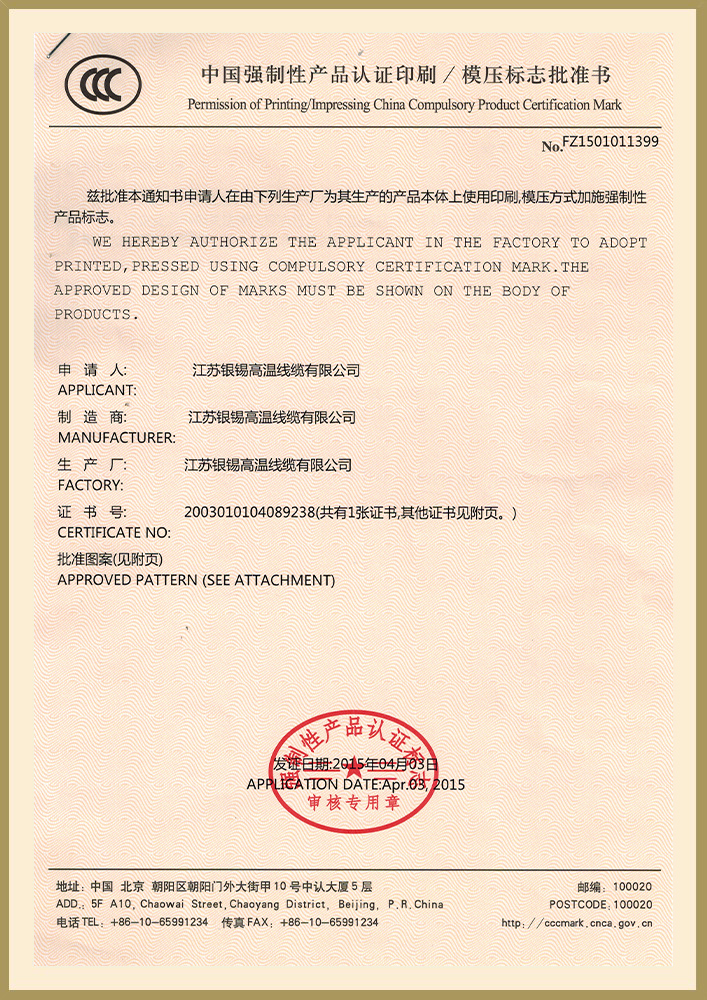
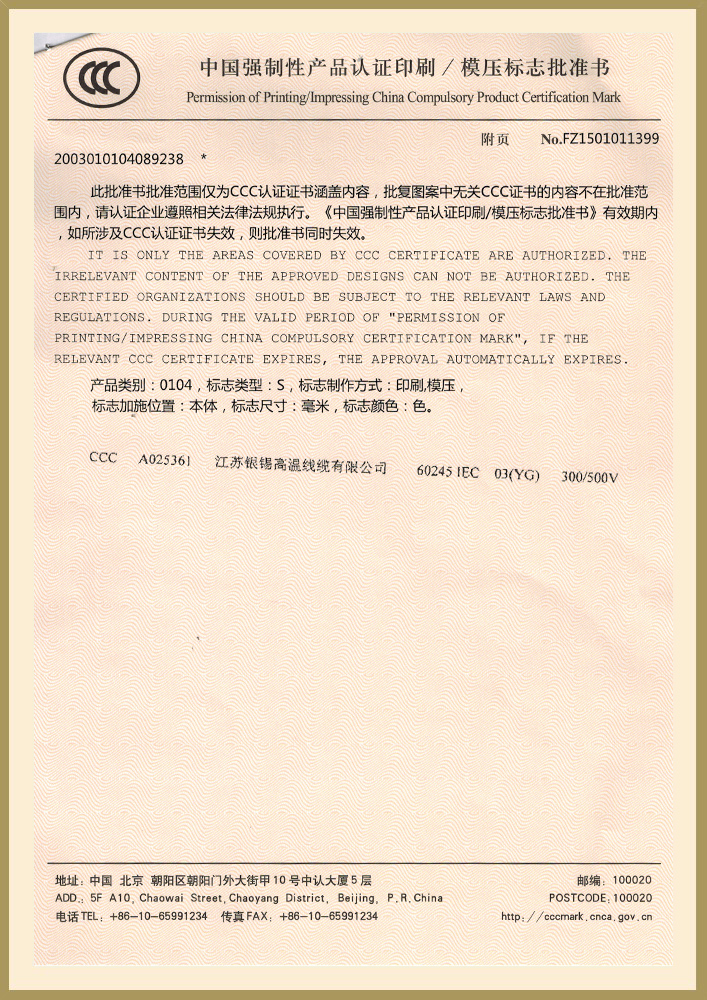
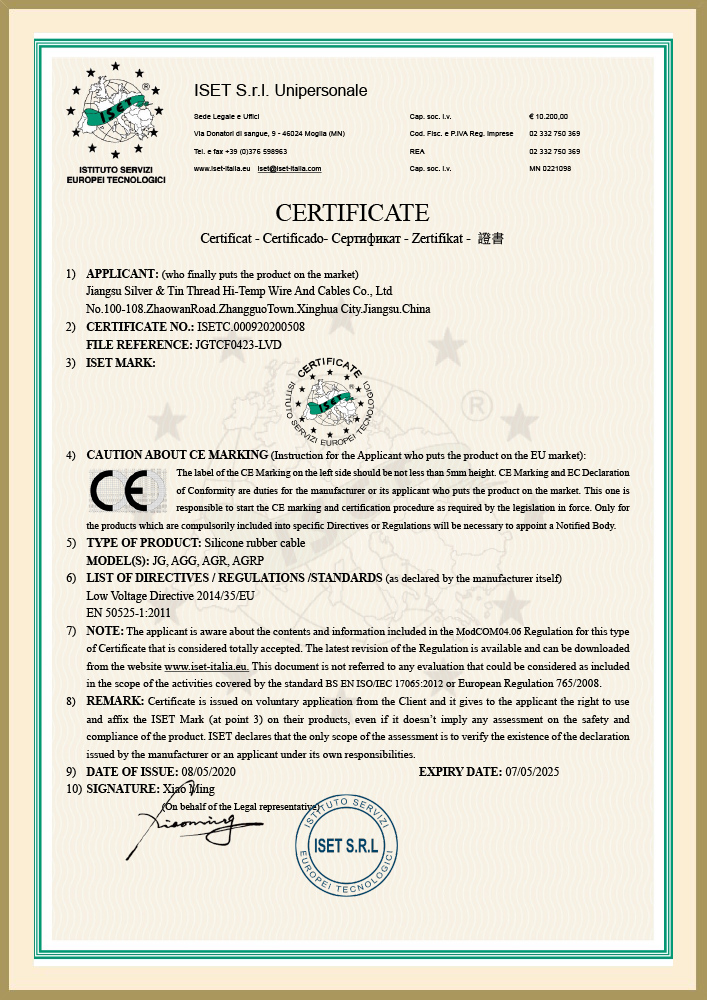
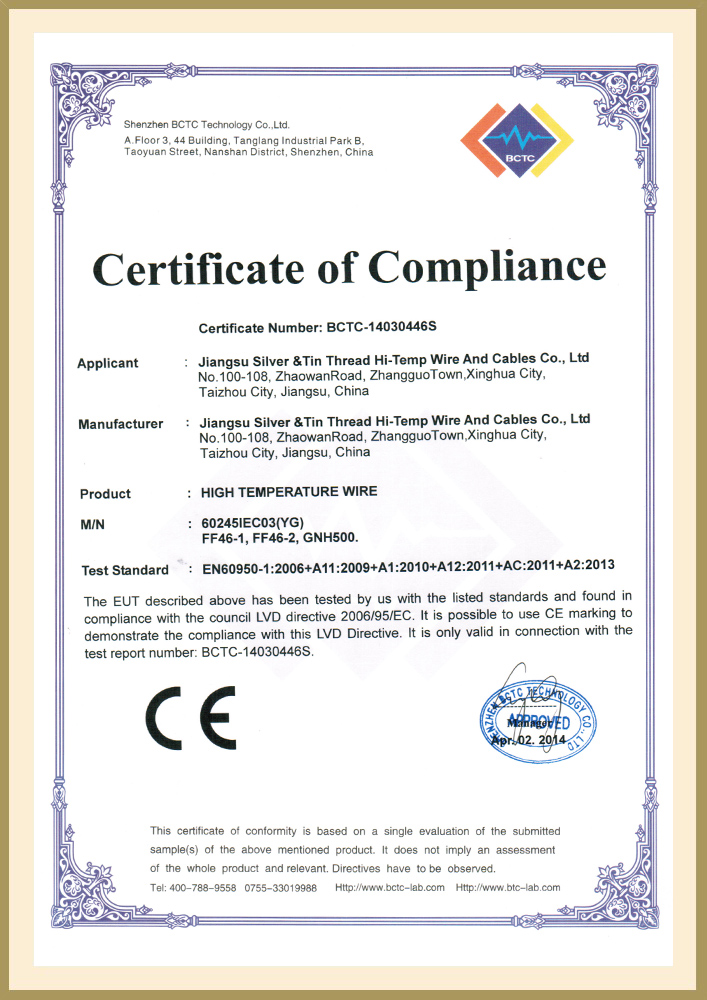
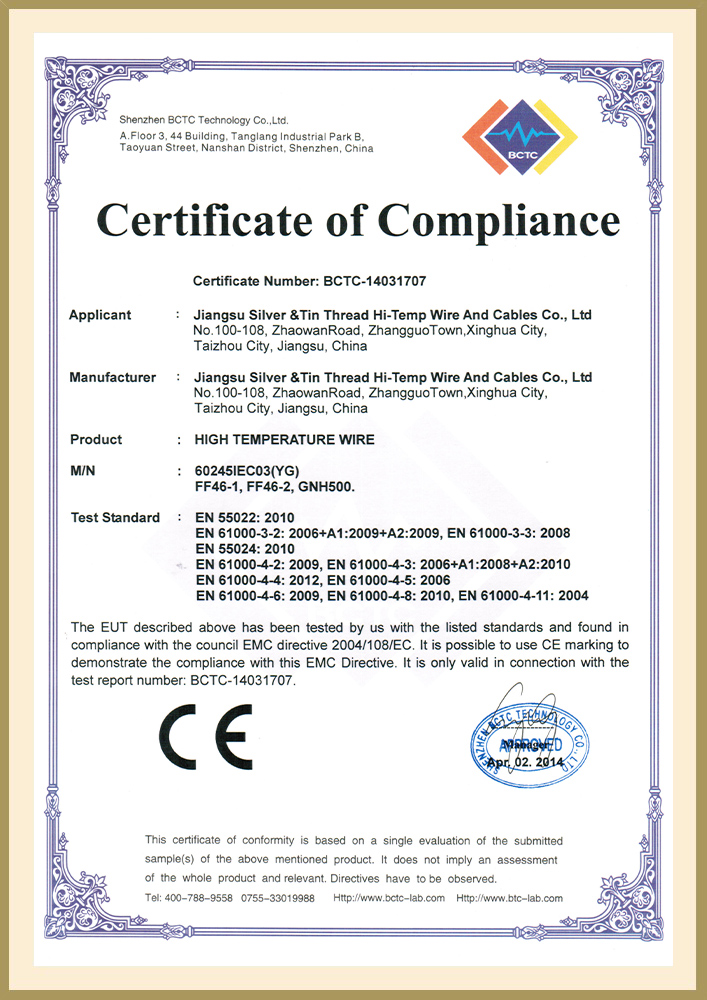
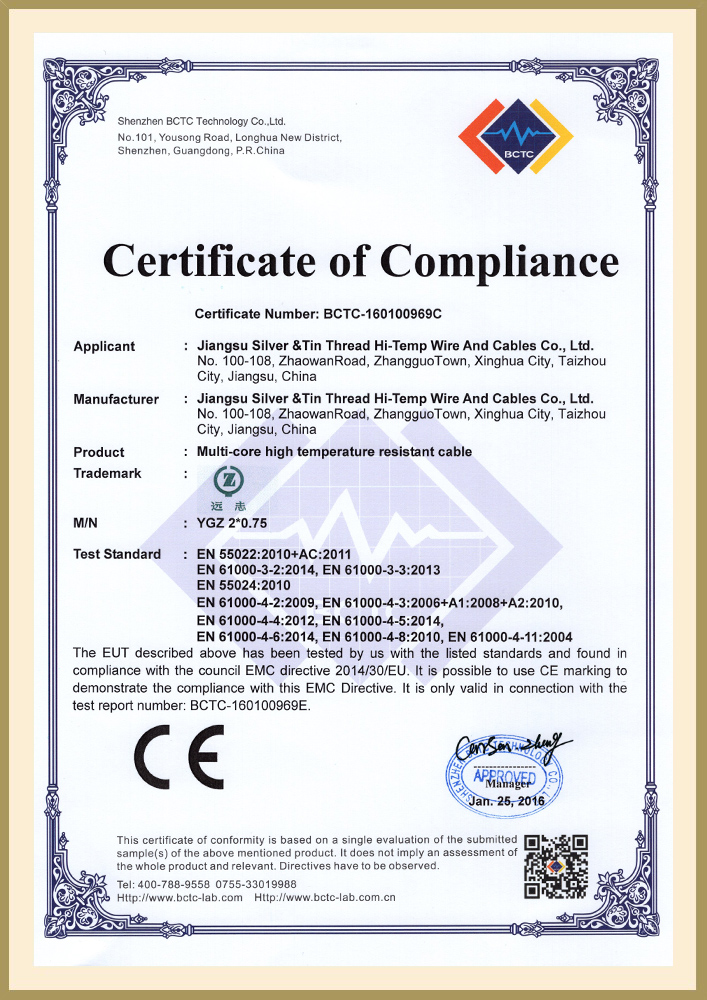
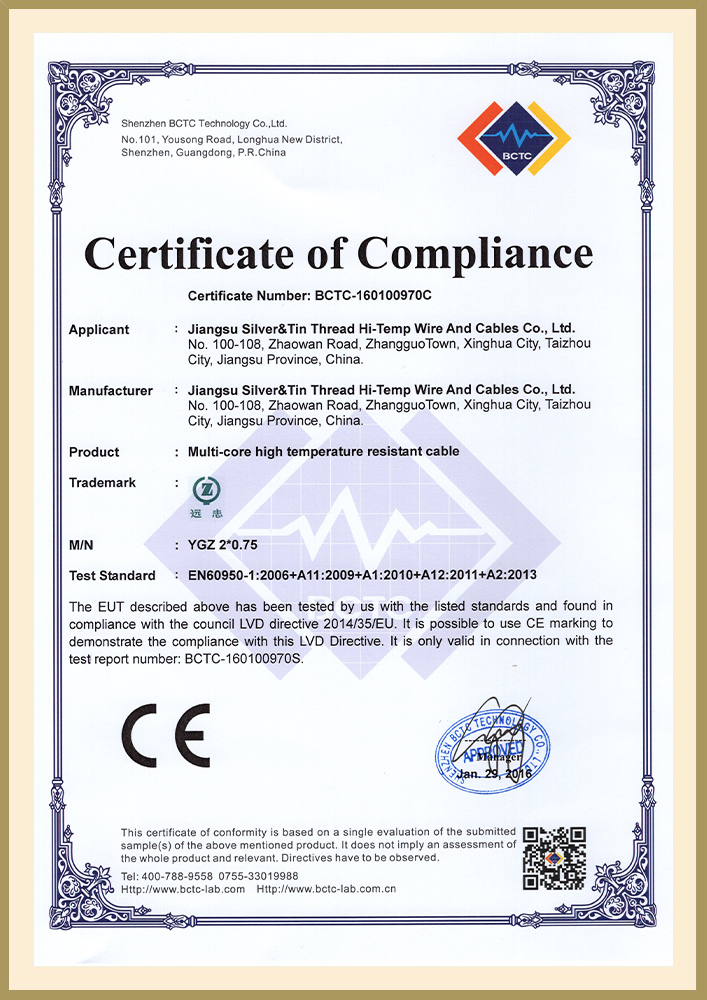
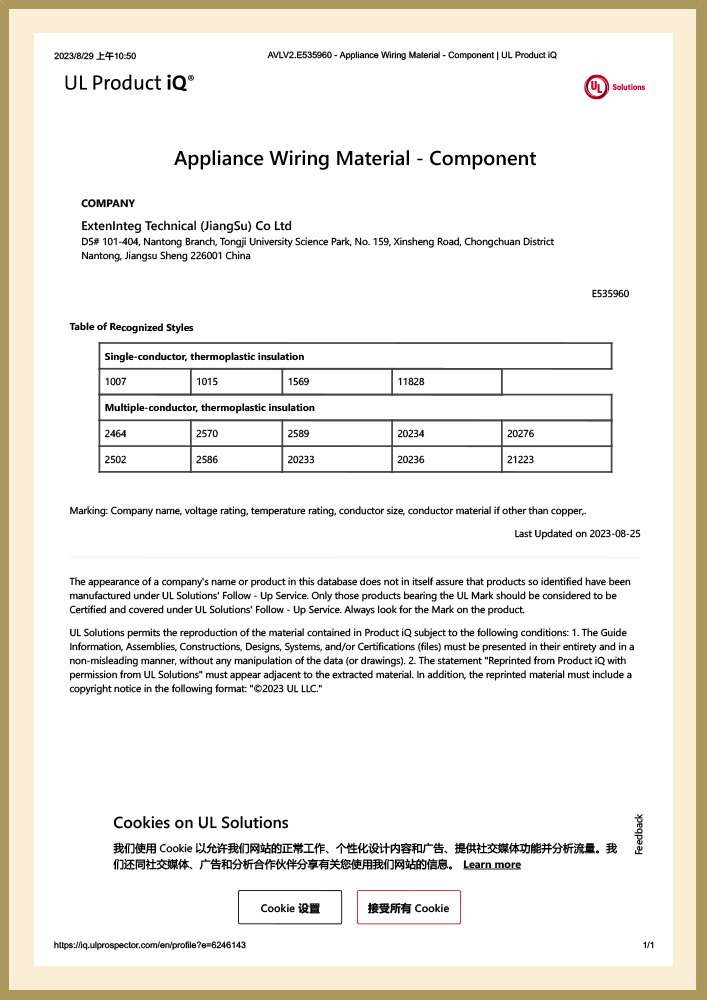
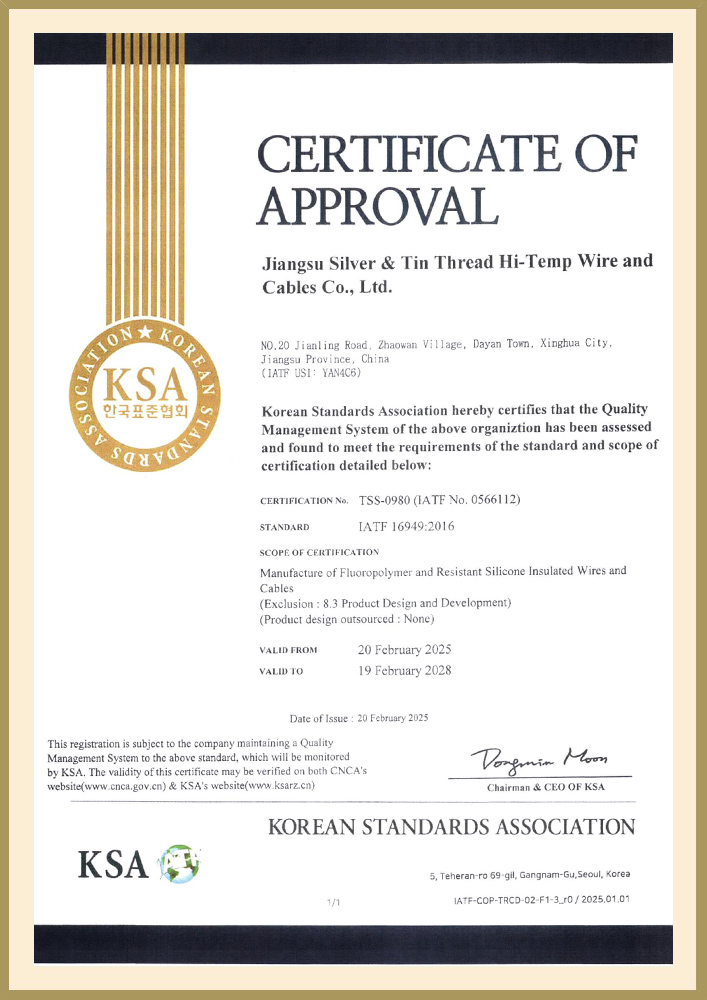
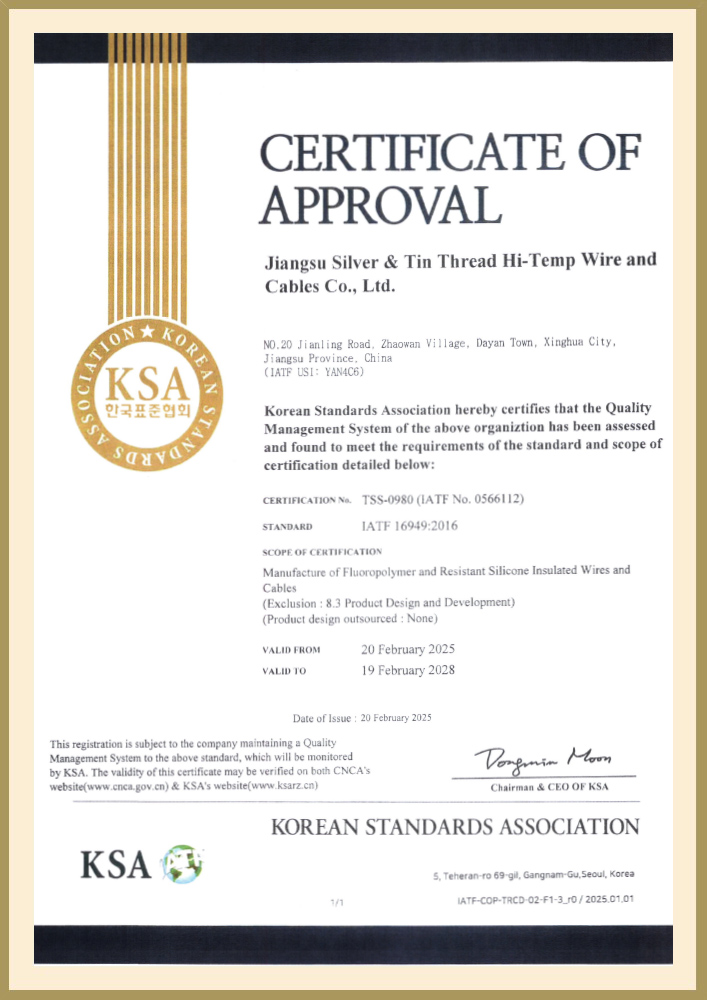
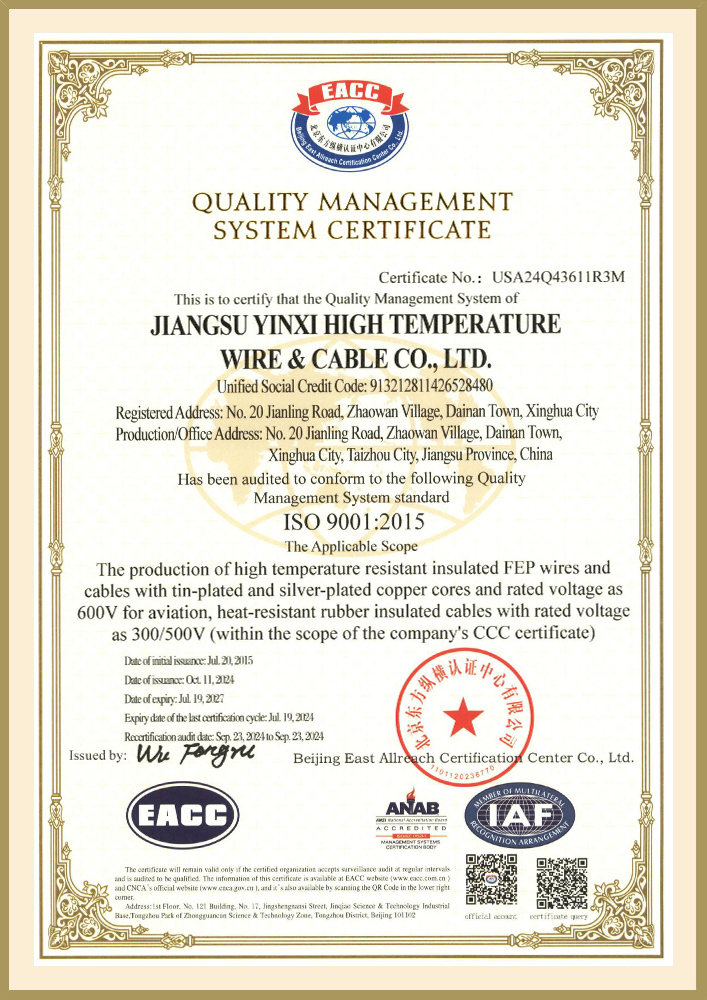
Our factory is ISO9001 and IATF16949 certified, reflecting our rigorous quality management systems. Every meter of our flexible cable undergoes 100% online testing for continuity and insulation thickness. Furthermore, all products are compliant with UL, CE, CCC, and RoHS standards. For added security, our products are insured by PICC (People's Insurance Company of China), ensuring our partners receive only the most reliable components for their critical infrastructure.
Standard flexible cables are designed for occasional movement or ease of installation in tight spaces. Continuous-flex cables are specifically engineered for machines in constant motion (drag chains). Using a standard flexible cable in a continuous-flex application will typically result in cable failure within weeks due to core stress.
At very low temperatures, standard plastics become brittle and crack during movement. Silicone and Teflon remain supple at temperatures as low as -60°C, ensuring that the cable can continue to move in cold storage or extreme outdoor environments without insulation failure.
Yes. For applications requiring EMI protection (such as servo motors), we utilize tinned copper braided shields with an optimized angle of braid. This allows the shield to flex with the cable cores without fraying or creating electrical noise.
Tinned copper provides a lubricative layer that reduces friction between individual strands during bending. It also prevents oxidation in humid or high-temperature environments, preserving the electrical conductivity and solderability over the long term.