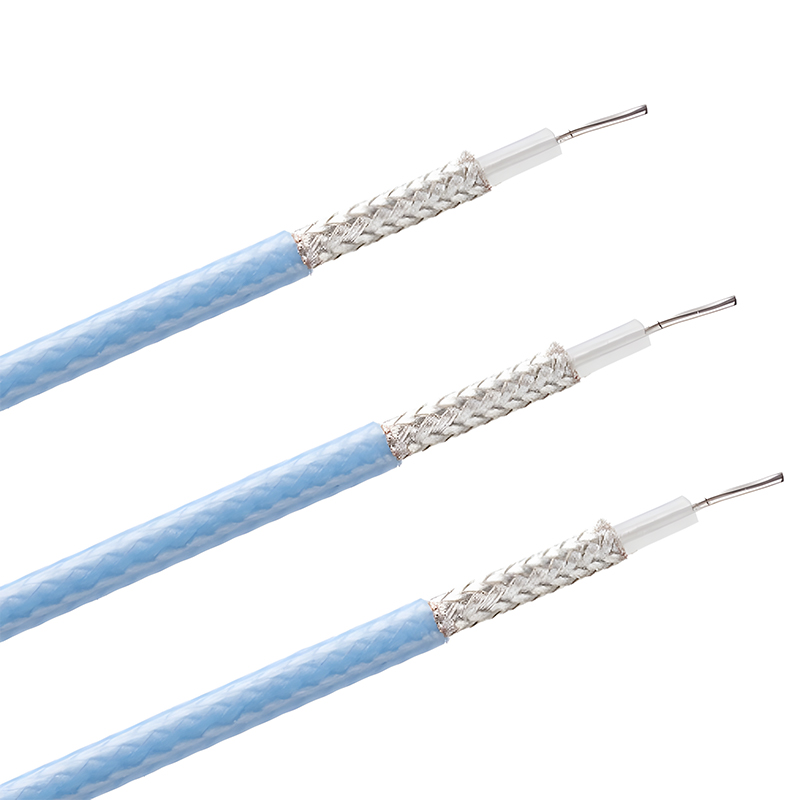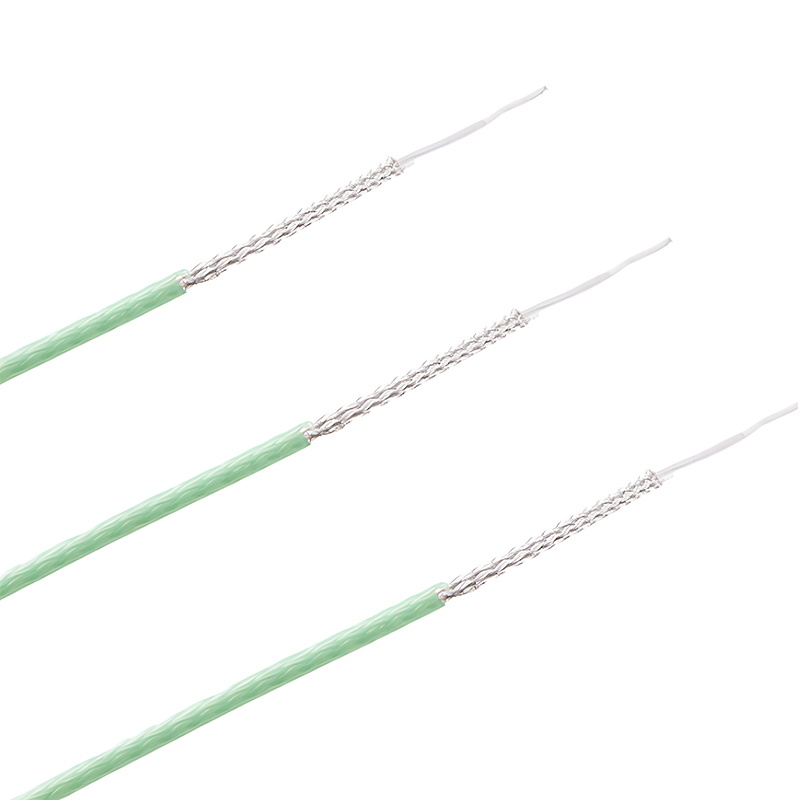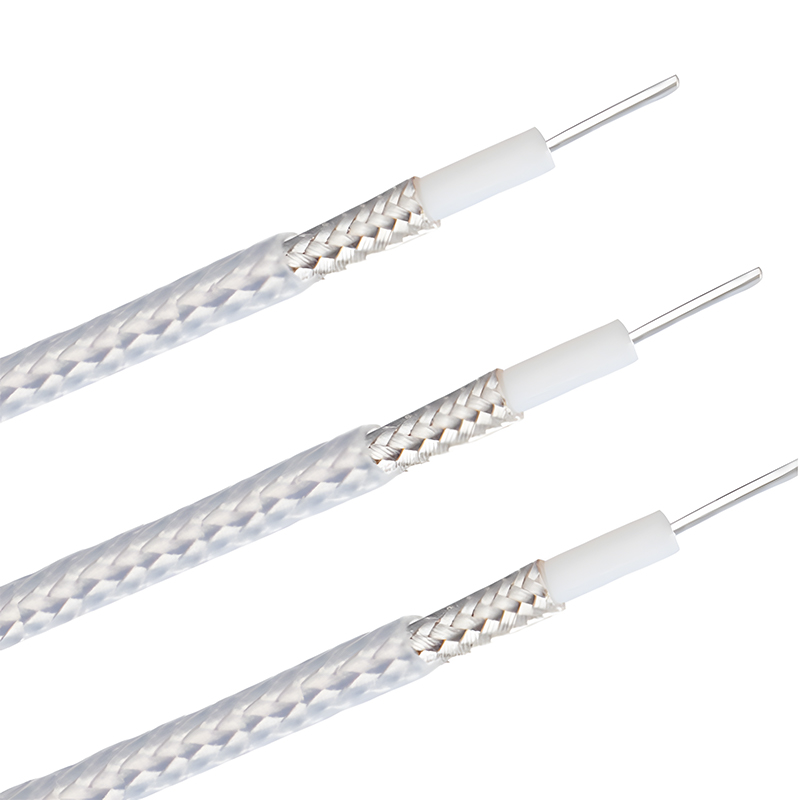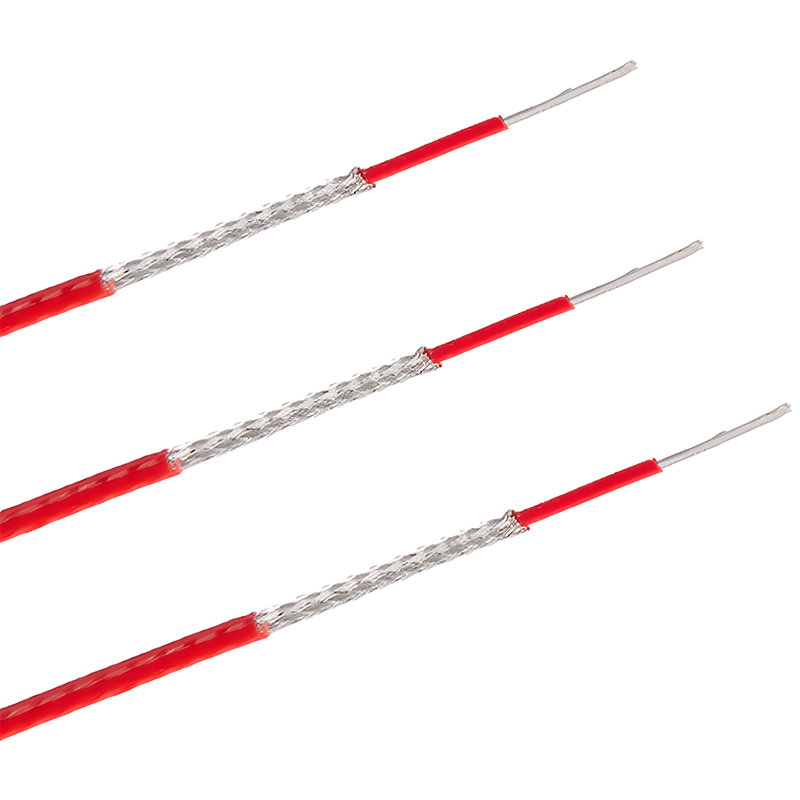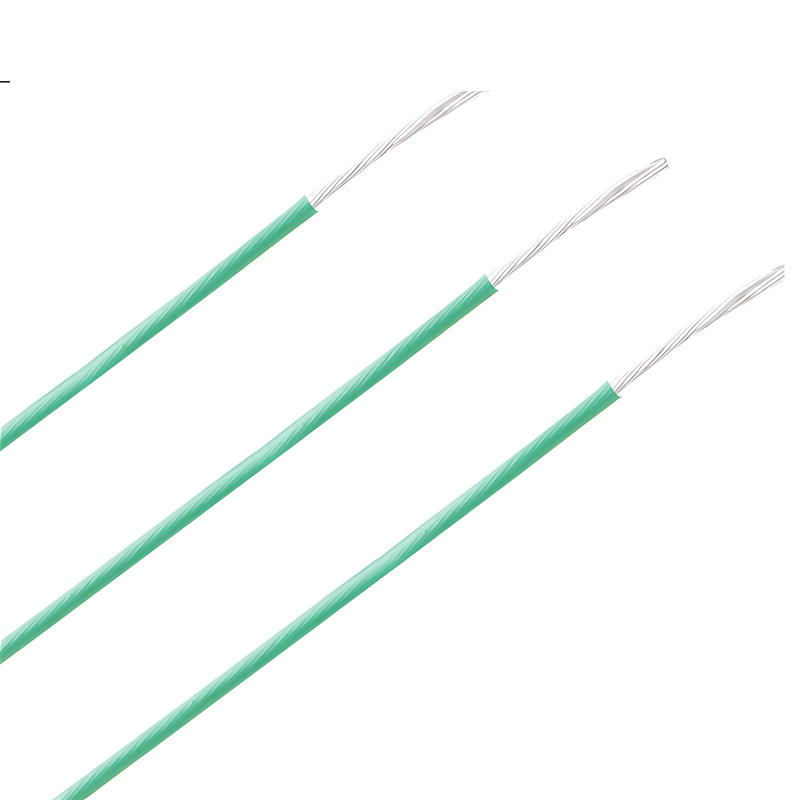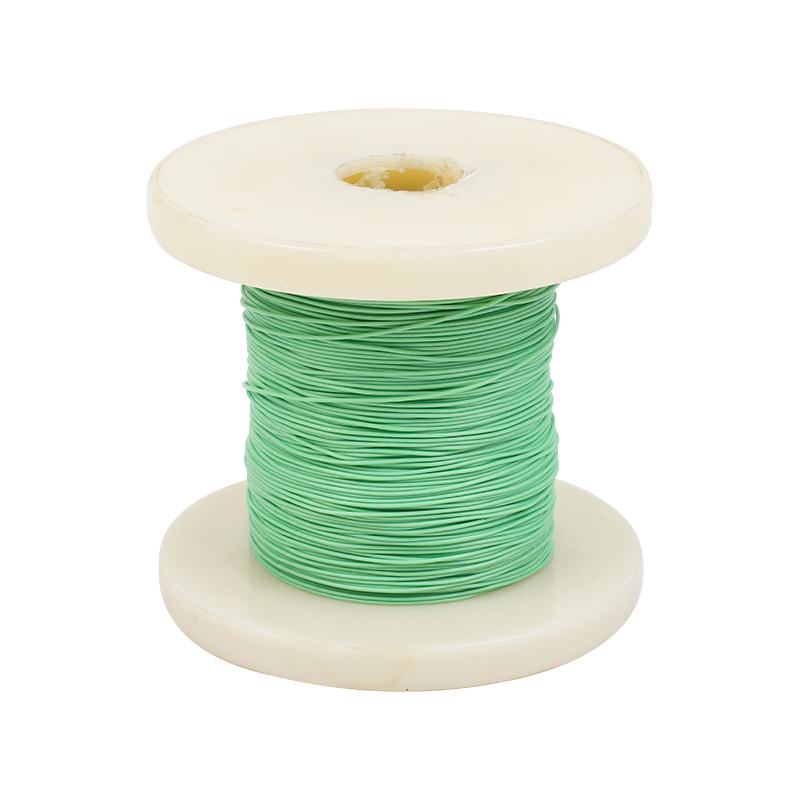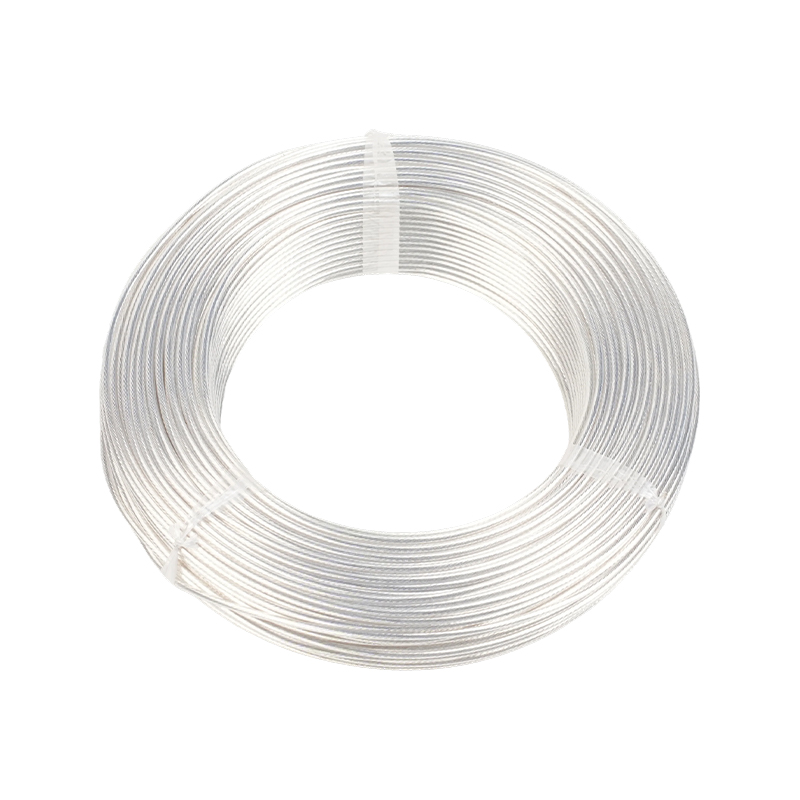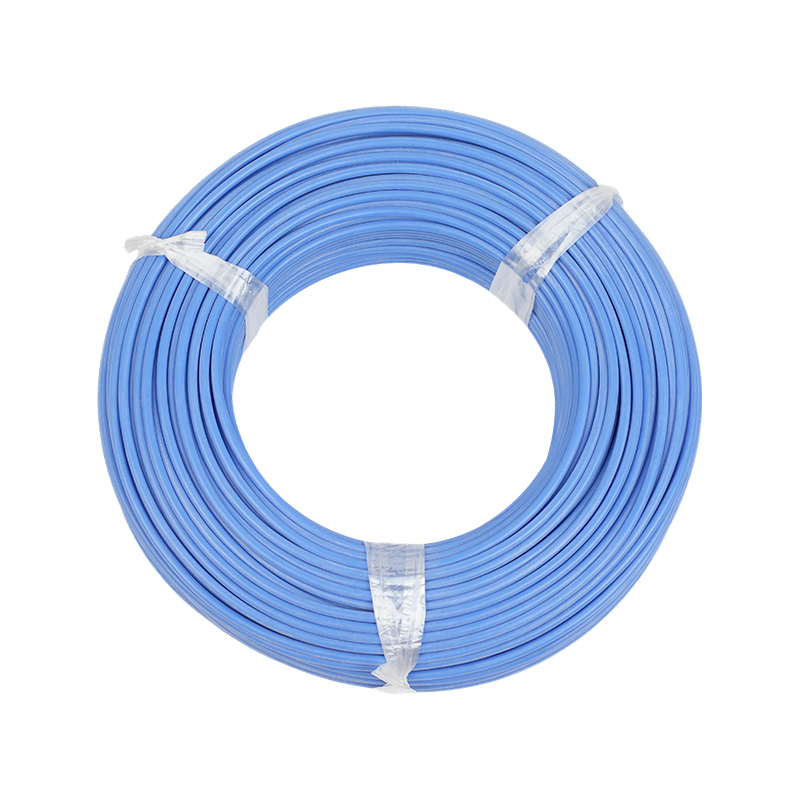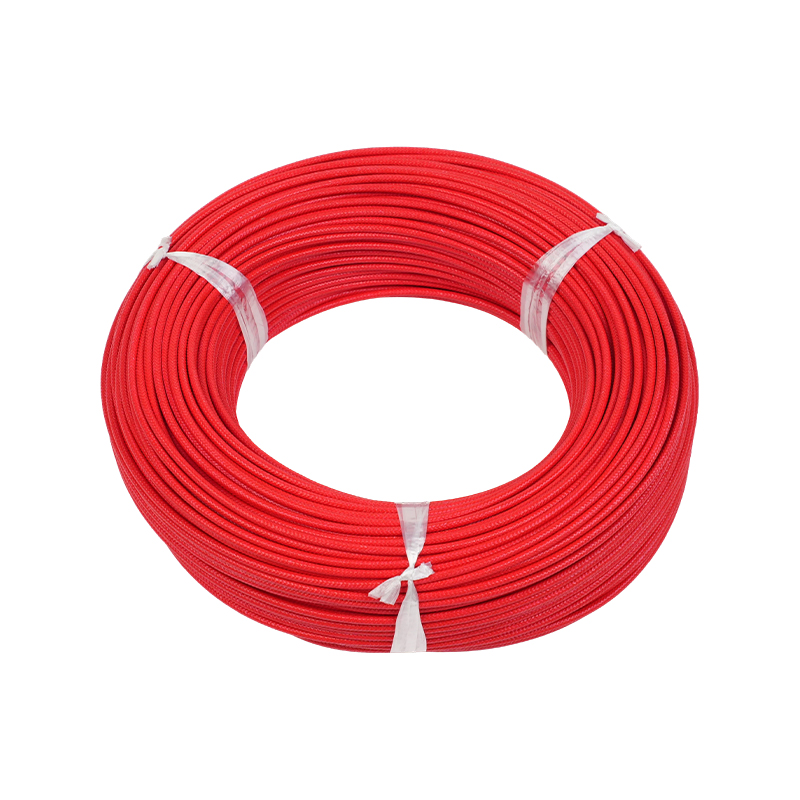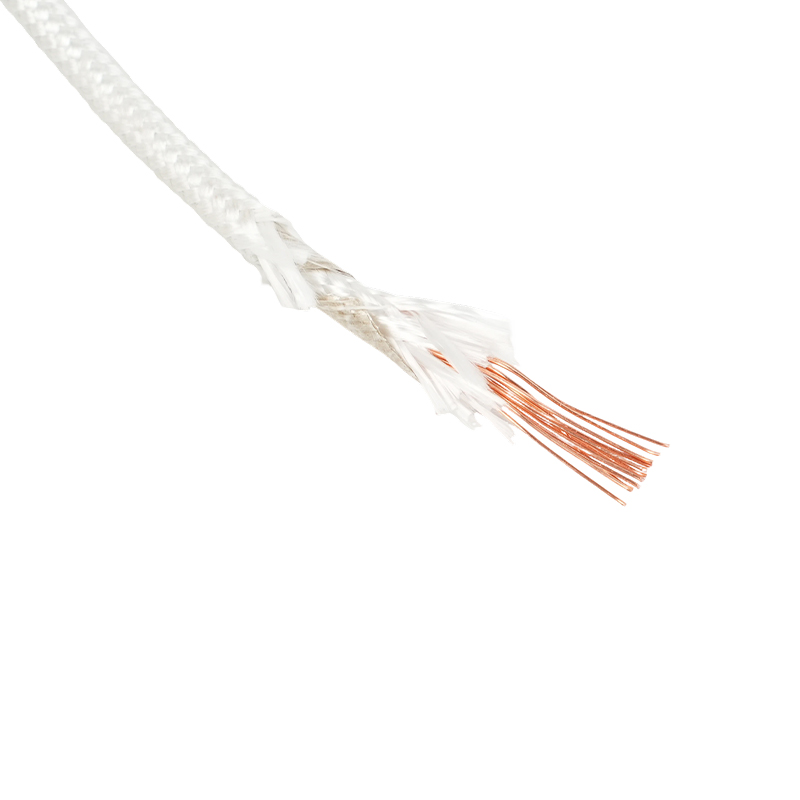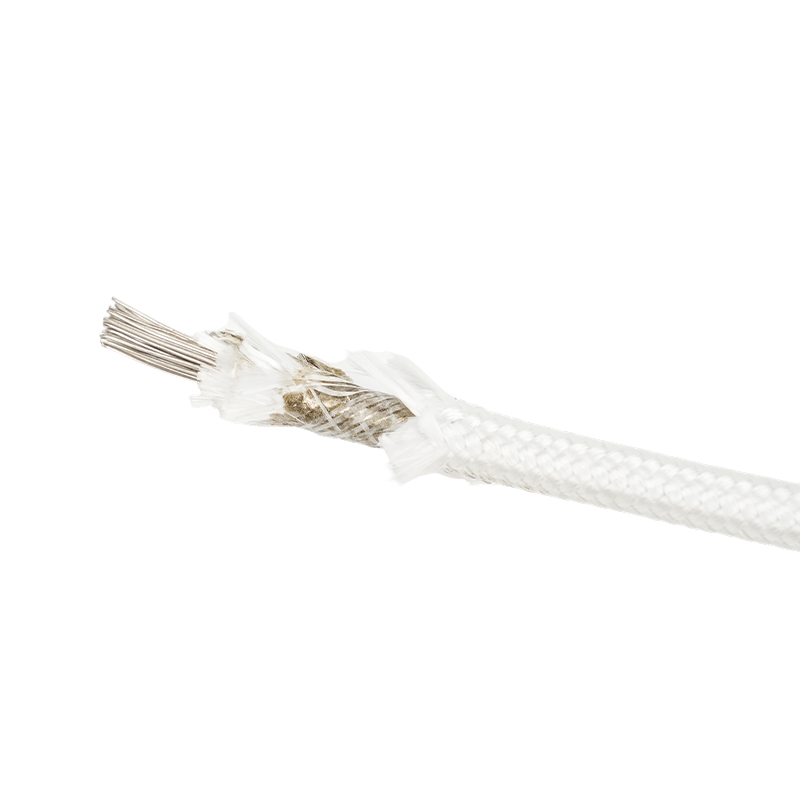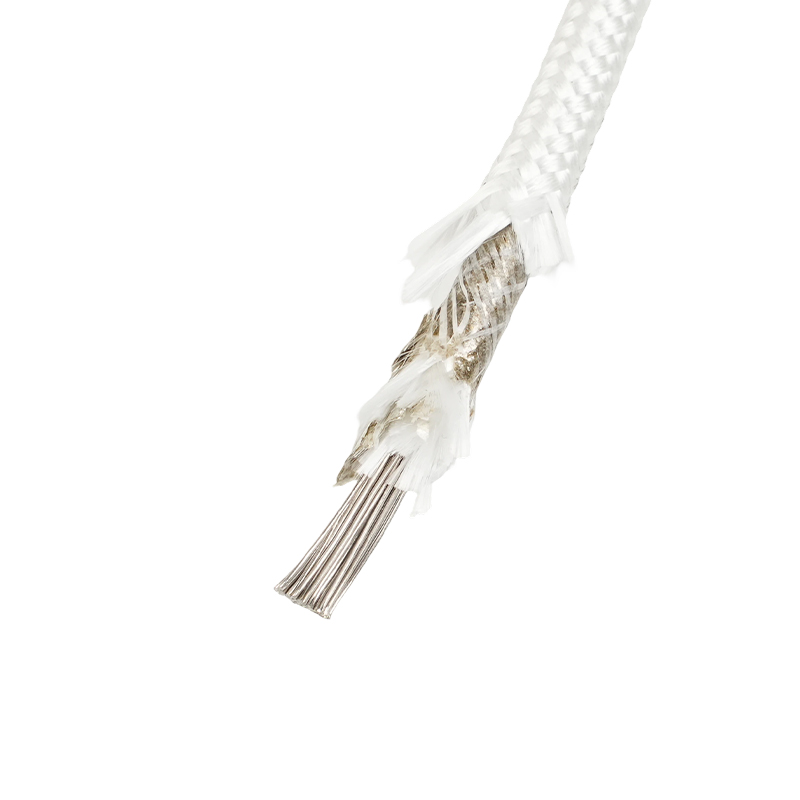
In demanding environments with temperature spans from -65°C to +260°C, Teflon Wire (fluoroplastic i...
READ MOREApplications: Widely used in communications, broadcasting, security surveillance, radar systems, and other fields, it transmits high-frequency signals (such as TV, RF, and data) and is suitable for wired communication networks and device connections.
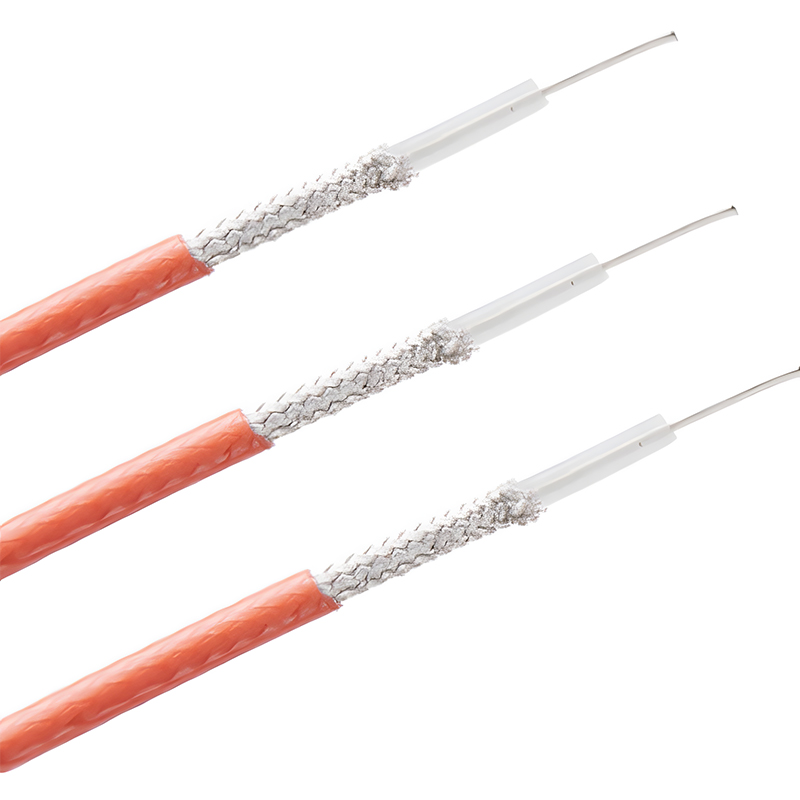
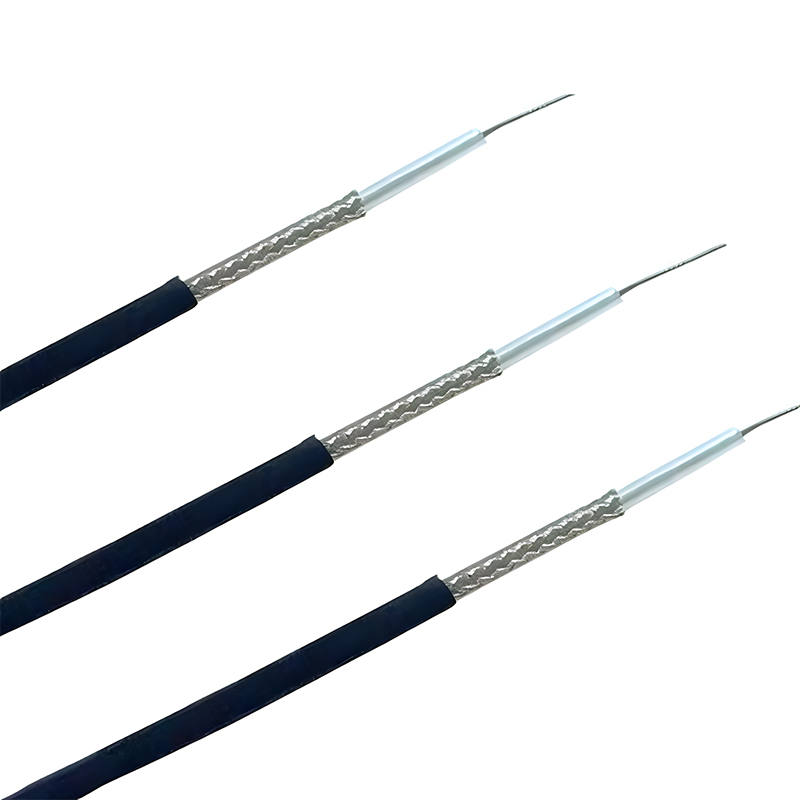
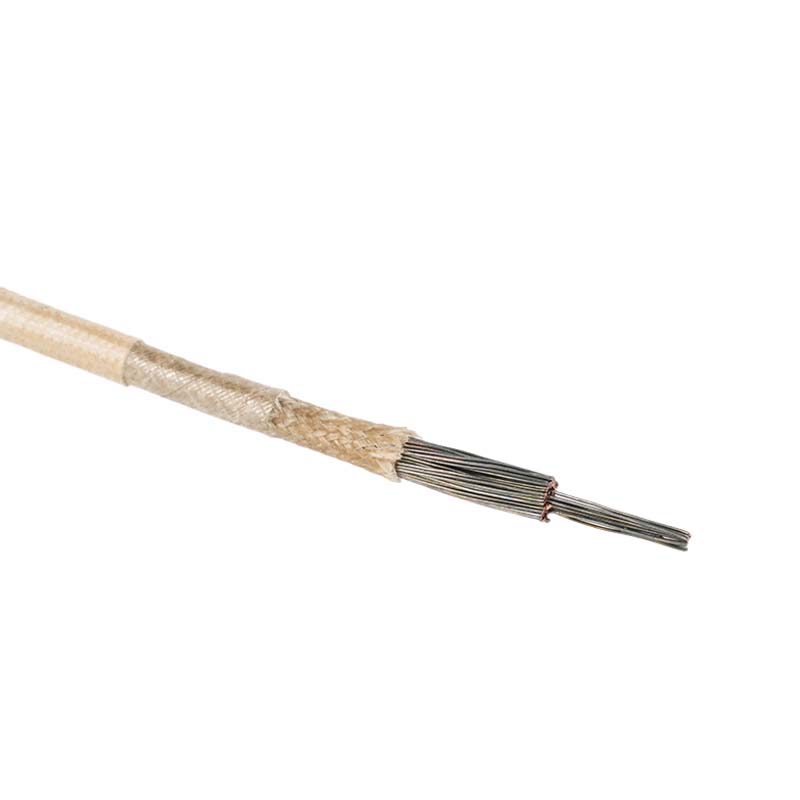
Features: The concentric structure of the center conductor, insulation layer, shielding layer, and jacket enables directional signal transmission. The shielding layer effectively isolates external electromagnetic interference, reducing signal loss and distortion during transmission.
Core Performance: Low signal attenuation, especially stable transmission in high-frequency bands. The high shielding effectiveness of the shielding layer (e.g., copper mesh, aluminum foil) ensures strong anti-interference capabilities and protects signal transmission integrity.
Product Highlights: Compact structure, easy installation and routing, suitable for both long- and short-distance signal transmission needs.
In demanding environments with temperature spans from -65°C to +260°C, Teflon Wire (fluoroplastic i...
READ MOREHow to Choose Renewable Energy Cables Best Suited for Solar and Wind Projects In solar and wind pro...
READ MOREHow to Choose Industrial Flexible Cables for Better Bending Resistance and Durability In industrial...
READ MOREHow to Choose the Most Suitable High Temperature Cable Model and Temperature Rating Selection shoul...
READ MOREIn the realm of high-speed data transmission and radio frequency (RF) communication, coaxial cables are the backbone of signal precision. The direct conclusion for mission-critical systems is that impedance stability and shielding effectiveness are the only metrics that prevent signal attenuation and data loss. Coaxial cables from Jiangsu Silver& Tin Thread Hi-temperature Wire and Cables Co., Ltd. are engineered to maintain a constant characteristic impedance (typically 50Ω or 75Ω) even in environments with extreme thermal fluctuations and high electromagnetic interference (EMI).
Unlike standard consumer-grade RG cables, our industrial series utilizes Fluoroplastic (Teflon) dielectrics and silver-plated conductors. This combination ensures low insertion loss and high velocity of propagation (VoP), making them the definitive choice for aerospace, high-end medical imaging, and industrial automation sensors where zero-failure signal integrity is required from -65°C to +260°C.
The performance of a coaxial cable is dictated by its geometry and the quality of its dielectric material. Below is a comparison of our core high-temperature coaxial specifications:
| Feature | Teflon (PTFE) Coaxial | FEP Coaxial | Standard PE Coaxial |
|---|---|---|---|
| Operating Temp | -65°C to +260°C | -65°C to +200°C | -40°C to +80°C |
| Dielectric Loss | Ultra-Low | Very Low | Moderate |
| Chemical Resistance | Inert (Superior) | High | Poor |
| Voltage Rating | High | High | Low |
Signal leakage (EMI) and external noise are the primary enemies of coaxial performance. At Jiangsu Silver& Tin Thread, we solve this through a combination of metallurgy and high-density braiding.
For high-frequency applications, the "skin effect" means that most signal travels on the surface of the conductor. By utilizing high-purity silver plating over an oxygen-free copper core, we maximize conductivity and minimize attenuation, especially in the GHz range.
To achieve shielding effectiveness of >90dB, our industrial coaxial cables often feature a dual-layer shield: an aluminum foil wrap for 100% coverage combined with a high-density tinned or silver-plated copper braid. This ensures that the signal remains isolated from power lines and industrial motors in complex automation environments.
Our "Yuanzhi" brand coaxial cables are utilized in specialized fields where standard RG cables would fail:
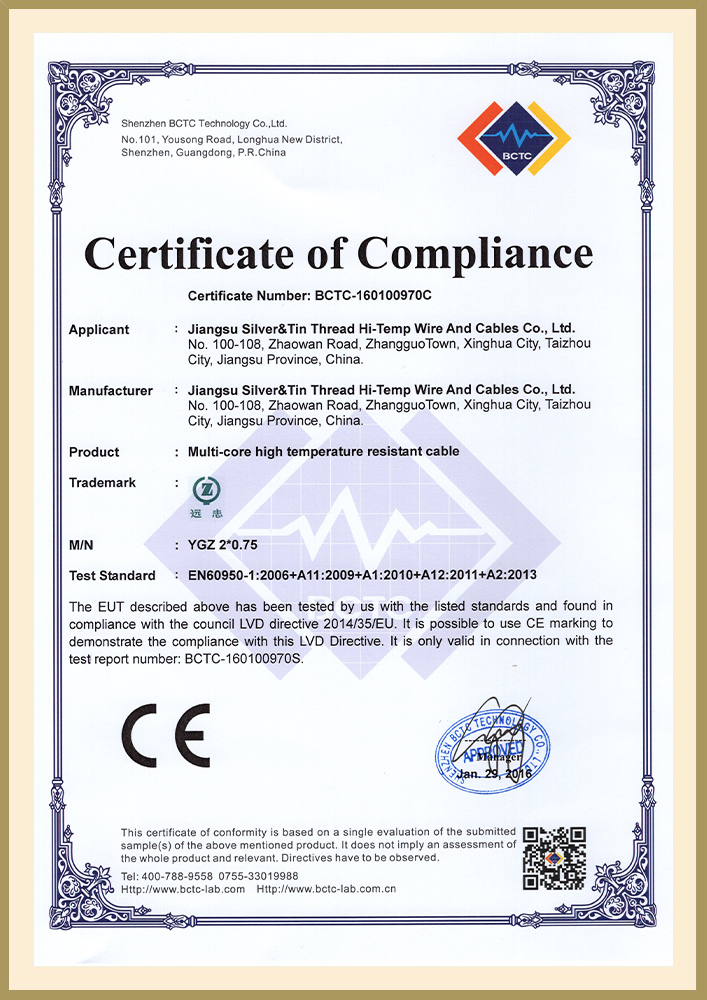
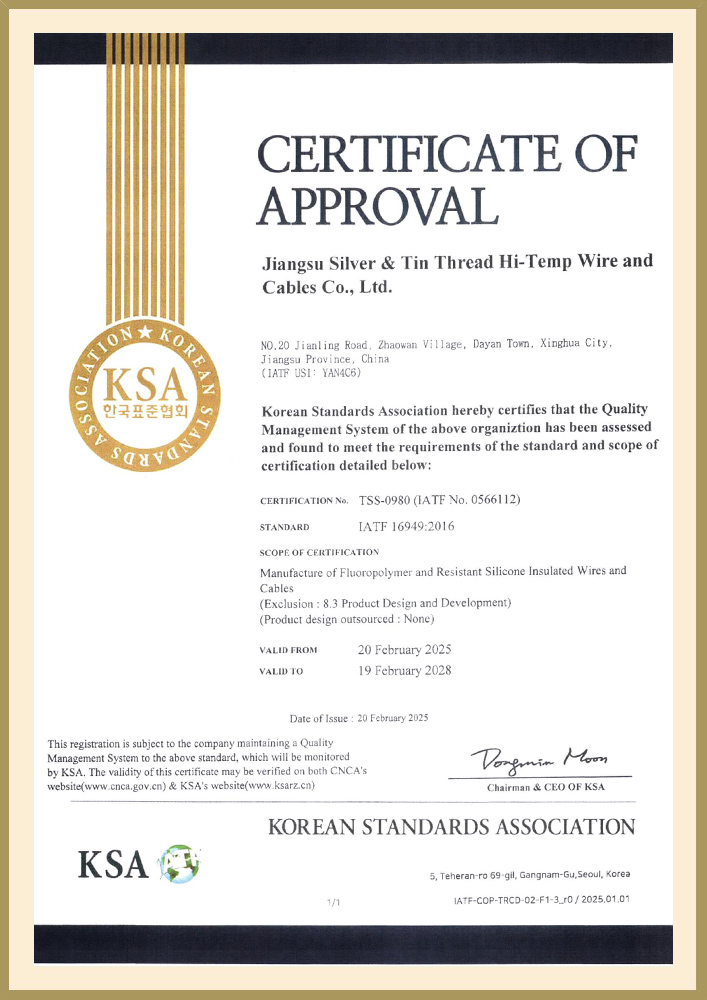
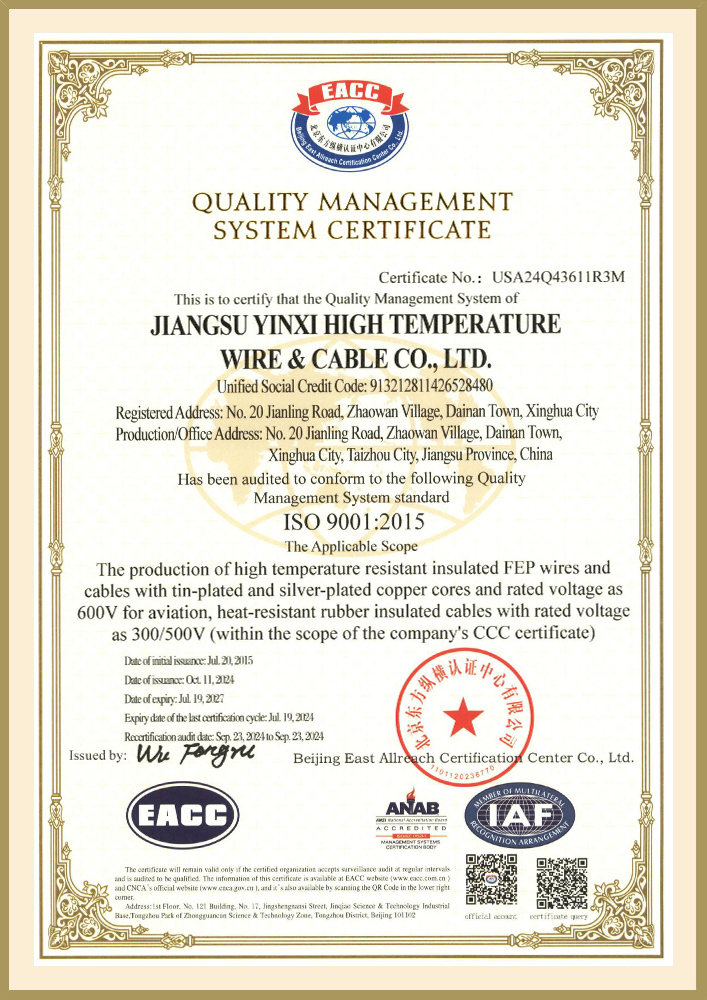
Since 1994, Jiangsu Silver& Tin Thread Hi-temperature Wire and Cables Co., Ltd. has established itself as a leader in special wire technology. Our coaxial cables are produced in a certified ISO9001 and IATF16949 facility, ensuring strict dimensional control—the key to impedance stability.
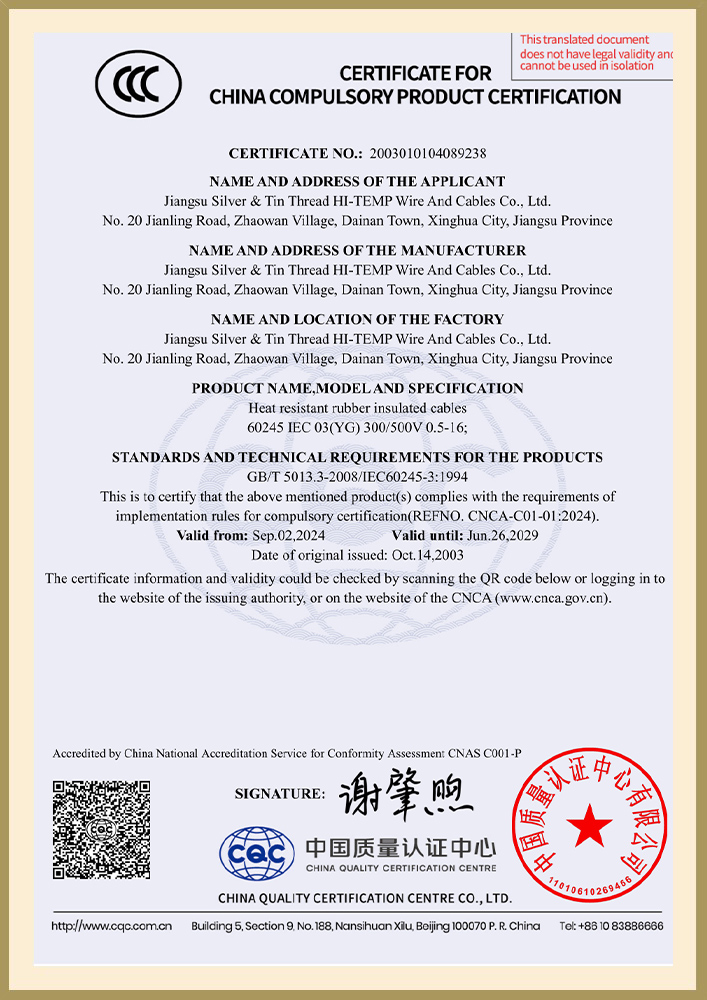
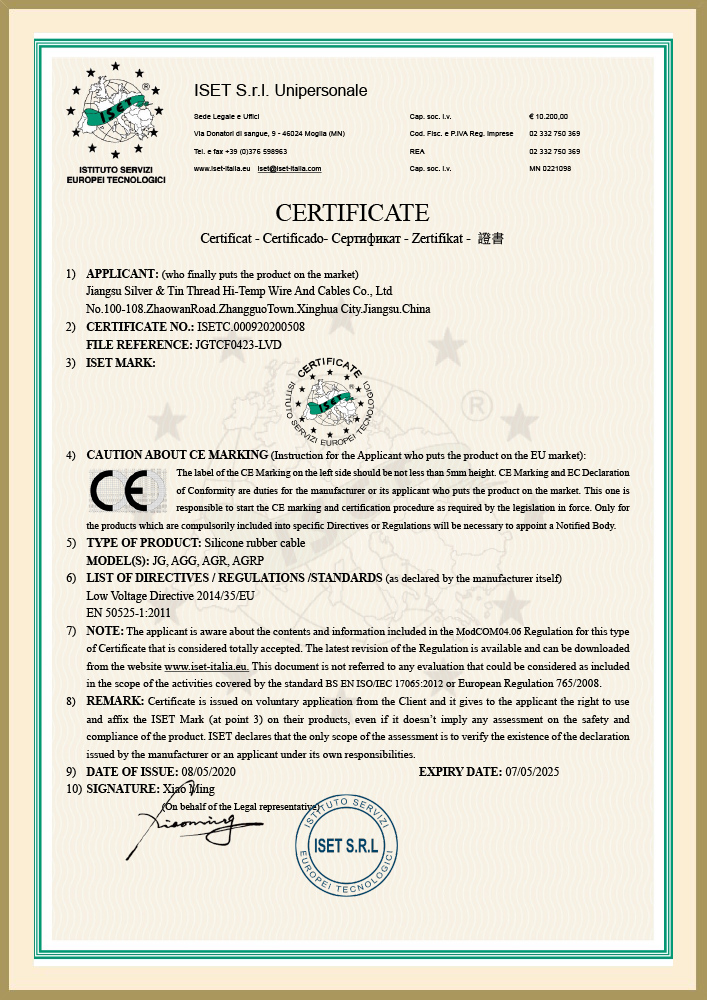
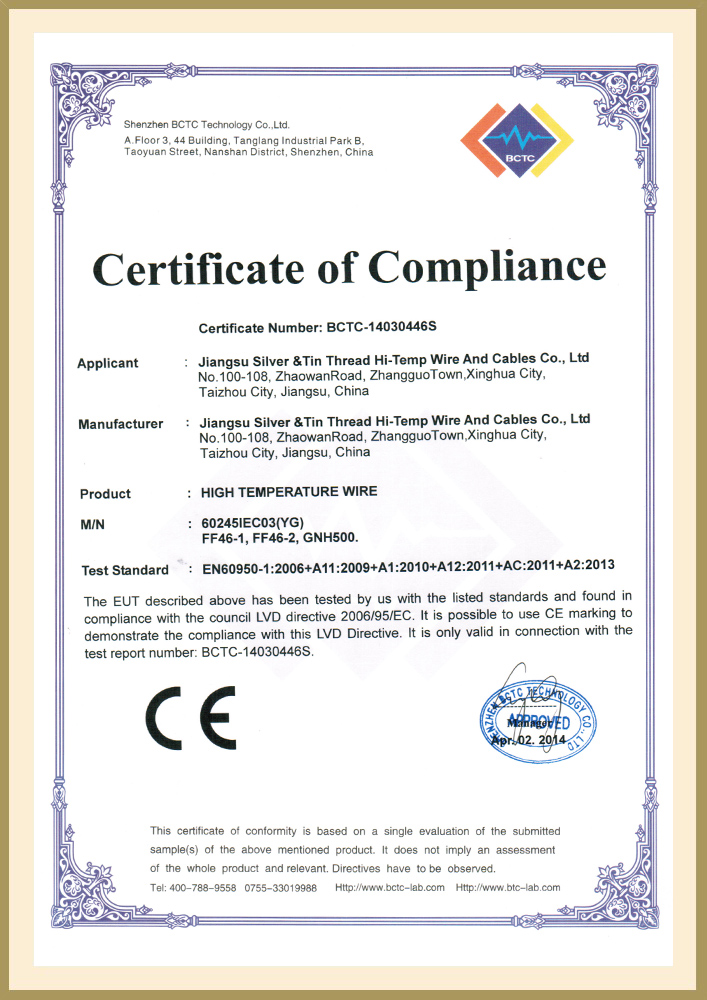
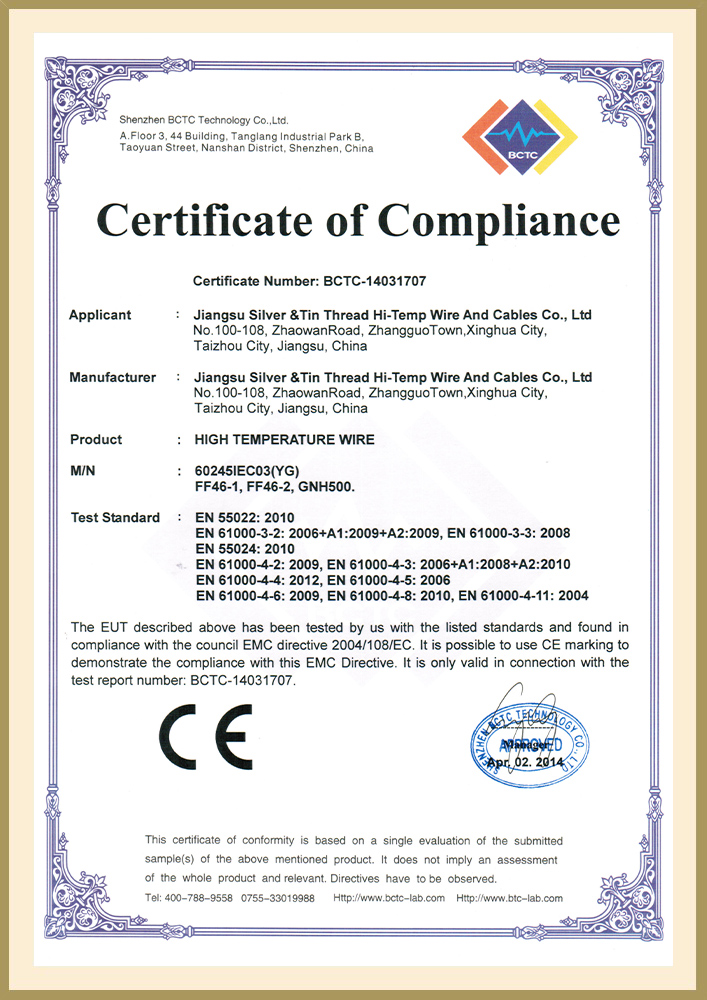
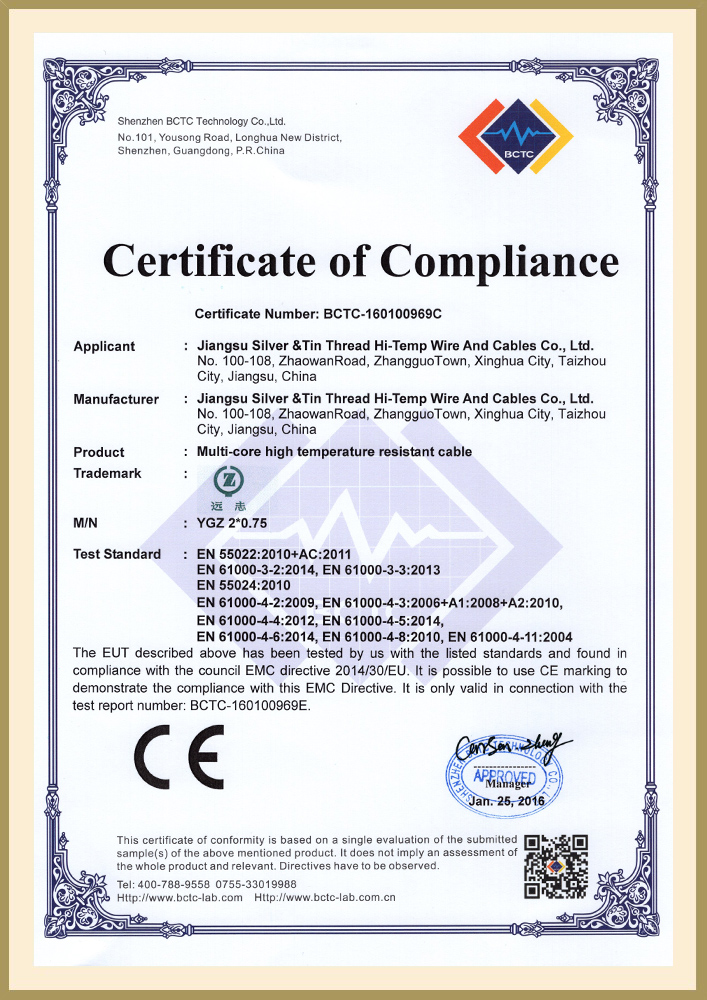
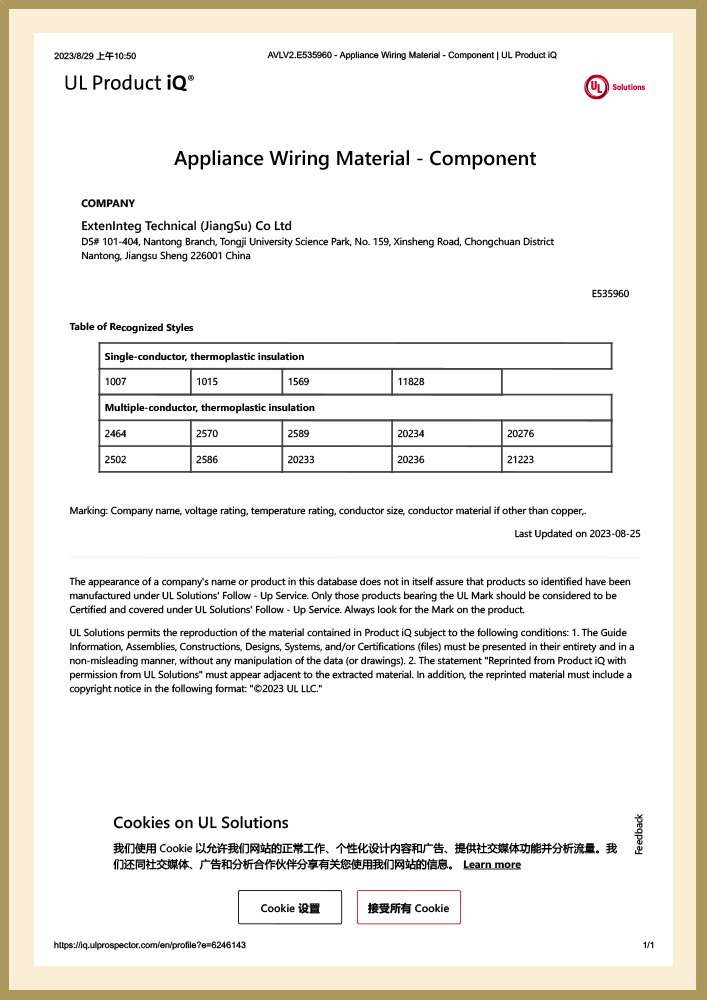
Every meter of our coaxial cable undergoes 100% time-domain reflectometry (TDR) testing to ensure that there are no structural returns or impedance mismatches. We hold UL, CE, CCC, and RoHS safety listings, and our products are insured by PICC (People's Insurance Company of China) for global reliability.
1.What is the primary benefit of Teflon dielectric in coaxial cables?
Teflon (PTFE/FEP) has a lower dielectric constant than PE, allowing for a faster velocity of propagation and lower signal attenuation. It also ensures the cable maintains its electrical properties even at 200°C+, where standard PE cables would melt and cause a short circuit.
2.Should I choose 50Ω or 75Ω impedance?
50Ω cables are optimized for power handling and are the standard for RF transmitters, Wi-Fi, and radar. 75Ω cables are optimized for low signal loss and are the industry standard for video transmission, CATV, and digital audio.
3.How does shielding coverage affect my system?
Low shielding coverage (e.g., 60%) allows external noise to penetrate the signal path, leading to data errors. Our industrial cables offer 90-95% braid coverage plus foil, which is critical for maintaining SNR (Signal-to-Noise Ratio) in high-interference factory floors.
4.Are your coaxial cables resistant to moisture and chemicals?
Yes. Our FEP and PFA jacketed coaxial cables are 100% chemically inert and waterproof, making them ideal for outdoor RF links or chemical processing plants where corrosive vapors are present.