Jiangsu Silver& Tin Thread Hi-temperature Wire and Cables Co., Ltd. Home / Products / High-Temperature Cable / Silicone Wire
Jiangsu Silver& Tin Thread Hi-temperature Wire and Cables Co., Ltd.
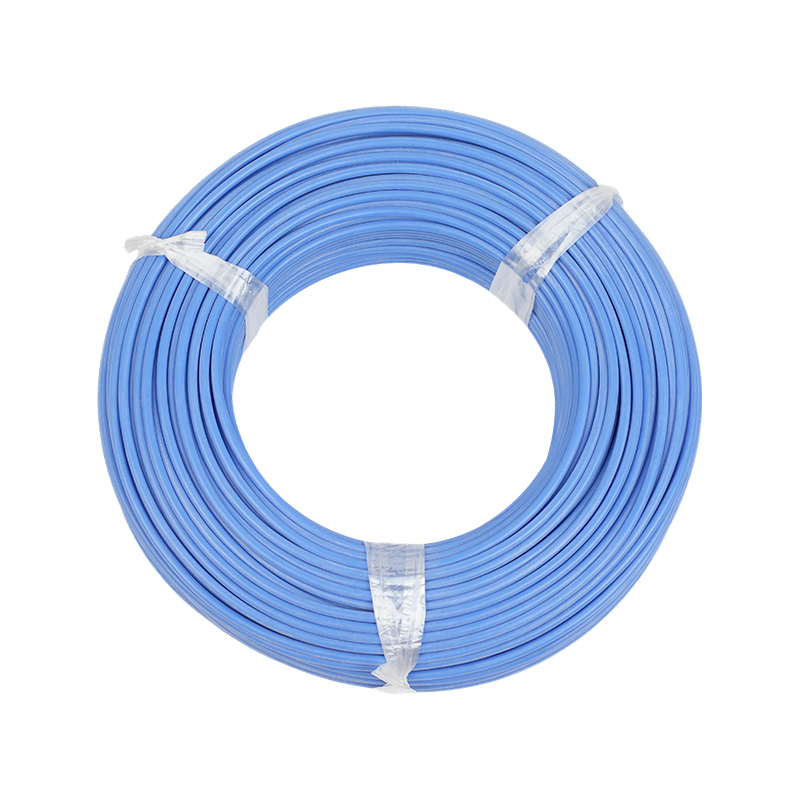
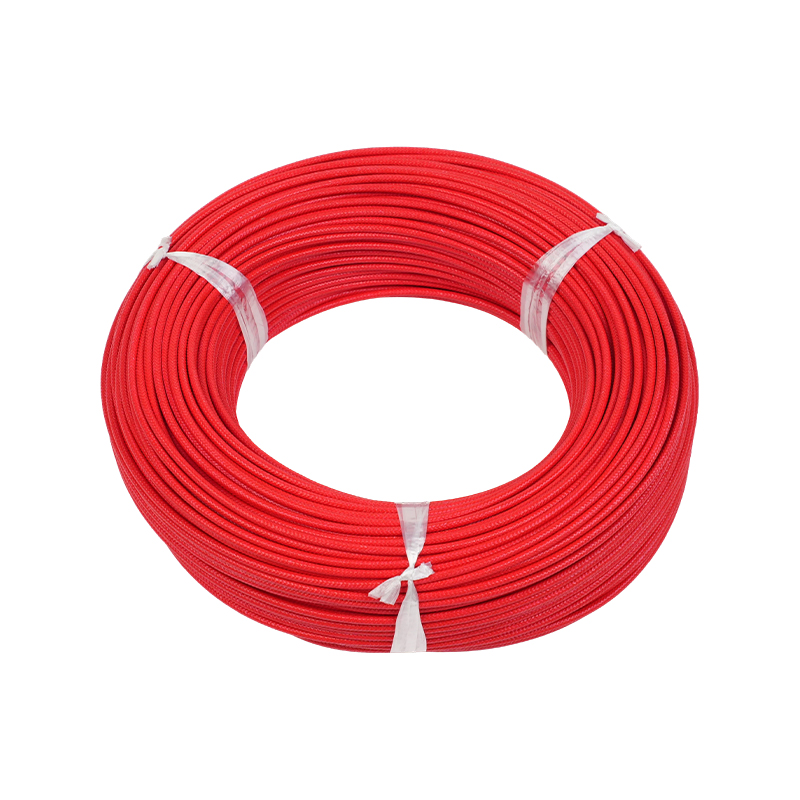
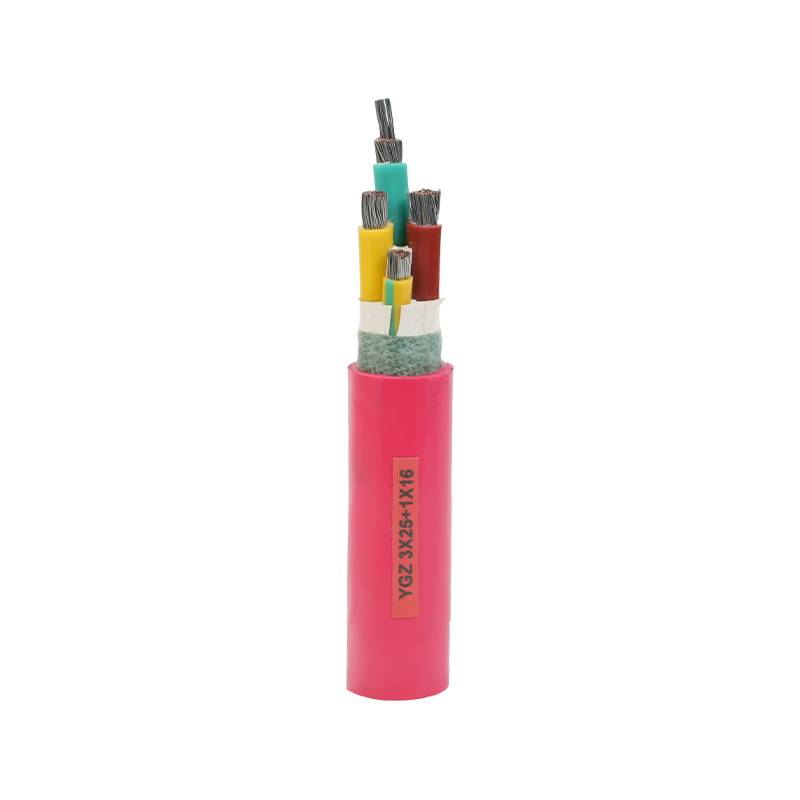
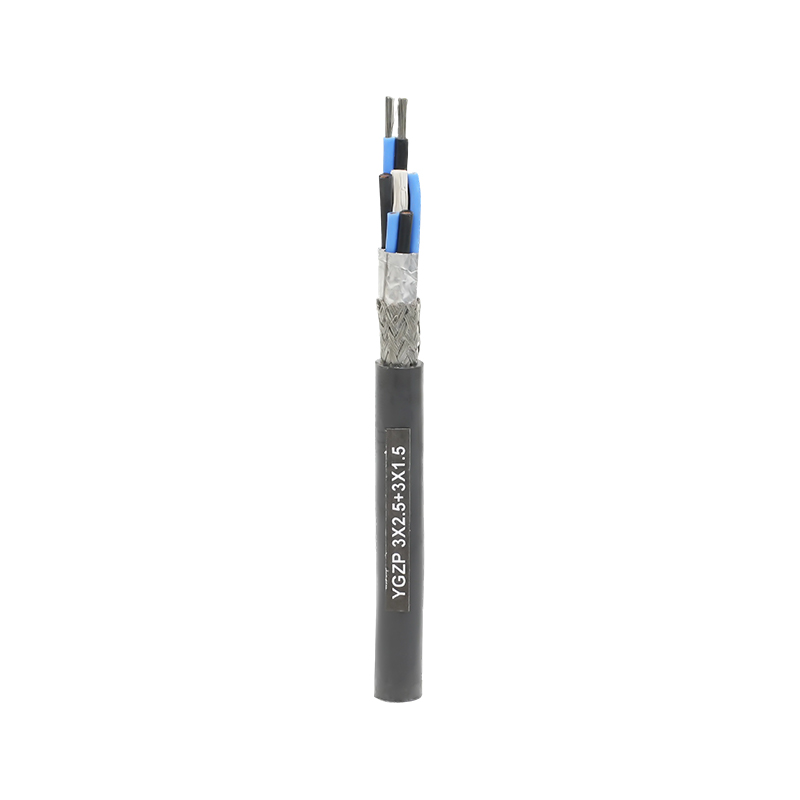
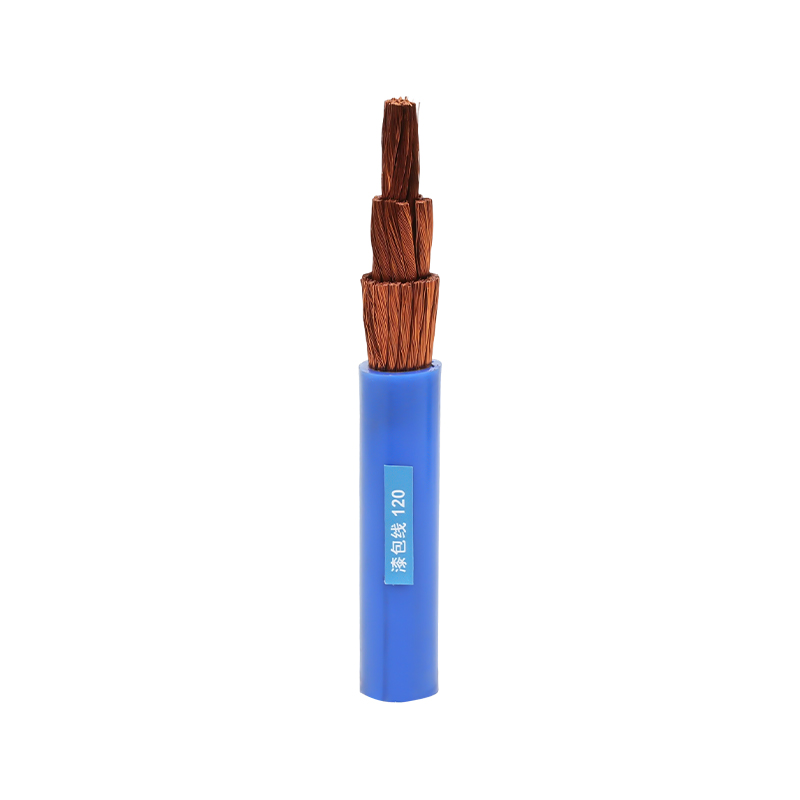
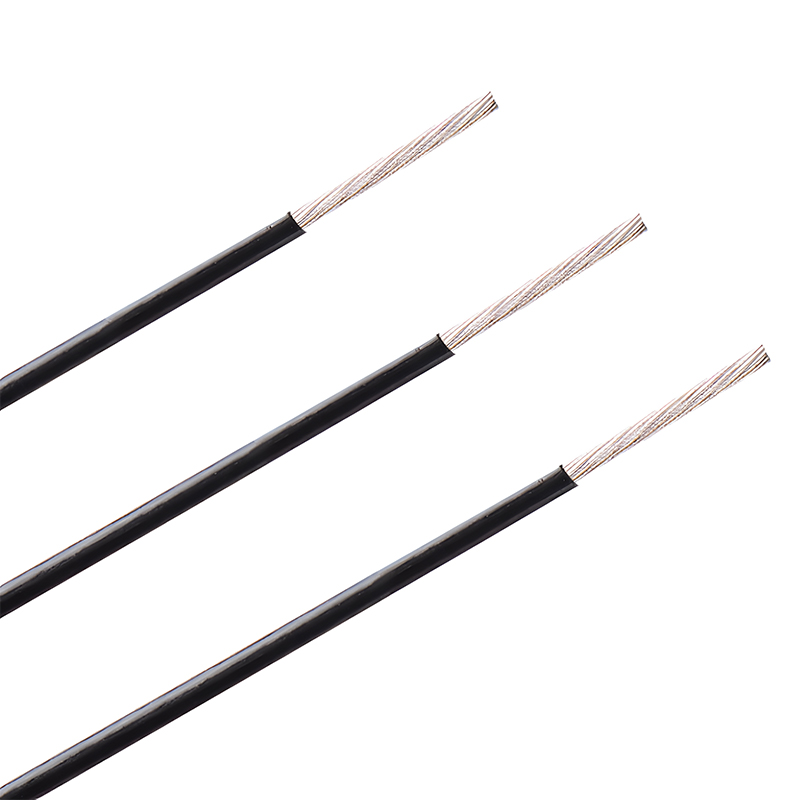
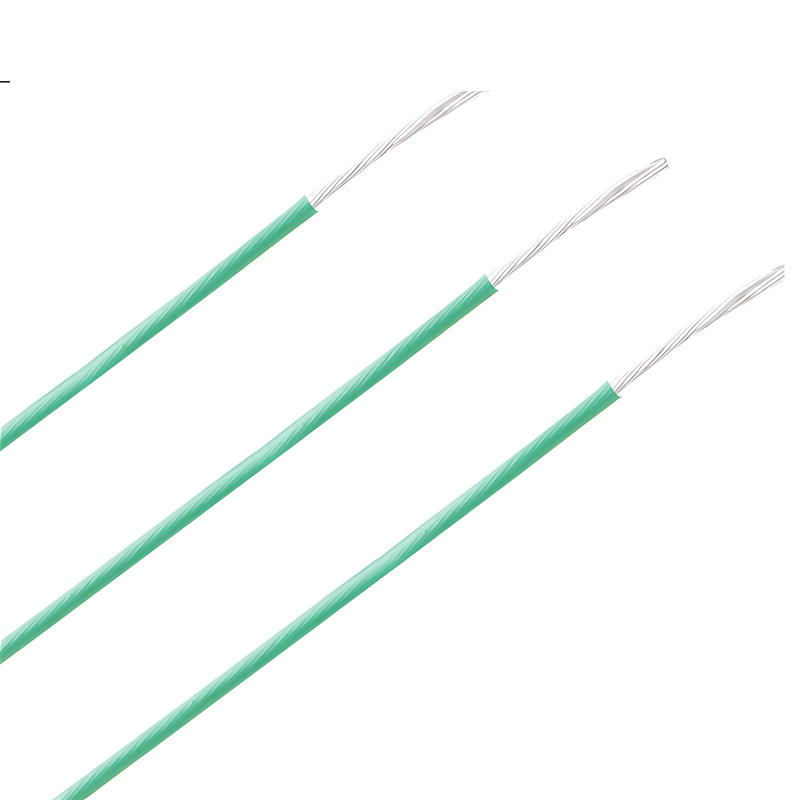
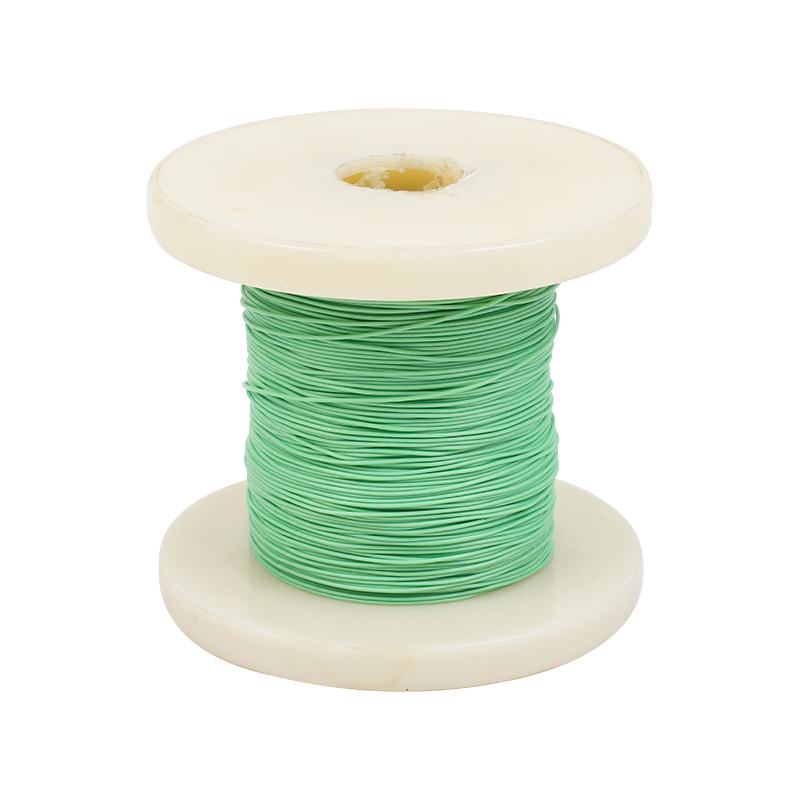
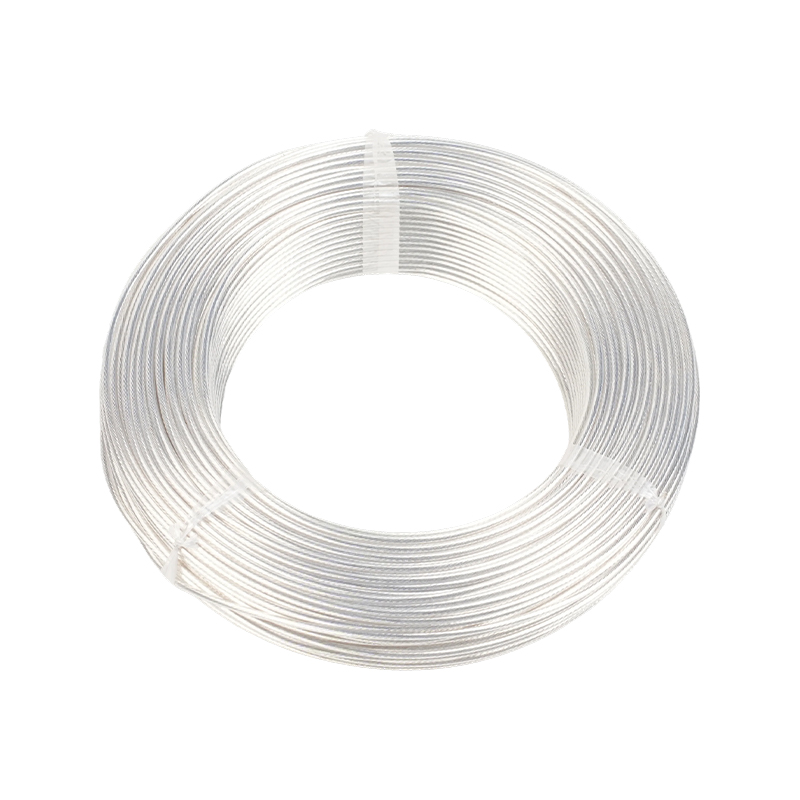
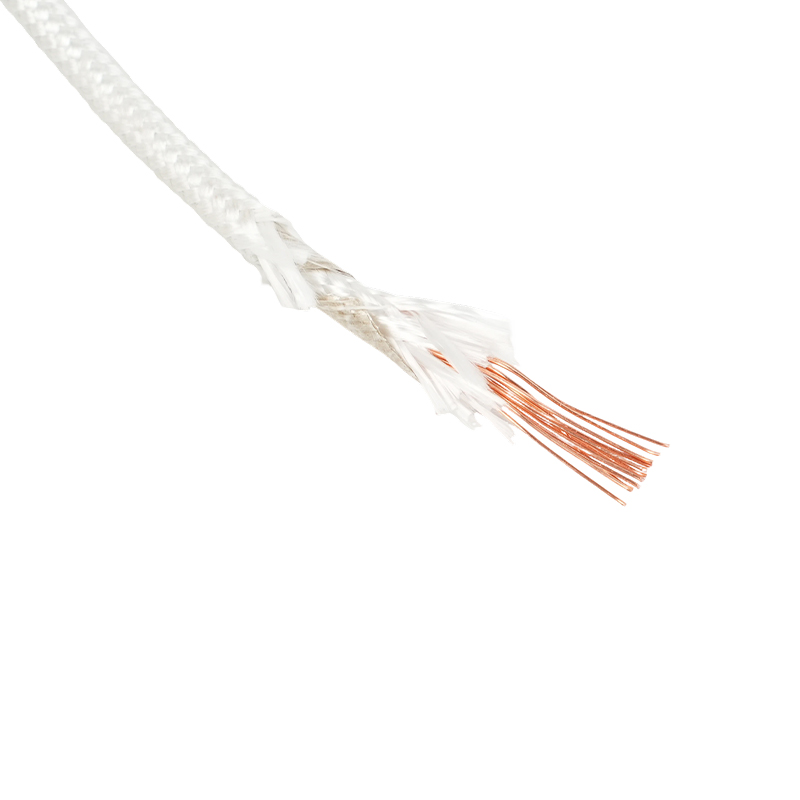
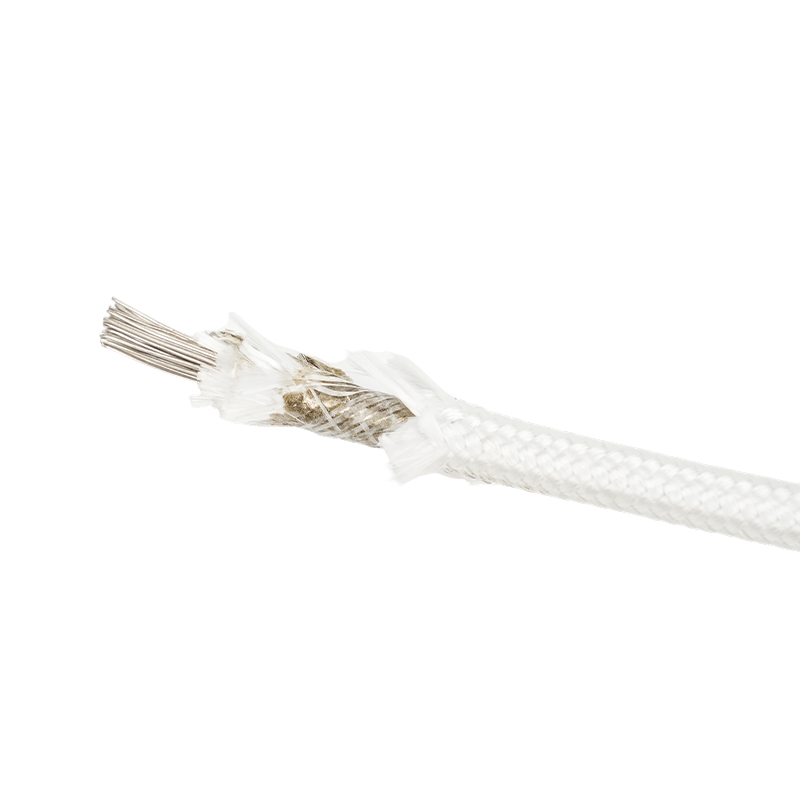
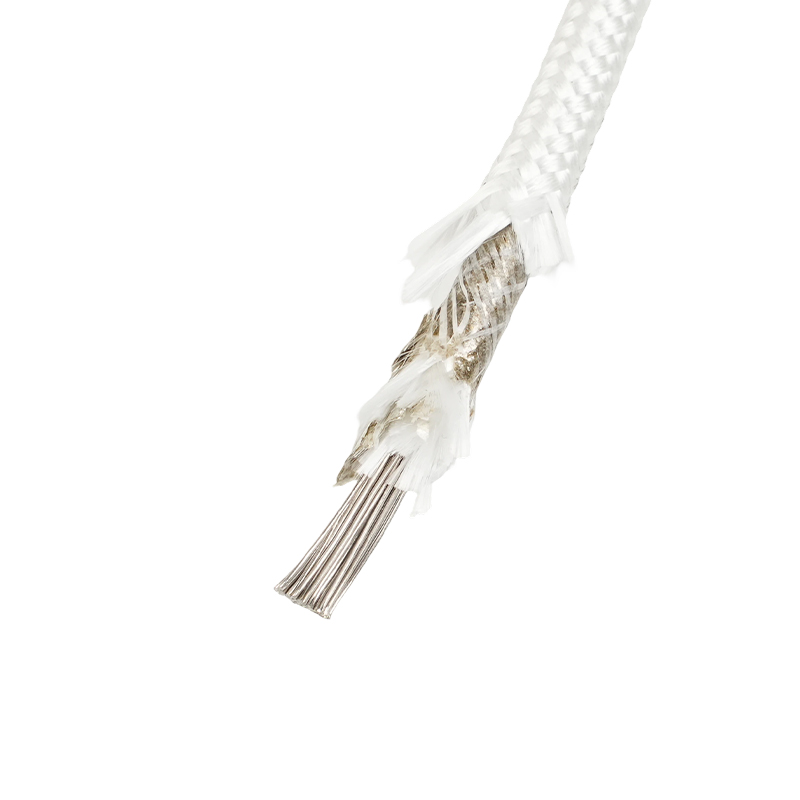
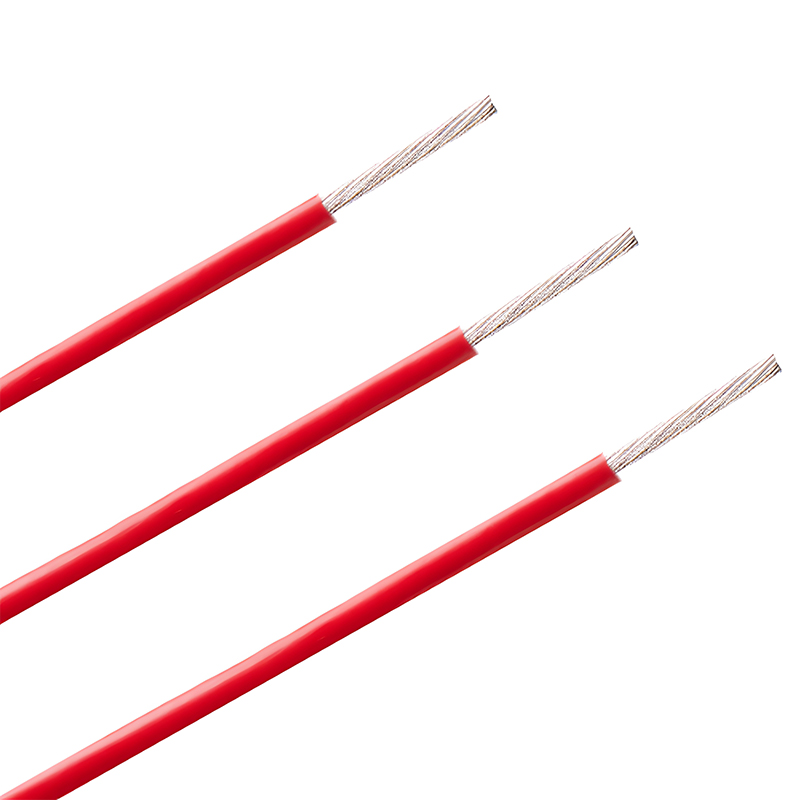
Silicone Wire Wholesale
About Us
Jiangsu Silver& Tin Thread Hi-temperature Wire and Cables Co., Ltd.
Jiangsu Silver& Tin Thread Hi-temperature Wire and Cables Co., Ltd., is China Silicone Wire Supplier and Silicone Wire Factory, founded in Taizhou, Jiangsu Province in 1994, successfully registered the "Yuanzhi" trademark in 2002. The company specializes in the production and R&D of high-quality high-temperature cables. Its products primarily use Teflon, silicone rubber, flame-retardant polyethylene, and fire-resistant mica tape as insulation materials, and pure nickel, silver-plated, nickel-plated, tin-plated, and oxygen-free bare copper wire as conductors. The production process involves more than twenty steps, including wire bundling, cabling, stranding, extrusion, rubber extrusion, shielding, braiding, and coating. The company manufactures nearly a thousand specifications across eight major series, including cables for electrical equipment, control systems, signal transmission, computers, compensation, fire resistance, high and low temperature resistance, and high voltage resistance. Currently, it has the production capacity for conductor cross-sections up to 400mm², voltage up to 100kV, and temperature ratings from -65°C to +1200°C.
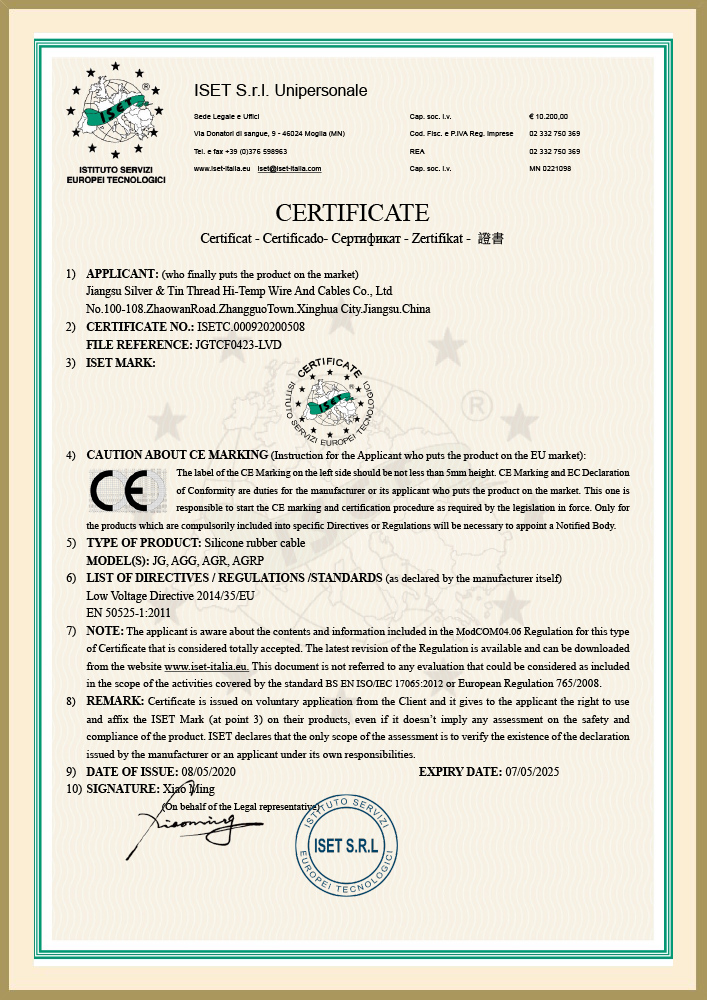
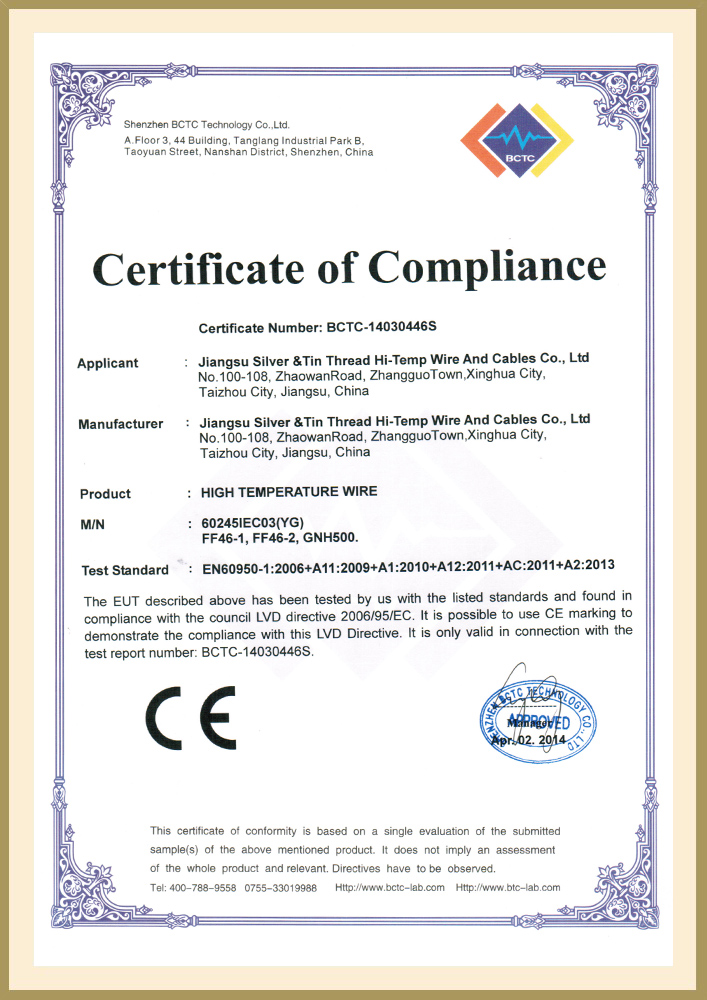
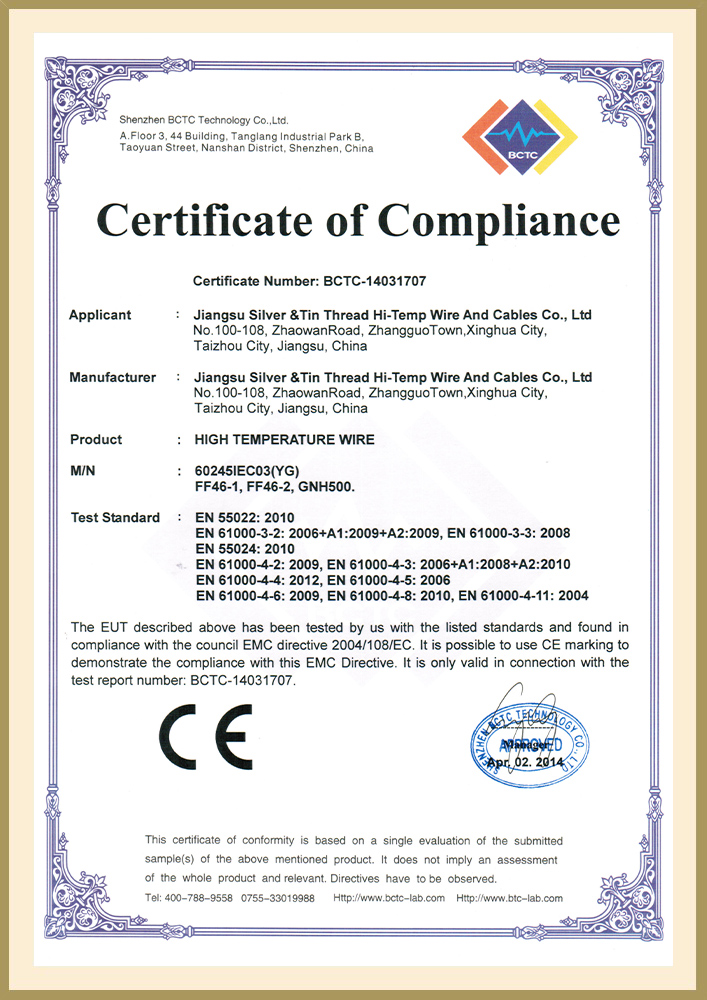
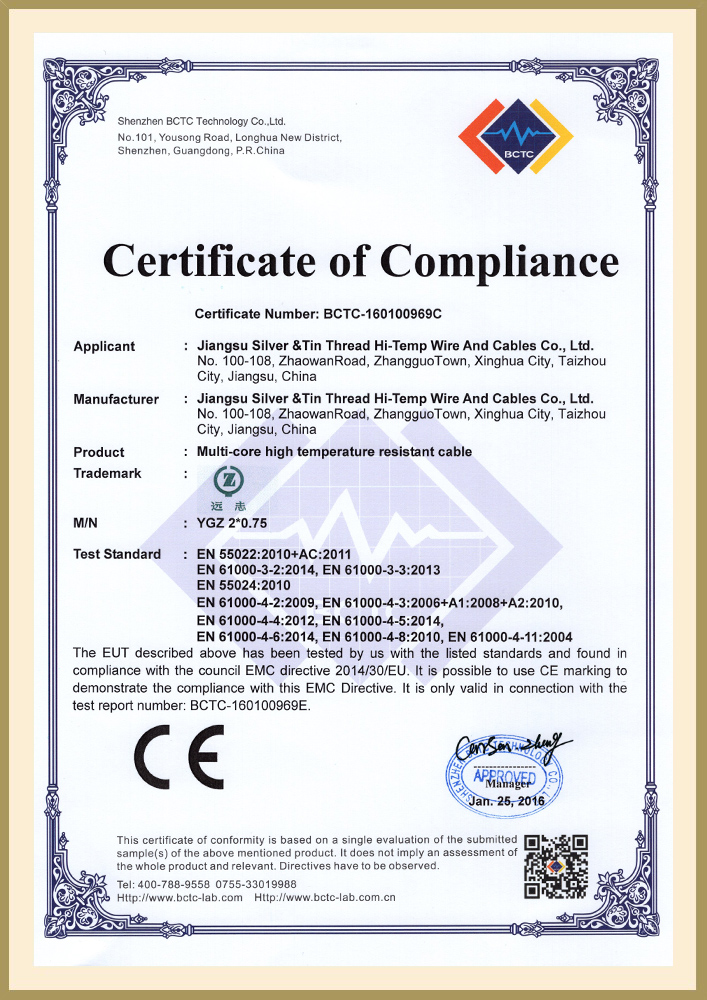
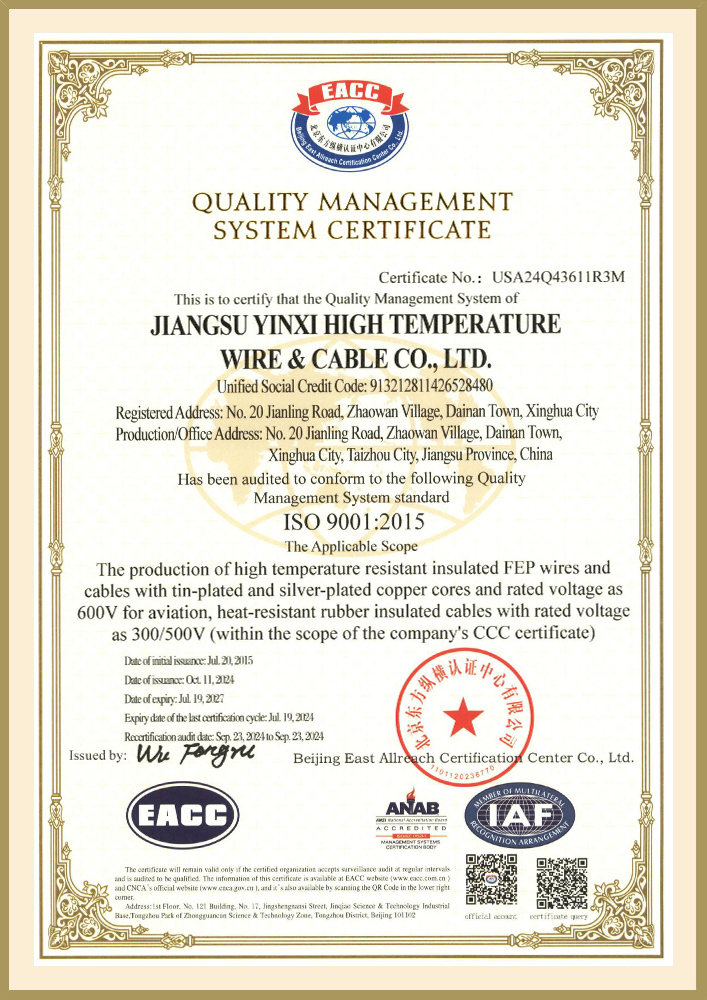
Our company's products are manufactured according to advanced international and national standards. Its garden-style production base has passed ISO9001 quality management system certification and is a "Comprehensive Quality Management Standard Compliance" enterprise certified by the Ministry of Agriculture. Our products have received CCC quality certification, UL safety certification (USA), and have been recognized as a "Famous Product of Township Enterprises in Jiangsu Province." They have passed the full sampling inspections conducted by the National Wire and Cable Testing Center, the Provincial Quality Supervision and Testing Center, and the Taizhou Municipal Bureau of Quality and Technical Supervision. Listed as a "Key Protected Product of Taizhou City," our products are used by large enterprises like Chunlan and high-tech fields such as the 95856th Unit of the Ministry of Aerospace Industry. Some products are exported. To further demonstrate our commitment to providing peace of mind to our customers, our products have been insured with the People's Insurance Company of China for many years. We are a company that "honors contracts and keeps promises."
Our company will continue to adhere to the quality policy of "meticulous quality control, unwavering commitment to customers, and technological advancement for enterprise development," with "customer satisfaction" as our guiding principle, and comprehensively expand the "Yuanzhi" business.
Certificate Of Honor
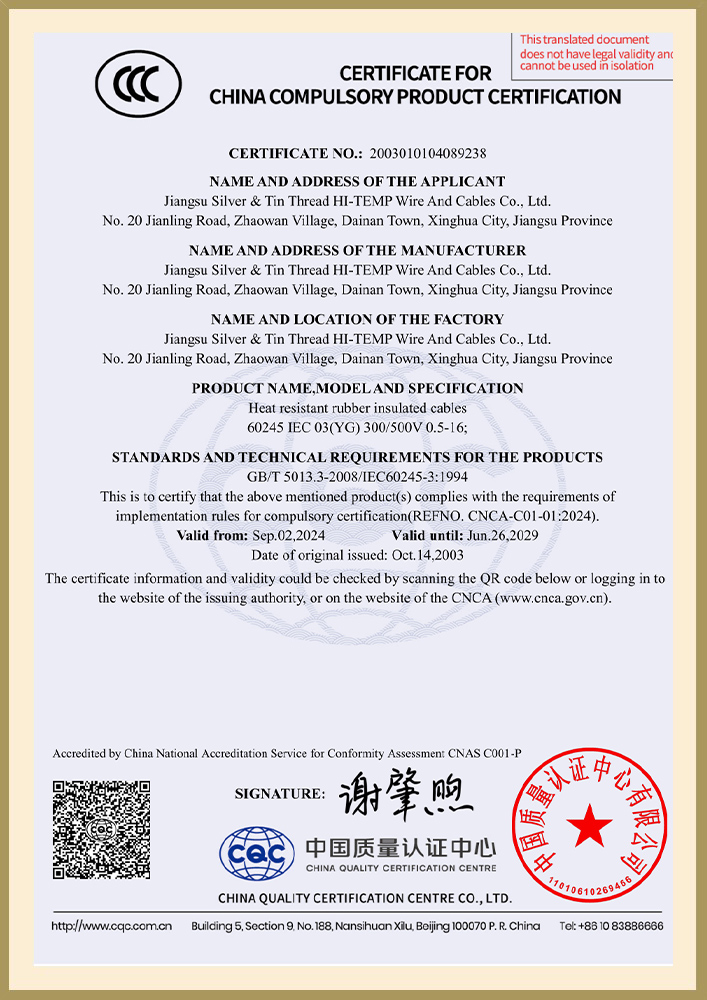
  • Certificate For China Compulsory Product Certification
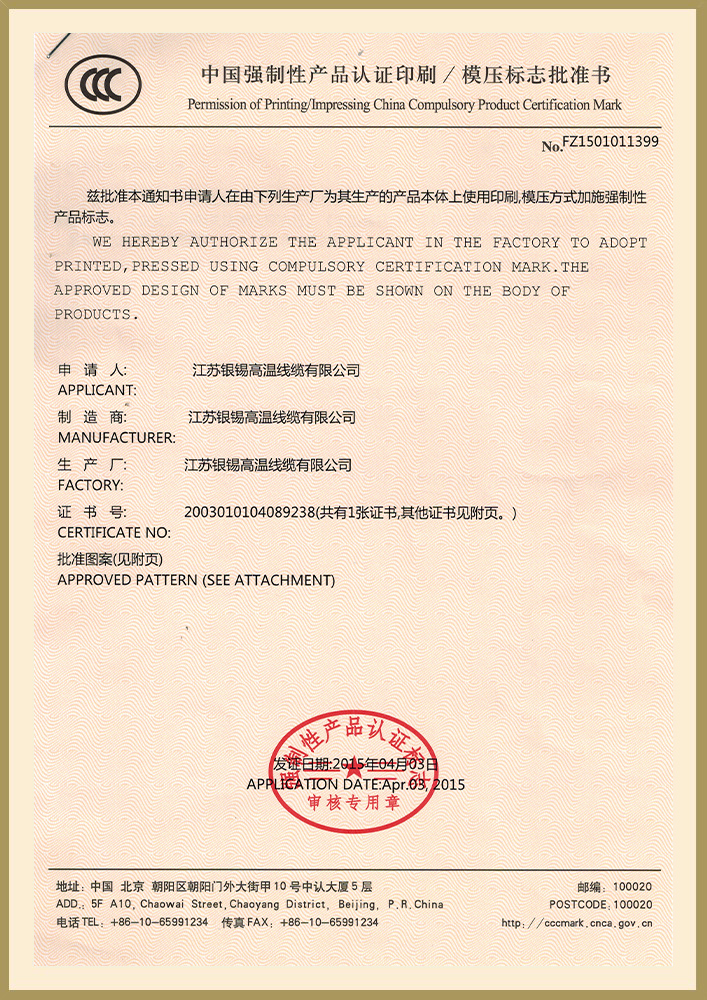
  • Certificate of Approval for the Printing/Embossing of the China Compulsory Product Certification Mark
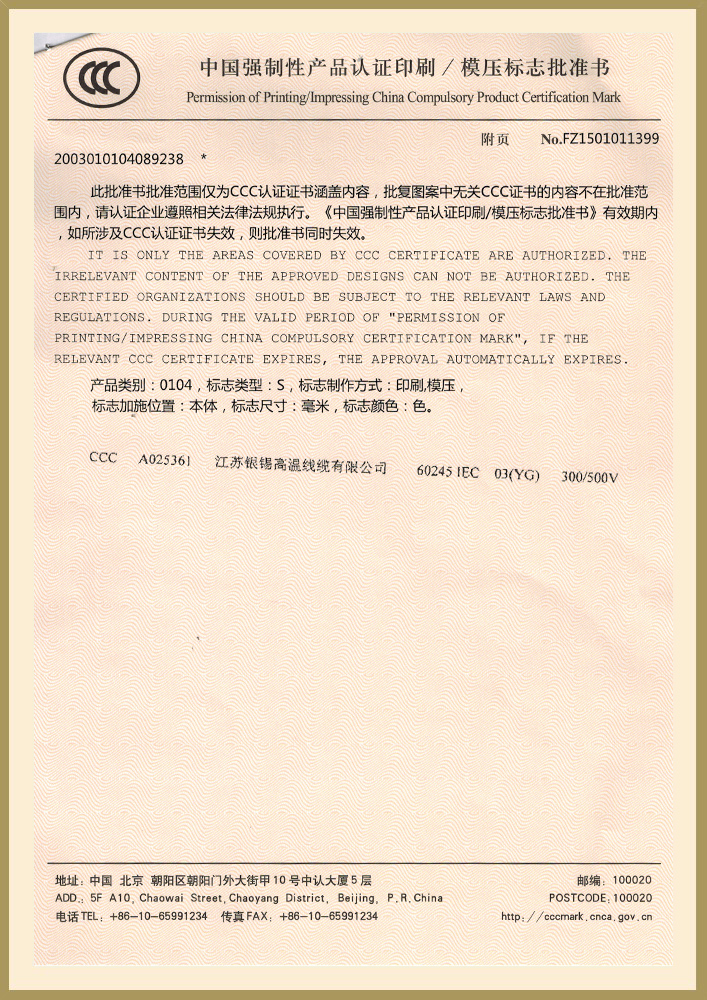
  • Certificate of Approval for the Printing/Embossing of the China Compulsory Product Certification Mark
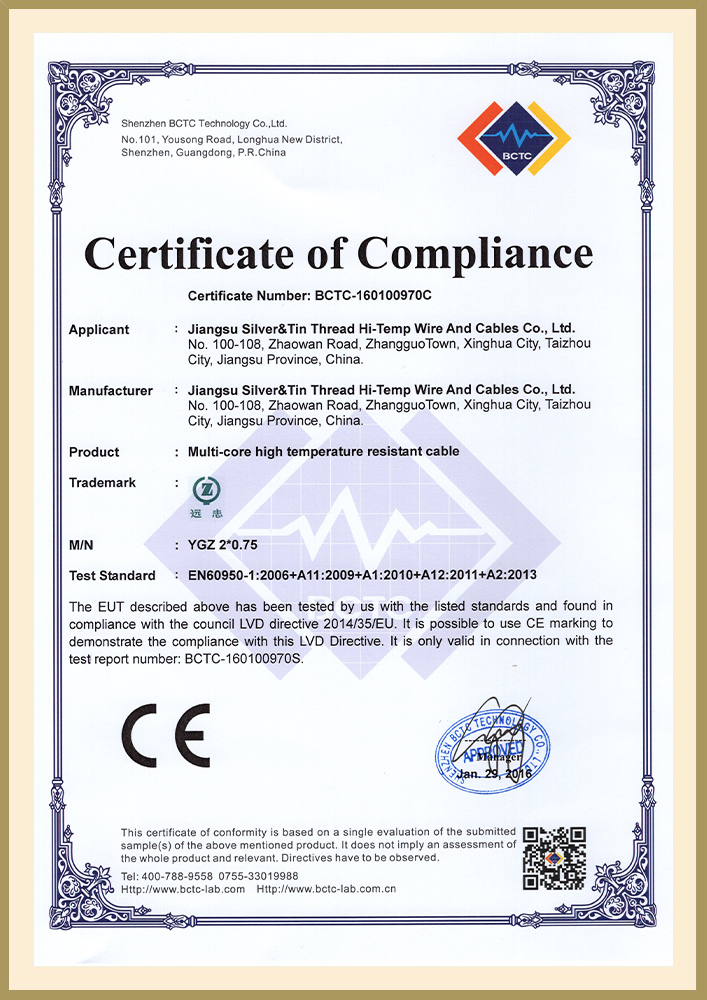
  • CE-LVD EU Certificate of Conformity
  • Certificate of Compliance
  • Certificate of Compliance
  • Certificate of Compliance
  • Certificate of Compliance
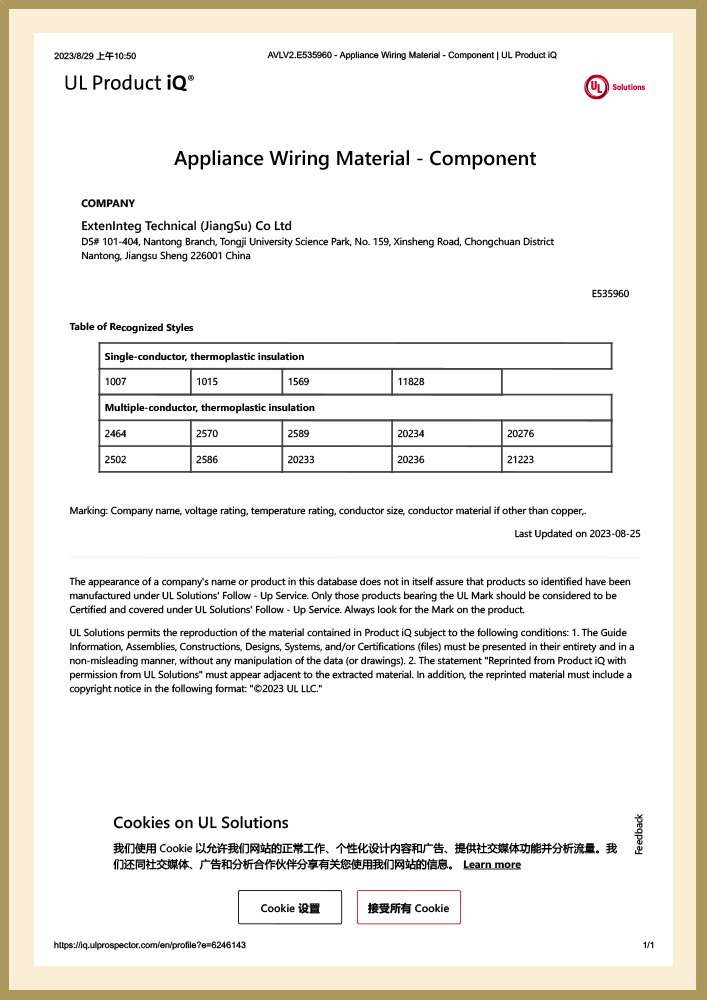
  • Appliance Wiring Material - Component
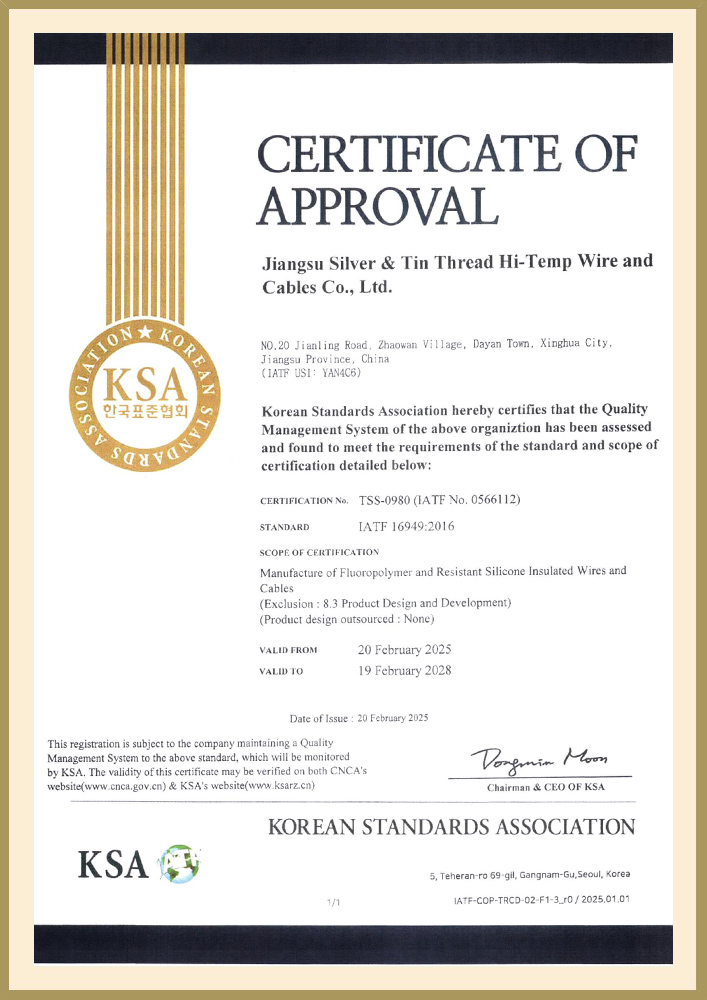
  • Certificate Of Approval
  • Certificate Of Approval
  • Quality Management System Certificate
News & Blogs
Message Feedback
Silicone Wire Industry knowledge

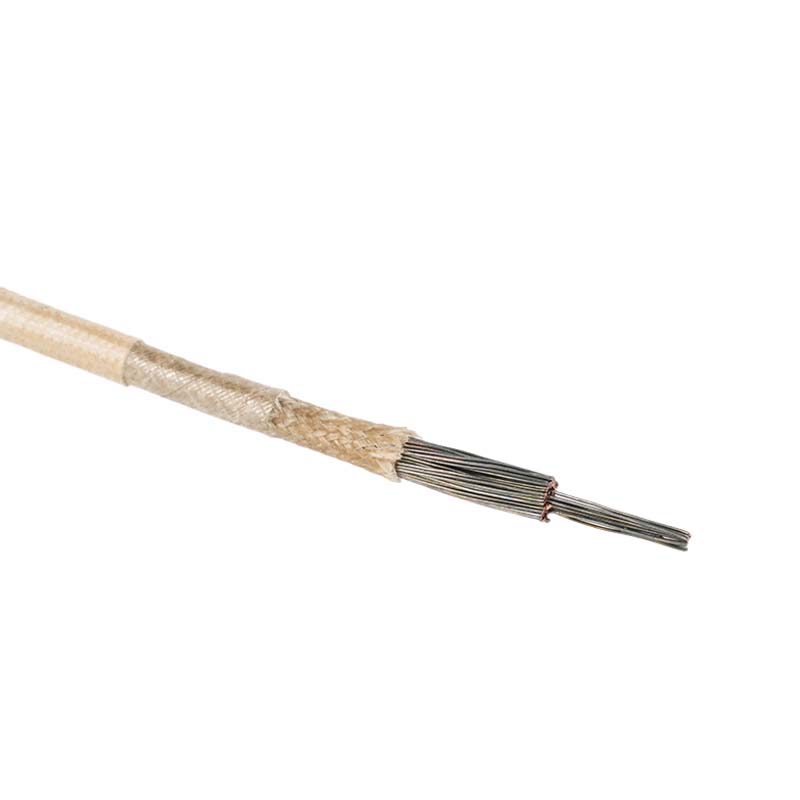
In the hierarchy of high-temperature insulation, silicone rubber stands out as the premier choice for applications requiring extreme mechanical flexibility and stable electrical performance. While rigid materials like Teflon may crack under repetitive motion, silicone rubber wires from Jiangsu Silver& Tin Thread Hi-temperature Wire and Cables Co., Ltd. maintain their supple, rubber-like properties across a vast temperature spectrum from -60°C to +200°C.

The fundamental advantage of silicone insulation is its atomic structure, which consists of alternating silicon and oxygen atoms. This "siloxane" backbone provides superior resistance to UV radiation, ozone, and weathering, making it the definitive conclusion for engineers seeking a long-lasting, flexible conductor for heavy-duty industrial motors, new energy vehicles, and household heating appliances.

Technical Performance Matrix: Silicone vs. Standard Insulation

To understand why silicone is essential for high-performance environments, it is helpful to compare its physical characteristics against common thermoplastic materials like PVC or XLPE.

Property Silicone Rubber Standard PVC XLPE
Temperature Range -60°C to +200°C -20°C to +80°C -40°C to +125°C
Bending Radius 4-6 x Outer Diameter 10-15 x OD 12 x OD
Dielectric Strength High (Up to 50kV) Moderate High
Environmental Stability Excellent (UV/Ozone) Poor Good

Advanced Manufacturing of Flexible Conductors

The flexibility of a silicone wire is not solely dependent on the rubber insulation; the conductor geometry plays a vital role. At Jiangsu Silver& Tin Thread, we utilize ultra-fine multi-strand braiding techniques to maximize the wire's torsion resistance.

Tin-Plated Oxygen-Free Copper (OFC)

Silicone rubber manufacturing involves a vulcanization process. To prevent the sulfur in the rubber from reacting with the copper core, we utilize 99.99% purity oxygen-free copper with high-density tin plating. This ensures the conductor remains corrosion-free and maintains excellent solderability for decades.

High-Voltage Silicone Insulation (up to 100kV)

For specialized applications such as medical X-ray machines or high-voltage transformers, we offer thick-wall silicone extrusion. Our advanced testing lab subjects these wires to 100kV breakdown trials to ensure zero insulation failure under extreme electrical stress.

Primary Industry Applications for Silicone Wire

Our silicone wires are engineered to solve specific challenges in high-heat and high-motion environments.

  • Industrial Motors & Transformers: High-temperature silicone lead wires are used for internal connections that must withstand constant thermal cycling and vibration.
  • New Energy Vehicles (EV): Our high-voltage silicone cables are the preferred choice for EV battery packs and motor controllers, providing the flexibility required for tight routing and the heat resistance needed for rapid charging.
  • Heating Elements & Appliances: Used extensively in coffee makers, ovens, and industrial heaters where wires are in close proximity to heating coils.
  • Lighting Industry: Critical for high-wattage HID and LED floodlights that generate significant ambient heat.

Manufacturing Excellence: Why Choose Jiangsu Silver& Tin Thread?

With over 30 years of experience, Jiangsu Silver& Tin Thread Hi-temperature Wire and Cables Co., Ltd. has mastered the complex chemistry of silicone vulcanization.

Our production lines are equipped with laser-guided diameter controllers to ensure precise insulation thickness, which is critical for maintaining voltage ratings. We are fully ISO9001 and IATF16949 certified, and our silicone wire products carry UL, CE, and CCC safety listings. For added security, every meter of "Yuanzhi" brand wire is insured by PICC (People's Insurance Company of China).

Silicone Wire Technical FAQ

1.Is silicone rubber wire fireproof?

Silicone is flame-retardant and self-extinguishing. When exposed to fire, it leaves behind a non-conductive silica ash (SiO2) that can provide a limited degree of insulation for a short time. However, for true 1000°C fire-rated integrity, we recommend our Mica-composite series.

2.Does silicone wire absorb moisture?

Silicone has very low moisture absorption (typically less than 1%), making it suitable for high-humidity environments. However, it is slightly permeable to steam over long periods, so specialized extruded versions are used for direct steam exposure.

3.Can silicone wires be used in oily environments?

While silicone has moderate oil resistance, it can swell if constantly submerged in certain fuels or oils. For environments with constant hydrocarbon exposure, we recommend our Teflon-insulated wires, which are chemically inert.

4.What is the minimum bending radius?

Generally, our silicone rubber wires can be safely bent to a radius of 4 times the outer diameter for static applications and 6-8 times for dynamic applications, which is significantly tighter than PVC or Teflon wires.