

 English
 русский
 Español
 عربى
عربى





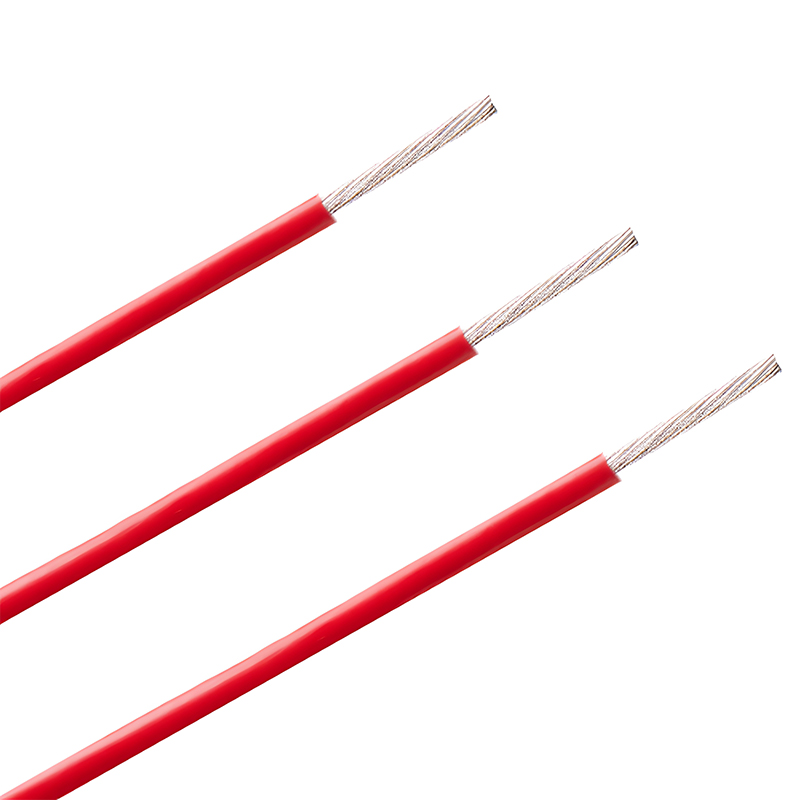

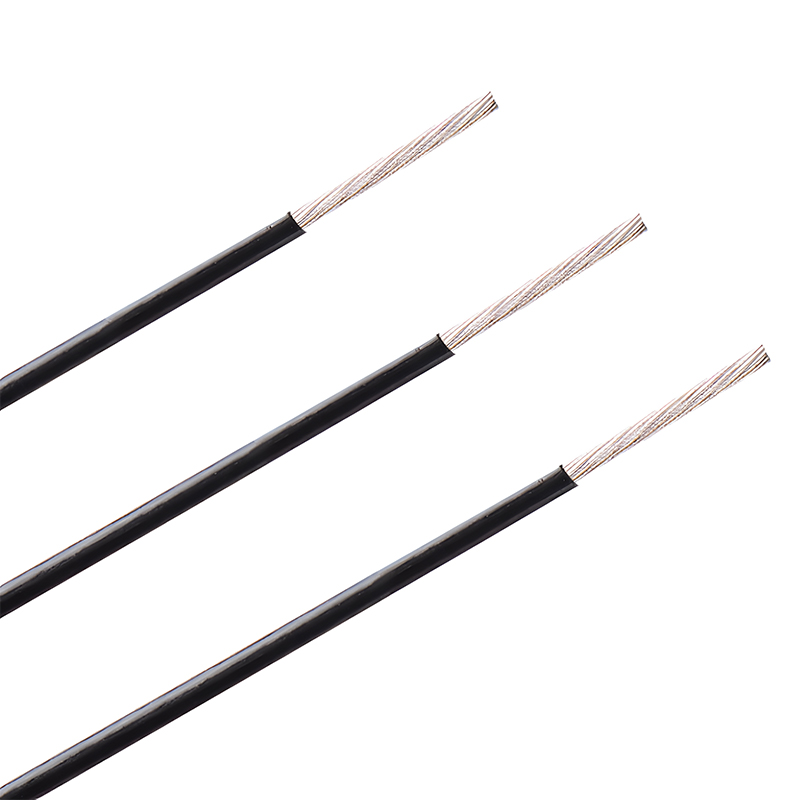
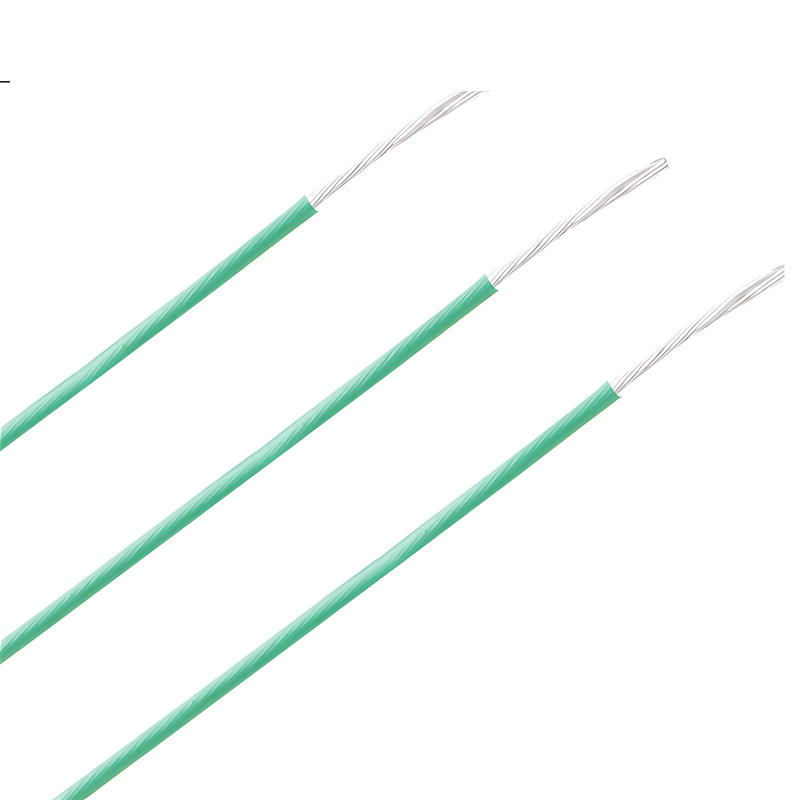
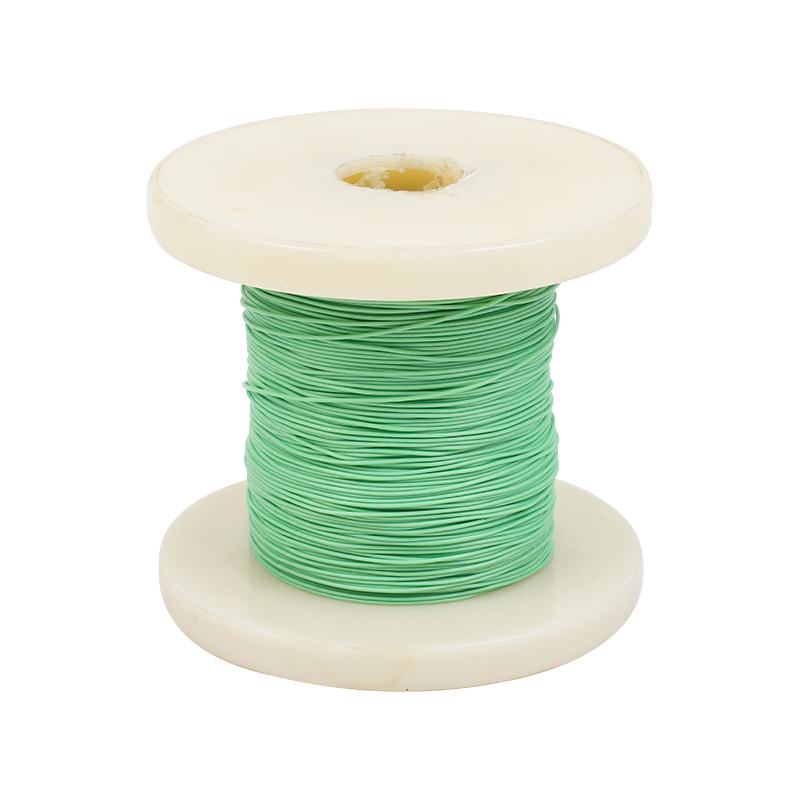
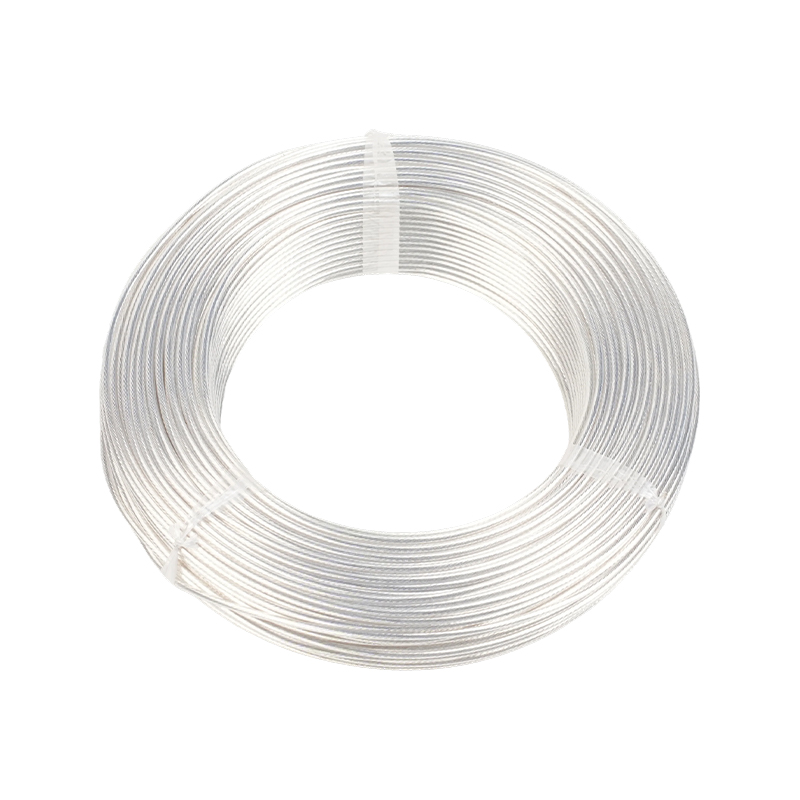
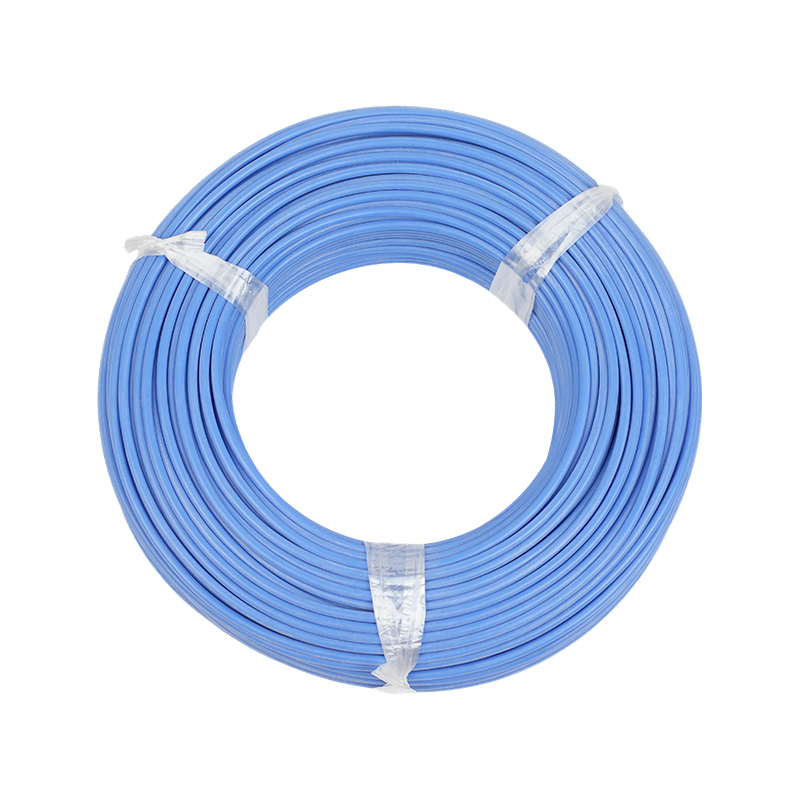
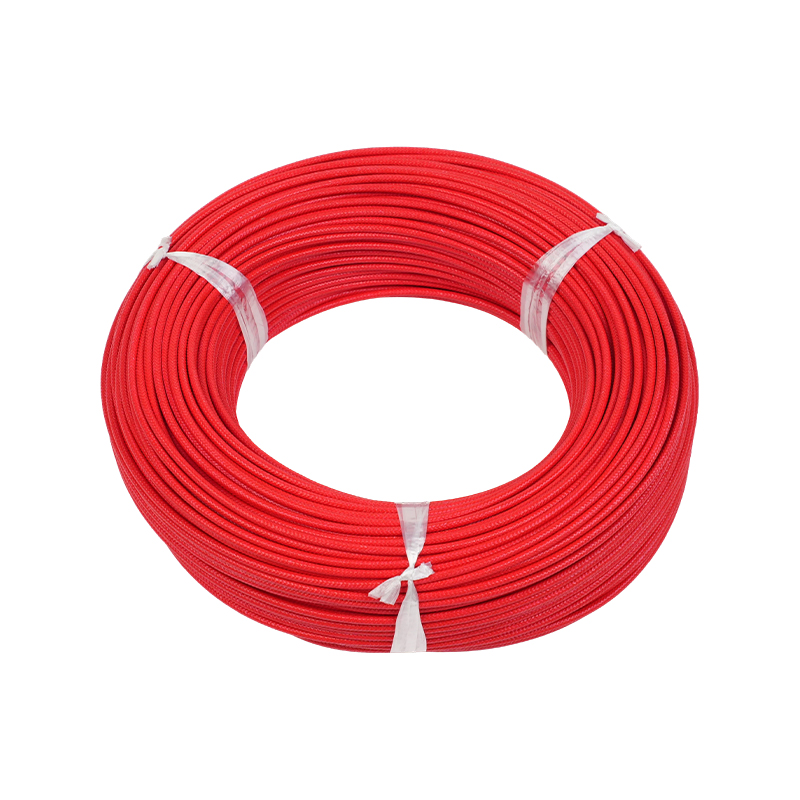
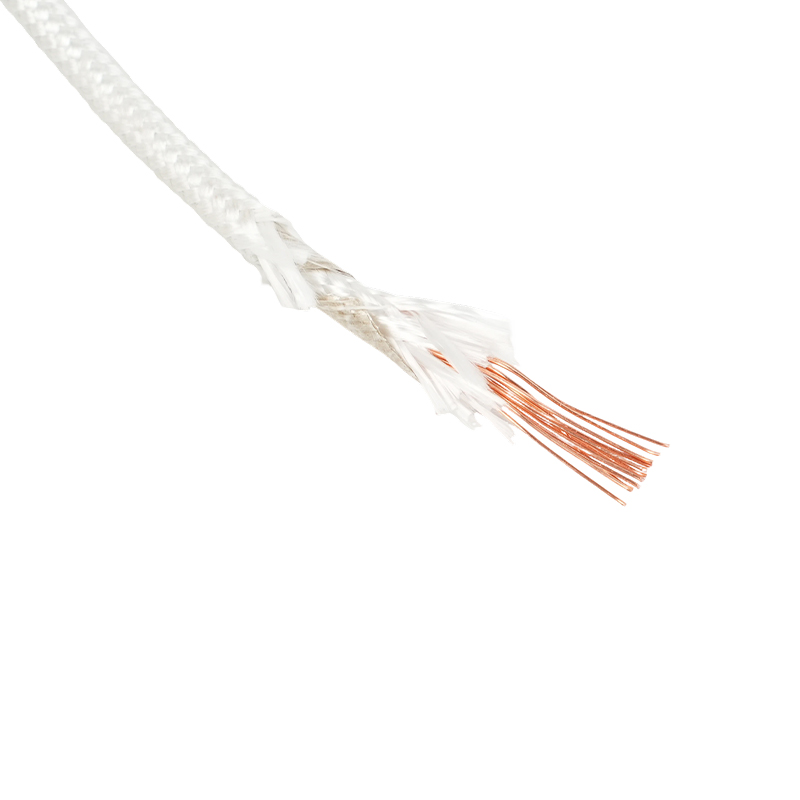
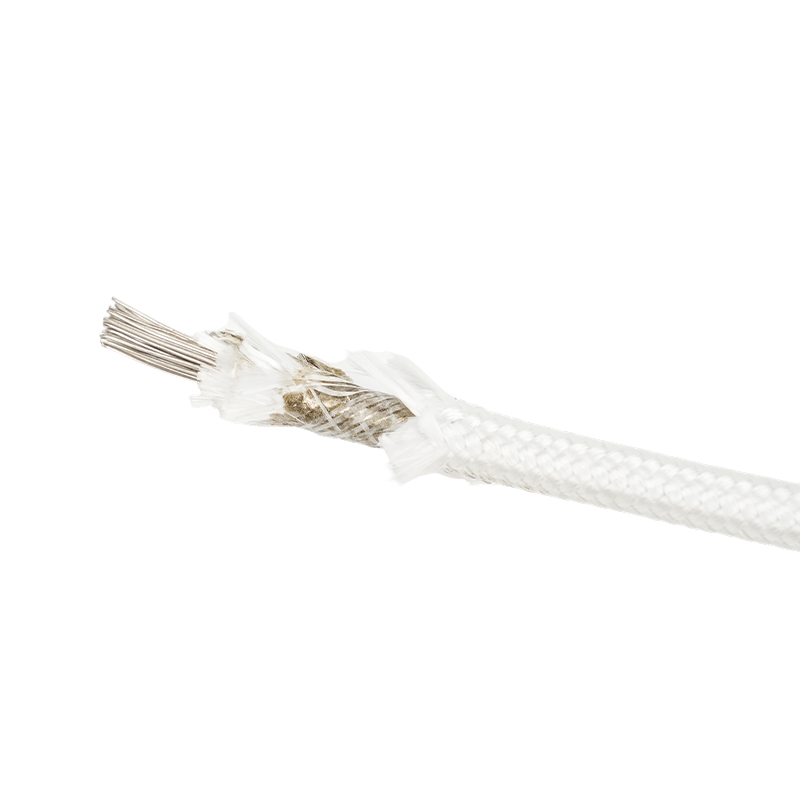
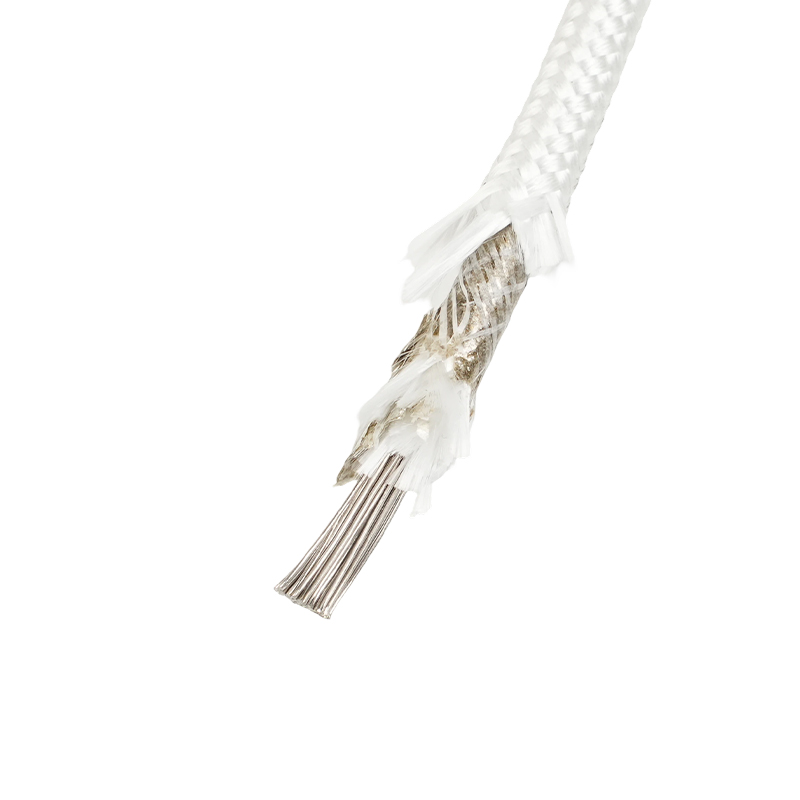
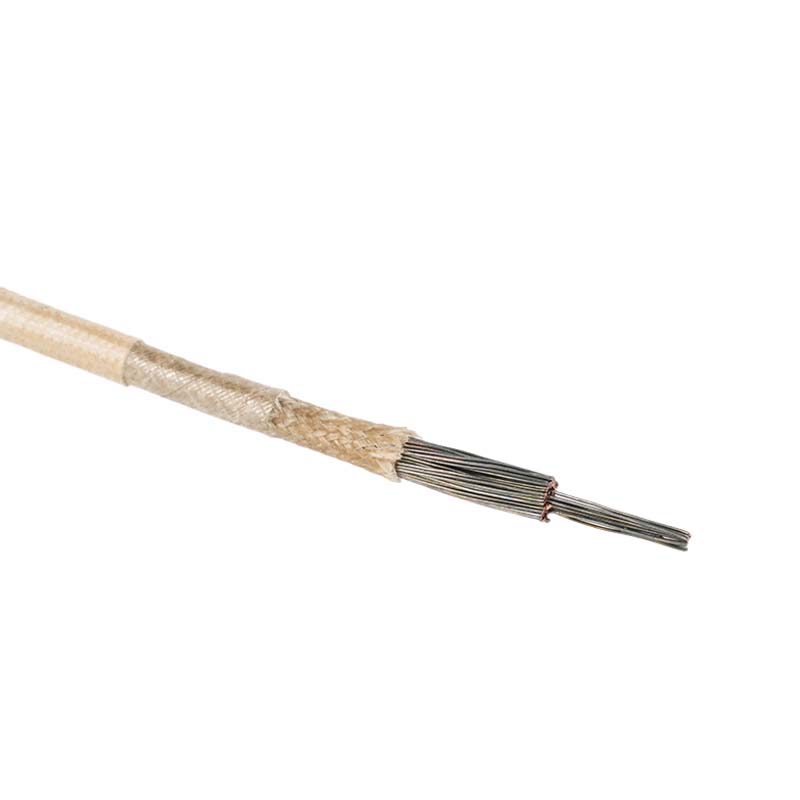
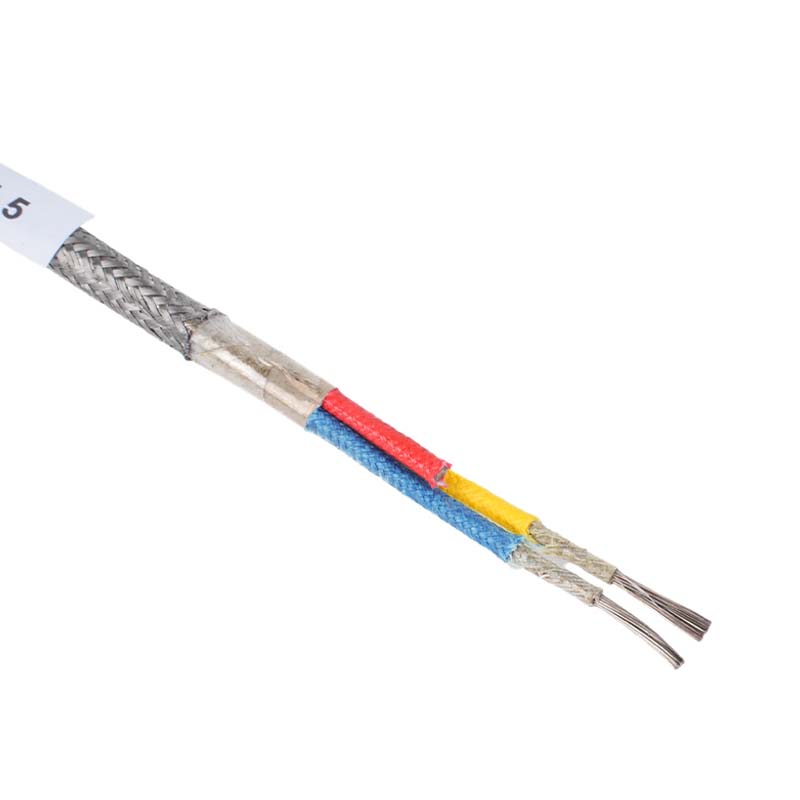
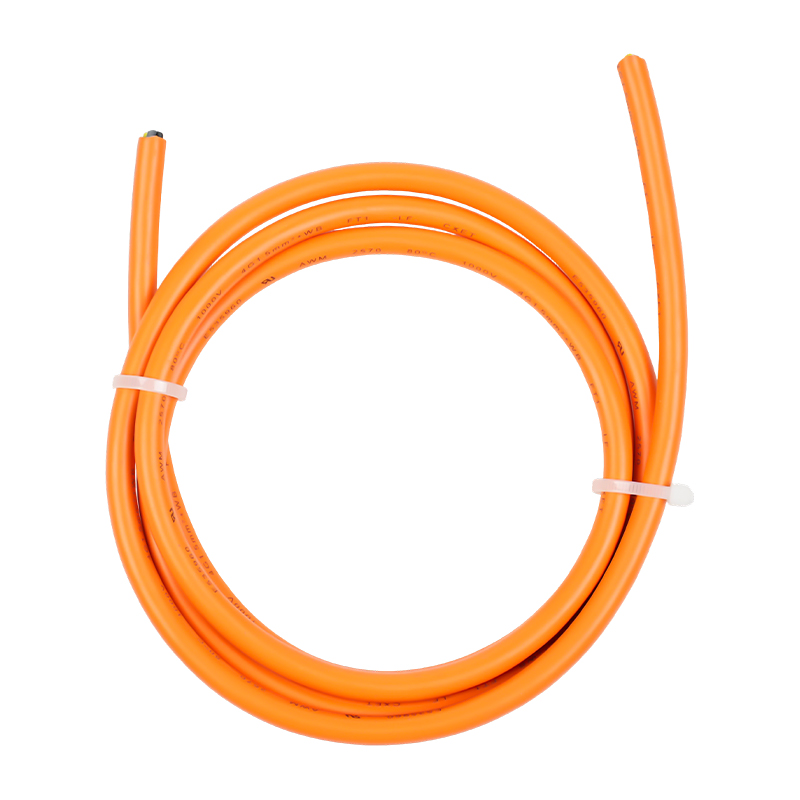
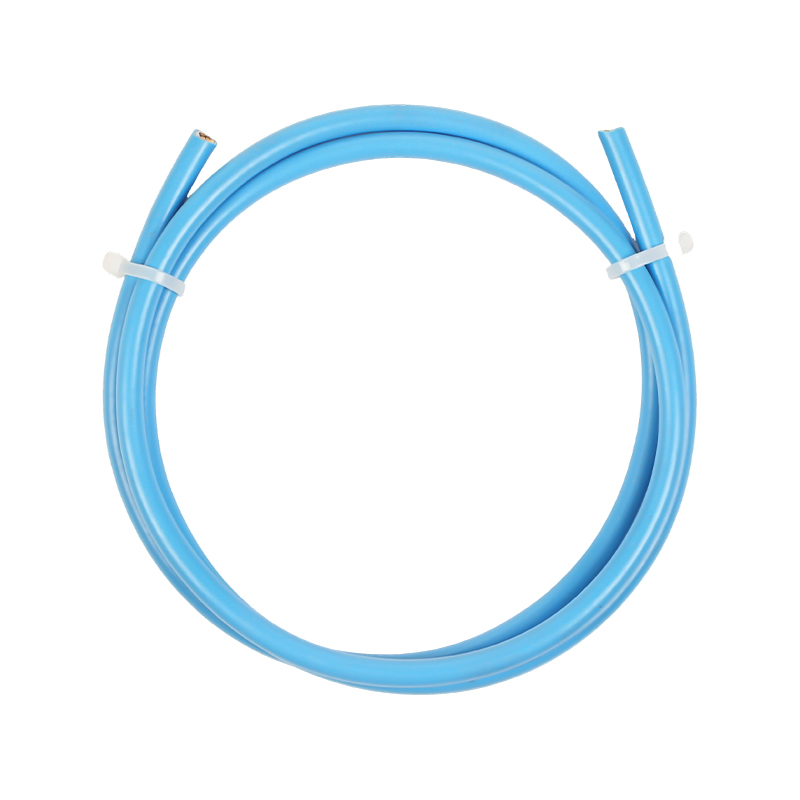
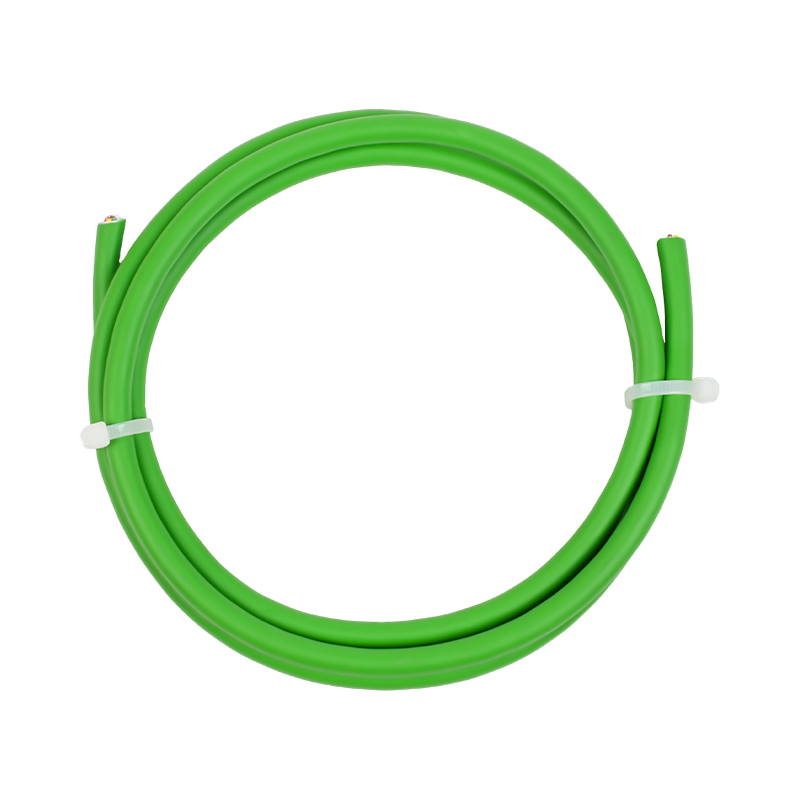
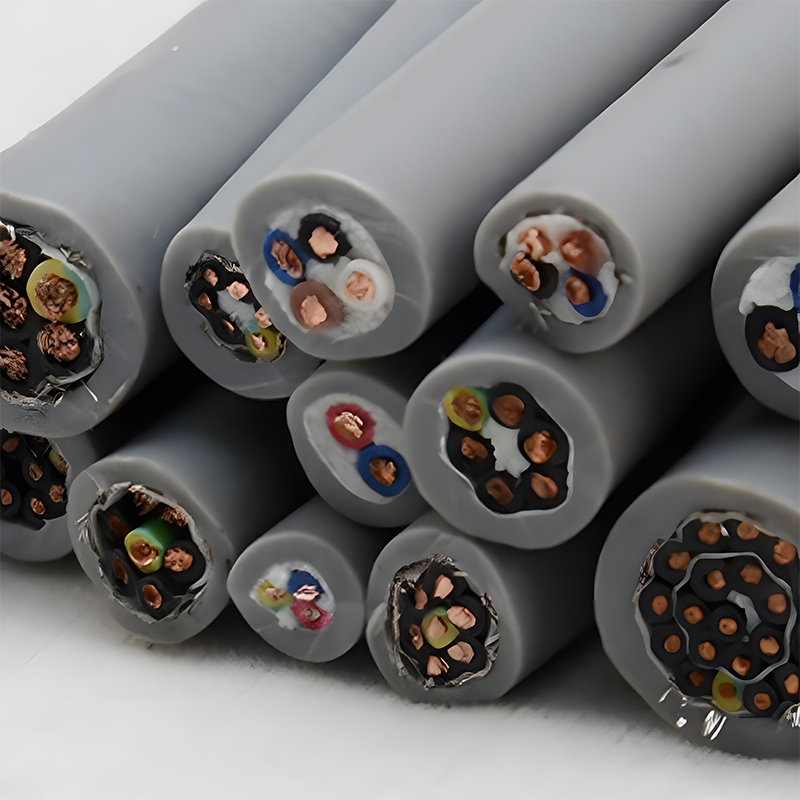
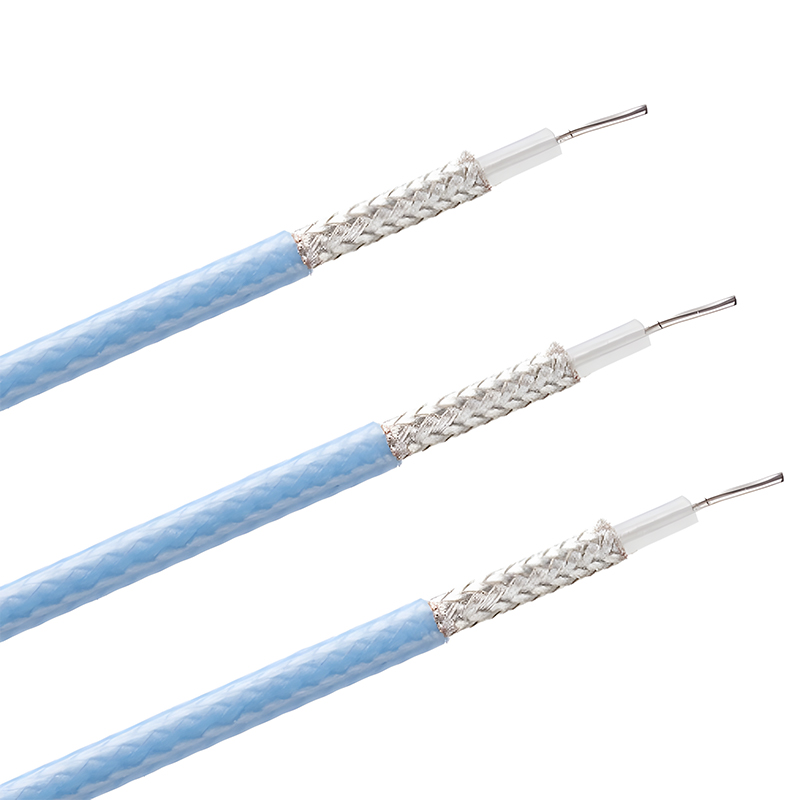
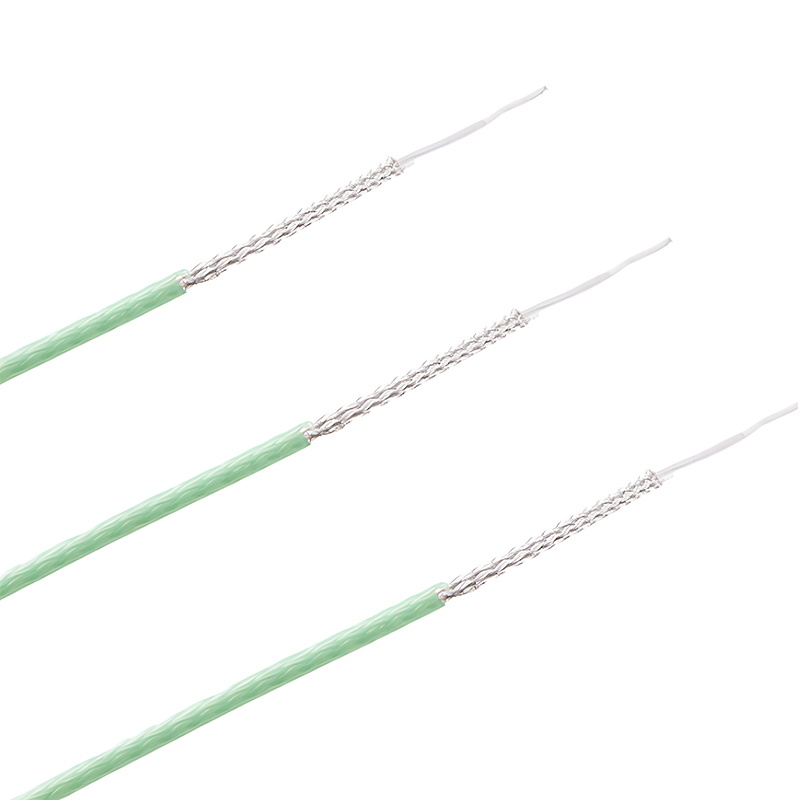
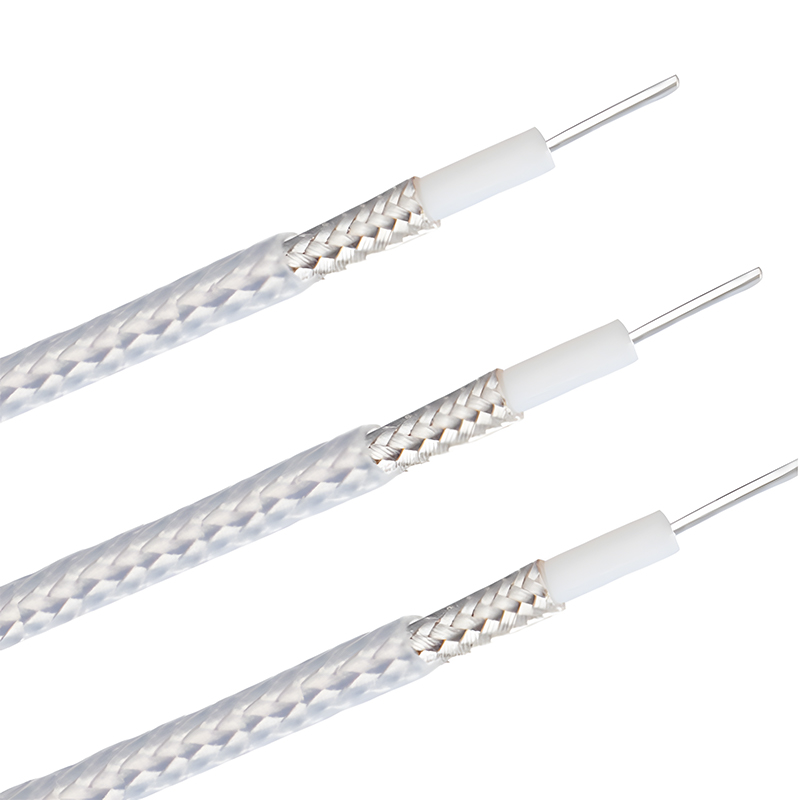
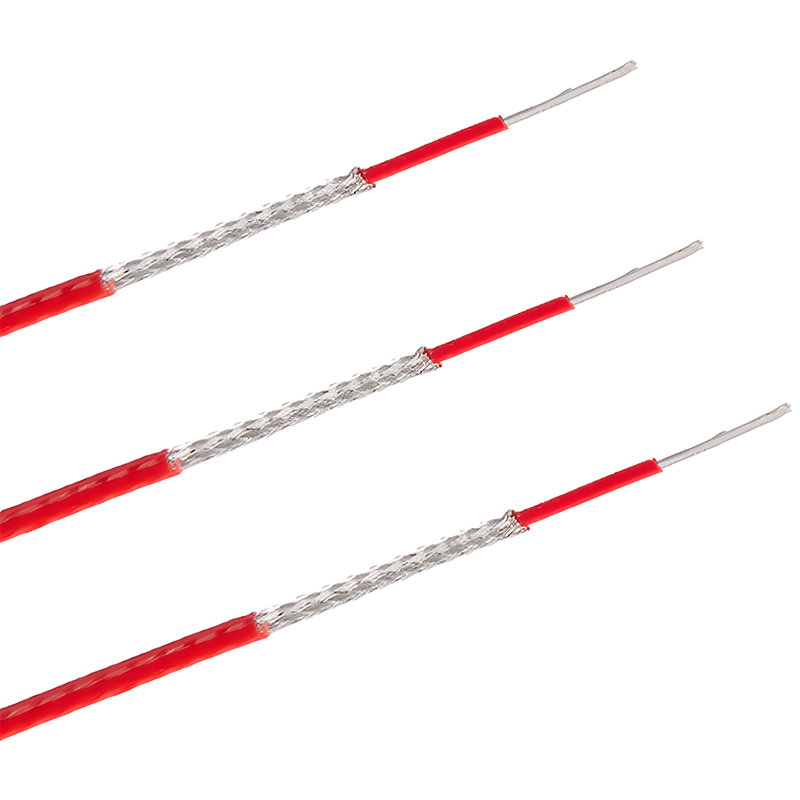
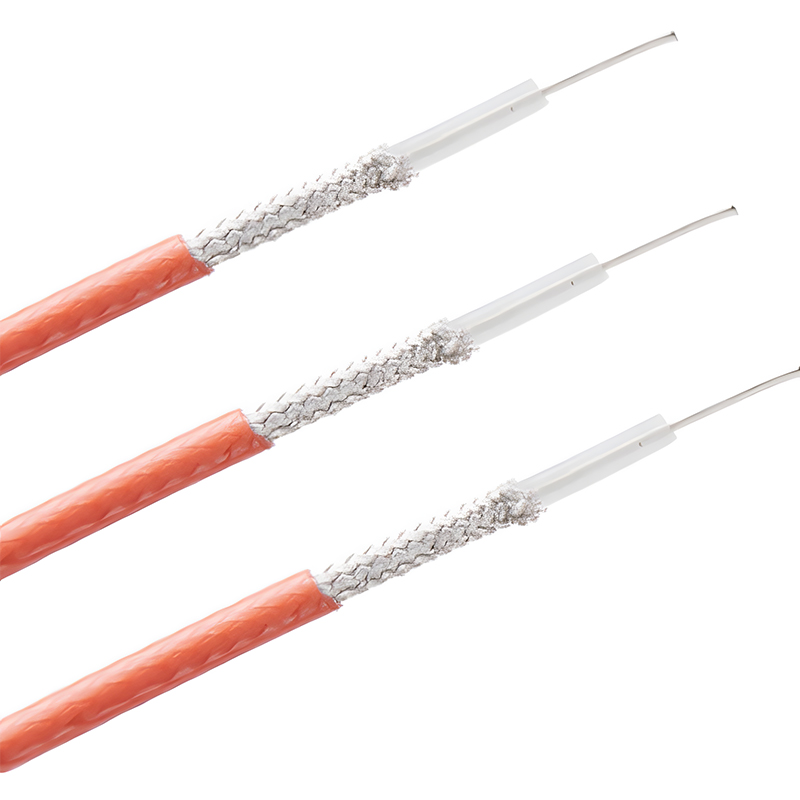
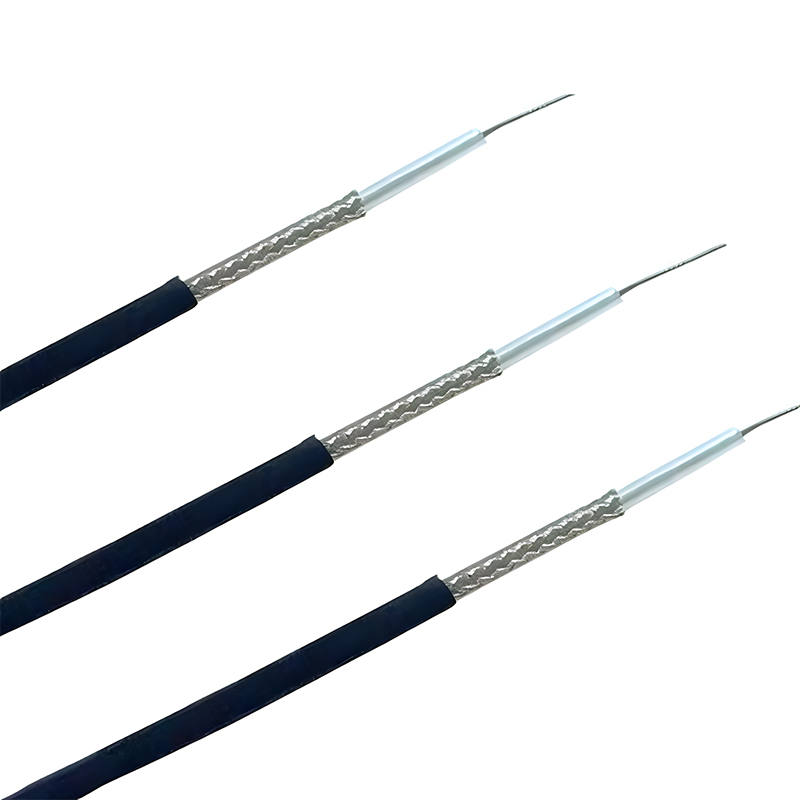
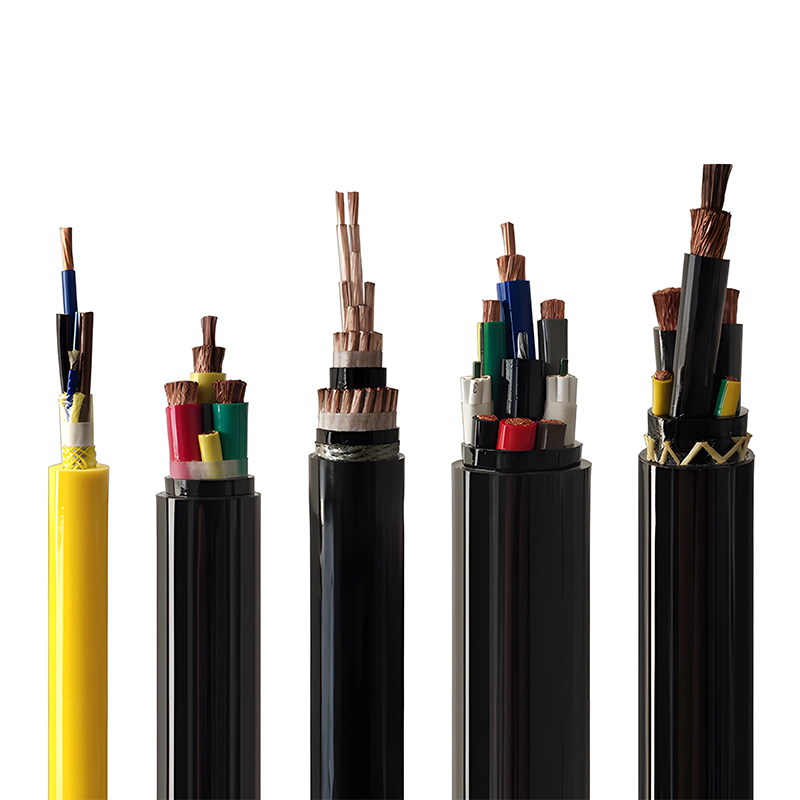
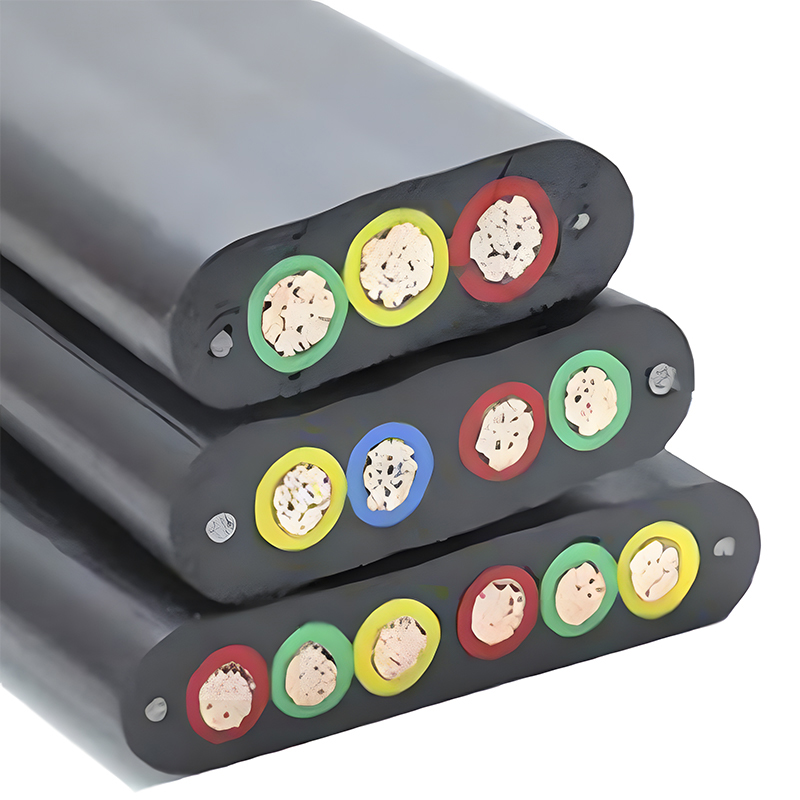
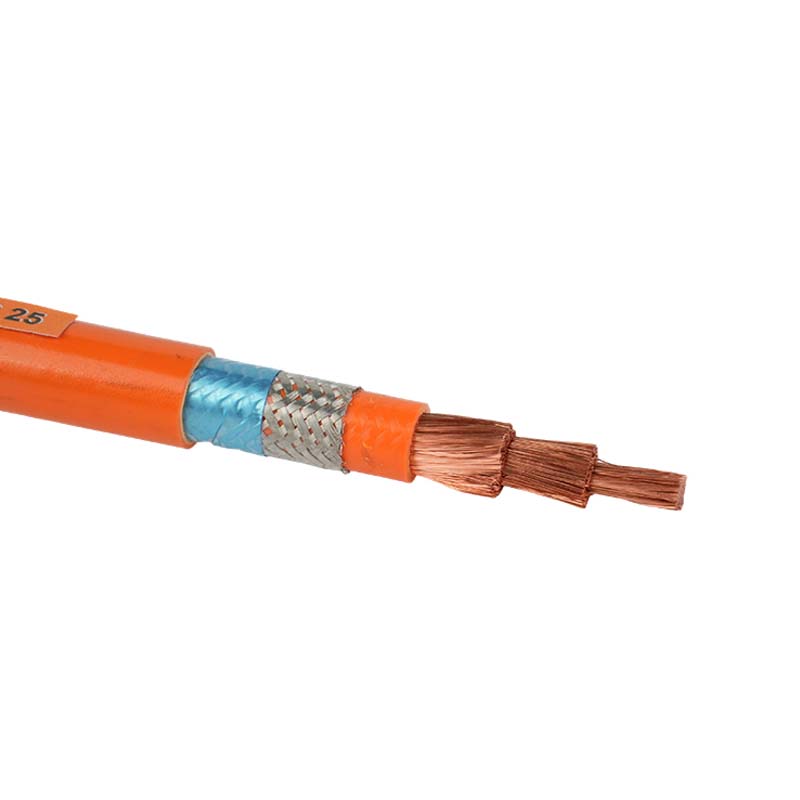
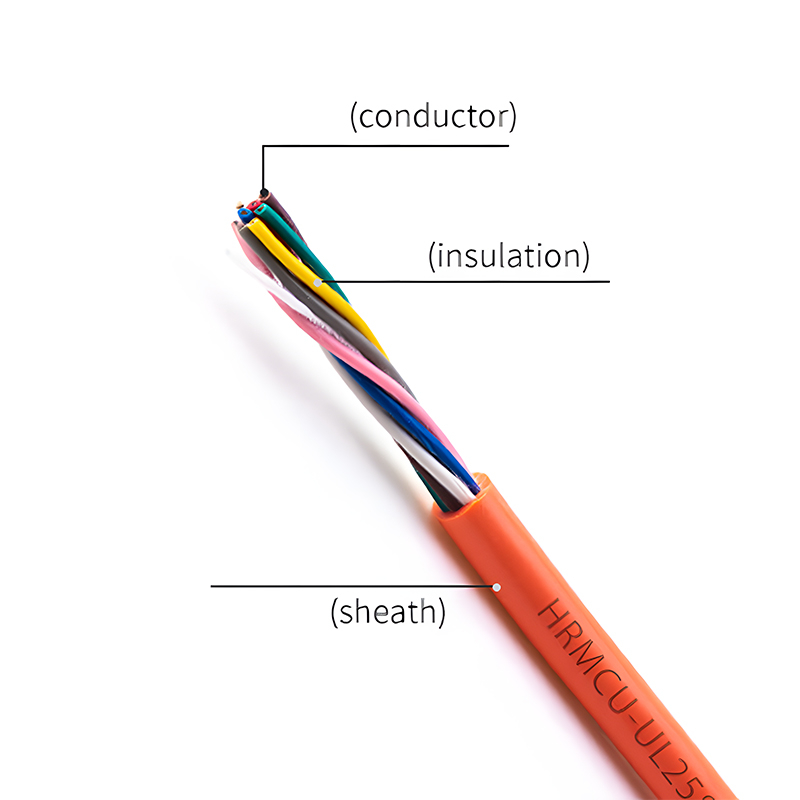
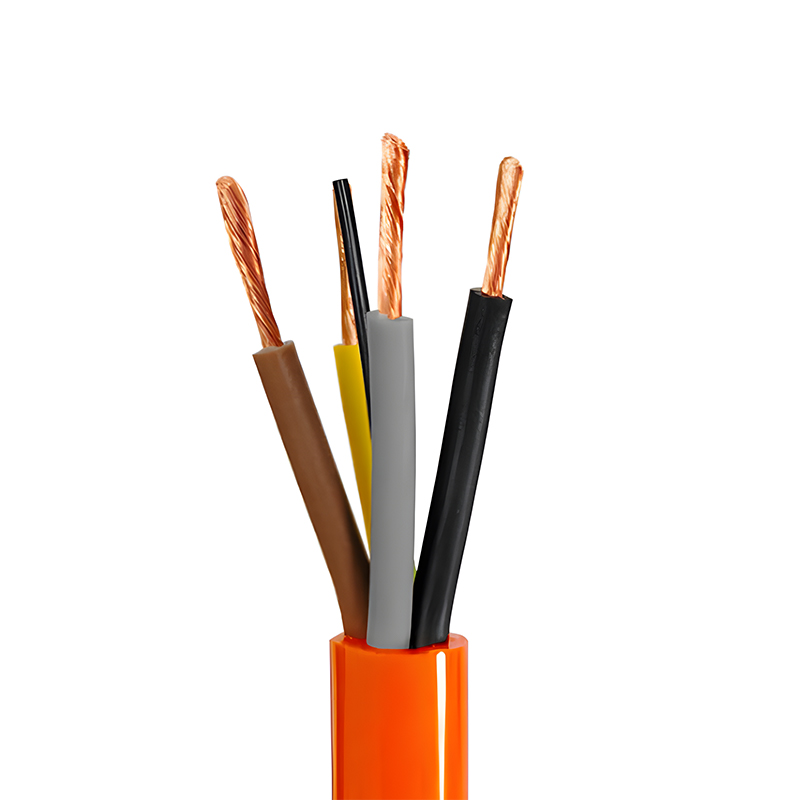
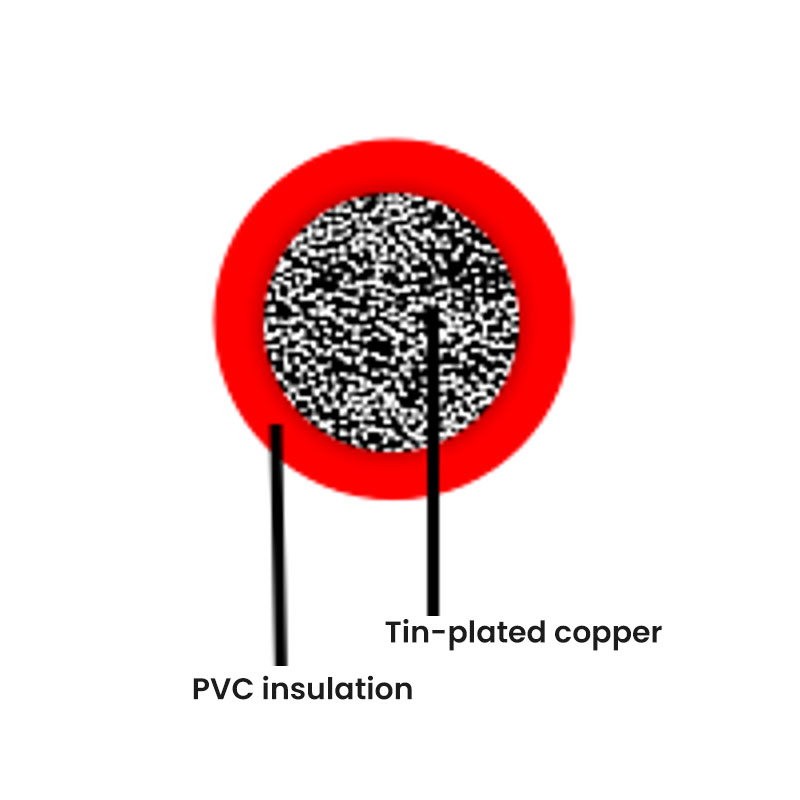
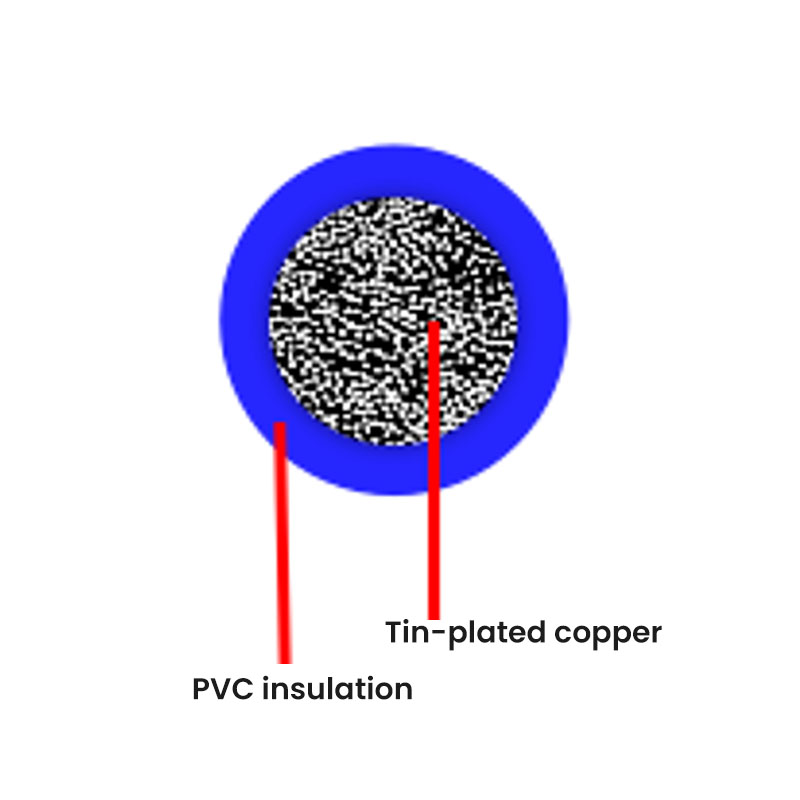
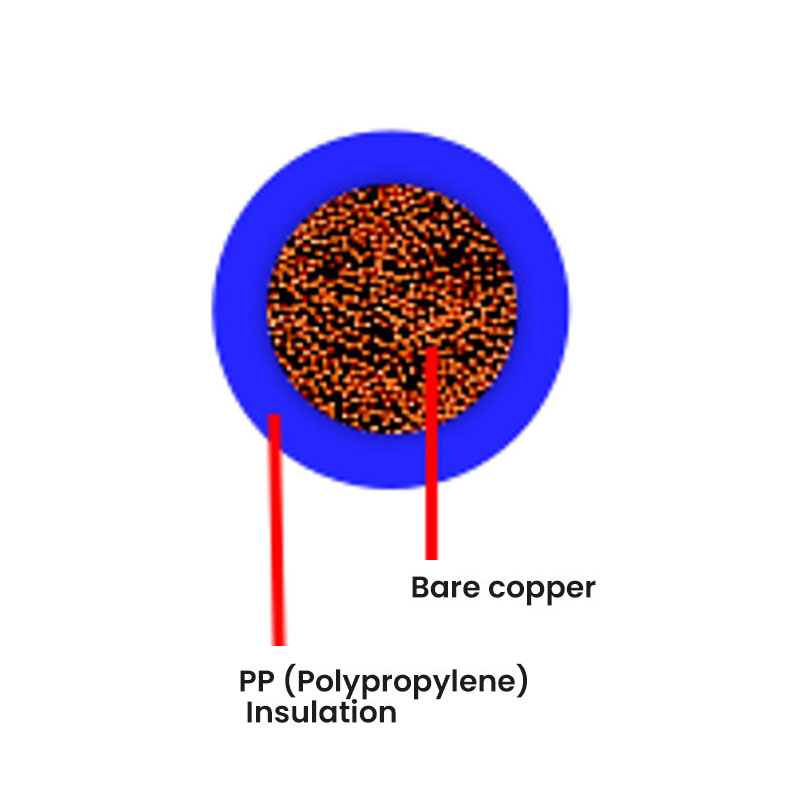
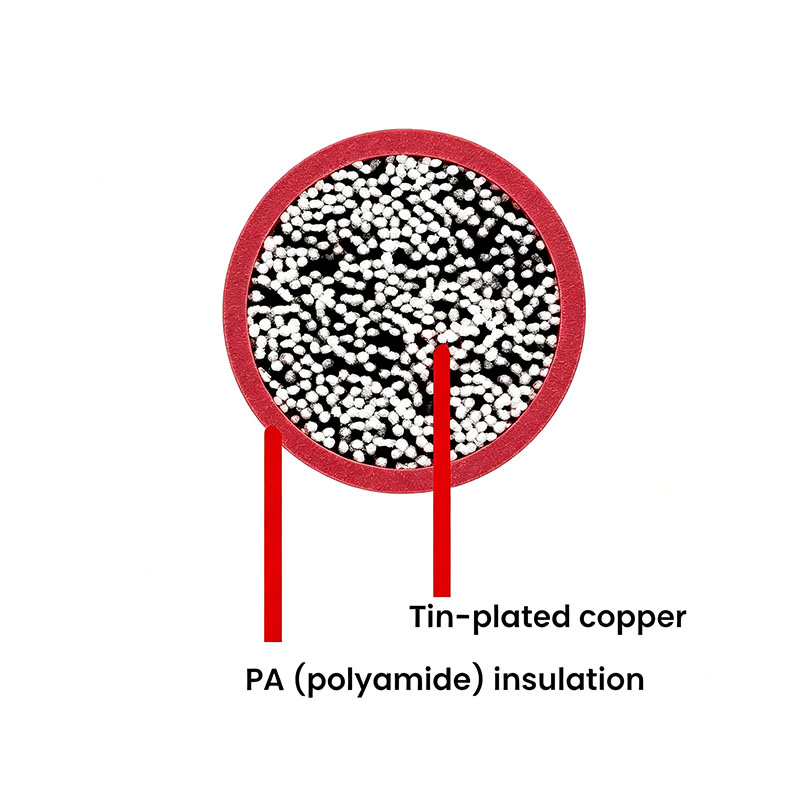
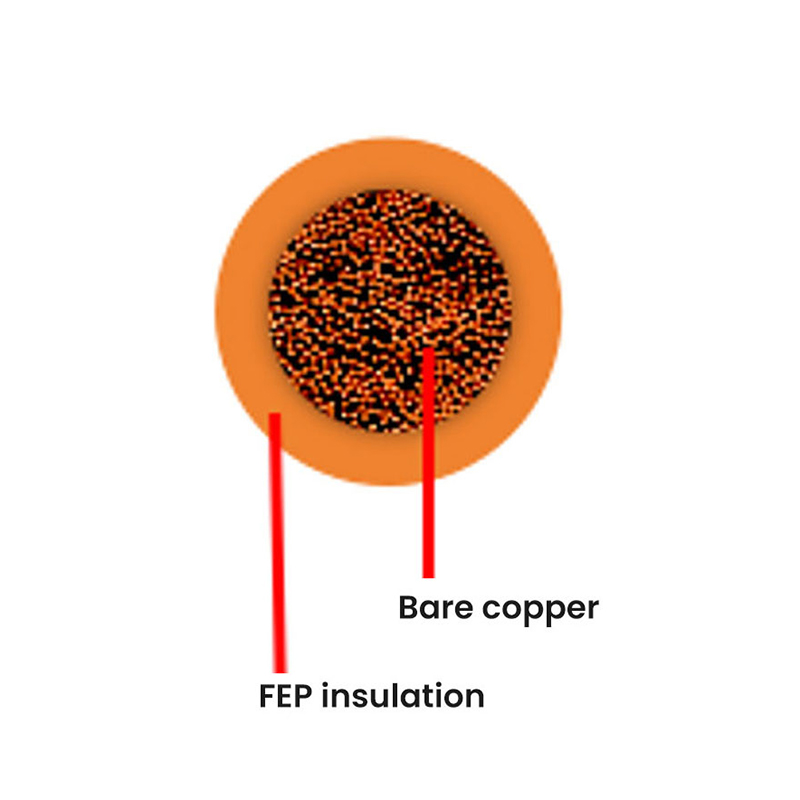
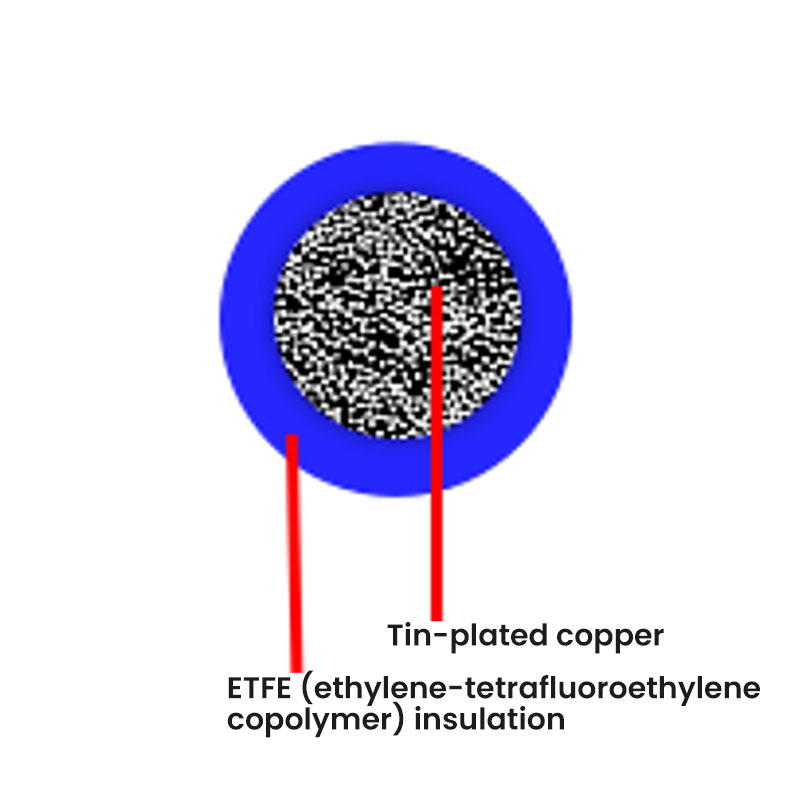
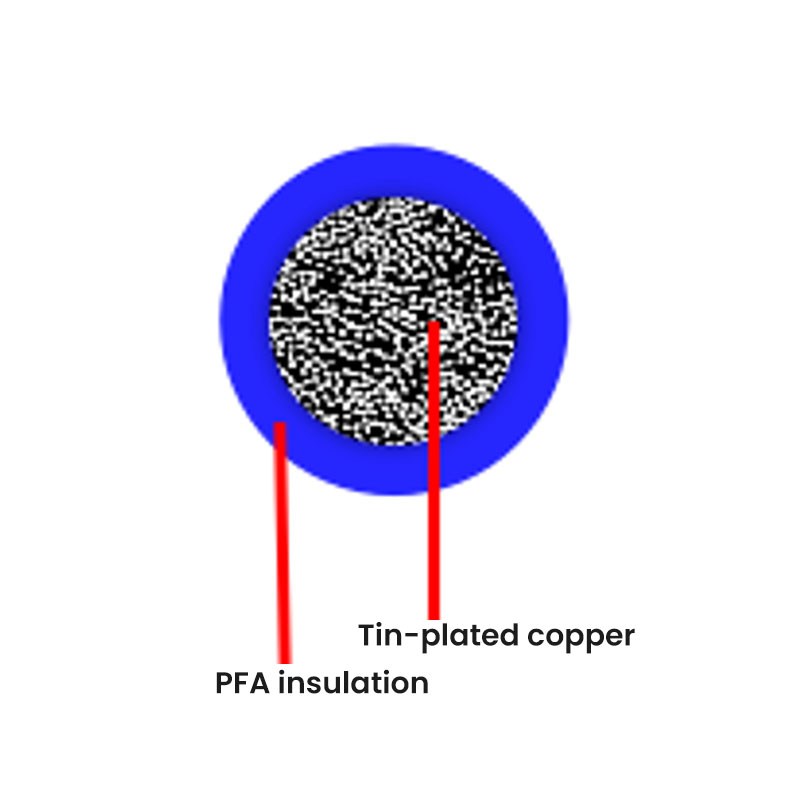
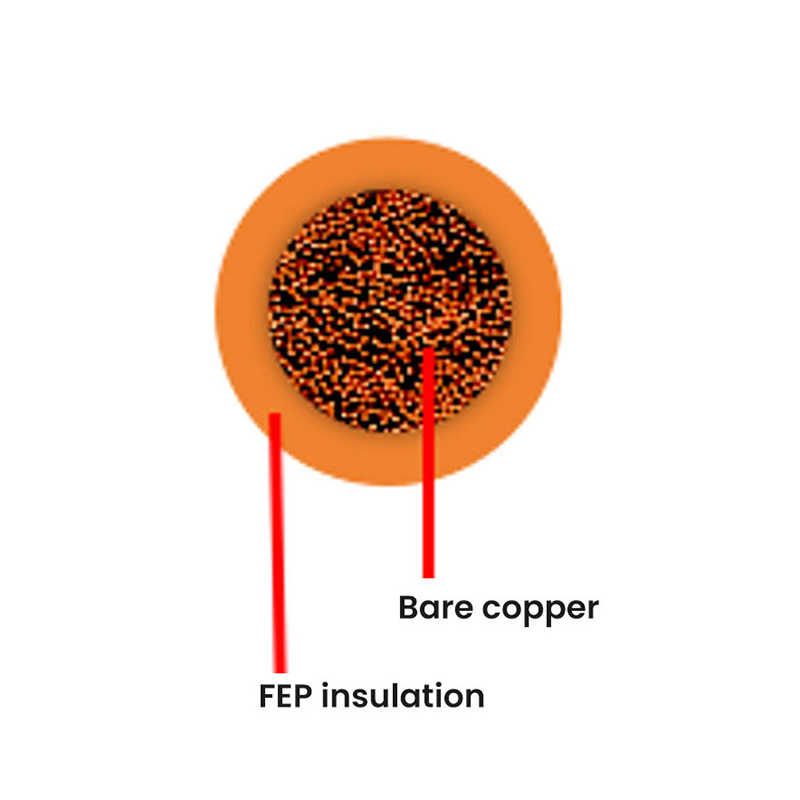
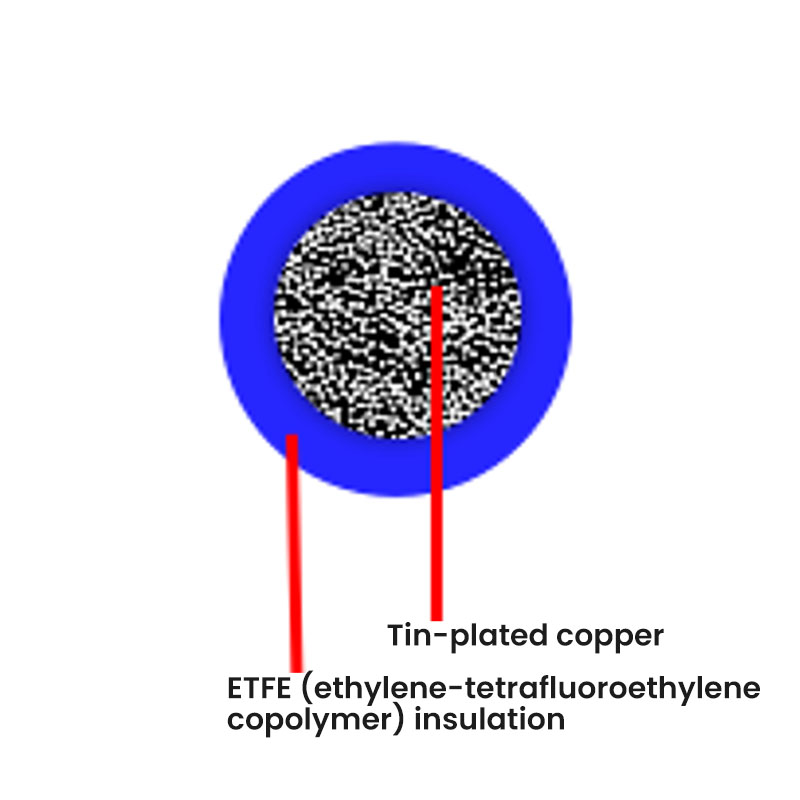
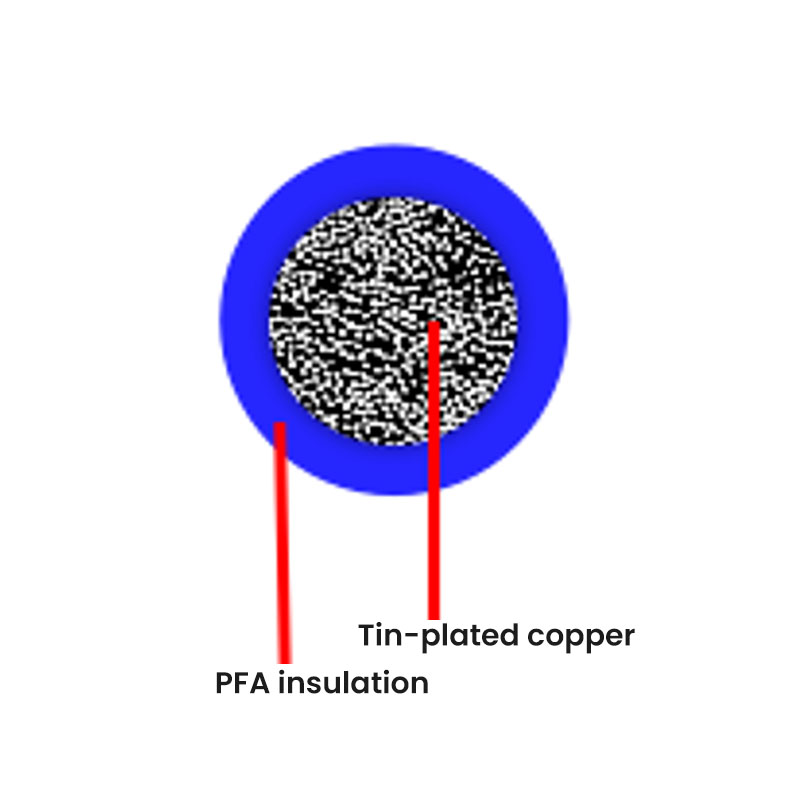
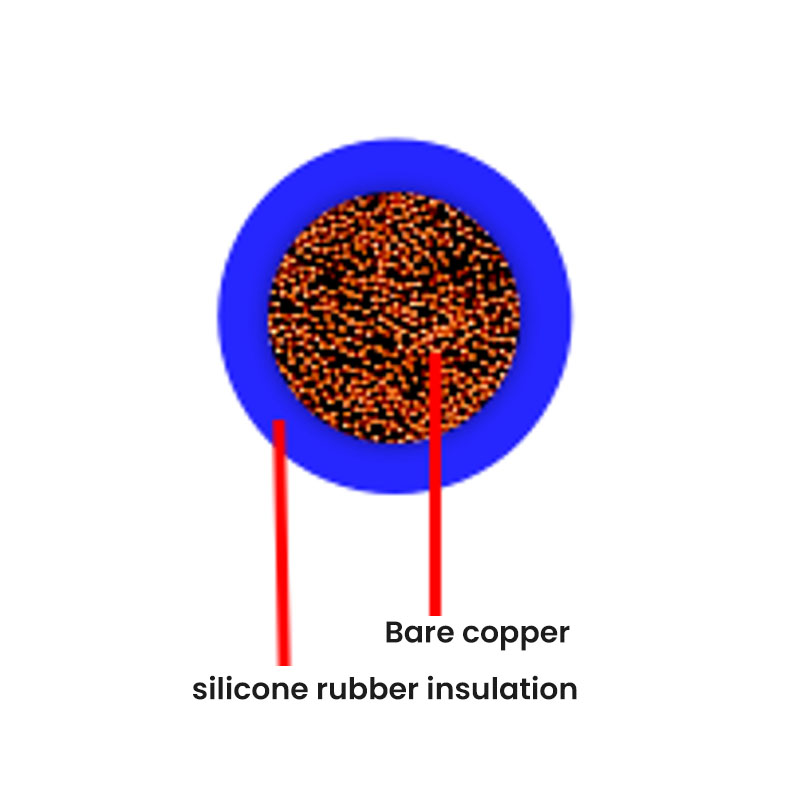
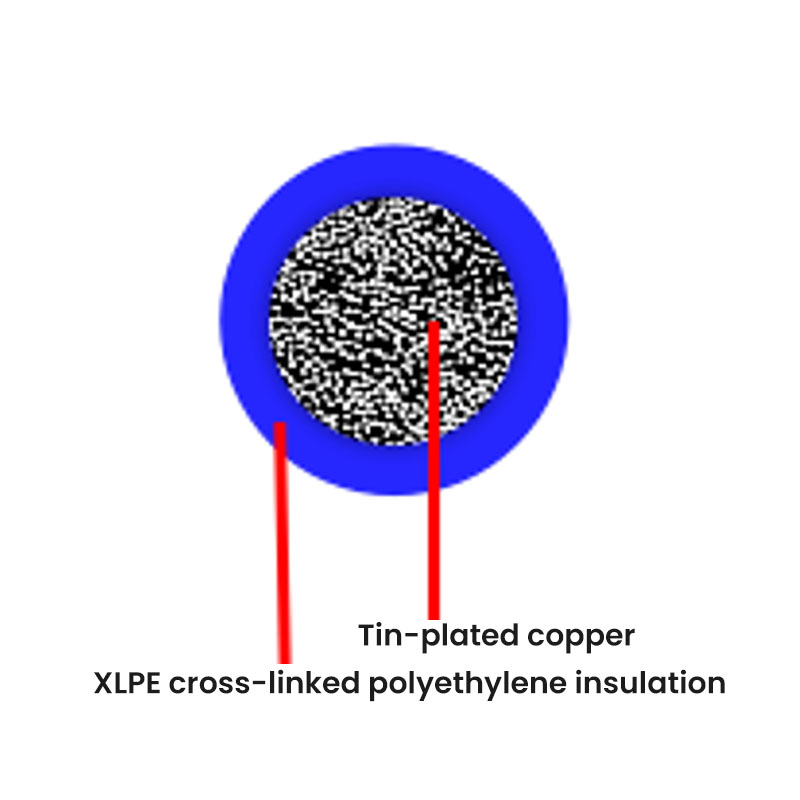
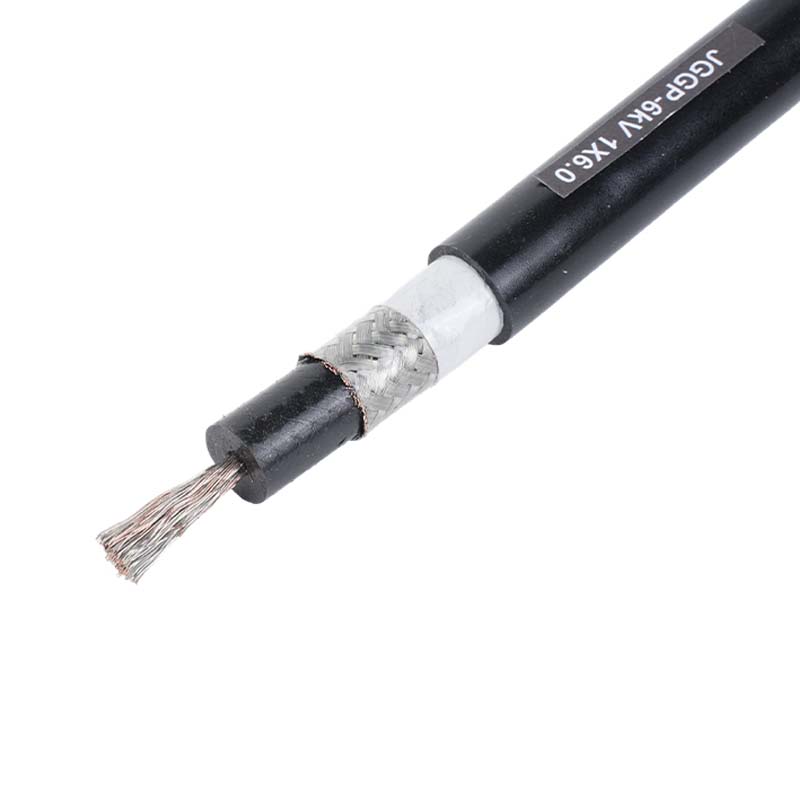
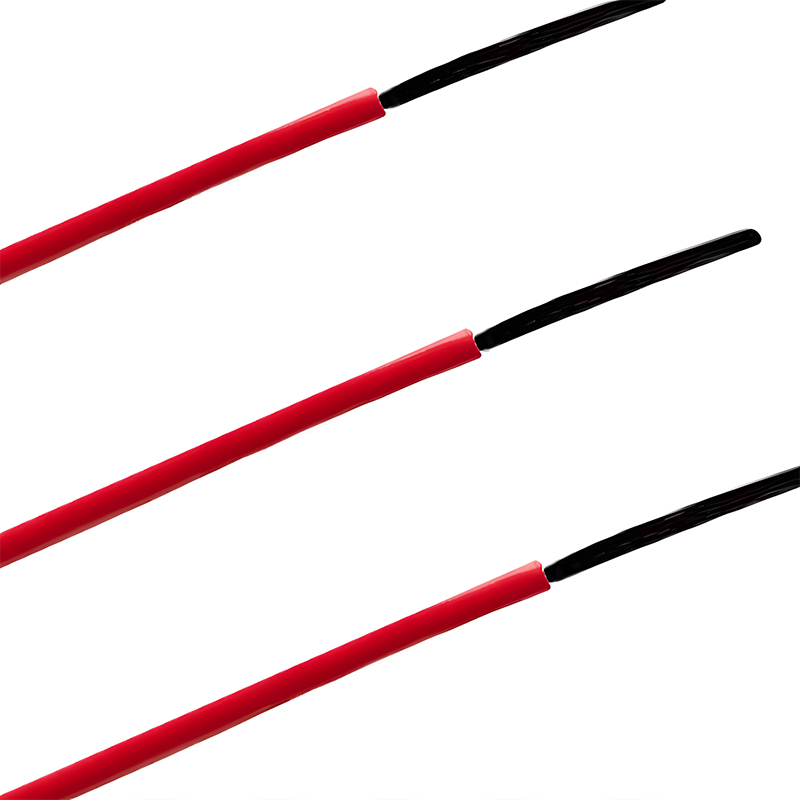
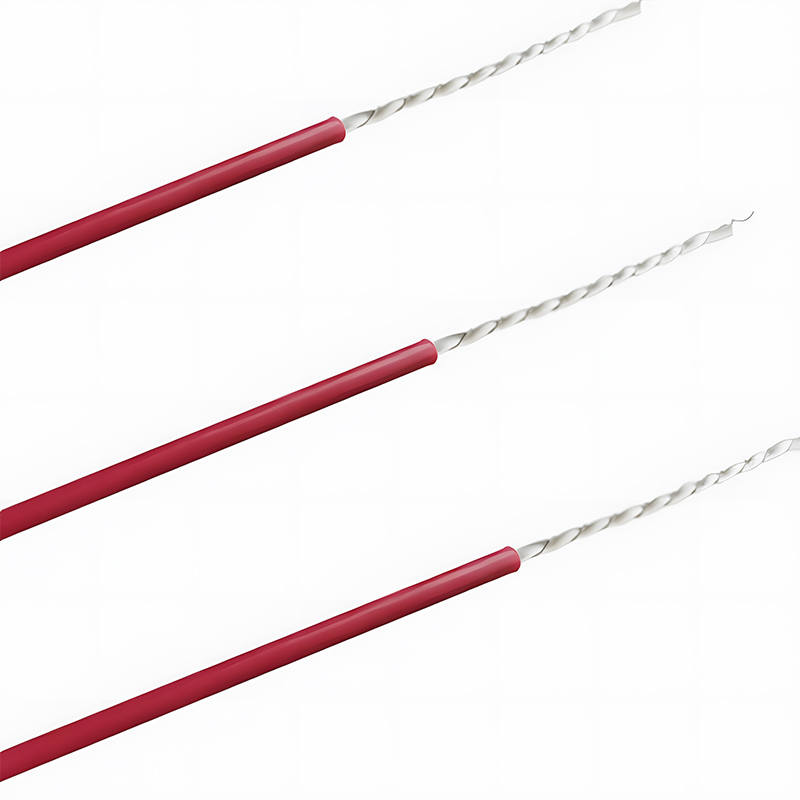
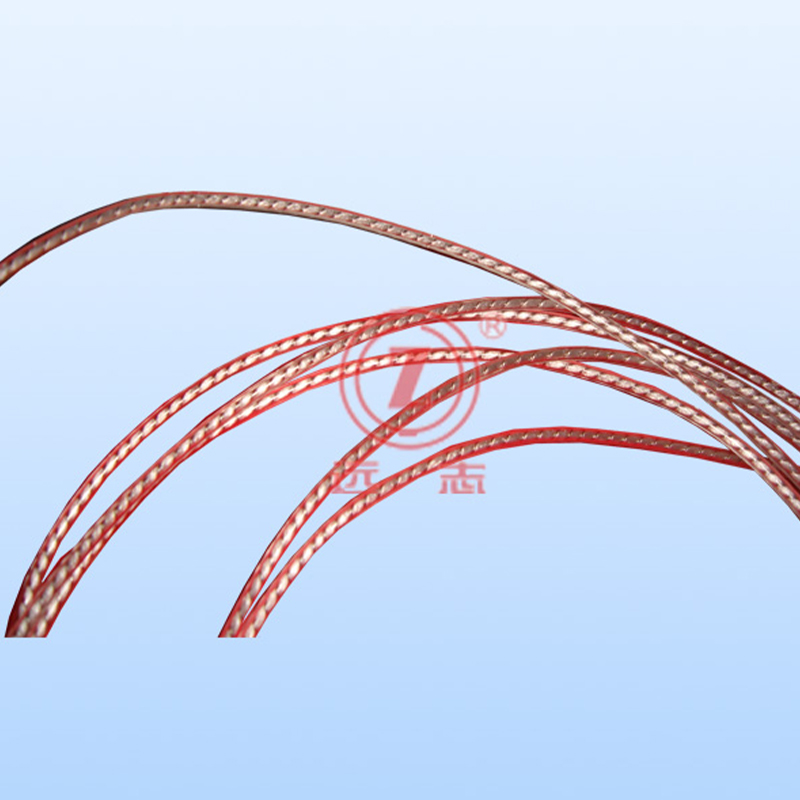
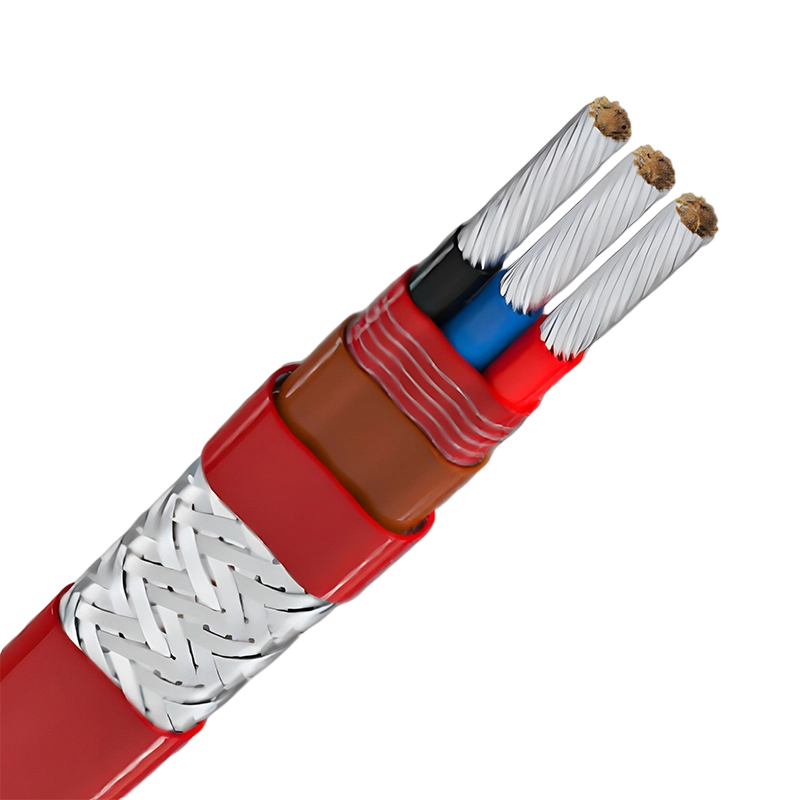
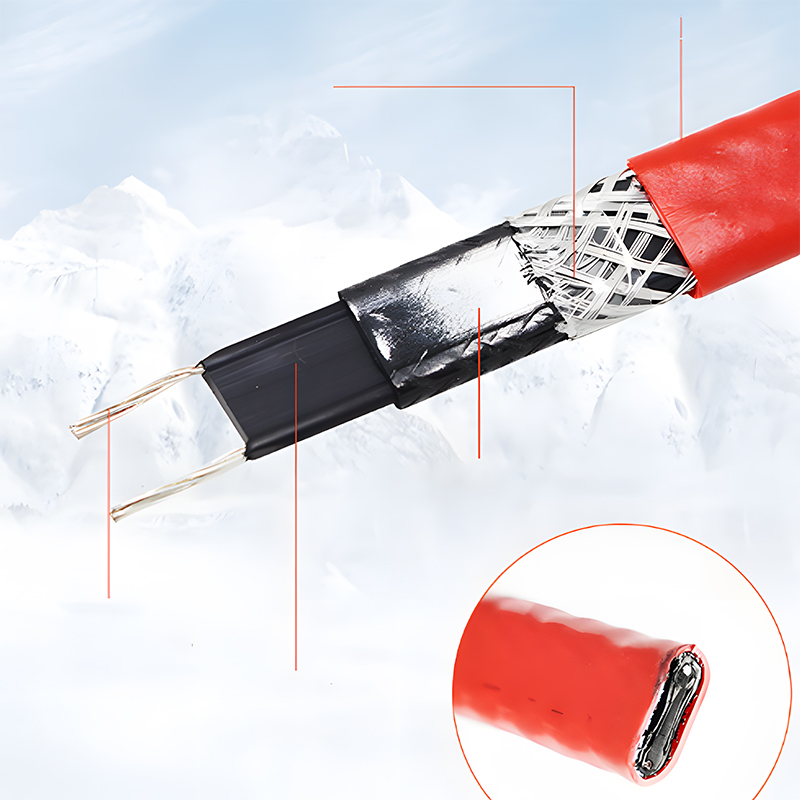
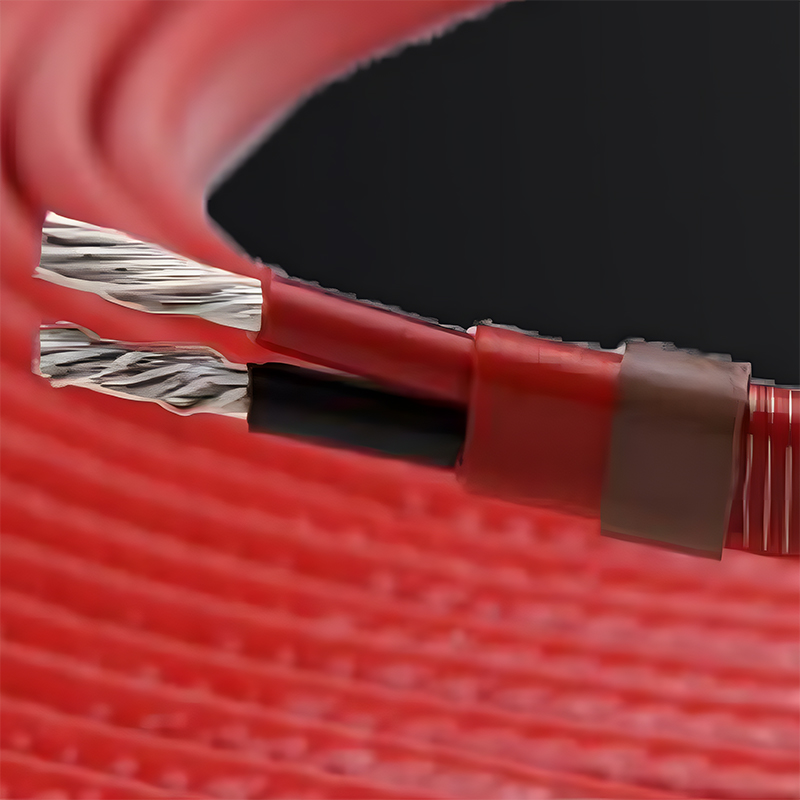
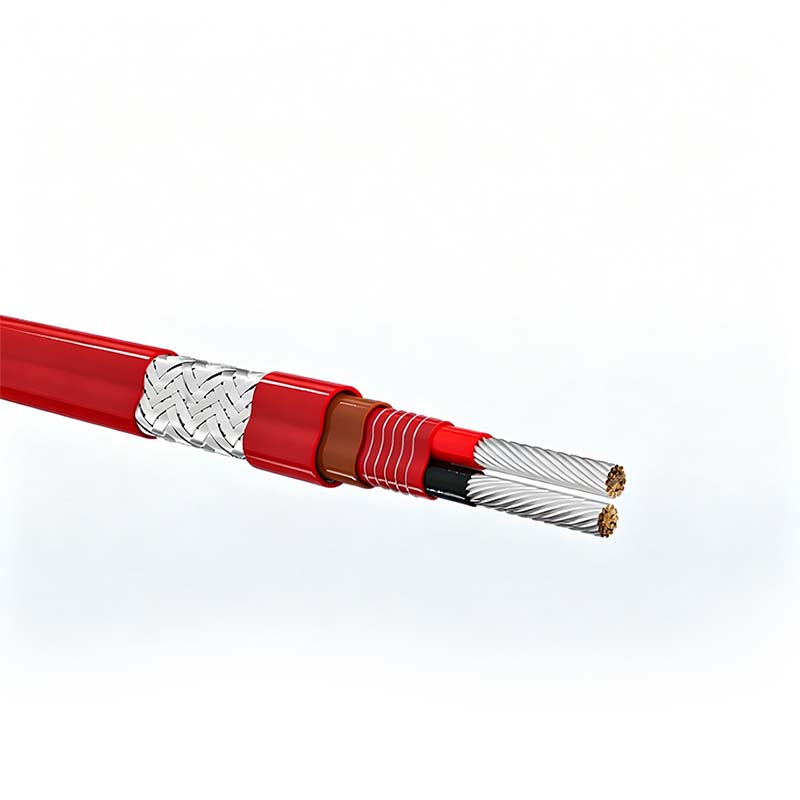
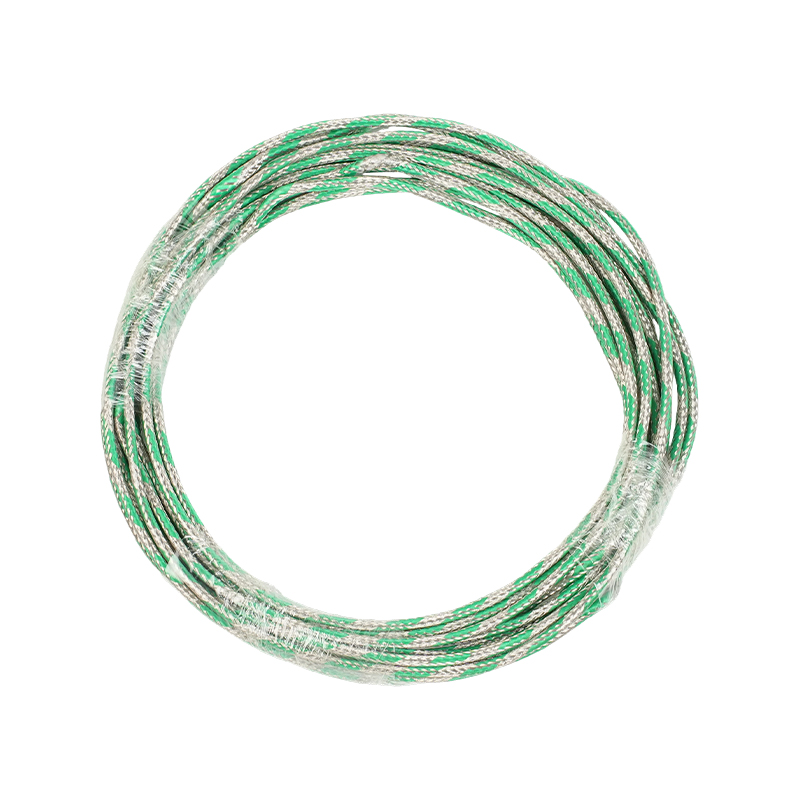
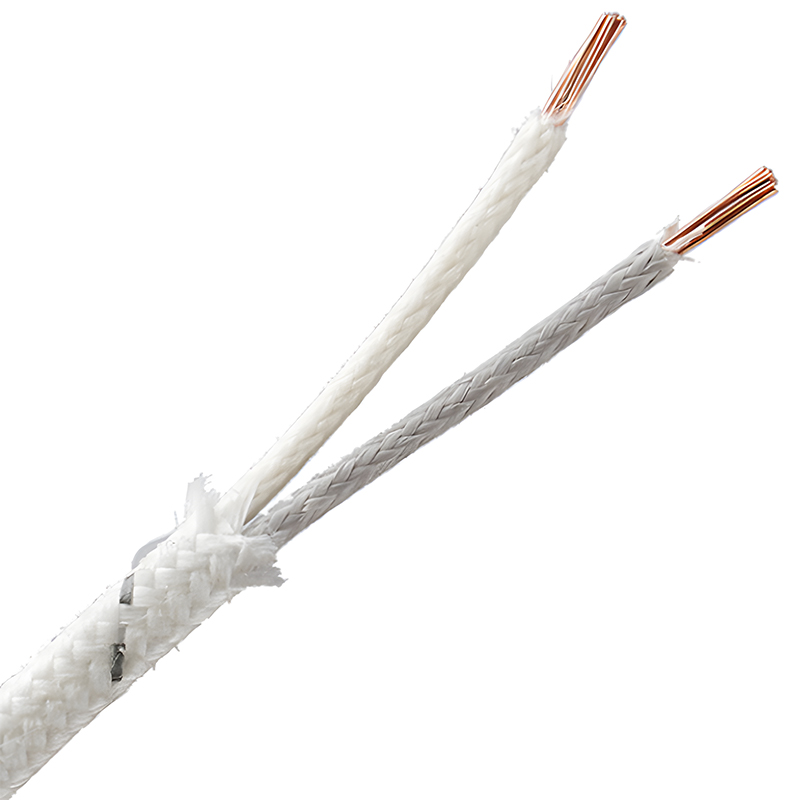
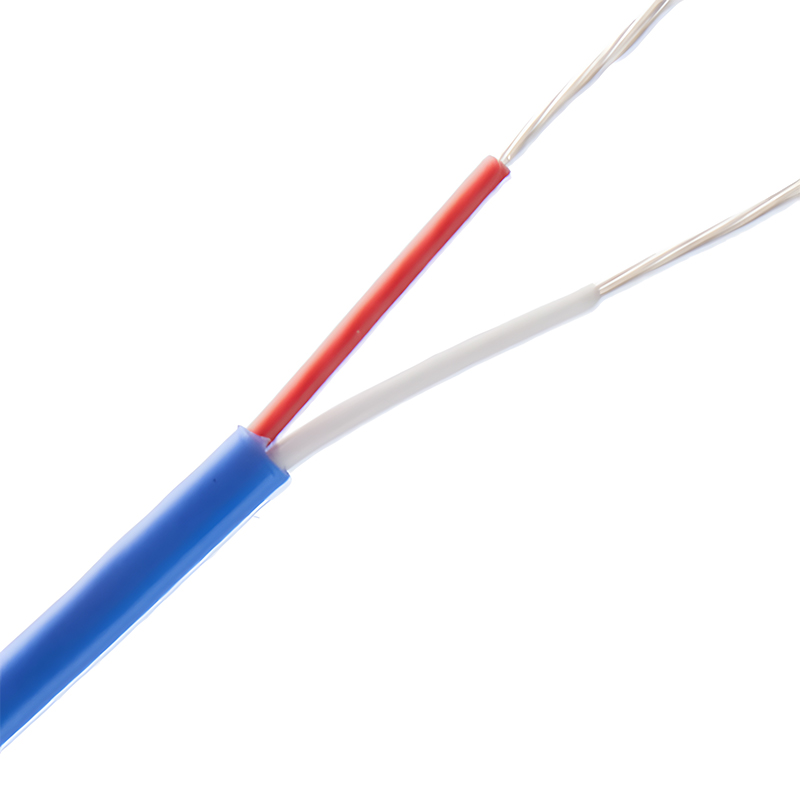
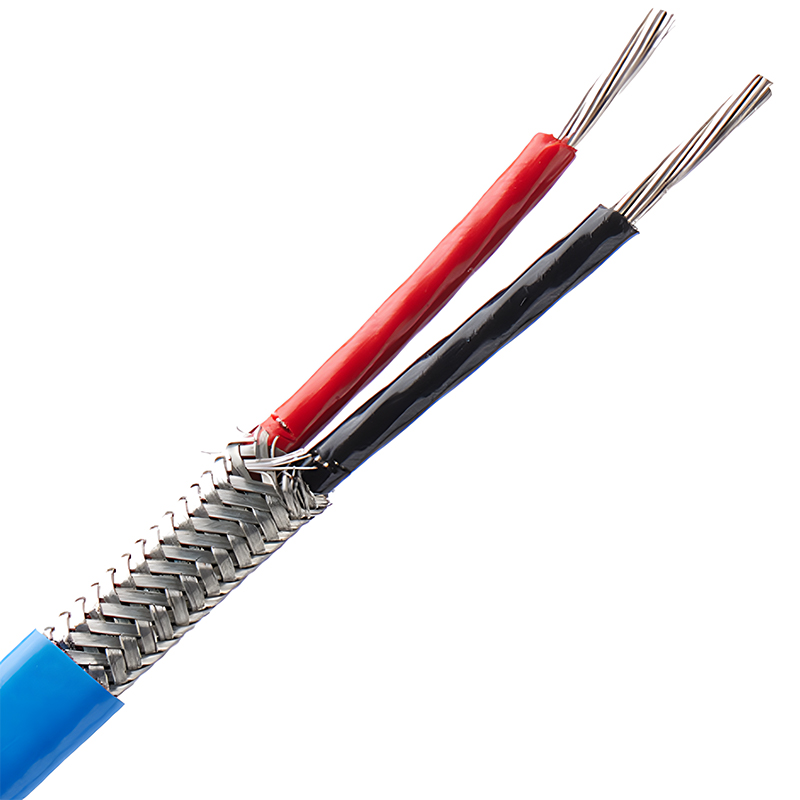
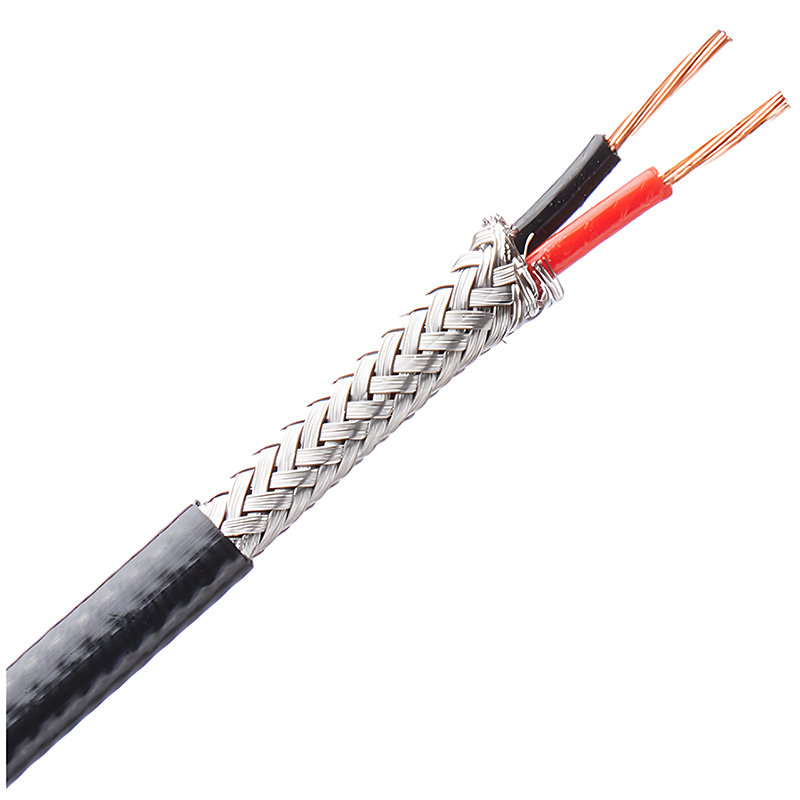

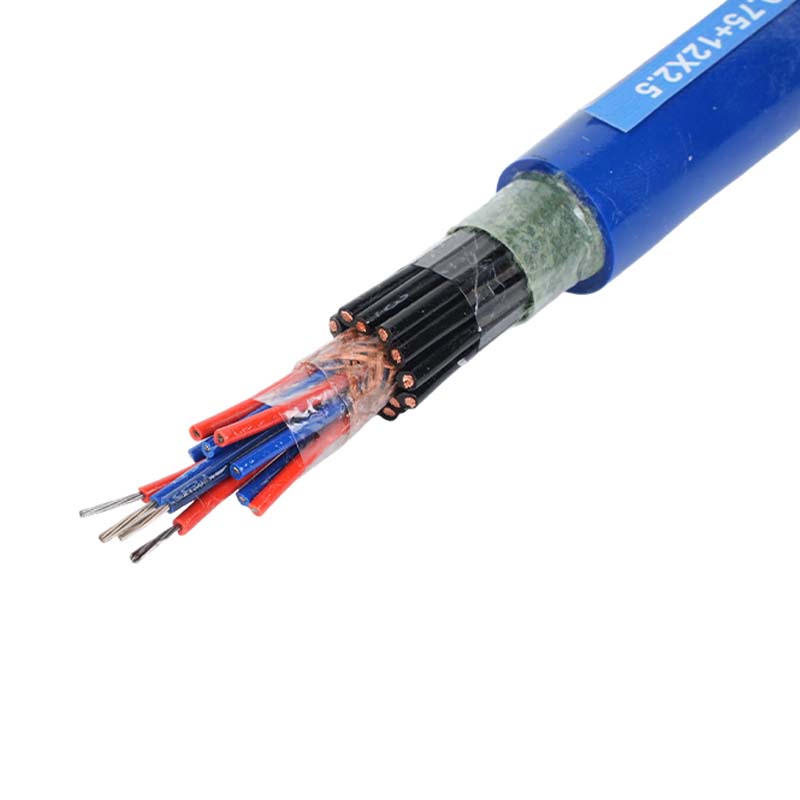
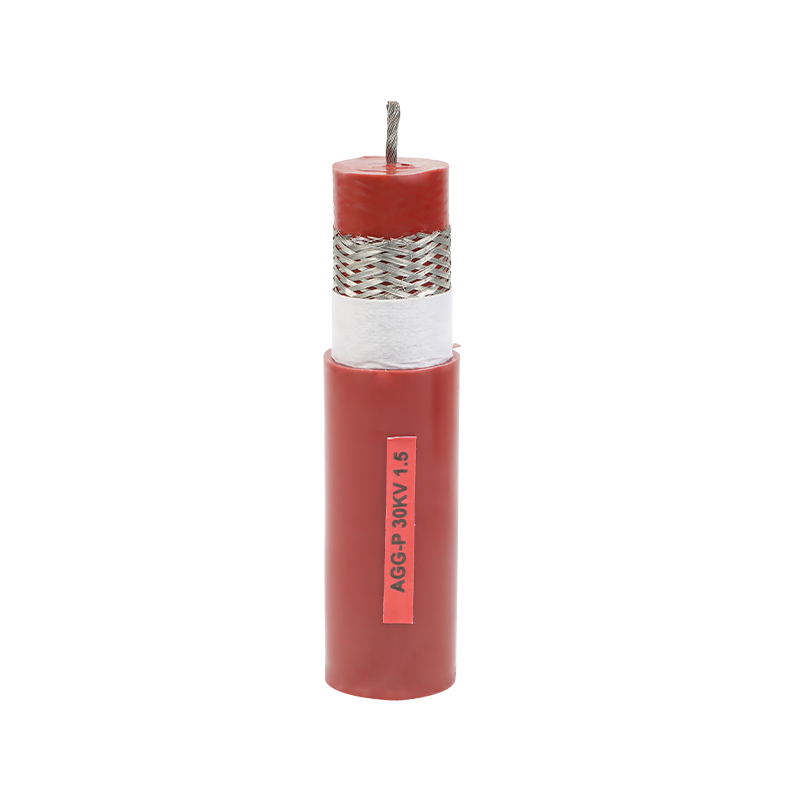
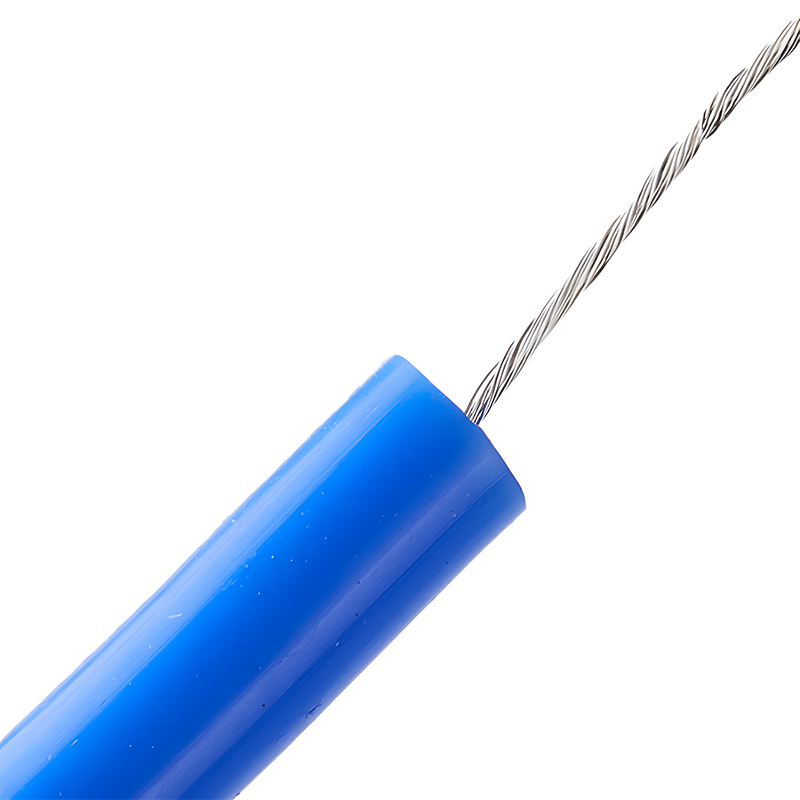
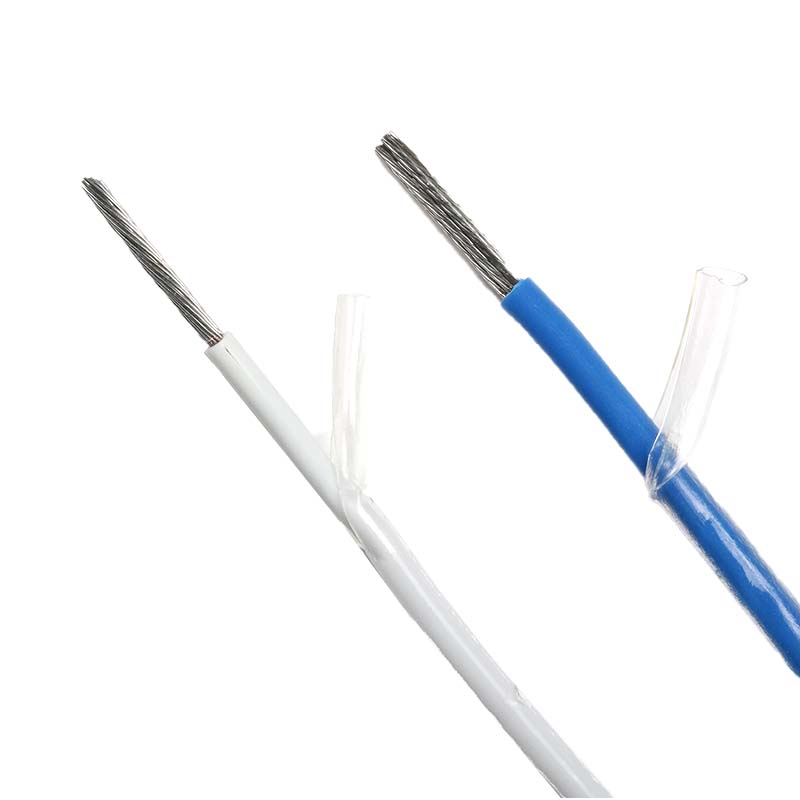
The correct high-temperature cable selection directly determines the safety and service life of your electrical system. For environments exceeding 150°C, standard PVC-insulated cables will degrade rapidly, leading to insulation failure within weeks. Jiangsu Silver & Tin Thread Hi-temperature Wire and Cables Co., Ltd. manufactures cables with temperature ratings from -60°C to 1200°C, covering the full spectrum from household appliances to aerospace applications.
Temperature Rating vs. Insulation Material
The insulation material is the primary factor determining a cable's temperature resistance. Below is a comparison of common high-temperature insulation materials and their performance characteristics:
| Insulation Material | Temperature Range | Key Applications | Flexibility |
|---|---|---|---|
| Silicone Rubber | -60°C to 180°C | Industrial heating, automotive | Excellent |
| PTFE (Teflon) | -200°C to 260°C | Chemical processing, aerospace | Good |
| Mica Tape + Glass Fiber | Up to 1000°C | Metallurgy, nuclear energy | Moderate |
| Ceramic Fiber | Up to 1200°C | Extreme heat furnaces | Low |
For applications in metallurgy and chemical industries where temperatures reach 800°C to 1000°C, cables with glass fiber braiding impregnated with high-temperature varnish provide the necessary mechanical protection against external wear and corrosion while maintaining electrical integrity.
Industrial Flexible Cable Performance Standards
Industrial flexible cables must withstand over 1,000,000 reciprocating bending cycles without failure. This is the benchmark that separates reliable industrial cables from standard constructions. In automated production environments, cables in drag chain systems and robotic arms experience continuous flexing, torsion, and vibration that rapidly degrade conventional designs.
Critical Performance Metrics
When evaluating industrial flexible cables for machine tools, logistics equipment, or robotic systems, verify the following specifications:
Bending cycle rating: Minimum 1,000,000 cycles at specified bend radius
Torsion resistance: ±270° per meter for robotic applications
Abrasion resistance: Sheath material must pass Taber abrasion testing
Oil and chemical resistance: Critical for machine tool environments
Temperature range: -40°C to 105°C for standard industrial environments
Winch cables used in large construction machinery require additional tensile strength considerations. The conductor stranding and sheath compound must be optimized for frequent movement under load, where mechanical stress concentrates at bend points.
Renewable Energy Cable Requirements
Renewable energy cables require a minimum service life of 25 years in outdoor environments. Wind power, solar photovoltaic, and battery energy storage systems operate under harsh conditions including UV exposure, ozone degradation, temperature extremes, and salt spray corrosion. Standard cables will fail prematurely in these applications, causing costly downtime and safety hazards.
Application-Specific Requirements
| Application | Key Challenge | Required Feature |
|---|---|---|
| Wind Power | Continuous torsion and vibration | Torsion-resistant design, ±180°/m |
| Solar PV | UV exposure, daily thermal cycling | UV-resistant XLPE sheath |
| Energy Storage | High-rate charge/discharge cycles | Low resistance, high current stability |
For photovoltaic systems, cables must comply with TÜV 2 PfG 1169/08.2007 standards, requiring resistance to 15,000 hours of UV exposure testing. The insulation and sheath materials must also demonstrate chemical resistance to outdoor acid, alkali, and salt spray environments to prevent degradation over the system's 25-year design life.
Automotive Wire Specifications for New Energy Vehicles
New energy vehicle cables must handle voltages ranging from 300V to 1000V+ with zero failure tolerance. The transition from internal combustion to electric powertrains has fundamentally changed automotive wiring requirements. High-voltage power transmission between battery packs, motors, and charging systems demands insulation systems with exceptional dielectric strength and thermal management capabilities.
High-Voltage Cable Design Considerations
Automotive high-voltage cables require specific engineering solutions:
Insulation wall thickness: Typically 1.0mm to 2.5mm depending on voltage class
Partial discharge resistance: Must pass 3kV AC partial discharge testing
Flame retardancy: UL94 V-0 rating required for passenger safety
Weight reduction: Aluminum conductors can reduce weight by 40% versus copper
Chemical resistance: Must withstand battery electrolyte, coolant, and road salt exposure
Signal cables within the vehicle for control commands and status monitoring require shielding against electromagnetic interference (EMI) from high-voltage power lines. Twisted pair construction with aluminum foil or braided copper shielding ensures signal integrity in the noisy electromagnetic environment of electric vehicles.
Motor Lead Wire Technical Essentials
Motor lead wires require specialized varnish resistance and oil compatibility that standard hook-up wire cannot provide. Electric motors generate heat, vibration, and exposure to insulating varnishes and lubricating oils that rapidly degrade conventional wire insulation. Motor lead wires must maintain dielectric strength after prolonged immersion in Class F (155°C) or Class H (180°C) varnishes.
Varnish Resistance Testing
Motor lead wire qualification involves standardized varnish compatibility testing:
- Immerse wire samples in standard motor varnish at 150°C for 72 hours
- Perform dielectric strength testing at 3kV AC for 1 minute
- Measure insulation resistance before and after immersion
- Evaluate mechanical properties including elongation and tensile strength retention
Silicone rubber and cross-linked polyolefin insulations typically demonstrate superior varnish resistance compared to PVC or standard polyethylene, making them the preferred choices for motor manufacturers requiring Class F (155°C) or Class H (180°C) thermal ratings.
About Jiangsu Silver & Tin Thread Hi-temperature Wire and Cables Co., Ltd.
With over 30 years of manufacturing experience, Jiangsu Silver & Tin Thread Hi-temperature Wire and Cables Co., Ltd. has established itself as a leading manufacturer of high-performance special cables in China. Operating under the brand name "Yuanzhi," the company serves critical industries including aerospace, national defense, nuclear energy, petrochemicals, smart manufacturing, renewable energy, transportation, and power communications.
Company Certifications & Quality Systems
The company maintains comprehensive quality management systems and international certifications:
| Certification | Scope | Significance |
|---|---|---|
| ISO 9001 | Quality management system | International quality standard compliance |
| IATF 16949 | Automotive quality management | Automotive industry supply chain qualification |
| Weapon Equipment Quality Management | Defense industry standards | Highest reliability requirements |
| CE / UL / CCC / SGS / RoHS | Product safety and environmental compliance | Global market access and environmental safety |
Manufacturing Capabilities
The company operates intelligent production lines with ERP integrated management systems. Complete laboratory facilities and strict testing procedures ensure product excellence, with 100% online inspection of all products to guarantee electrical and mechanical properties. The manufacturing philosophy centers on "high, sophisticated, special, and professional" characteristics, supporting global cutting-edge customers across diverse industries.
Jiangsu Silver & Tin Thread Hi-temperature Wire and Cables Co., Ltd. continues to drive innovation while adhering to the philosophy of "quality, reputation, and development," providing proven cable solutions for global partners across aerospace, defense, nuclear energy, and industrial automation sectors.
Frequently Asked Questions
1.What is the maximum temperature your cables can withstand?
Our high-temperature cable range covers -60°C to 1200°C. For extreme applications up to 1200°C, we use ceramic fiber insulation. For more common industrial applications between 180°C and 1000°C, silicone rubber, PTFE, mica tape, and glass fiber braided constructions are available depending on the specific temperature and mechanical requirements.
2.How do I select the right cable for my high-temperature application?
Selection requires three key inputs: maximum operating temperature, ambient environmental conditions (chemical exposure, mechanical stress), and voltage rating. For temperatures below 180°C with flexibility requirements, silicone rubber insulated cables are optimal. For 180°C to 260°C with chemical exposure, PTFE is recommended. For applications exceeding 500°C, mica or ceramic fiber systems are necessary. Contact our engineering team with your specific application parameters for tailored recommendations.
3.What certifications do your automotive cables carry?
Our automotive wire and cable products are manufactured under IATF 16949 quality management systems and carry UL, CE, CCC, and RoHS certifications. This full certification portfolio ensures compliance with automotive OEM requirements across North American, European, and Asian markets. Specific products can be certified to additional standards such as LV 112, ISO 6722, or customer-specific specifications upon request.
4.Can you provide custom cable solutions for specialized applications?
Yes. With 30 years of specialized cable manufacturing experience and a product philosophy focused on "high, sophisticated, special, and professional" solutions, we routinely develop custom constructions for aerospace, defense, nuclear energy, and advanced industrial applications. Our engineering team works directly with customers to design cables meeting exacting specifications for temperature, voltage, chemical resistance, mechanical flex life, and electromagnetic compatibility requirements.
5.What quality control measures ensure product reliability?
We implement 100% online inspection across all production lines, supported by complete laboratory facilities for destructive and non-destructive testing. Our ERP-integrated management system tracks every production batch from raw material receipt through final inspection. Additional quality assurance includes: conductor resistance testing, dielectric strength verification (3kV AC, 1 minute), insulation resistance measurement, dimensional accuracy checks, and mechanical property validation. For defense and aerospace applications, additional traceability and documentation requirements are fully supported.
6.What is the typical delivery lead time for standard products?
Standard high-temperature cables and motor lead wires typically ship within 2 to 4 weeks from order confirmation, depending on order volume and current production schedule. Industrial flexible cables and renewable energy cables may require 3 to 6 weeks due to more complex construction requirements. Custom-engineered solutions require engineering review and typically range from 6 to 12 weeks depending on material availability and testing requirements. We recommend contacting our sales team for current lead time confirmations.