Jiangsu Silver& Tin Thread Hi-temperature Wire and Cables Co., Ltd. Home / Products / Industrial Flexible Cables / Robot Control Cable
Jiangsu Silver& Tin Thread Hi-temperature Wire and Cables Co., Ltd.
Robot Control Cable Wholesale
About Us
Jiangsu Silver& Tin Thread Hi-temperature Wire and Cables Co., Ltd.
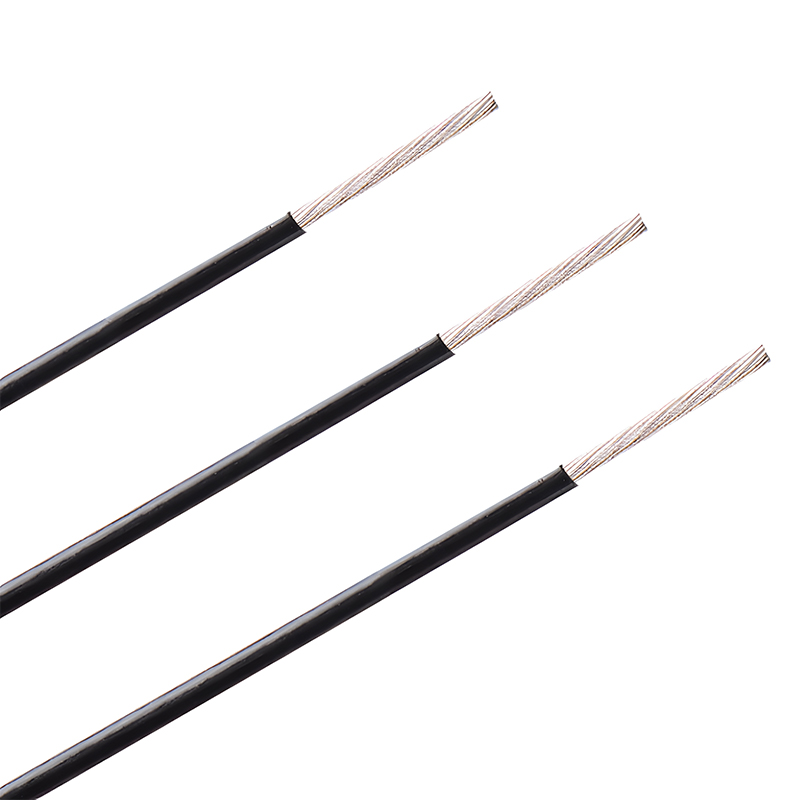
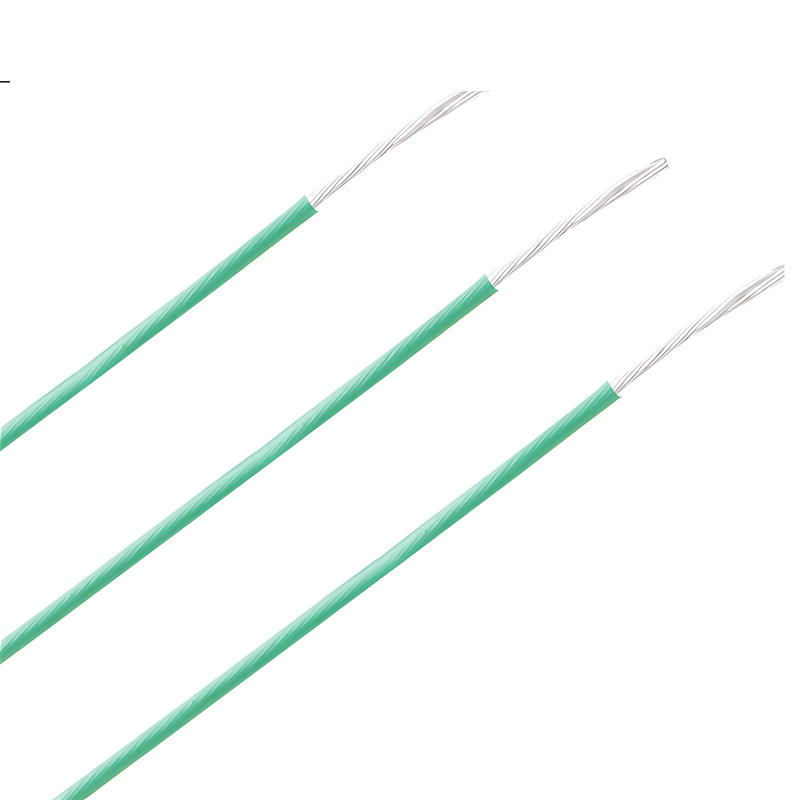
Jiangsu Silver& Tin Thread Hi-temperature Wire and Cables Co., Ltd., is China Robot Control Cable Supplier and Robot Control Cable Factory, founded in Taizhou, Jiangsu Province in 1994, successfully registered the "Yuanzhi" trademark in 2002. The company specializes in the production and R&D of high-quality high-temperature cables. Its products primarily use Teflon, silicone rubber, flame-retardant polyethylene, and fire-resistant mica tape as insulation materials, and pure nickel, silver-plated, nickel-plated, tin-plated, and oxygen-free bare copper wire as conductors. The production process involves more than twenty steps, including wire bundling, cabling, stranding, extrusion, rubber extrusion, shielding, braiding, and coating. The company manufactures nearly a thousand specifications across eight major series, including cables for electrical equipment, control systems, signal transmission, computers, compensation, fire resistance, high and low temperature resistance, and high voltage resistance. Currently, it has the production capacity for conductor cross-sections up to 400mm², voltage up to 100kV, and temperature ratings from -65°C to +1200°C.
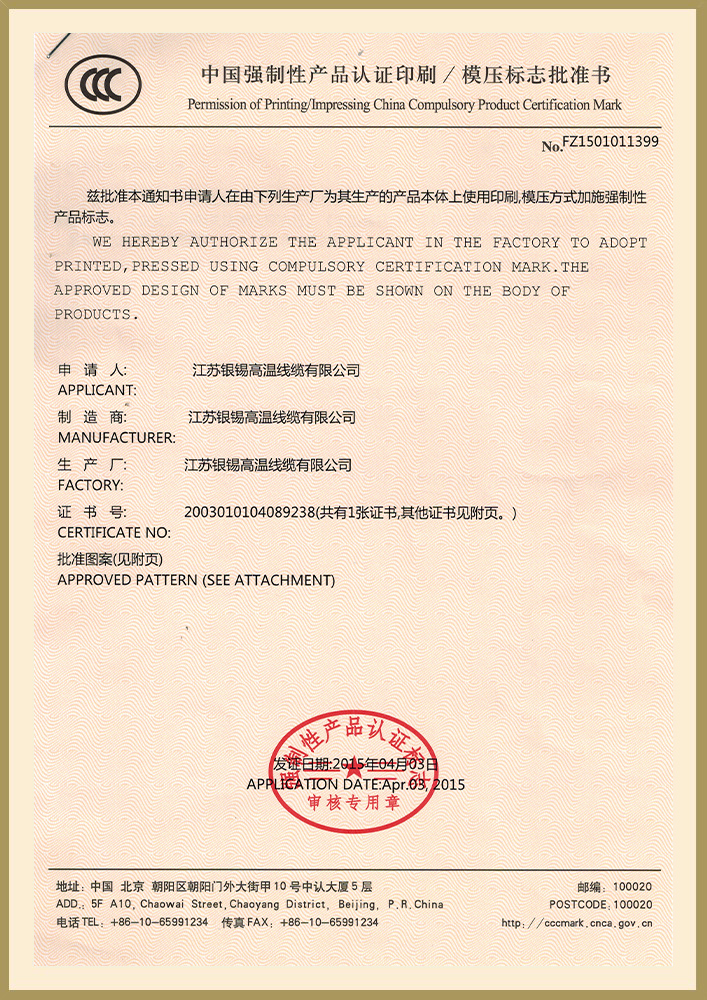
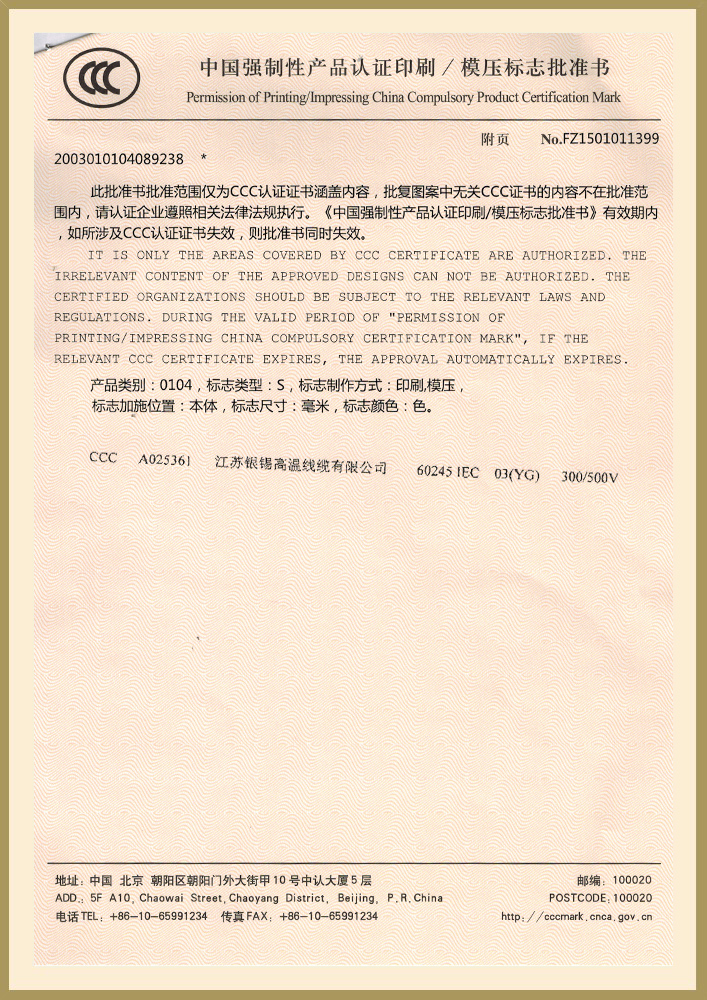
Our company's products are manufactured according to advanced international and national standards. Its garden-style production base has passed ISO9001 quality management system certification and is a "Comprehensive Quality Management Standard Compliance" enterprise certified by the Ministry of Agriculture. Our products have received CCC quality certification, UL safety certification (USA), and have been recognized as a "Famous Product of Township Enterprises in Jiangsu Province." They have passed the full sampling inspections conducted by the National Wire and Cable Testing Center, the Provincial Quality Supervision and Testing Center, and the Taizhou Municipal Bureau of Quality and Technical Supervision. Listed as a "Key Protected Product of Taizhou City," our products are used by large enterprises like Chunlan and high-tech fields such as the 95856th Unit of the Ministry of Aerospace Industry. Some products are exported. To further demonstrate our commitment to providing peace of mind to our customers, our products have been insured with the People's Insurance Company of China for many years. We are a company that "honors contracts and keeps promises."
Our company will continue to adhere to the quality policy of "meticulous quality control, unwavering commitment to customers, and technological advancement for enterprise development," with "customer satisfaction" as our guiding principle, and comprehensively expand the "Yuanzhi" business.
Certificate Of Honor
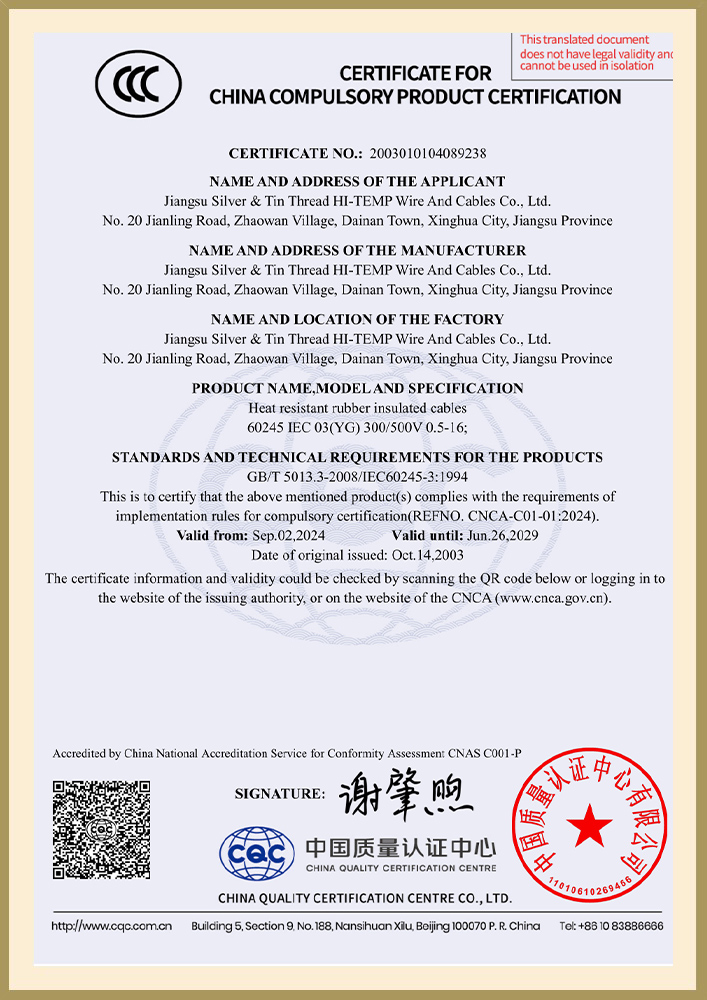
  • Certificate For China Compulsory Product Certification
  • Certificate of Approval for the Printing/Embossing of the China Compulsory Product Certification Mark
  • Certificate of Approval for the Printing/Embossing of the China Compulsory Product Certification Mark
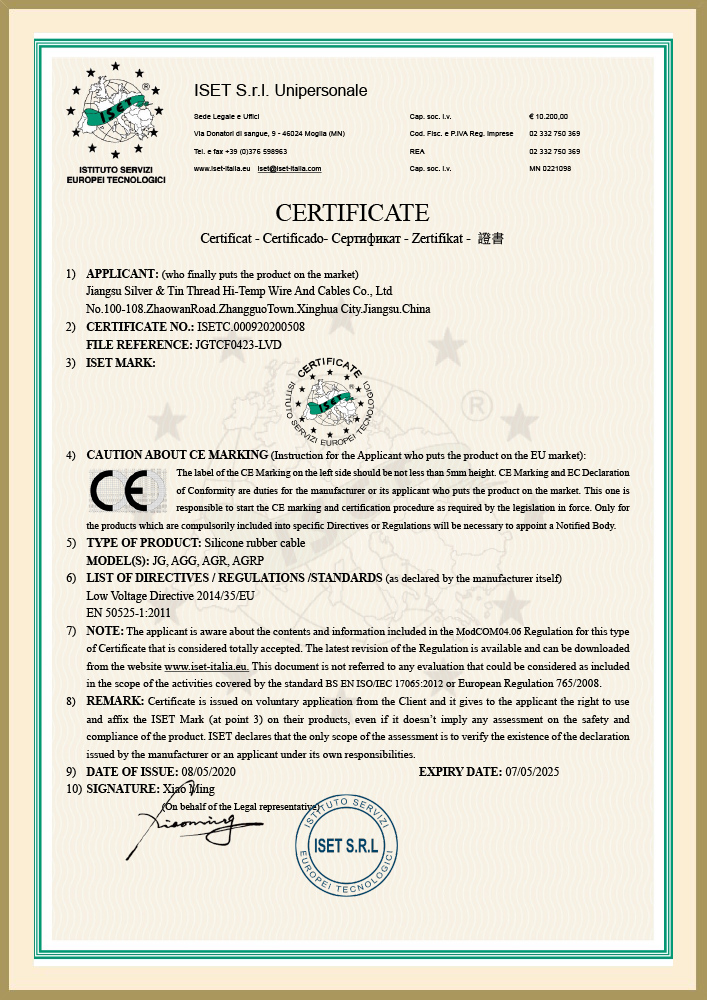
  • CE-LVD EU Certificate of Conformity
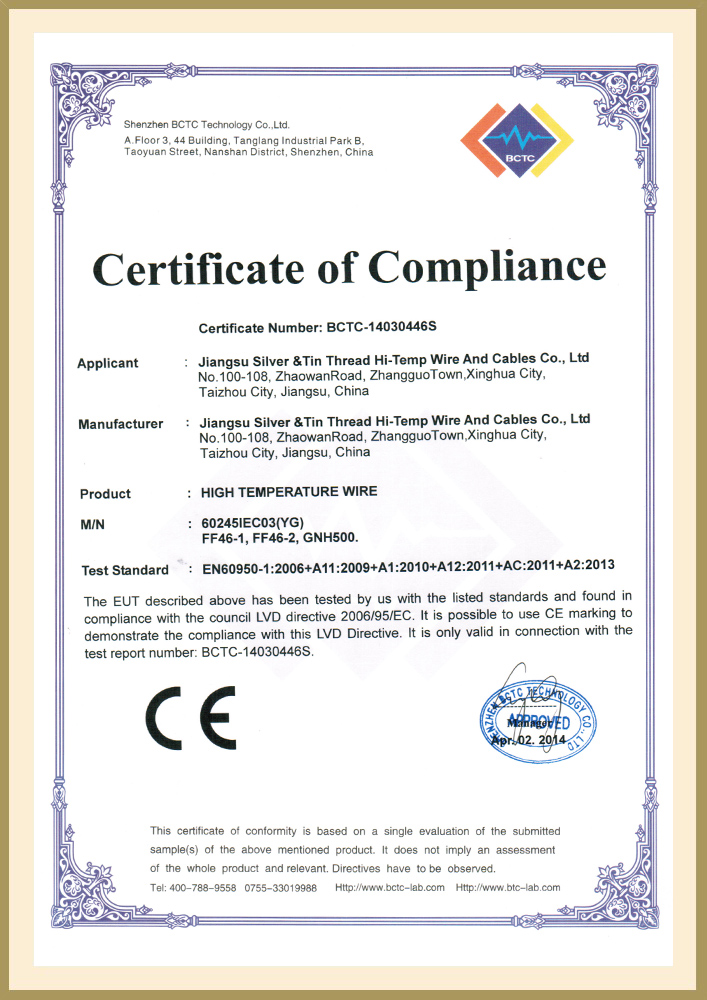
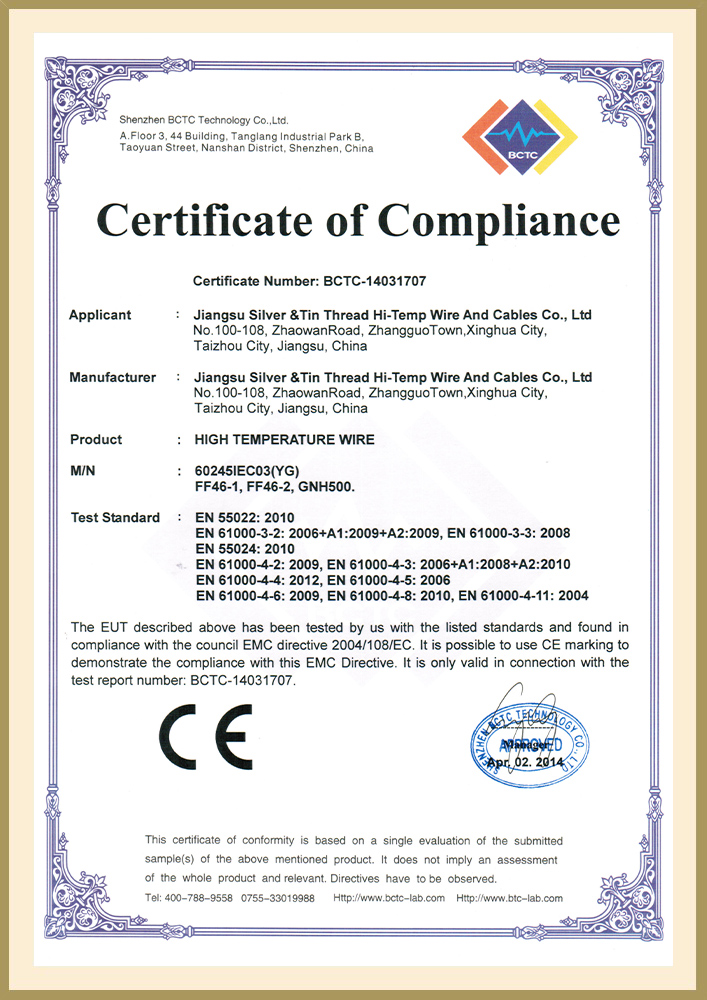
  • Certificate of Compliance
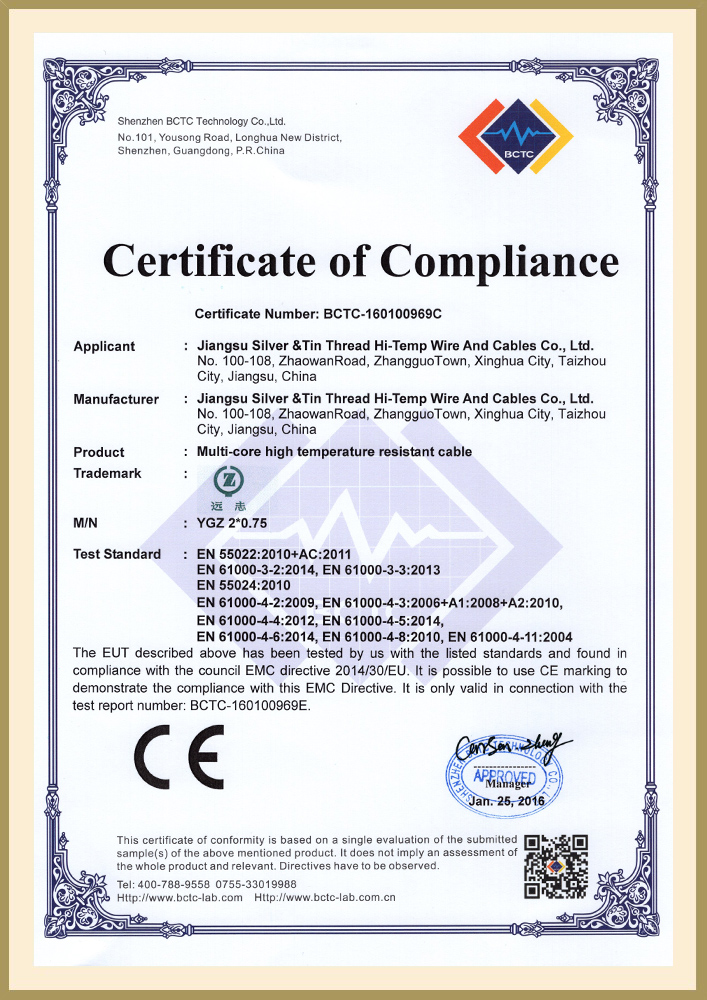
  • Certificate of Compliance
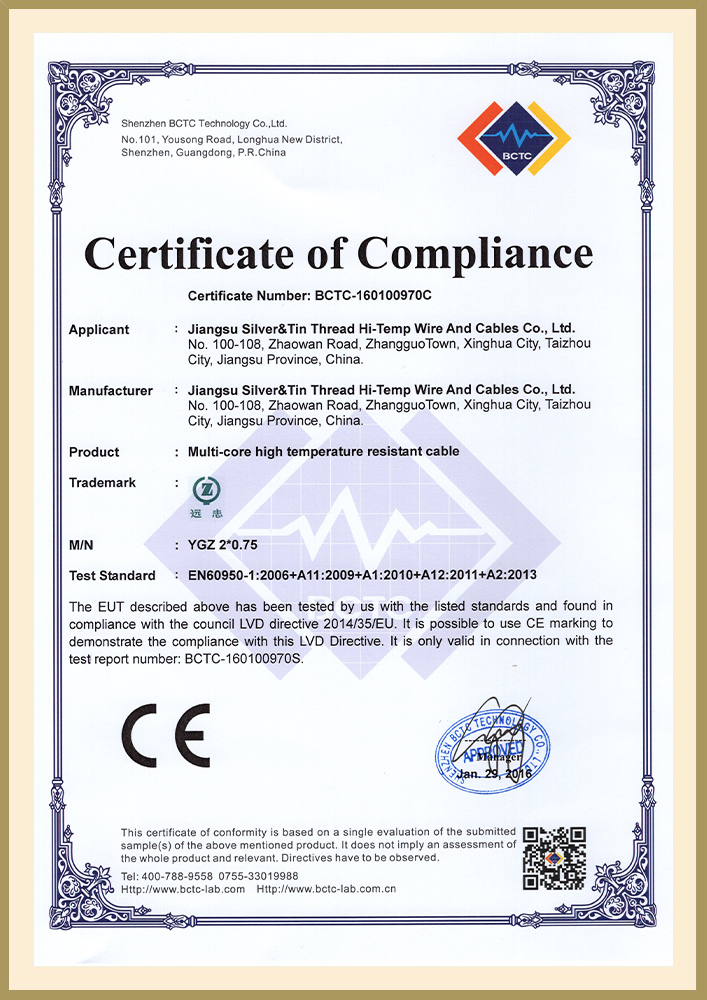
  • Certificate of Compliance
  • Certificate of Compliance
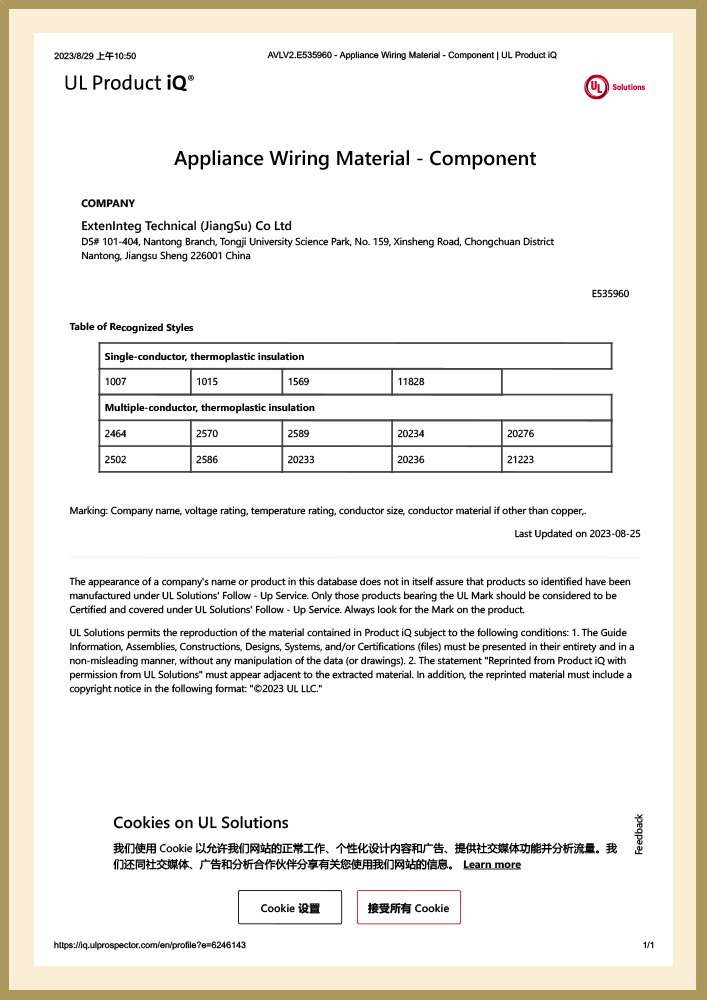
  • Appliance Wiring Material - Component
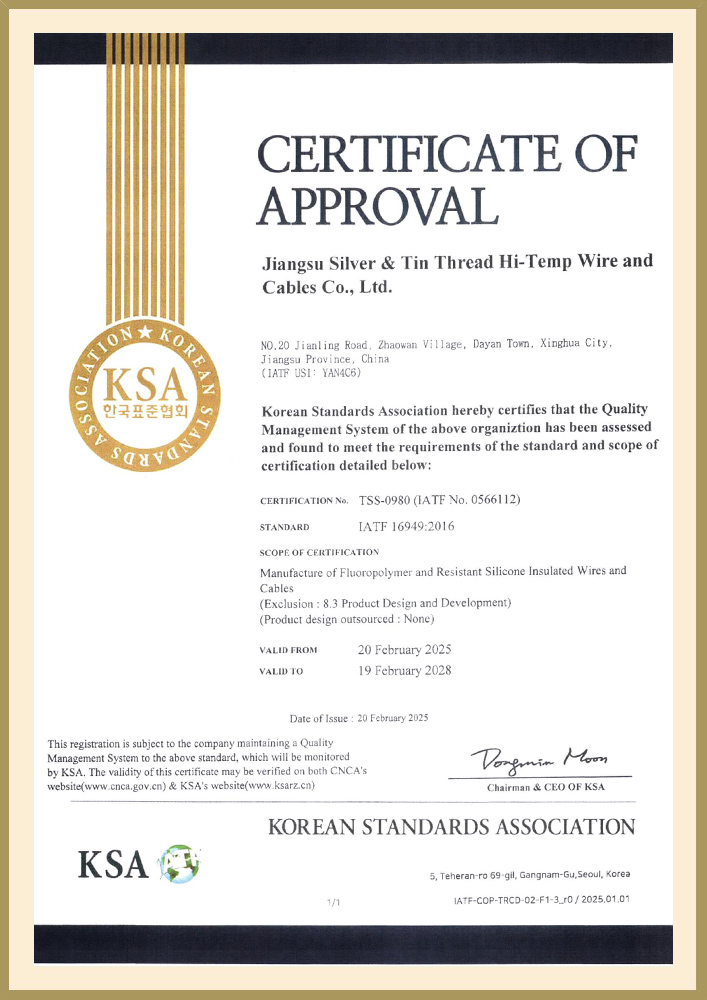
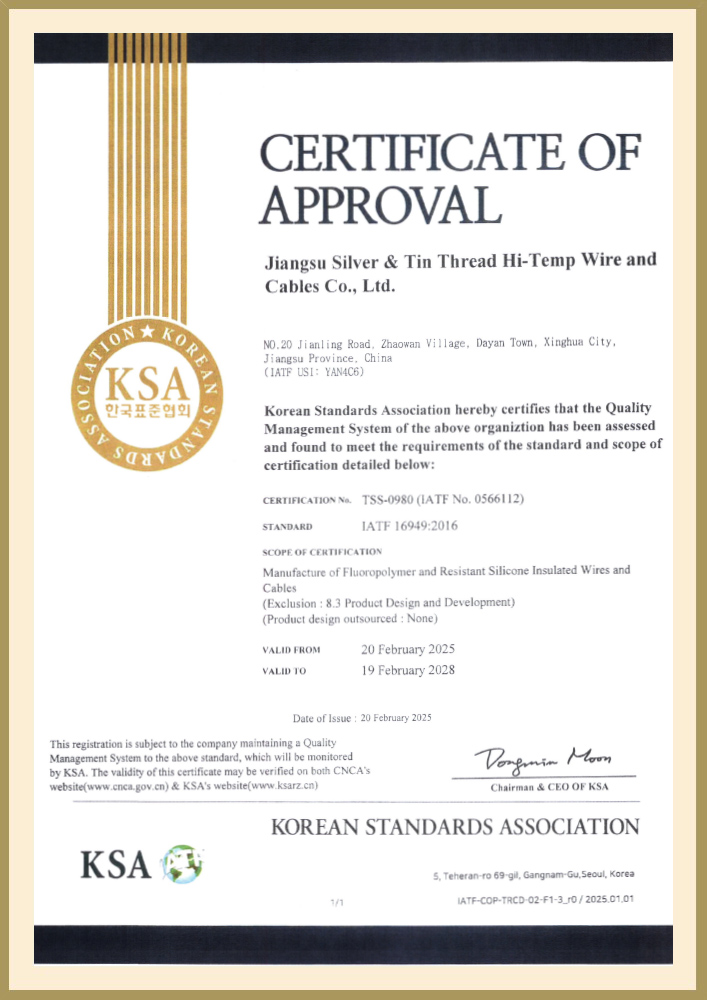
  • Certificate Of Approval
  • Certificate Of Approval
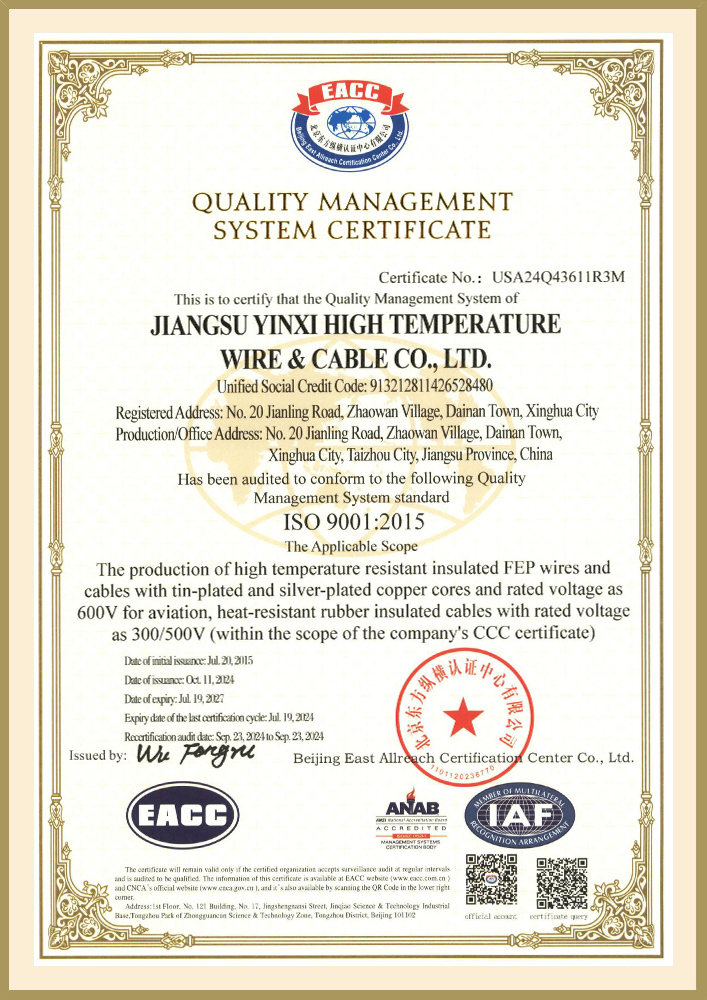
  • Quality Management System Certificate
News & Blogs
Message Feedback
Robot Control Cable Industry knowledge

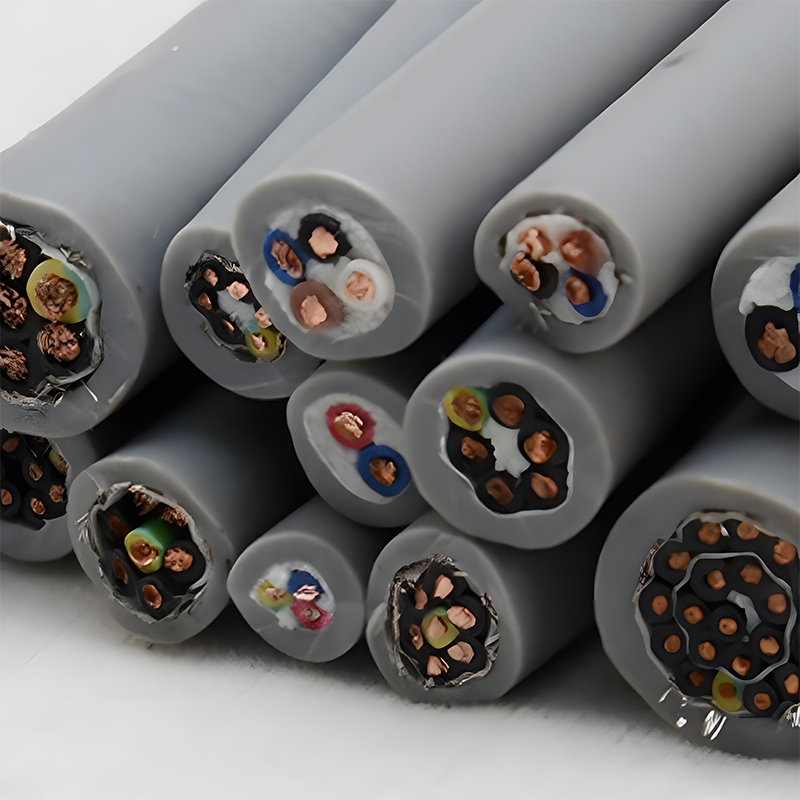
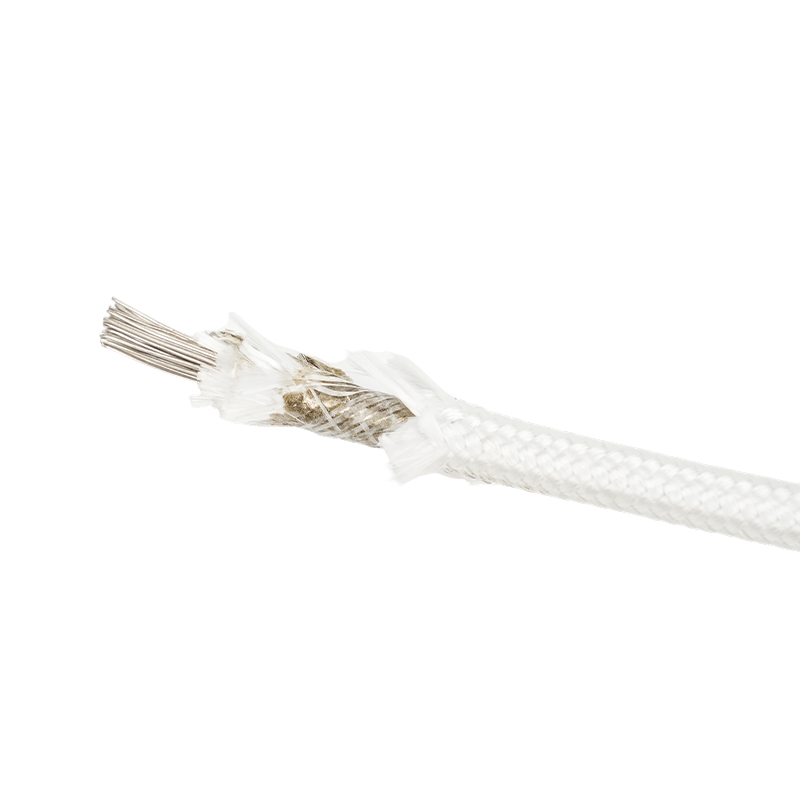
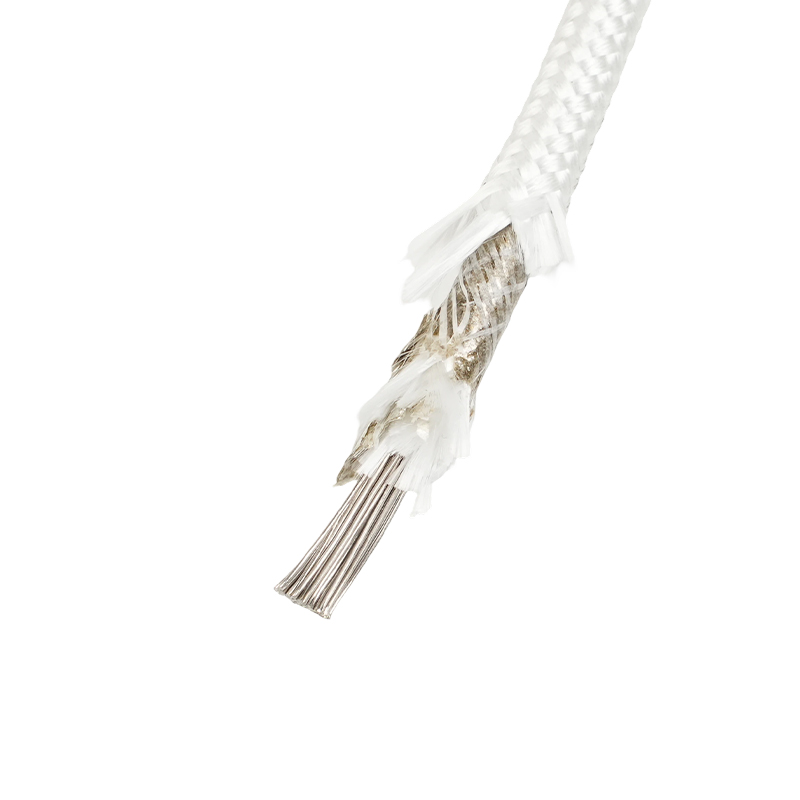
In the world of robotic automation, the control cable serves as the critical neural network, transmitting high-speed data and power while undergoing constant 3D motion. The primary challenge is not just movement, but the simultaneous combination of bending, torsion, and acceleration. Robot control cables from Jiangsu Silver& Tin Thread Hi-temperature Wire and Cables Co., Ltd. are engineered to withstand these complex stresses, preventing signal "jitter" and conductor fatigue that can lead to costly production line shutdowns.

The direct conclusion for robotics engineers is that standard drag-chain cables are insufficient for robot arms. A true robot control cable must possess a specialized internal structure that allows for multi-axis rotation. By utilizing high-purity tinned copper and low-friction Fluoroplastic (Teflon) insulation, our cables ensure consistent electrical impedance even after 10 million flex and torsion cycles.

Comparative Analysis: Standard vs. Robotics Grade Control Cables

The difference between a generic industrial cable and a specialized robot cable lies in its "dynamic endurance." Below is a technical comparison based on our laboratory performance data:

Performance Criteria Yuanzhi Robot Cable Standard Industrial Cable
Torsion Resistance ±180° /m (Qualified) ±30° /m (Failure Risk)
Dynamic Bending Life 10,000,000+ Cycles 1,000,000 Cycles
Temperature Range -65°C to +260°C -20°C to +80°C
Chemical Resistance Superior (Oil/Acid) Limited

Advanced Engineering for Multi-Axis Movement

Achieving high flexibility in a control cable requires a radical departure from traditional cable layering. At Jiangsu Silver& Tin Thread, we focus on the "Internal Slip" mechanics.

High-Pitched Stranding & Lubricated Buffers

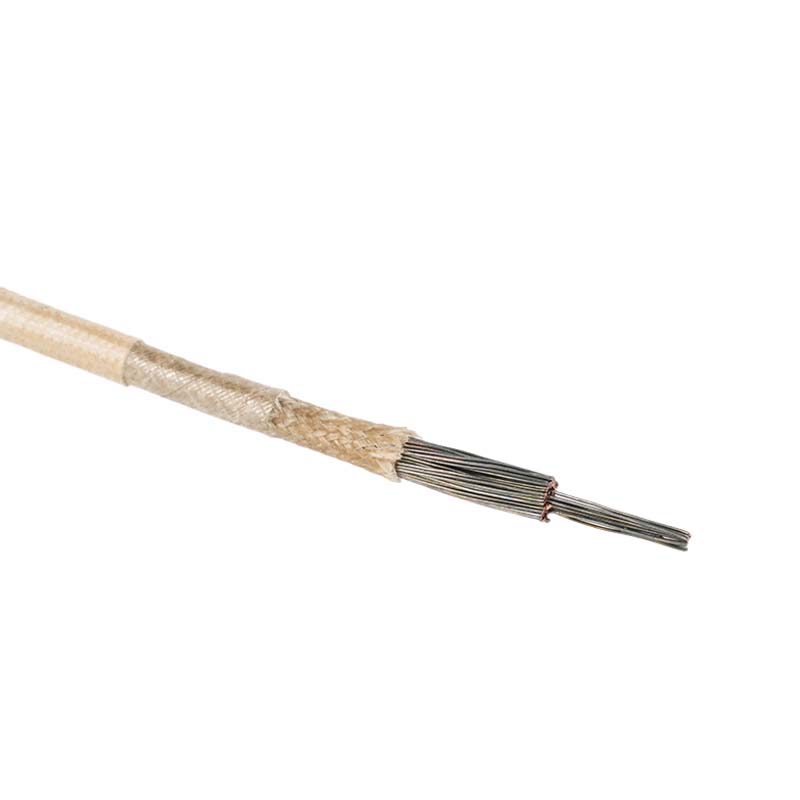
To prevent the conductors from being crushed during a twist, our robot control cables are stranded with a very short lay pitch. Between the core and the jacket, we introduce sliding elements—such as specialized PTFE tapes or high-tensile aramid fibers—which act as a "bearing" surface. This allows the internal components to shift relative to one another without friction-induced heat.

Precision EMI Shielding for Signal Purity

Robots operate in electrically noisy environments near motors and power drives. Our shielded robot cables use tinned copper braids with a coverage of >85%, applied at a specific angle that maintains its shielding effectiveness even when the cable is fully twisted or bent. This is critical for RS485, EtherCAT, and encoder signals.

Primary Robotic Application Scenarios

Our robot control cables are utilized in the most demanding automated systems worldwide.

  • Automotive Welding Robots: Resistant to weld spatter and high ambient temperatures while performing millions of complex 3D movements.
  • Pick-and-Place Electronics Assembly: Optimized for high-speed acceleration and small bending radii in compact robotic cells.
  • Cleanroom Robotics: Our Teflon-jacketed cables are particulate-free and non-outgassing, making them ideal for semiconductor wafer handling robots.
  • Subsea & Inspection Drones: Designed with hydrostatic pressure resistance and high flexibility for underwater exploration.

Why Trust Jiangsu Silver& Tin Thread?

Since 1994, Jiangsu Silver& Tin Thread Hi-temperature Wire and Cables Co., Ltd. has been a leader in the R&D of special high-end cables. Our manufacturing excellence is defined by more than just certification; it is defined by performance.

Our factory is ISO9001 and IATF16949 certified, ensuring that our production processes meet the strict quality requirements of the global automotive and robotics industries. Every batch of "Yuanzhi" brand robot cable undergoes high-precision torsion and bending tests in our dedicated laboratory. We hold UL, CE, CCC, and RoHS safety listings, and for the security of our clients, all our products are fully insured by the People's Insurance Company of China (PICC).

Technical FAQ: Professional Robot Cable Insights

1. Why is the "Lay Direction" important in robot cables?

The lay direction of the conductor strands and the braiding must be balanced. If they are not synchronized, the cable will develop internal torque, leading to the "corkscrew effect" where the cable permanently deforms and the insulation ruptures.

2. Can these cables withstand industrial coolants and hydraulic oils?

Yes. By utilizing FEP (Teflon) or specialized Silicone-Polyurethane jackets, our robot control cables are 100% chemically inert to the most aggressive cutting oils, cooling fluids, and lubricants used in heavy-duty manufacturing.

3. What is the difference between static and dynamic bending radius?

A static bending radius (usually 4x OD) refers to a fixed installation. For robots, the dynamic bending radius (usually 7.5x to 10x OD) is the critical figure, representing the minimum radius the cable can safely handle while in constant motion without degrading the copper strands.