

 English
 русский
 Español
 عربى
عربى

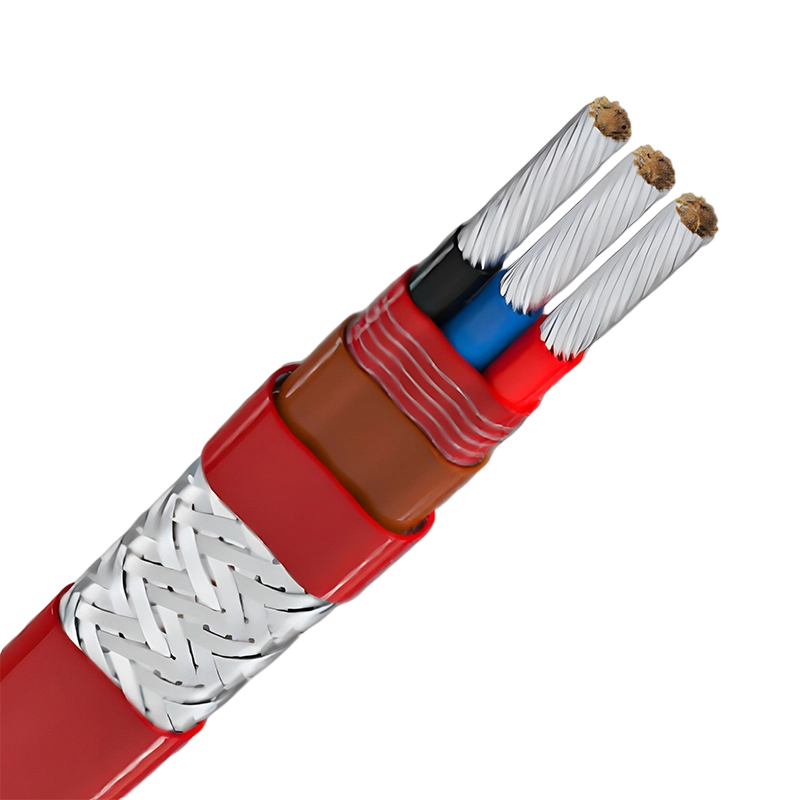
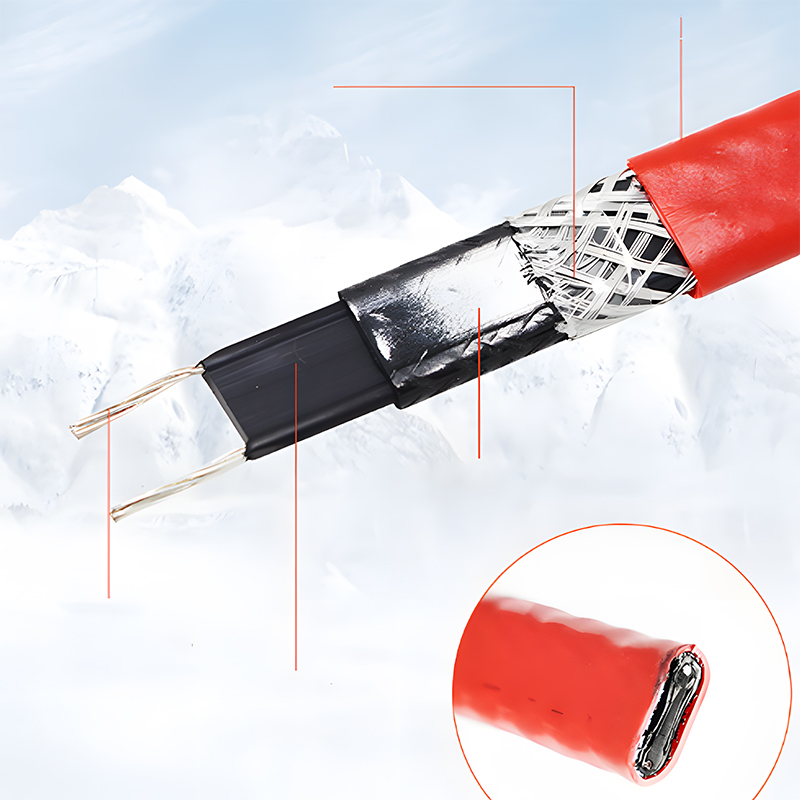
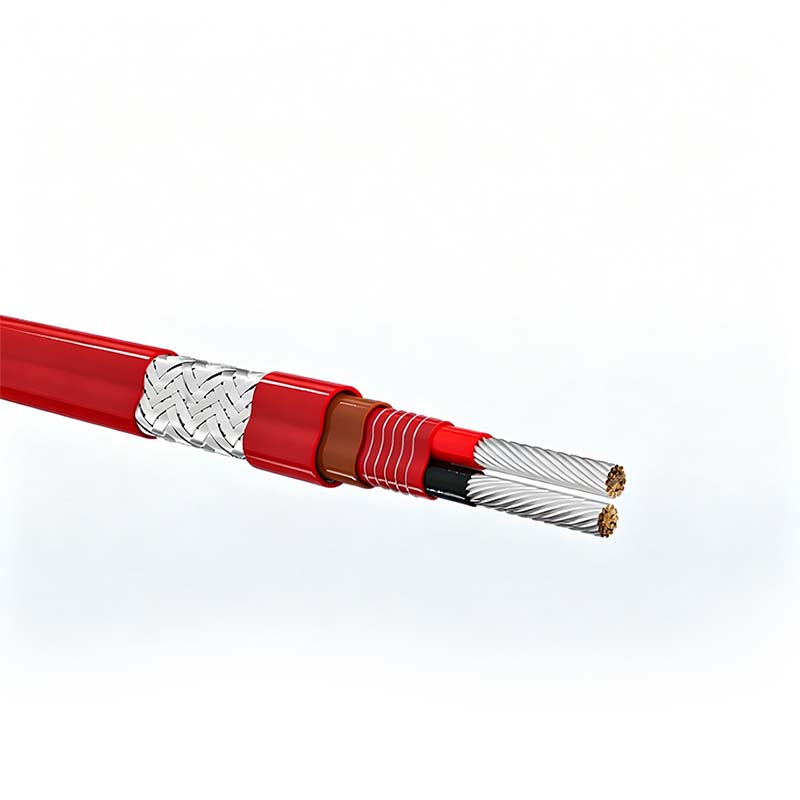
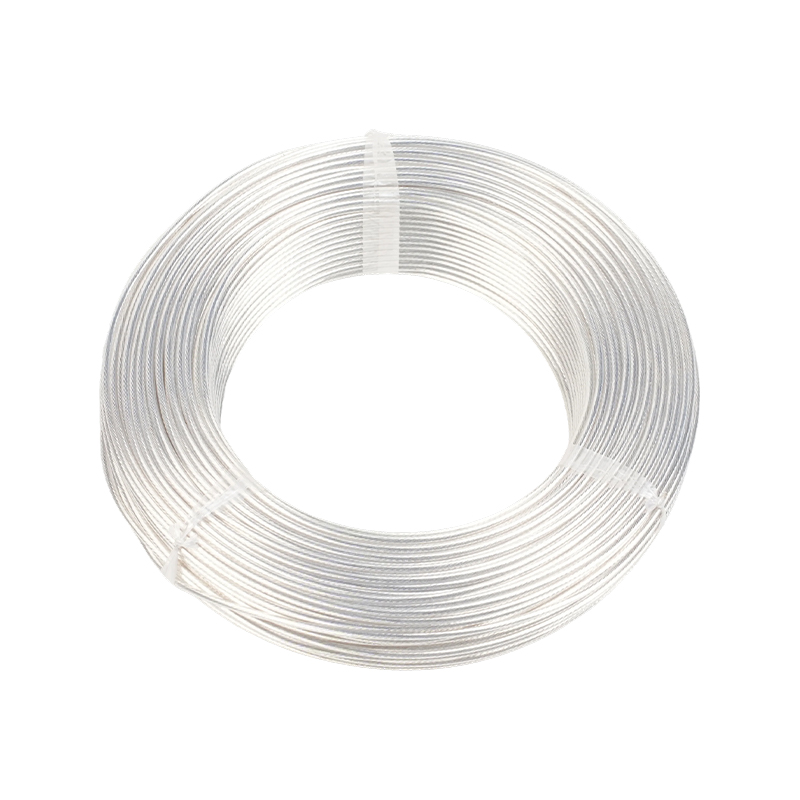
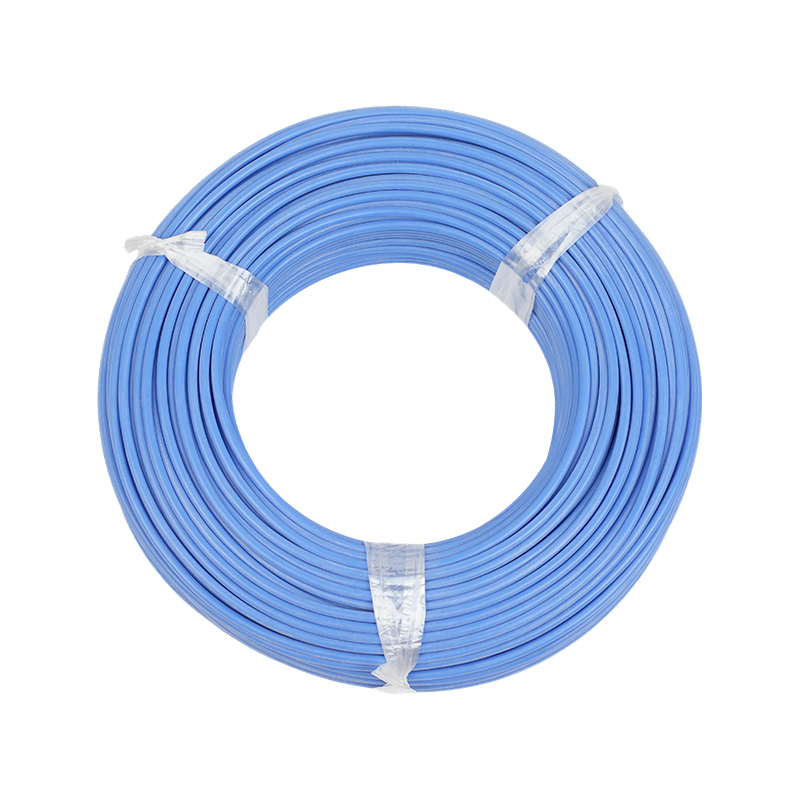
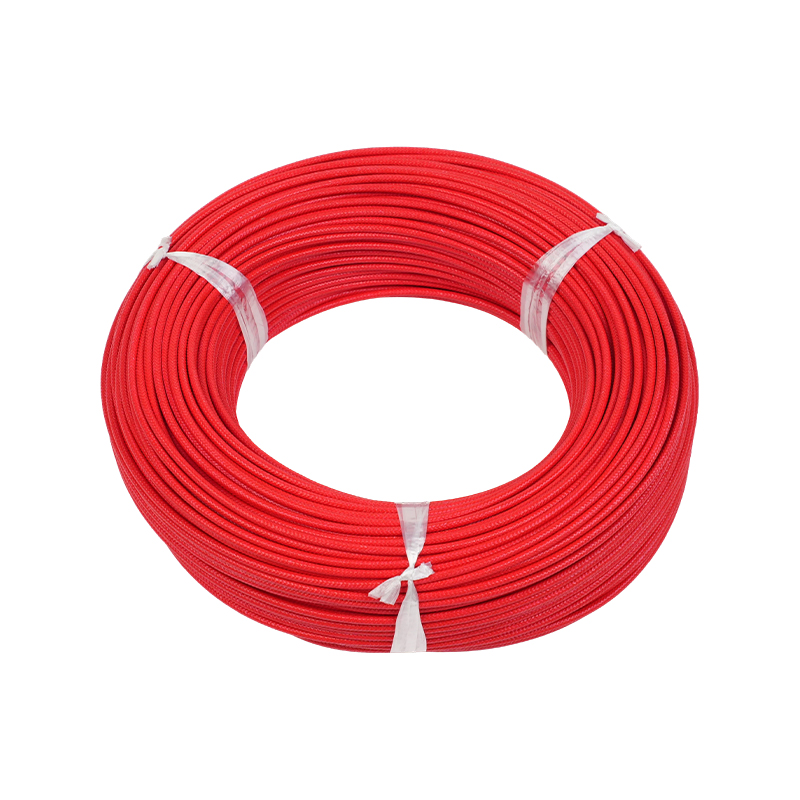
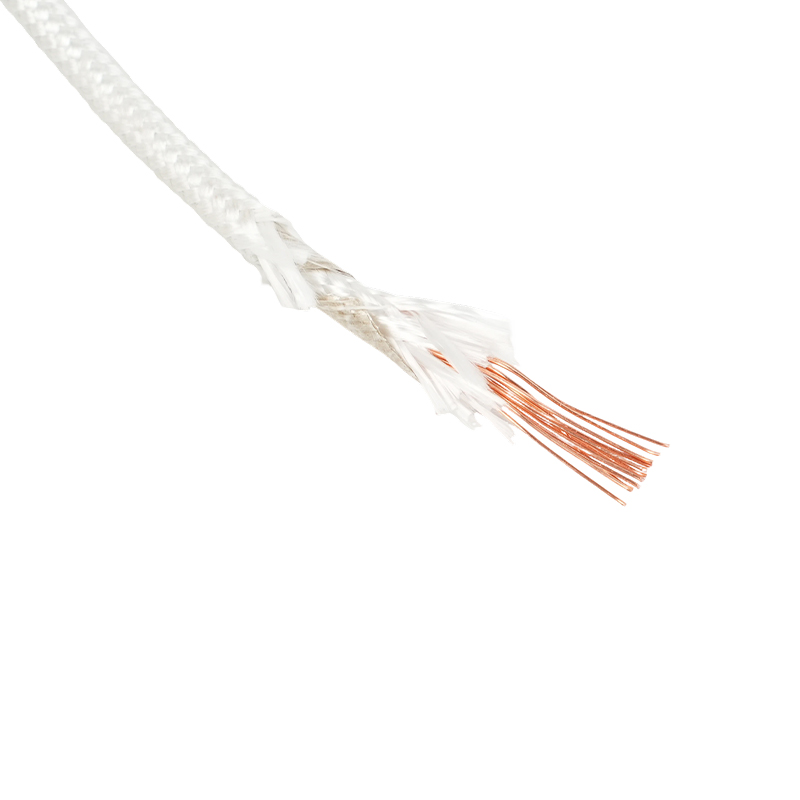
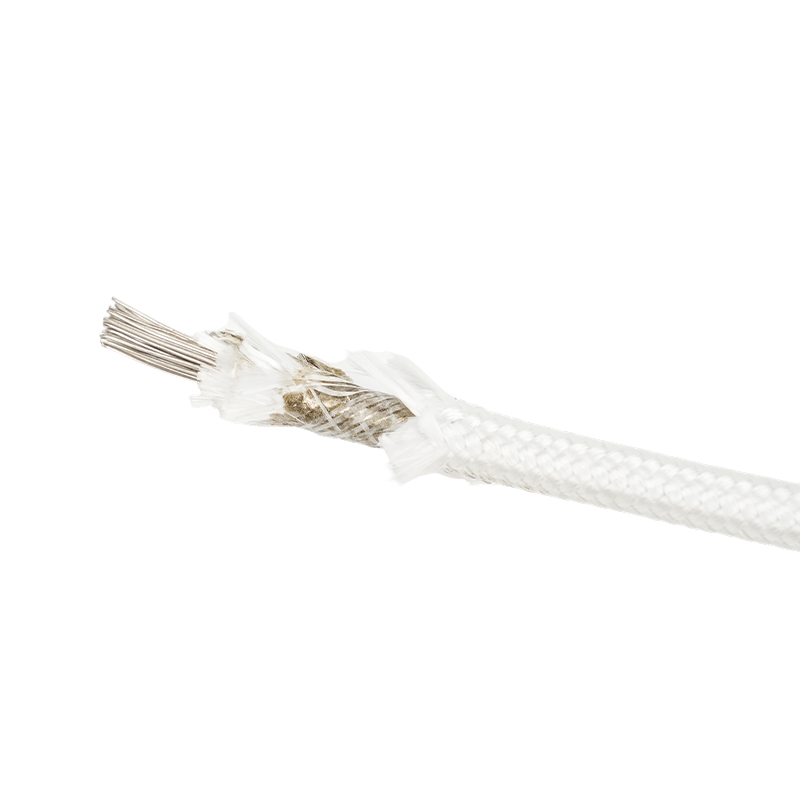
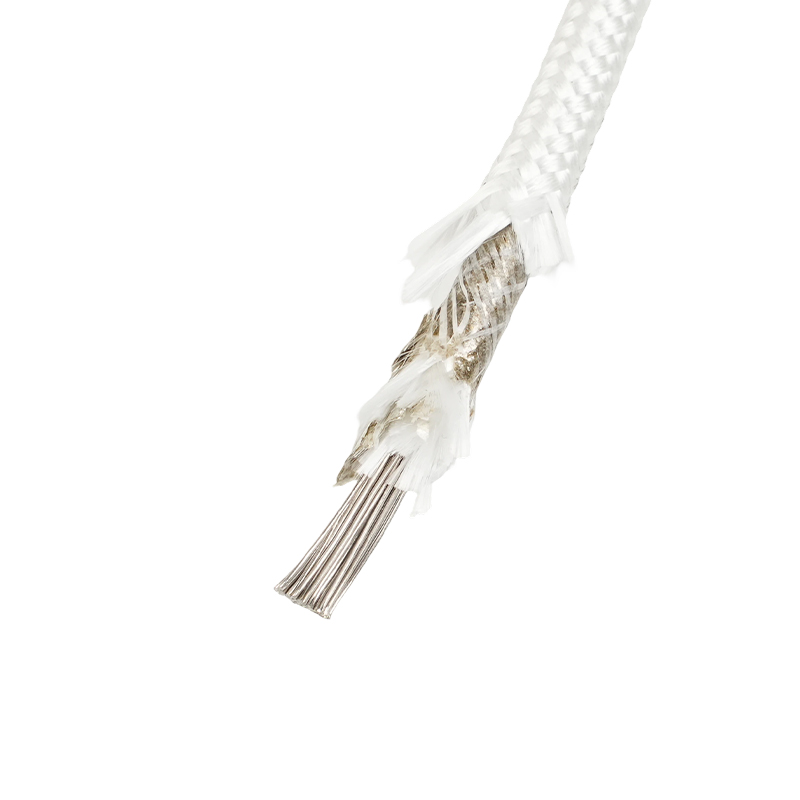
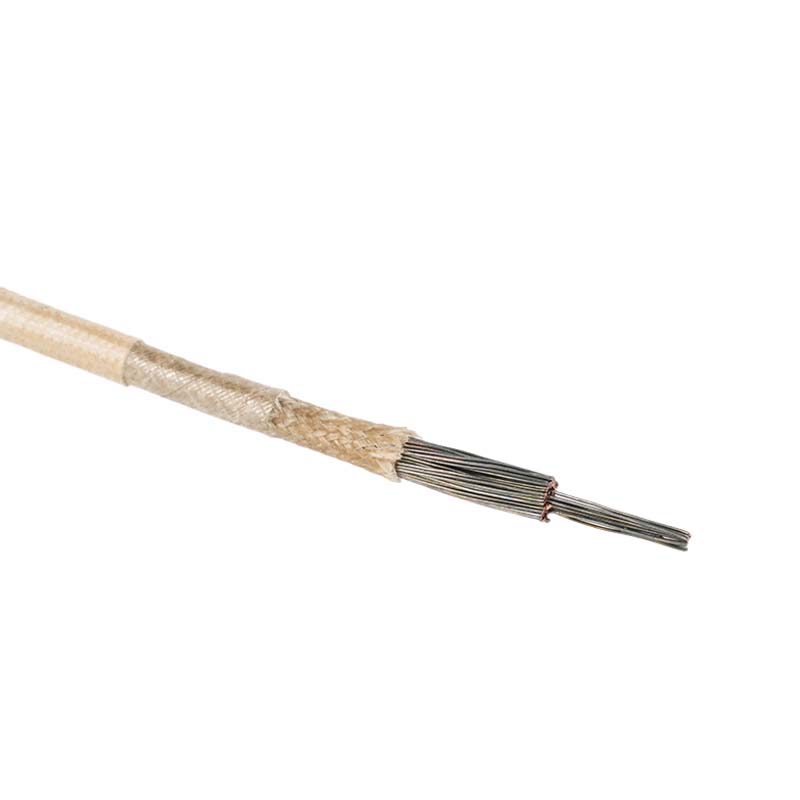
Jiangsu Silver& Tin Thread Hi-temperature Wire and Cables Co., Ltd., is China Heating Cable Supplier and Heating Cable Factory, founded in Taizhou, Jiangsu Province in 1994, successfully registered the "Yuanzhi" trademark in 2002. The company specializes in the production and R&D of high-quality high-temperature cables. Its products primarily use Teflon, silicone rubber, flame-retardant polyethylene, and fire-resistant mica tape as insulation materials, and pure nickel, silver-plated, nickel-plated, tin-plated, and oxygen-free bare copper wire as conductors. The production process involves more than twenty steps, including wire bundling, cabling, stranding, extrusion, rubber extrusion, shielding, braiding, and coating. The company manufactures nearly a thousand specifications across eight major series, including cables for electrical equipment, control systems, signal transmission, computers, compensation, fire resistance, high and low temperature resistance, and high voltage resistance. Currently, it has the production capacity for conductor cross-sections up to 400mm2, voltage up to 100kV, and temperature ratings from -65°C to +1200°C.
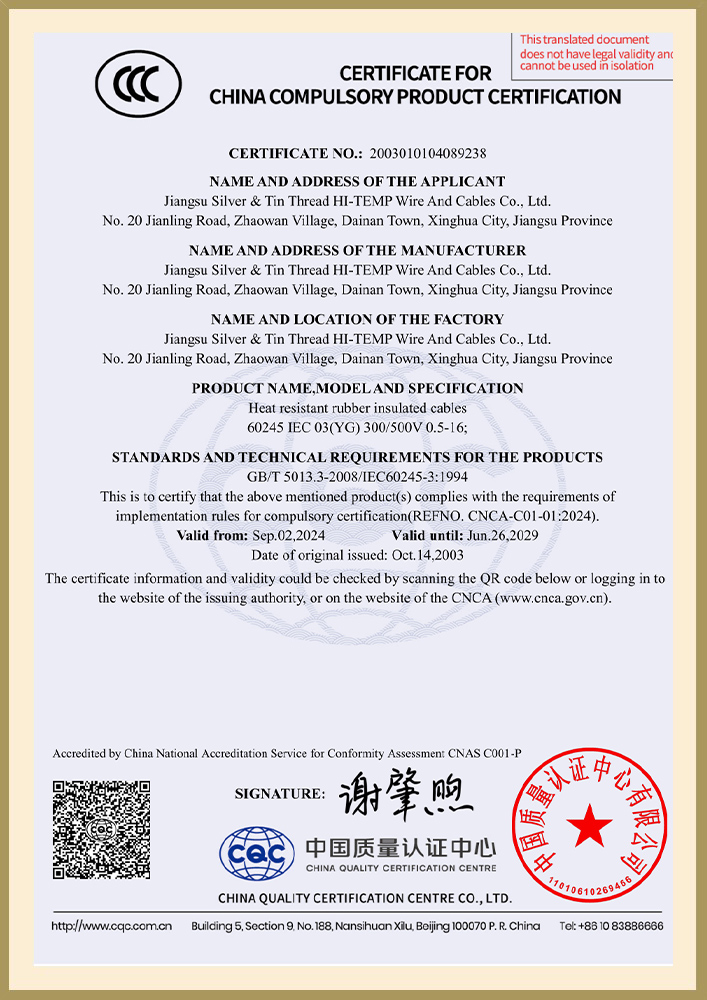
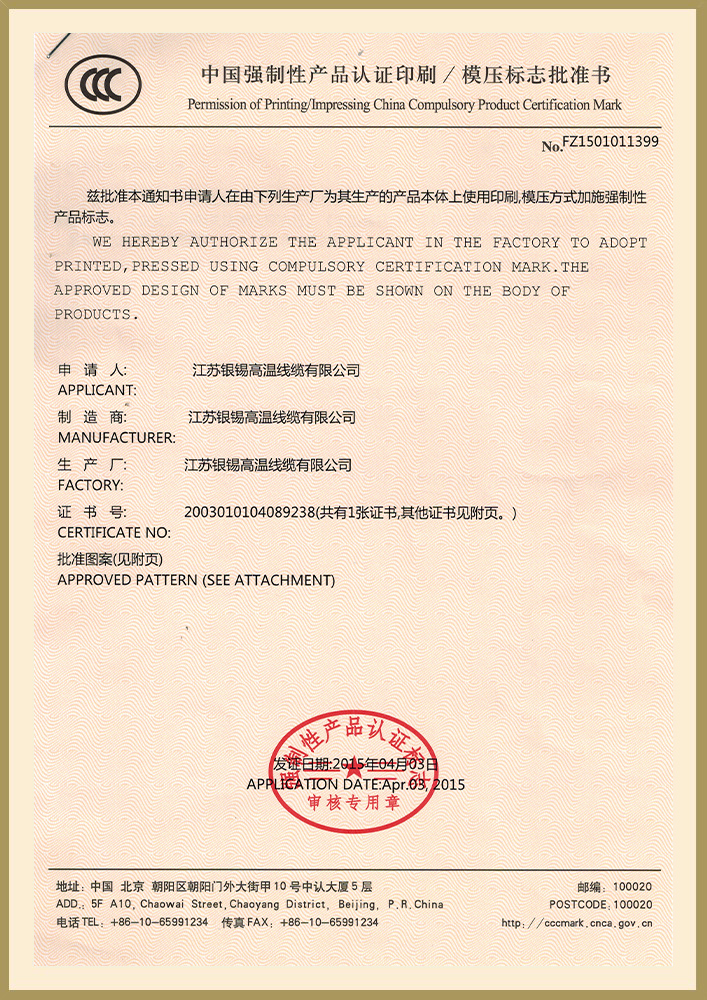
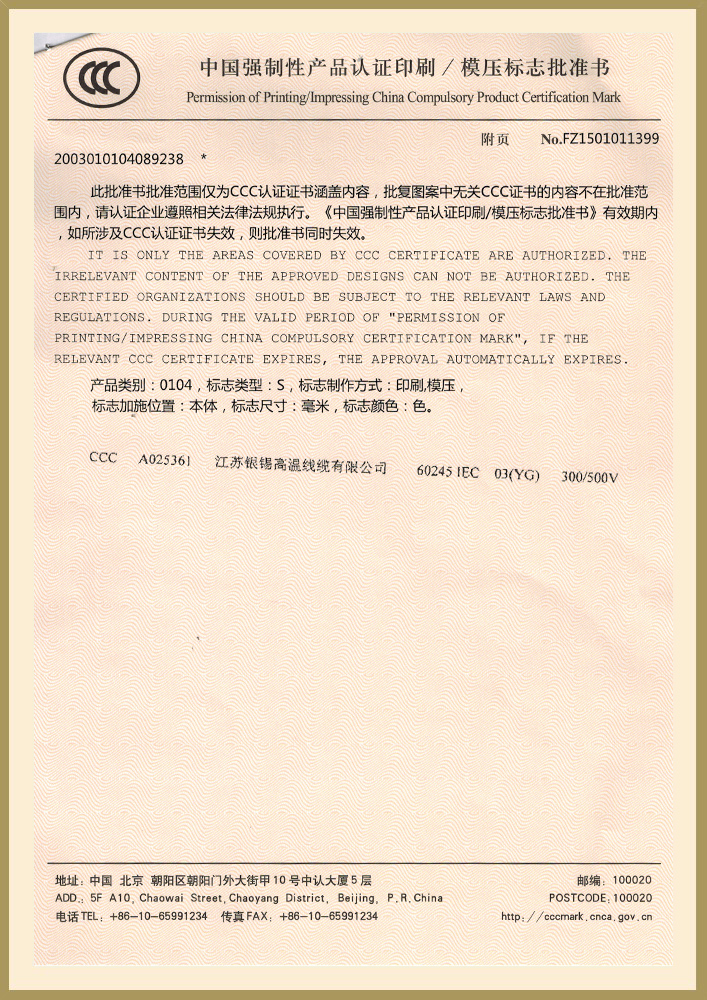
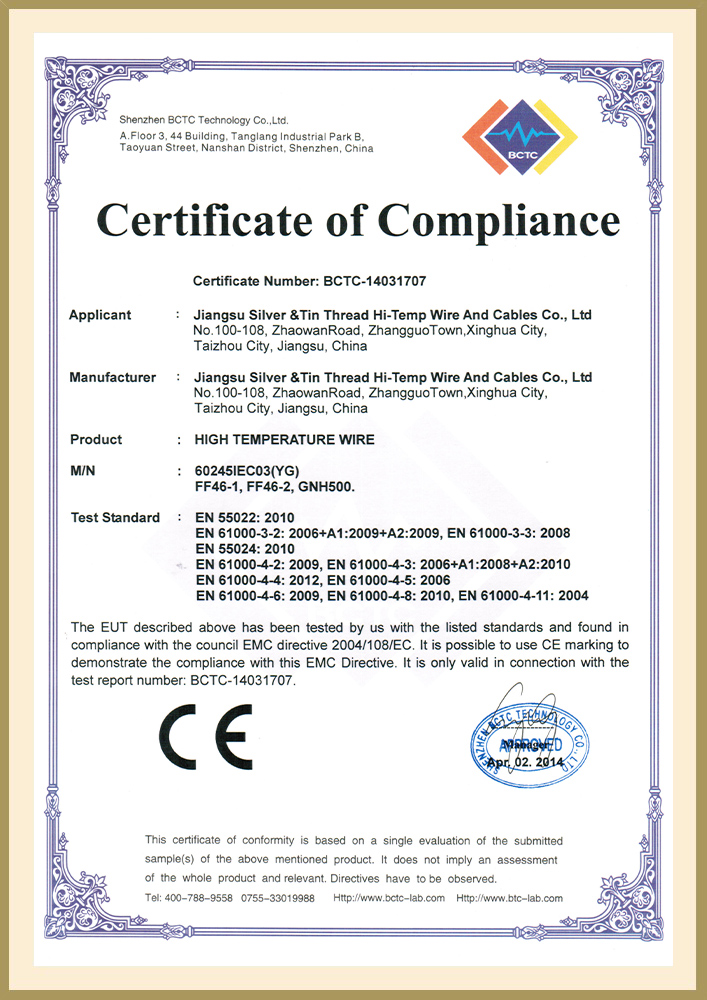
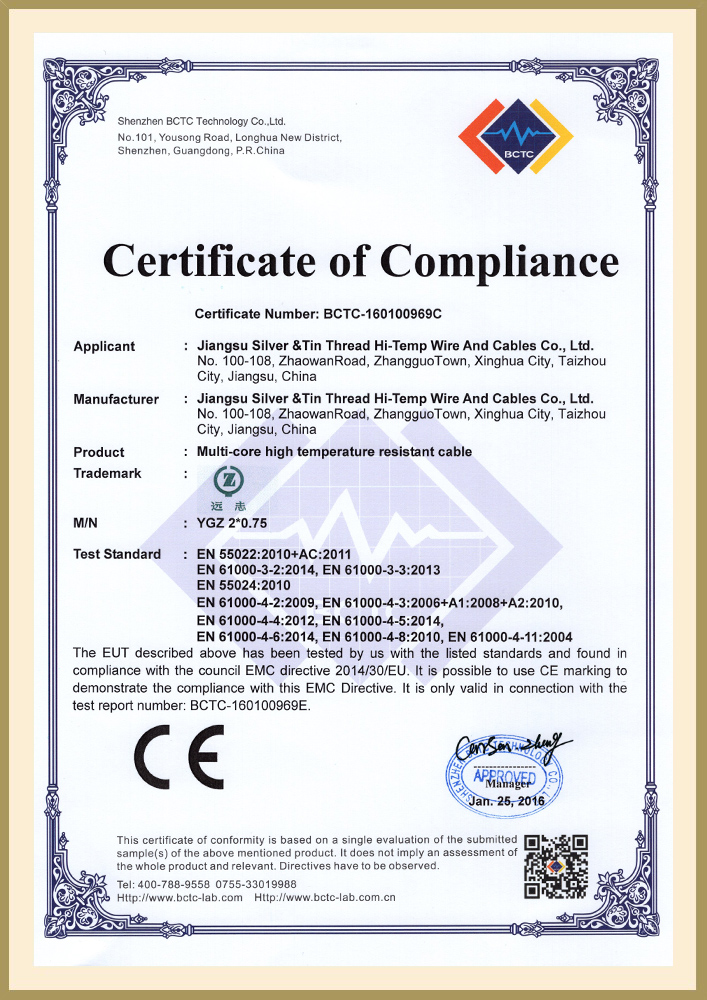
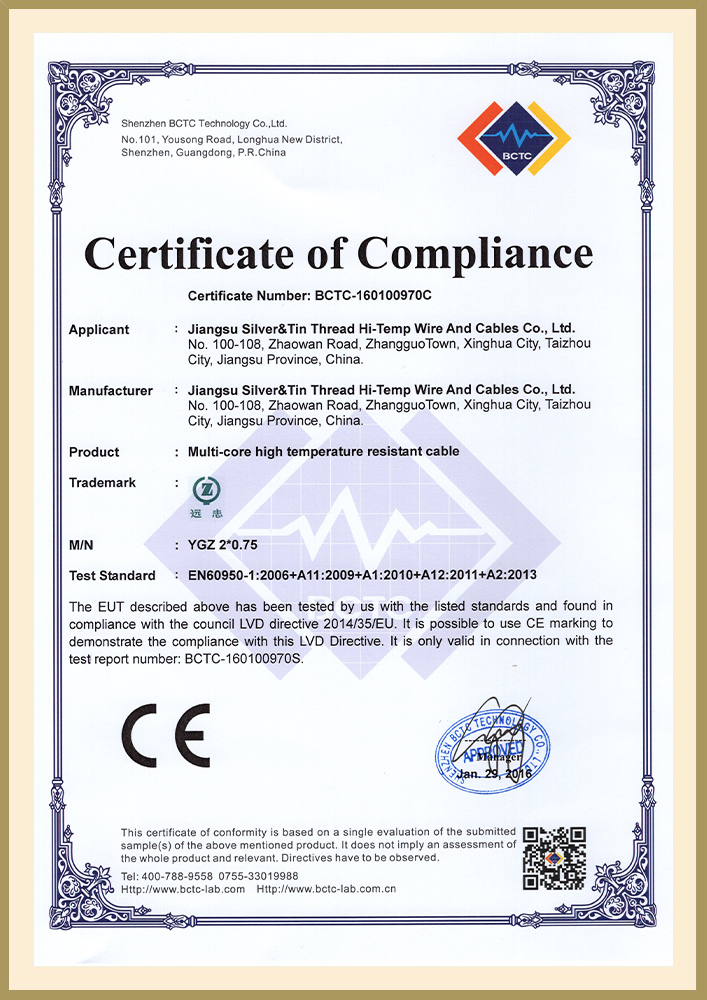
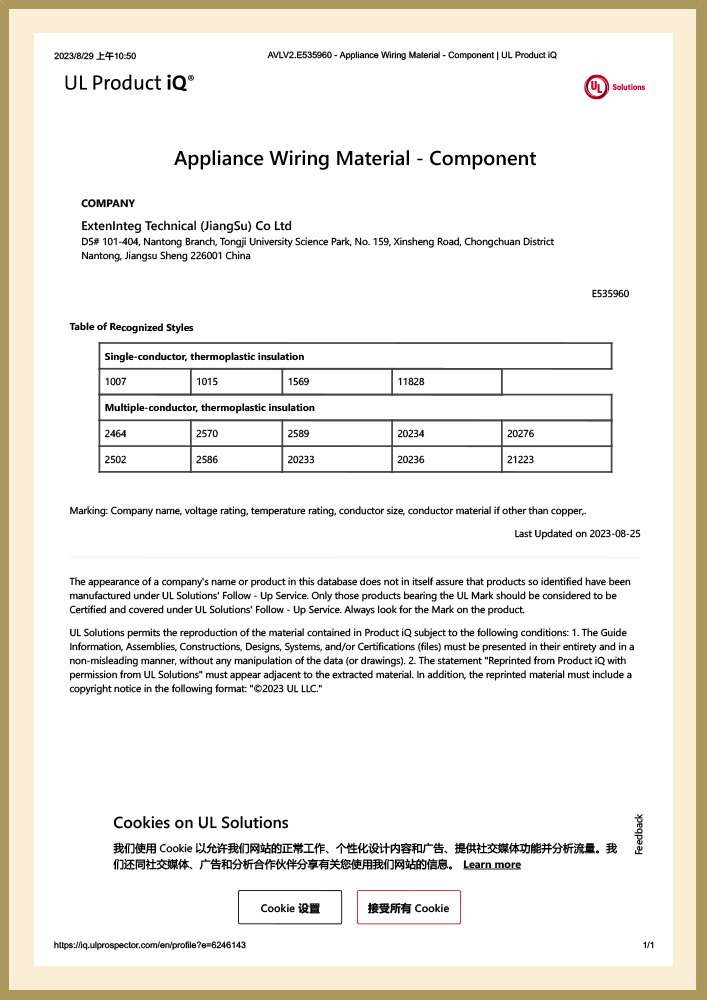
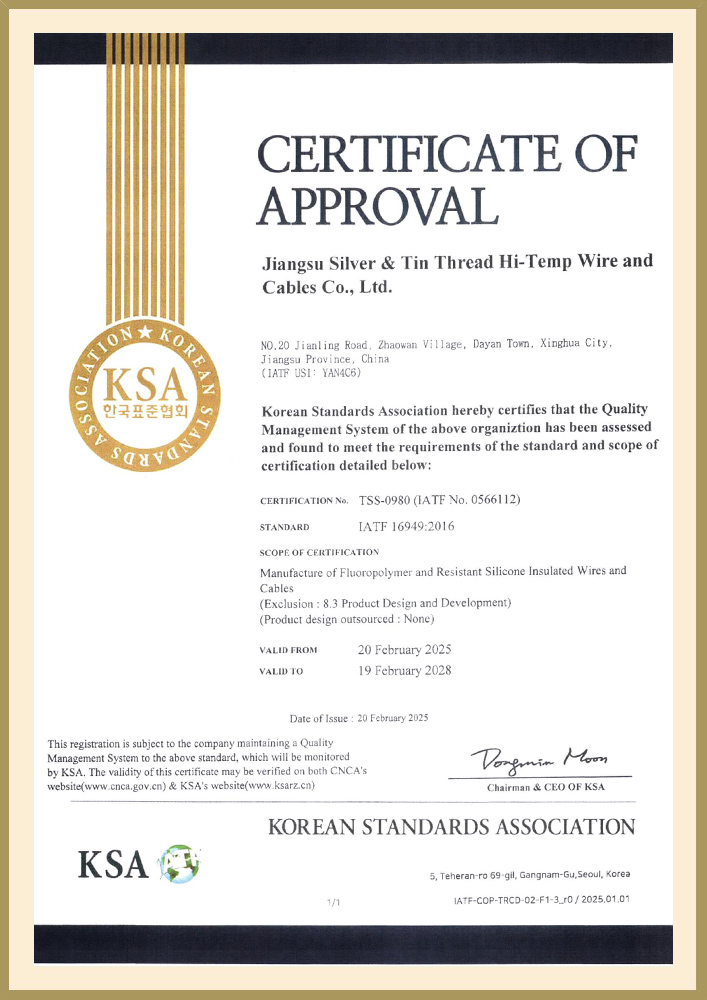
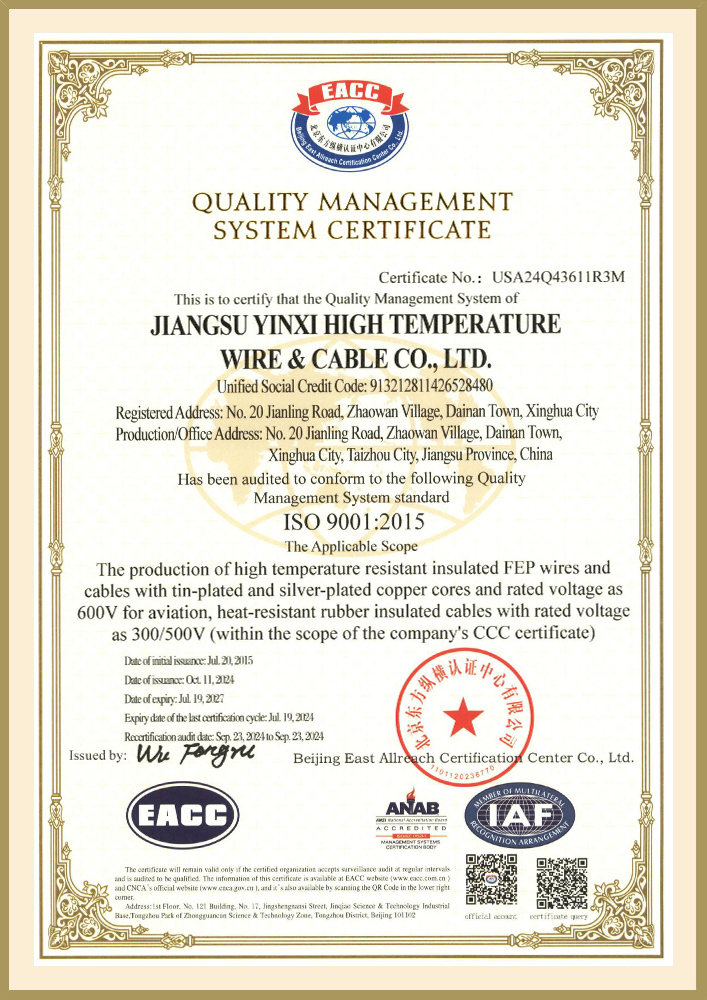
Our company's products are manufactured according to advanced international and national standards. Its garden-style production base has passed ISO9001 quality management system certification and is a "Comprehensive Quality Management Standard Compliance" enterprise certified by the Ministry of Agriculture. Our products have received CCC quality certification, UL safety certification (USA), and have been recognized as a "Famous Product of Township Enterprises in Jiangsu Province." They have passed the full sampling inspections conducted by the National Wire and Cable Testing Center, the Provincial Quality Supervision and Testing Center, and the Taizhou Municipal Bureau of Quality and Technical Supervision. Listed as a "Key Protected Product of Taizhou City," our products are used by large enterprises like Chunlan and high-tech fields such as the 95856th Unit of the Ministry of Aerospace Industry. Some products are exported. To further demonstrate our commitment to providing peace of mind to our customers, our products have been insured with the People's Insurance Company of China for many years. We are a company that "honors contracts and keeps promises."
Our company will continue to adhere to the quality policy of "meticulous quality control, unwavering commitment to customers, and technological advancement for enterprise development," with "customer satisfaction" as our guiding principle, and comprehensively expand the "Yuanzhi" business.
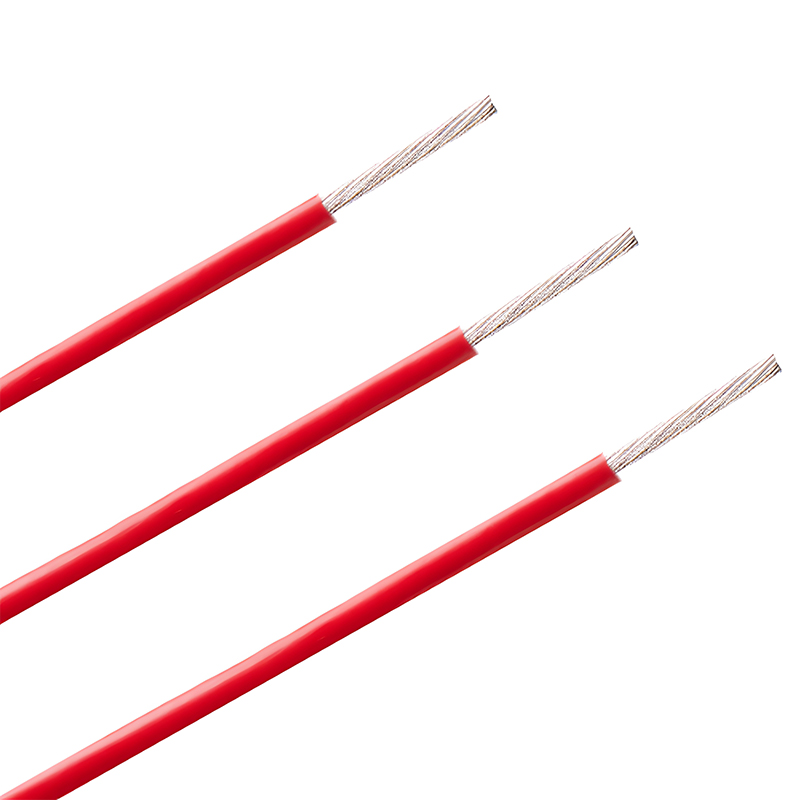
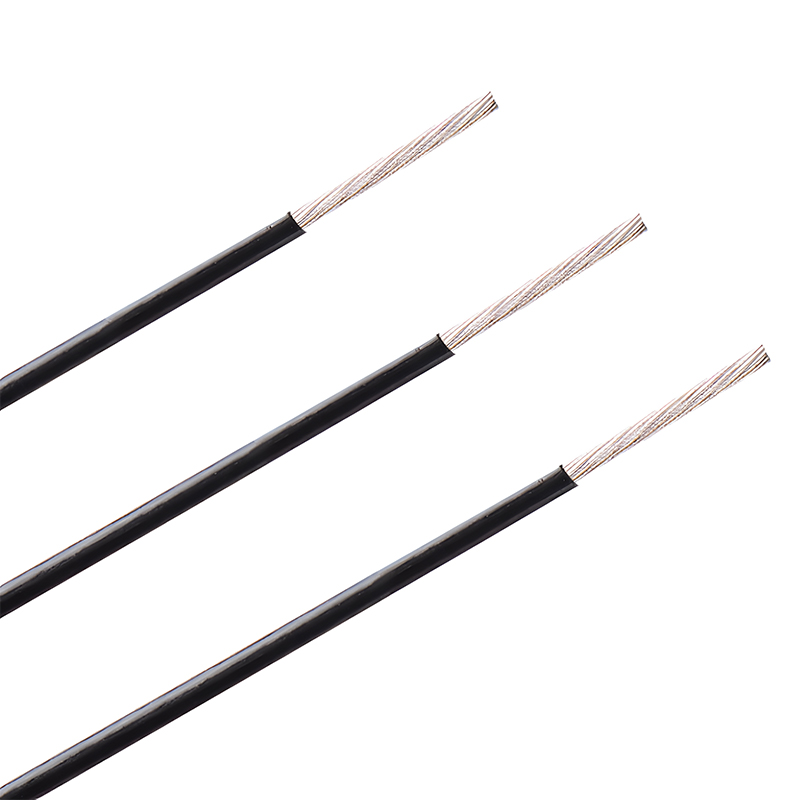
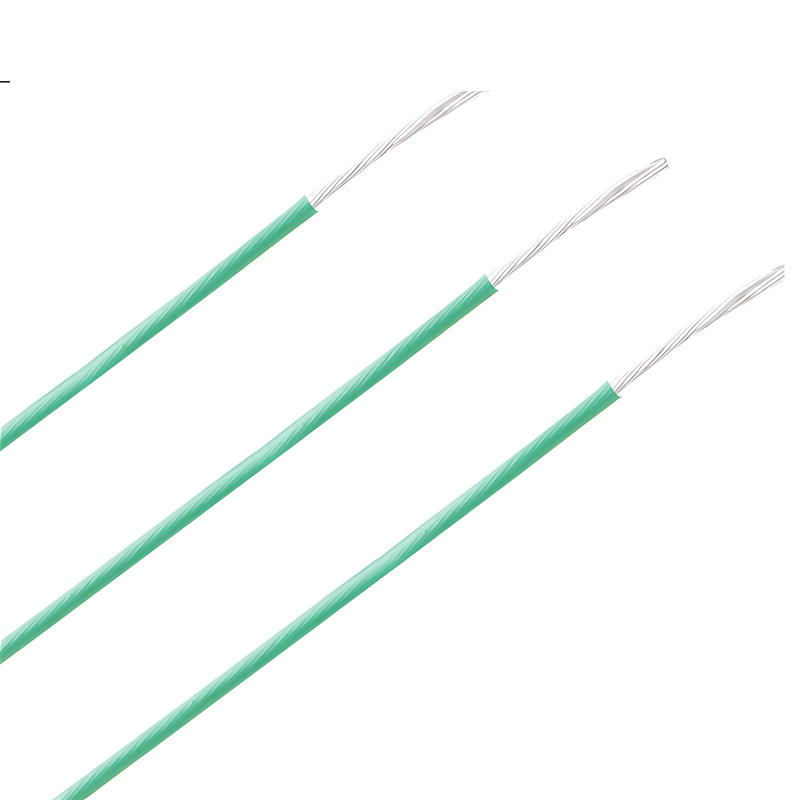
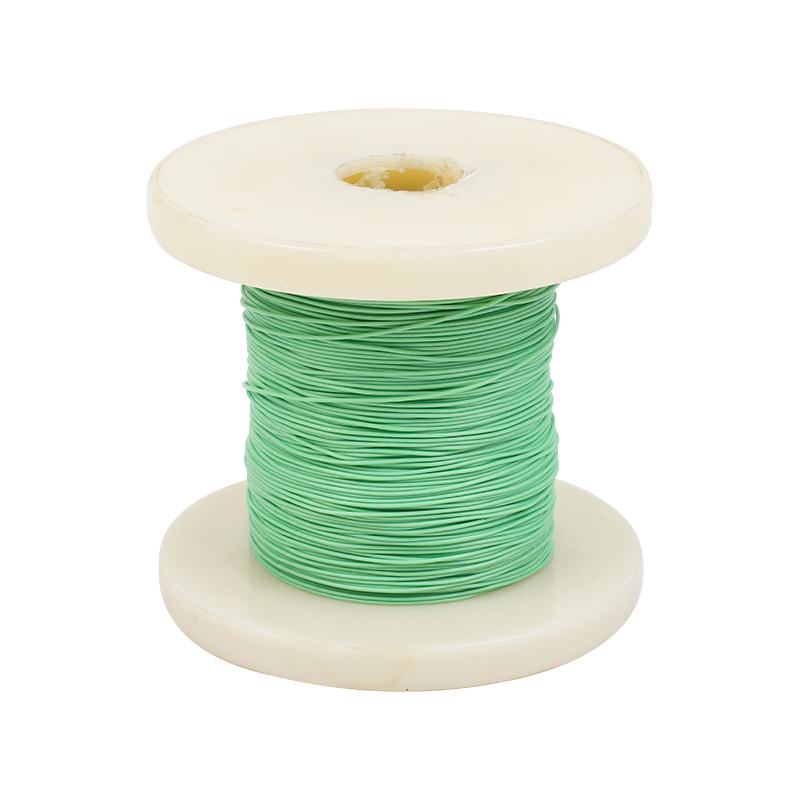
A procurement team in Southeast Asia sends the same RFQ to five Chinese cable factories: 3,000 metr...
READ MORE