
 English
 русский
 Español
 عربى

 Home / News / Industry News / China German Standard Single Core Cable: FLRY, FLR2X and FLU Buying Guide

Industry News
China German Standard Single Core Cable: FLRY, FLR2X and FLU Buying Guide
2026-10-02
Content
A European harness plant places a 300,000-metre order for 0.35 mm² FLRY-B in orange. The reels arrive on time, the jacket print matches the drawing, the length is right, and the first batch still fails goods-in. Conductor resistance reads 57 mΩ/m against a 52 mΩ/m limit, and the insulation wall is under the minimum at its thinnest point. Nothing about the cable looks wrong on the reel, which is exactly the problem.
That failure mode is the most useful thing to understand about buying German standard single core cable from China: the part number is not the specification. A cable sold as "FLRY 0.35" can be built several ways, and only one of them passes an incoming inspection that follows DIN 72551-5 or ISO 6722-1. Below: how the designations work, which measurements decide acceptance, where a low quote hides its savings, and what to demand before releasing a shipment.
What "German Standard" Really Means on a Single-Core Cable
German standard single core cable is a family, not a product. The base documents are DIN 72551-5 for single-core low-voltage vehicle cable and ISO 6722-1 for single-core cables rated 60 V DC or 25 V AC. Above them sits the OEM requirement, most often LV 112, the standard German car makers and their harness suppliers name on the drawing.
The designation itself carries the specification. Read it letter by letter:
- F — flexible, finely stranded copper conductor, never solid or coarse stranded.
- L — the vehicle wiring family, with cross-section quoted in mm².
- R — thin wall insulation; the letter buyers pay for and rarely verify.
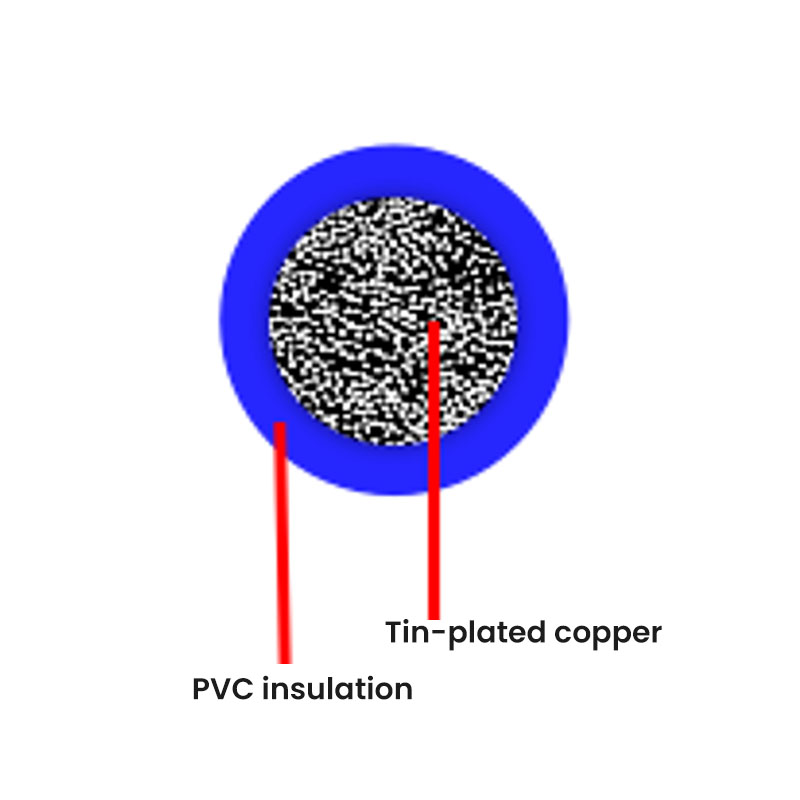
- Y — PVC insulation, used for the lower temperature classes.
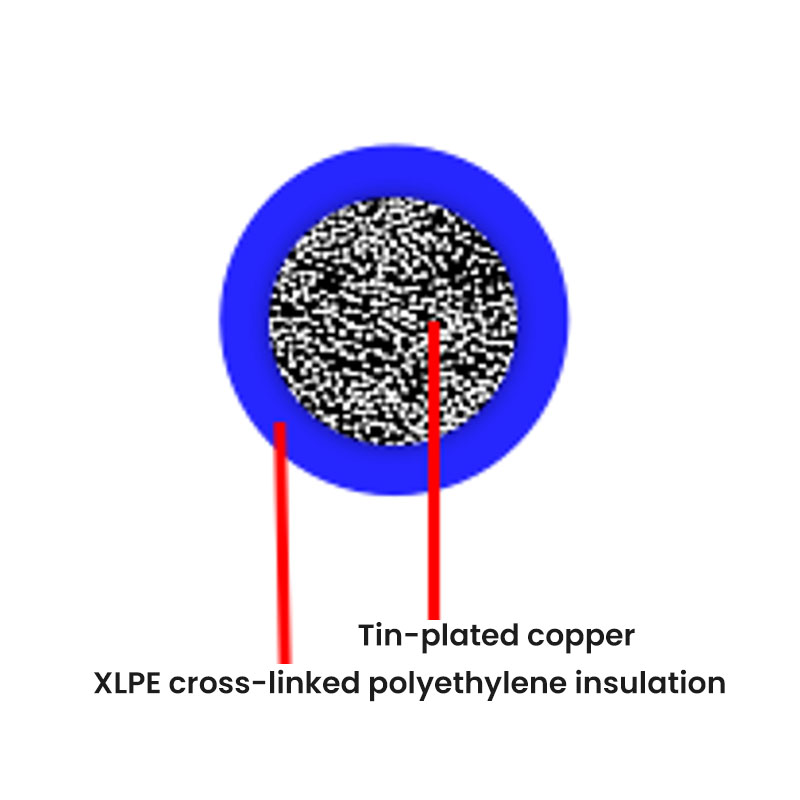
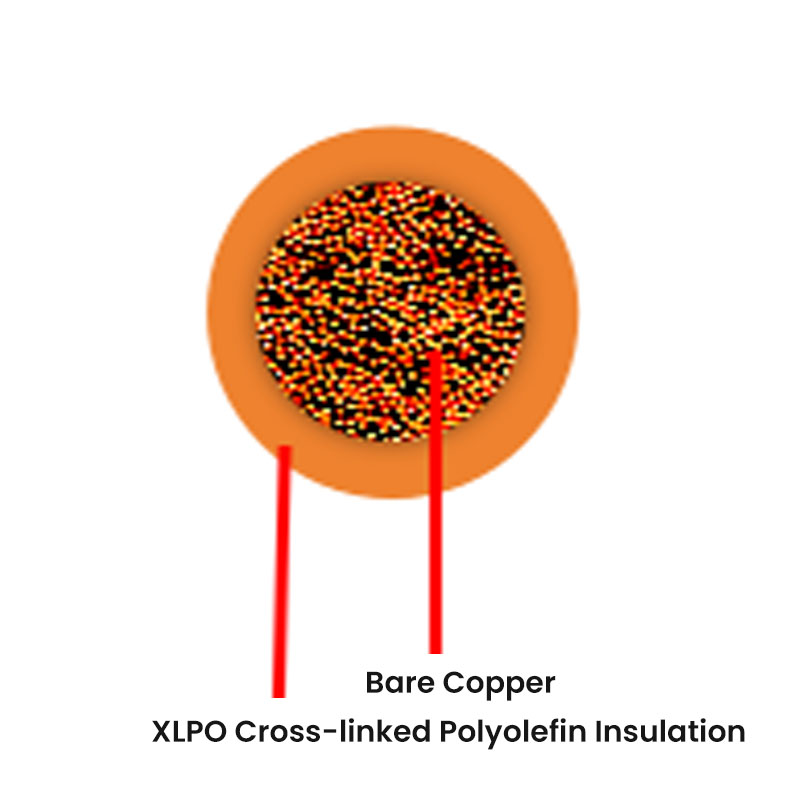
- 2X — cross-linked polyethylene (XLPE), for circuits that run hotter for longer.
- U — ultra-thin wall, chosen when bundle diameter and weight matter more than abrasion resistance.
So FLRY and FLR2X are not interchangeable at the same cross-section, and a PVC part must not replace an XLPE part without re-checking the temperature class of every circuit it feeds.
The Measurements That Decide Pass or Fail
Four numbers decide whether a reel is accepted: conductor resistance, minimum insulation wall, outer diameter, and the temperature class the insulation can hold. Resistance catches the most problems, because it responds to both copper quality and strand construction, and it takes minutes to measure.
| Nominal cross-section | Max. resistance at 20 °C (mΩ/m) | Common insulation | Typical temperature class |
|---|---|---|---|
| 0.35 mm² | 52.0 | PVC (FLRY) / XLPE (FLR2X) | 105 °C / 125 °C |
| 0.50 mm² | 37.1 | PVC / XLPE | 105 °C / 125 °C |
| 0.75 mm² | 24.7 | PVC / XLPE | 105 °C / 125 °C |
| 1.00 mm² | 18.5 | PVC / XLPE | 105 °C / 125 °C |
| 1.50 mm² | 12.7 | PVC / XLPE | 105 °C / 125 °C |
| 2.50 mm² | 7.6 | PVC / XLPE | 105 °C / 125 °C |
Two cautions. These figures are maxima measured on a one-metre sample with a four-wire Kelvin method; a hand-held two-wire meter adds contact resistance and can read several mΩ/m high, producing false rejections. Resistance is also temperature dependent, so correct a reading taken at temperature t with R20 = Rt ÷ (1 + 0.00393 × (t − 20)) before comparing it with the table.
Wall thickness is the second battleground. A cross-section micrograph taken at the thinnest point is the only reliable check, and a competent supplier reports minimum wall rather than average. Eccentricity causes most trouble here: a cable with a nominal 0.3 mm wall that is 40 % off-centre can drop below the minimum on one side while the other side looks generous.
An Ordering Checklist That Prevents Most Disputes
Ambiguity is what a low quote feeds on. Put these seven points on the RFQ and the ambiguity disappears:
- The full part number and standard revision, for example "FLRY-B 0.35 mm², LV 112, class B" — not "German standard single core cable".
- Conductor strand construction, written as number × strand diameter.
- Maximum conductor resistance at 20 °C, plus the test method.
- Minimum insulation wall and maximum outer diameter, with tolerances.
- Temperature class and the cold bend test temperature, typically −40 °C for this family.
- Jacket print text, colour code, and reel length with a stated tolerance.
- Records: dimensional and resistance reports, RoHS and REACH declarations, and an IMDS entry if the parts feed automotive production.
These points map onto the acceptance criteria the end customer applies to the finished harness, so they are not paperwork for its own sake. Suppliers with an automotive quality system in place, such as IATF 16949, usually issue them as routine output. The same single-core family also appears in automotive wiring applications away from the engine bay, where vibration and cold bend performance matter as much as temperature.
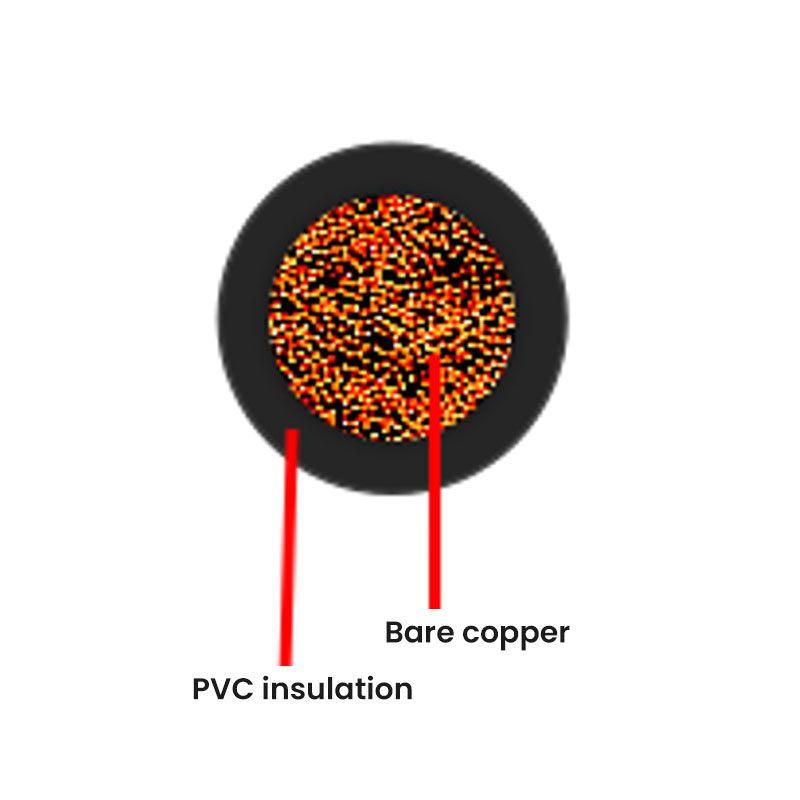
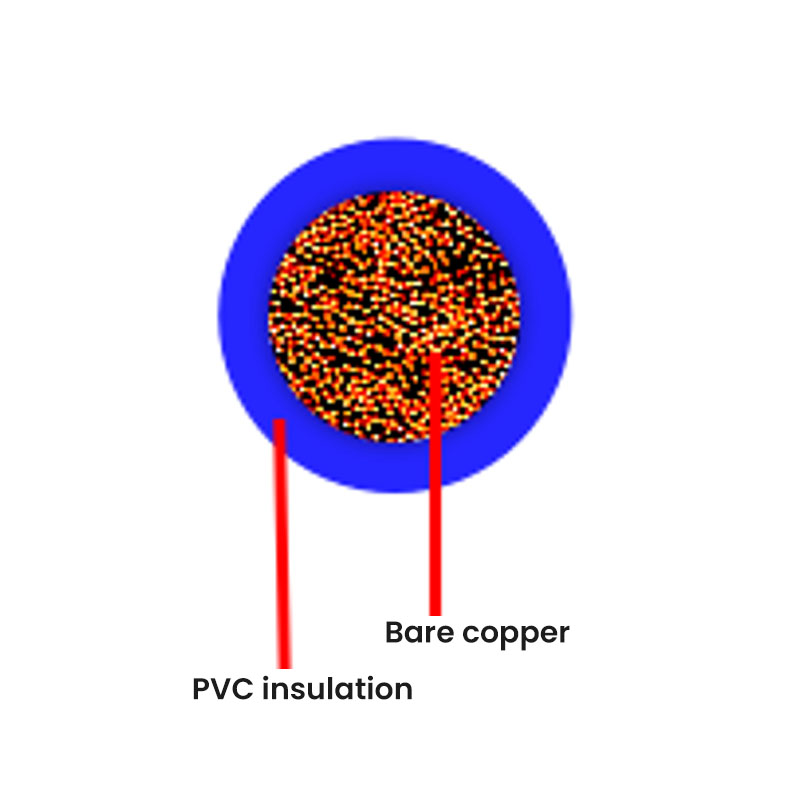
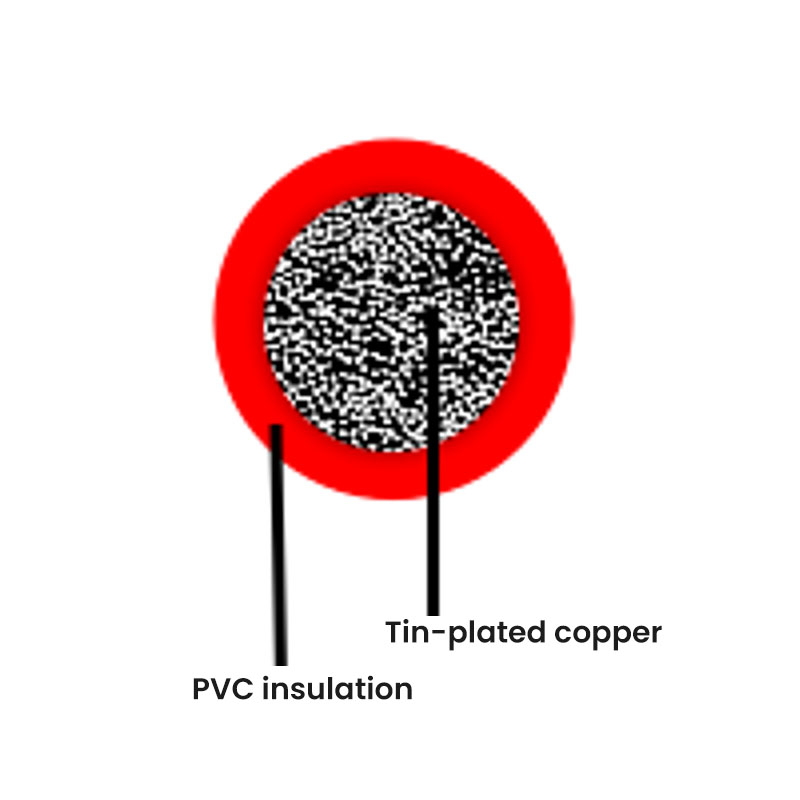 German Standard Automotive Cable--FLRY-PVC (Thin Wall)Manufacturing Process Conductor: Bare copper wire, tinned copper wire Insulation: PVC Insulation Temperature Range: –40°C ~ +105°C Standard:ISO 19642 Rated Voltage: AC...View Product →
Where the Money Actually Goes in a Cheap Quote
Copper dominates the cost of every German standard single core cable. That one fact explains most of the spread between offers for an identical part number.
Copper conductor — about 64%
Insulation compound — 14%
Extrusion and energy — 11%
Testing and certification — 6%
Packaging and logistics — 5%
Typical cost split for a thin-wall single-core order; the copper share moves with the daily metal price.
Copper is priced daily and hard to substitute quietly, unless the substitute is copper-clad aluminium or a copper alloy, both of which cut weight and raise resistance. Insulation compound is an easier place to hide a saving: a 70 °C PVC grade costs less than a 105 °C grade and looks identical on a reel. When a quote lands more than about 10 % below the rest of the field, the difference is nearly always in the conductor, the compound, or the tests that stopped being run.
Temperature Class: The Line Buyers Most Often Skip
Temperature class defines the long-term conductor temperature the insulation must survive, and it decides which compound is acceptable — PVC for the lower classes, XLPE or fluoropolymer when the cable runs hotter or has to survive a short-term overload.
Two rules prevent most mistakes. The class refers to conductor temperature in service, not to the air around the harness: a cable routed past an exhaust component or a motor housing can sit well above ambient. And it is a long-term rating, so a part that survives an hour in an oven at 150 °C is not automatically a 150 °C cable.
This is where the second half of the part number earns its keep. An XLPE construction such as FLR2X handles a higher class than the equivalent PVC part at the same cross-section and a similar outer diameter.
Frequently Asked Questions
Is FLRY the same as "ISO 6722 thin wall"?
Roughly, but not exactly. ISO 6722-1 sets the test requirements and limits; FLRY describes a construction inside the German vehicle wiring family. A cable can meet ISO 6722 and still differ from your drawing in strand count, wall thickness or compound, so keep the standard reference and the part number together.
Which temperature class should a 0.5 mm² signal wire use?
Match the class to the hottest conductor temperature expected in service, then add margin for heat-soaked locations. For most cabin and body circuits a 105 °C PVC part is enough; near engines, motors or exhaust routing, a 125 °C XLPE part is the safer choice.
Can a Chinese factory meet LV 112?
Yes, provided the factory works from the current revision of the standard rather than a generic "German standard" description. Ask for test reports that correspond to the revision named on your drawing, and confirm temperature class and strand construction in writing before the order is placed.
Why does the same 0.35 mm² cable weigh differently from two suppliers?
Weight follows copper. Different strand bundles, a lighter alloy or a thinner wall all change mass per metre, and all of them appear first in conductor resistance. Weighing a sample against a reference reel is a fast, low-cost screen before laboratory testing.
Buying German standard single core cable from China comes down to writing the specification precisely, then verifying three things: resistance, minimum wall, and temperature class. Suppliers who quote against DIN 72551-5 or LV 112 by revision, and who issue resistance and dimensional records as standard output, remove most of the risk before the first reel is opened.
Where bundle diameter and harness weight are the binding constraints, an ultra-thin wall PVC single-core cable gives the smallest outside diameter for a given cross-section, as long as the routing does not demand the abrasion resistance of a thin wall part.
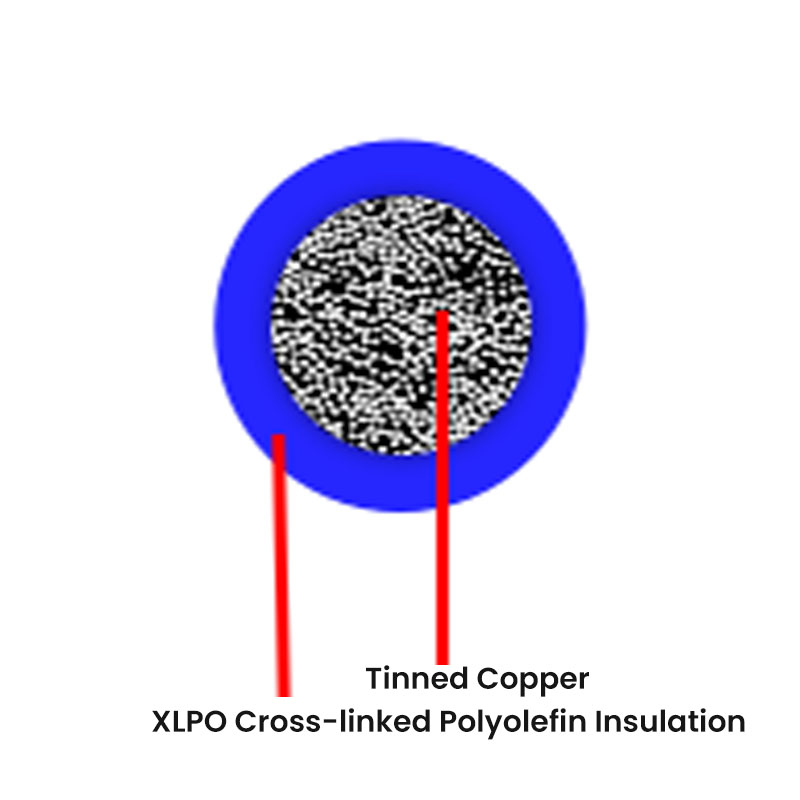
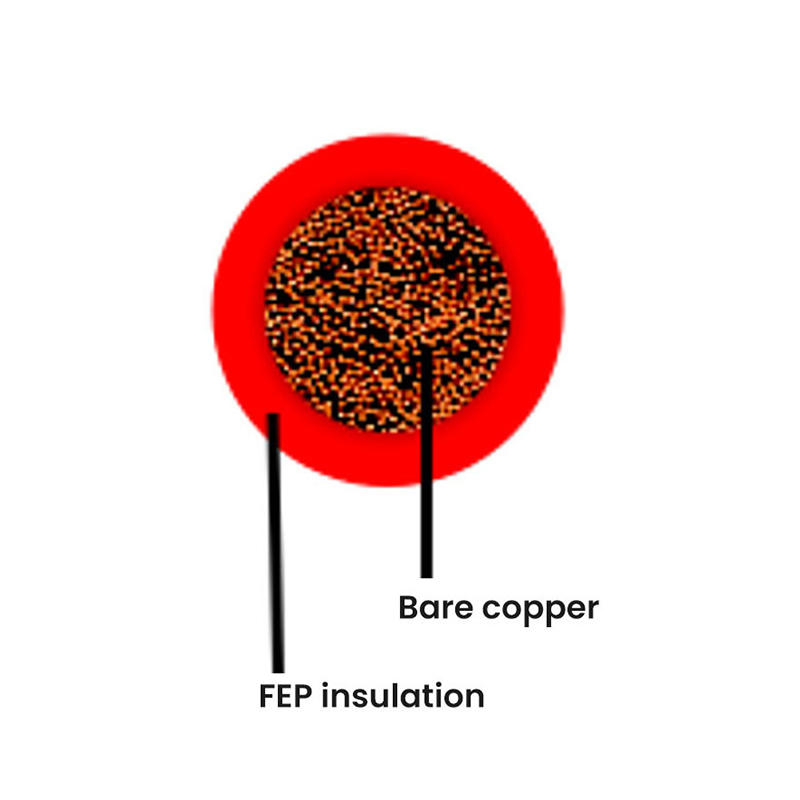 German Standard Automotive Cable--FLU6Y-A (Ultra-Thin Wall)Manufacturing Process: Conductor: Tinned copper wire, plated nickel copper wire、Silver-plated copper wire Insulation: FEP Insulation Rated Voltage: DC 60V / AC 30V Tem...View Product →

-
Phone
+86-(0)21-6083 5889
+86 138 1238 0261 -
Email
export03@silvertincable.com
export@silvertincable.com -
Headquarter Address:
No. 20 Jianling Road, Zhangguo Community, Dainan Town, Xinghua City. Jiangsu Province China
-
Shanghai Branch:
Room 18A, West Building, Keji Jingcheng, No. 668 East Beijing Road. Huangpu District, Shanghai, China
Copyright © 2025 Jiangsu Silver& Tin Thread Hi-temperature Wire and Cables Co., Ltd. All Rights Reserved.
China industrial cable manufacturer Custom specialized wire & cable supplier