
 English
 русский
 Español
 عربى
عربى
 Home / News / Industry News / How to Choose a High Temperature Cable Manufacturer for -60C to 1200C Applications?
Industry News
How to Choose a High Temperature Cable Manufacturer for -60C to 1200C Applications?
2026-08-07
Content
- 1 What Actually Makes a Cable High Temperature Rated
- 2 Comparing Maximum Continuous Operating Temperatures
- 3 Inside the Manufacturing Process
- 4 Where High Temperature Cable Is Used
- 5 Featured High Temperature Cable Products
- 6 How to Evaluate a High Temperature Cable Manufacturer
- 7 Certifications Worth Verifying
- 8 Frequently Asked Questions
- 9 Choosing a Manufacturing Partner for the Long Term
Quick Answer
A qualified high temperature cable manufacturer engineers the entire insulation system, not just the conductor, to survive sustained heat, thermal cycling, and mechanical stress without electrical breakdown. In practice this means a supplier that documents continuous operating temperatures across a wide range, typically from around minus 60C up to 1200C depending on the insulation chosen, holds recognized third-party certifications such as CE, UL, CCC, or RoHS, and controls conductor stranding, insulation extrusion, braiding, and jacketing in house rather than outsourcing critical steps. The sections below walk through insulation materials, the production sequence, common applications, and the specific checkpoints worth verifying before selecting a supplier.
What Actually Makes a Cable High Temperature Rated
Standard PVC insulated wire is typically rated for continuous use between 70C and 105C. Beyond that range the plasticizers in PVC begin to migrate and the insulation stiffens, cracks, or loses dielectric strength. A cable earns a high temperature classification only when its insulation chemistry, conductor plating, and construction method are specifically selected to keep performing well past that threshold, often for years of continuous service rather than short exposure. The rating is a material property, not a marketing label, which is why credible suppliers publish the actual continuous operating temperature for each product line.
| Insulation Material | Typical Continuous Rating | Common Application |
| PVC | 70C to 105C | General building and consumer wiring |
| XLPE | Up to 90C, 105C emergency overload | Power distribution cable |
| Silicone Rubber | 180C to 200C | Appliances, lighting fixtures, oven wiring |
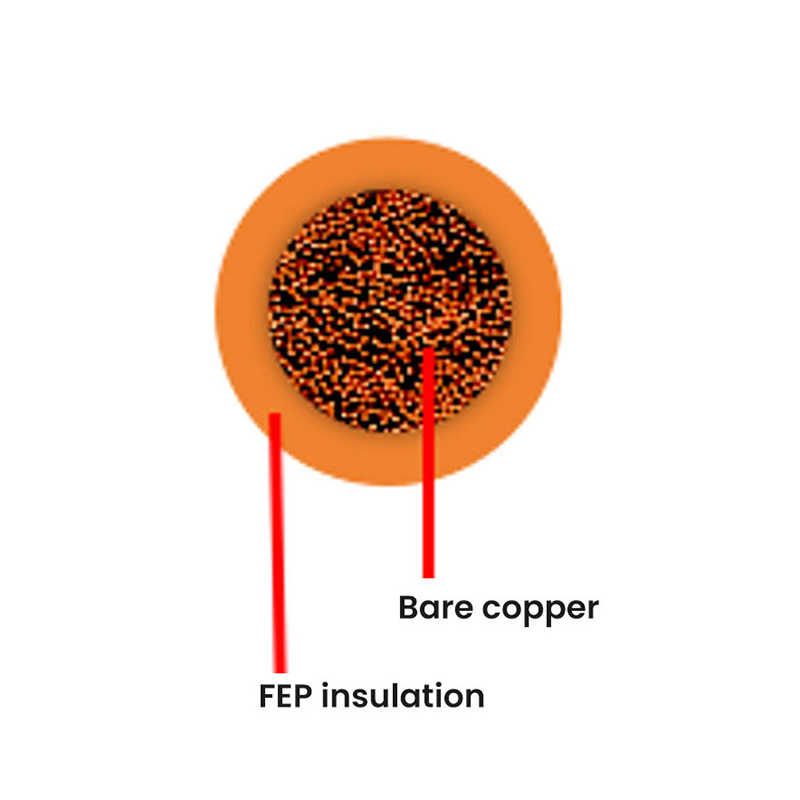
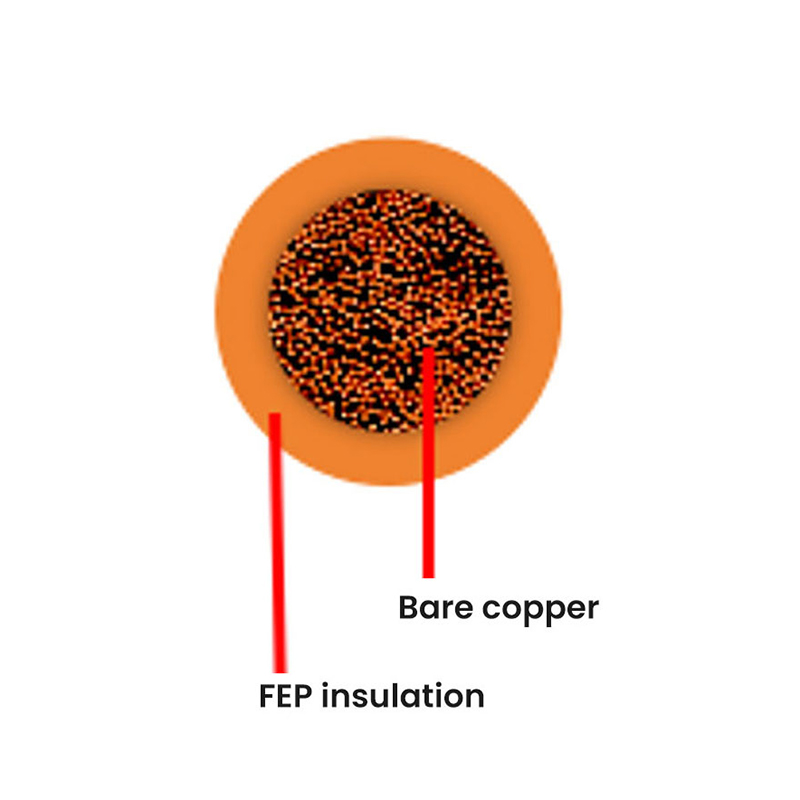
| FEP (Teflon) | Up to 200C | Electronics, aerospace signal wiring |
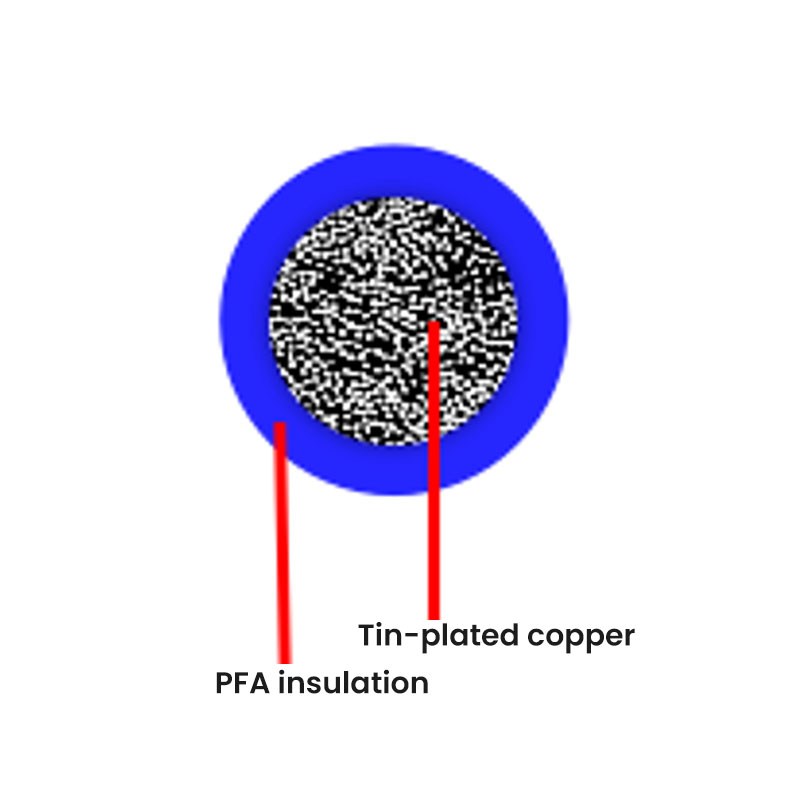
| PFA (Teflon) | Up to 260C | Motor lead wire, high-voltage harnesses |
| PTFE (Teflon) | Up to 260C, higher for short peaks | Avionics, medical sterilization equipment |
| Mica Tape, Glass Braid, Nickel Conductor | 300C up to 1200C | Furnace wiring, metallurgy, fire-survival circuits |
Comparing Maximum Continuous Operating Temperatures
The chart below places the same seven insulation families side by side so the practical gap between a general-purpose cable and a true high temperature construction is easier to visualize.
Bar heights are illustrative and not drawn to a strict linear scale.
Inside the Manufacturing Process
The reliability of a high temperature cable is decided long before it reaches an application. A production sequence typically runs through the following stages, and skipping or outsourcing any one of them is where quality gaps tend to appear.
1
Conductor Selection and Stranding
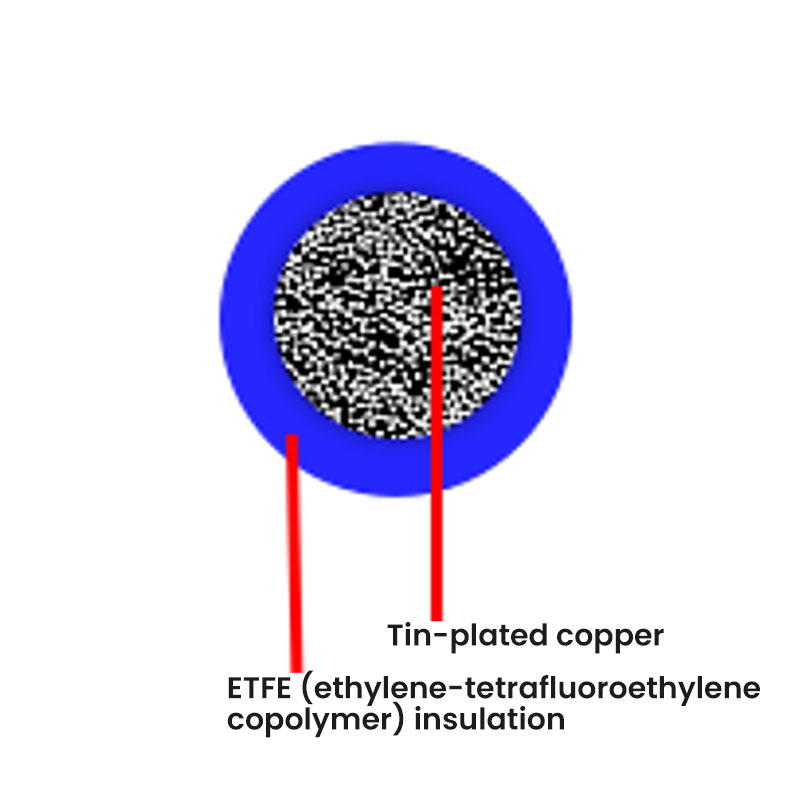
Bare, tinned, silver-plated, or nickel-plated copper is chosen based on the target temperature, since plating prevents oxidation that would otherwise degrade conductivity at high heat.
2
Insulation Extrusion or Wrapping
Fluoropolymer resins are extruded under controlled temperature profiles, while mica tape or glass yarn systems are wrapped in successive layers for the most extreme ratings.
3
Braiding and Shielding
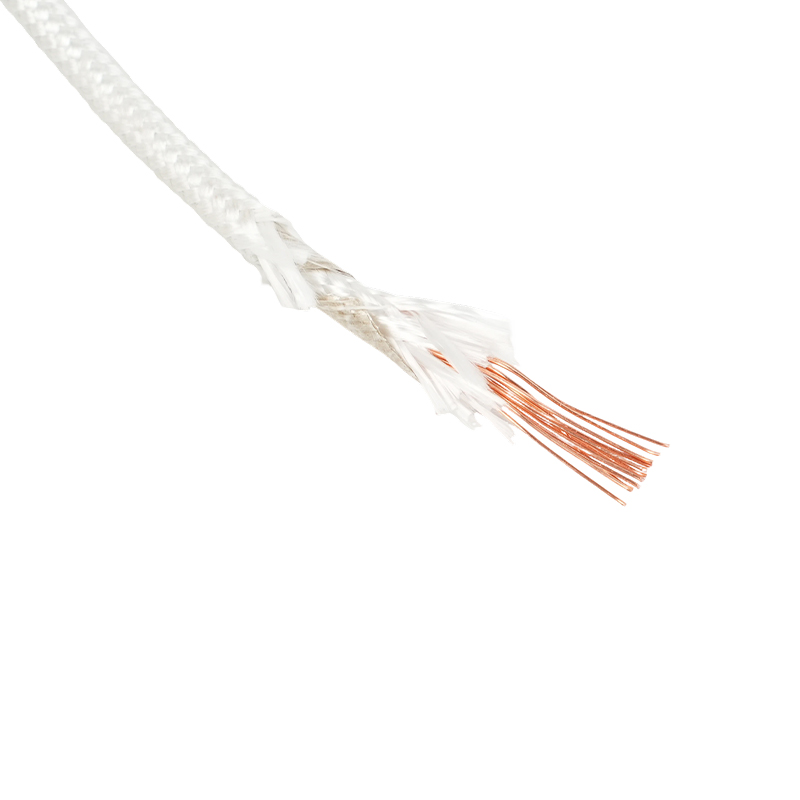
Tinned copper or stainless steel braid adds mechanical protection and, where required, electromagnetic shielding for signal and instrumentation circuits.
4
Jacketing
An outer jacket is applied for abrasion, chemical, or moisture resistance depending on the installation environment described in the product specification.
5
100 Percent Online Electrical Testing
Every finished reel is tested for insulation resistance and continuity rather than relying solely on sample-based batch testing.
6
Certification and Batch Traceability
Finished products are matched against certificate records so buyers can trace a specific reel back to its test report and raw material batch.
Where High Temperature Cable Is Used
Aerospace and Defense
PTFE and PFA insulated wiring harnesses handle temperature cycling from deep cold to high heat while meeting strict weight and vibration requirements.
Petrochemical and Metallurgy
Mica tape and glass braid constructions keep circuits functioning near furnaces, smelters, and other continuous high-heat industrial equipment.
Renewable Energy
Solar, wind, and battery storage installations rely on cables that resist both outdoor UV exposure and the heat generated by high current loads.
Electric Vehicles
Battery packs, motors, and charging systems need thin-wall or ultra-thin-wall cable that manages high voltage in a confined space without overheating.
Industrial Automation
Robot cables and drag chain cables must survive constant flexing while maintaining signal integrity in automated production lines.
Household Appliances and Heating
Floor heating systems, ovens, and electric heating appliances use cable rated for sustained internal operating heat over years of daily use.
Featured High Temperature Cable Products
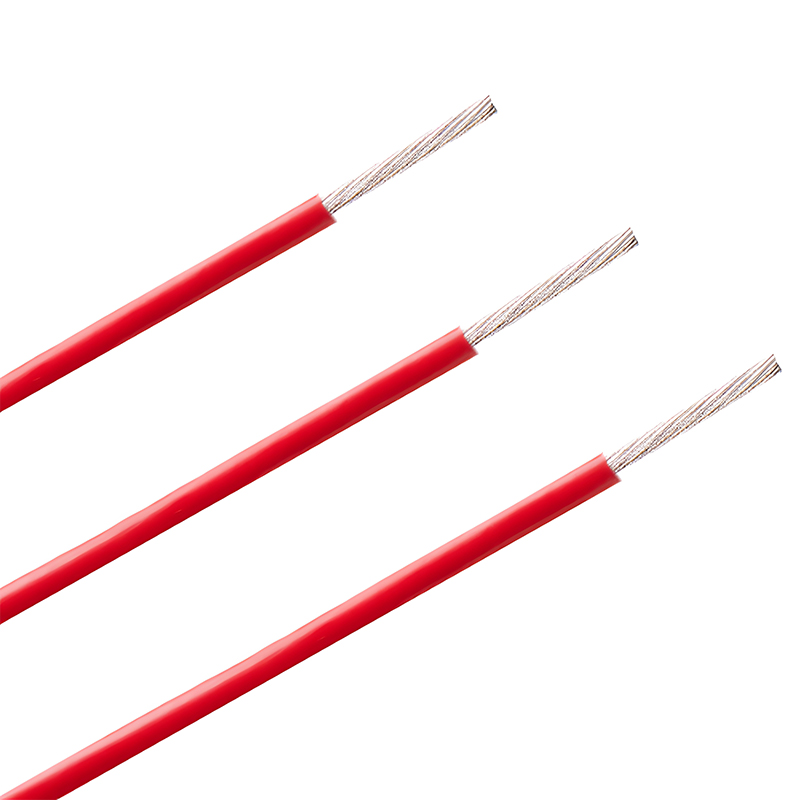
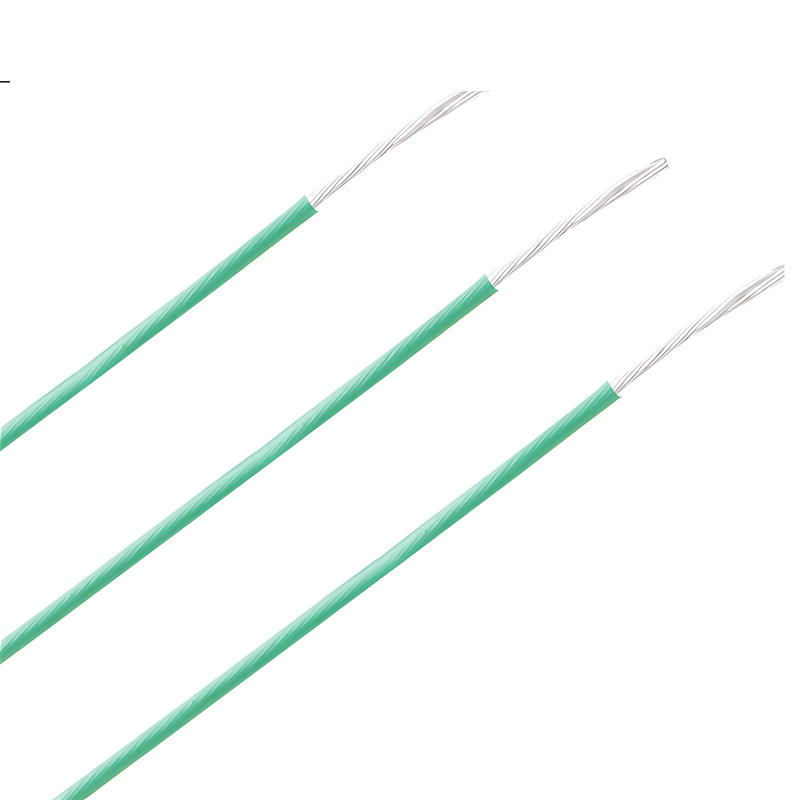
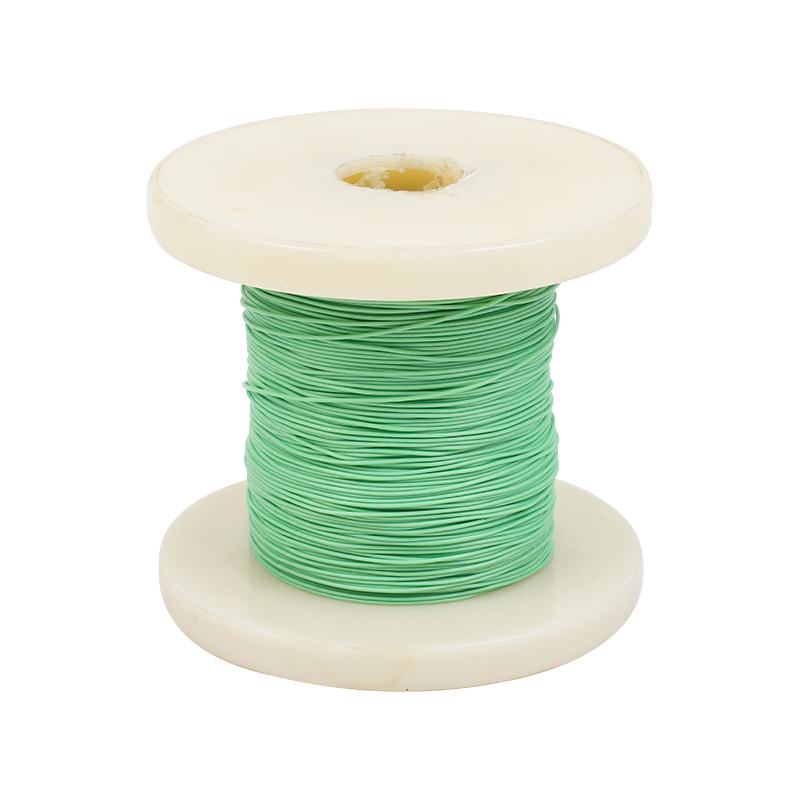
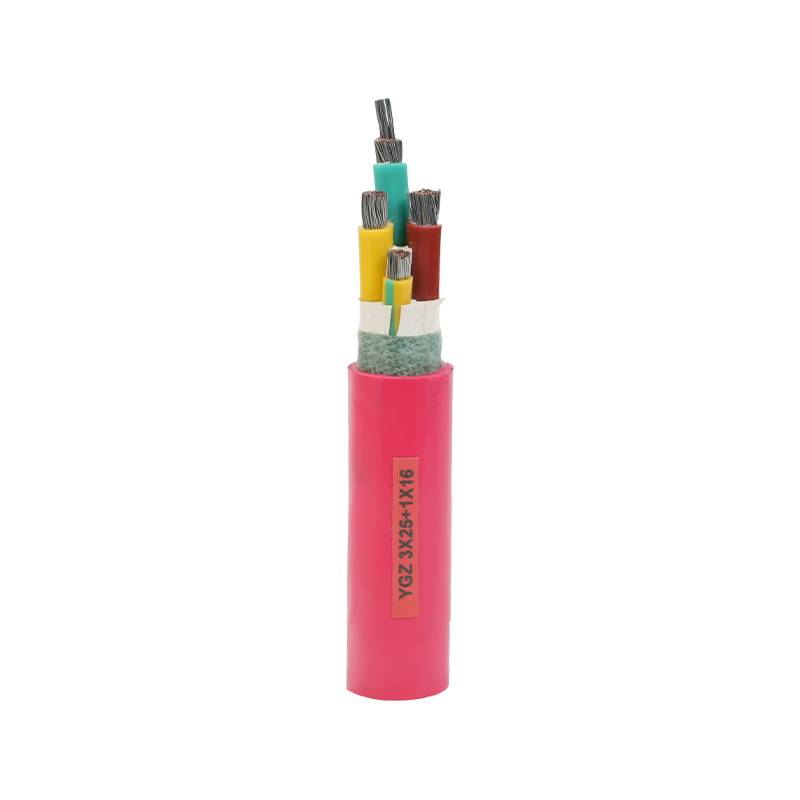
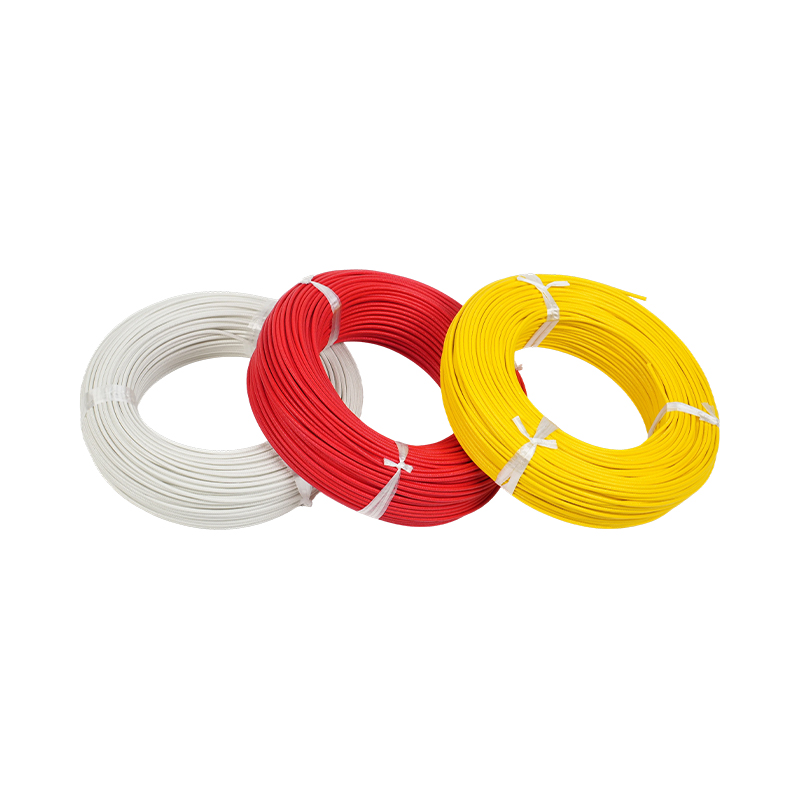
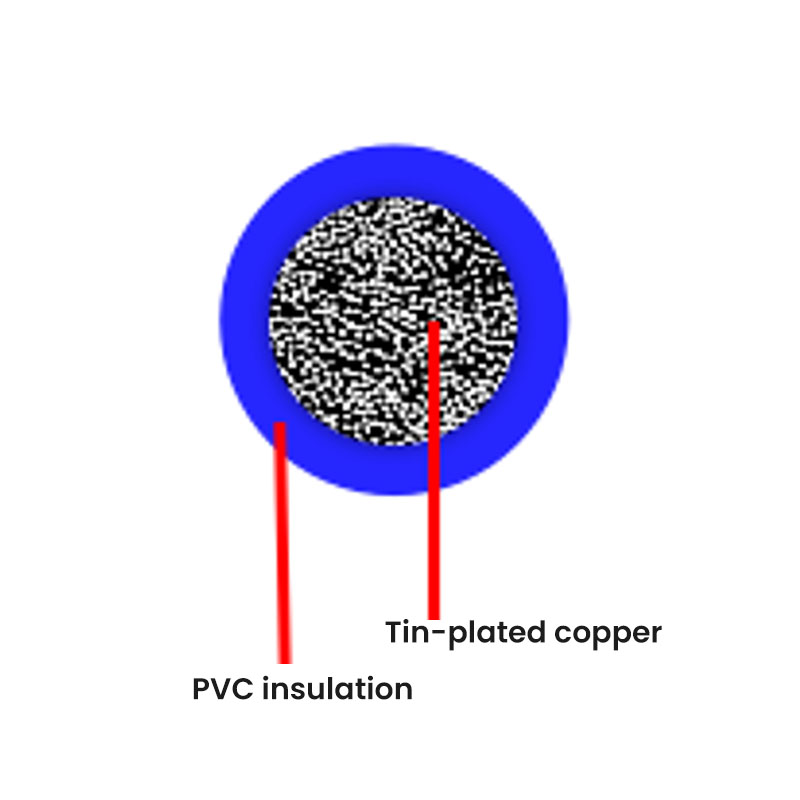
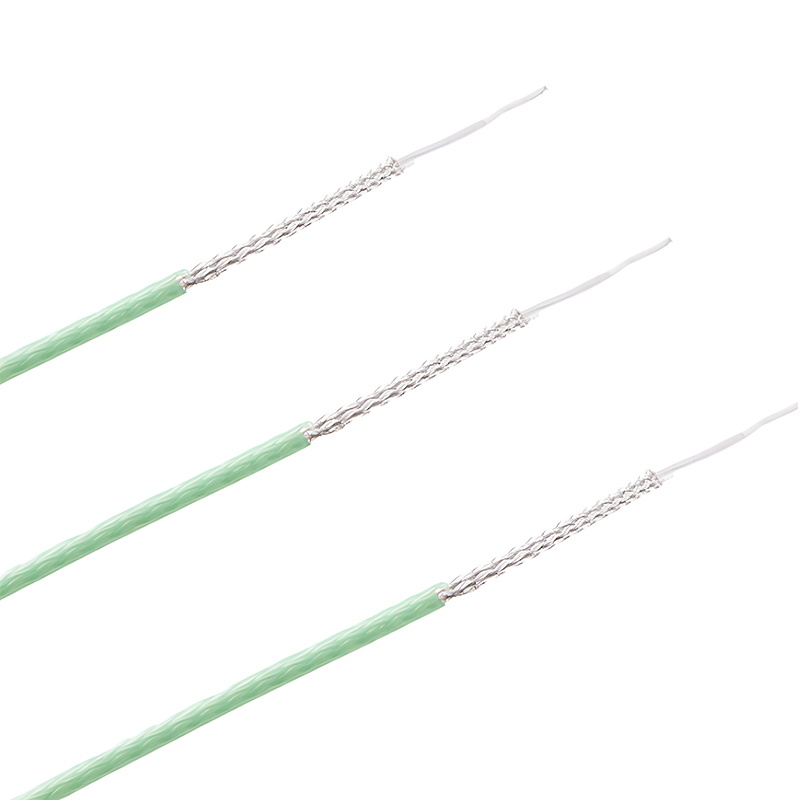
The constructions below are commonly specified for the temperature ranges and applications covered in this guide.
How to Evaluate a High Temperature Cable Manufacturer
1
Documented Temperature Testing
Ask for the actual test report showing continuous operating temperature, not just a datasheet figure.
2
Recognized Certifications
CE, UL, CCC, and RoHS should be current and specific to the product code being quoted, not just the company overall.
3
In-house Lab and Inspection
Full-reel electrical testing rather than sample-only testing catches defects before they leave the factory.
4
Customization Capability
Conductor plating, insulation thickness, braiding density, and jacket color should all be adjustable to the application, not fixed catalog options only.
5
Sector-specific Experience
A supplier with a track record in aerospace, nuclear, or rail projects has already been through stricter qualification cycles than general industrial buyers require.
6
Quality Management System
ISO 9001 or IATF 16949 certification indicates the manufacturing process itself is audited, not only the finished product.
Certifications Worth Verifying
6
checkpoints
checkpoints
- CE for products entering the European market
- UL for compliance in the United States and Canada
- CCC for products manufactured or sold in China
- RoHS for restricted substance compliance
- ISO 9001 or IATF 16949 for process quality control
- SGS or equivalent lab reports for independent material verification
Frequently Asked Questions
What is the highest temperature a cable can be rated for
Specialized constructions using mica tape, glass braid, and nickel conductors can reach continuous ratings up to 1200C, though fluoropolymer insulated cable rated to 260C covers the majority of industrial and electronic applications.
Is FEP or PTFE better for high temperature use
Both are rated in a similar 200C to 260C range. PTFE offers superior chemical inertness while FEP is easier and more cost-effective to extrude, so the right choice depends on flex requirements and budget.
Do high temperature cables need special certification for export markets
Yes. CE for the European Union, UL for North America, CCC for China, and RoHS for environmental compliance are commonly requested by procurement and compliance teams before a purchase order is confirmed.
Can high temperature cables also resist cold environments
Many fluoropolymer and silicone constructions are rated down to around minus 60C, which makes them suitable for the wide thermal cycling seen in aerospace and outdoor renewable energy installations.
Choosing a Manufacturing Partner for the Long Term
Selecting a high temperature cable manufacturer is ultimately a question of process control. The insulation material sets the theoretical temperature ceiling, but conductor plating, extrusion consistency, braiding quality, and 100 percent electrical inspection determine whether that ceiling is actually reached in the field over years of service. Buyers who verify test reports, confirm certifications against the specific product code, and ask about in-house testing capability tend to avoid the field failures that come from under-specified cable. A supplier that manufactures across the -60C to 1200C range in house, with certifications spanning CE, UL, CCC, and RoHS, is generally positioned to support both prototype quantities and long-term production volumes without a change in quality standard.

-
Phone
+86-(0)21-6083 5889
+86 138 1238 0261 -
Email
export03@silvertincable.com
export@silvertincable.com -
Headquarter Address:
No. 20 Jianling Road, Zhangguo Community, Dainan Town, Xinghua City. Jiangsu Province China
-
Shanghai Branch:
Room 18A, West Building, Keji Jingcheng, No. 668 East Beijing Road. Huangpu District, Shanghai, China
Copyright © 2025 Jiangsu Silver& Tin Thread Hi-temperature Wire and Cables Co., Ltd. All Rights Reserved.
China industrial cable manufacturer Custom specialized wire & cable supplier