
 English
 русский
 Español
 عربى
عربى


Industry News
What Are the RENEWABLE ENERGY CABLES?
2026-07-31
Content
Renewable energy cables are UV-resistant, thermally stable power cables purpose-built for solar farms, wind turbines, and battery storage systems, engineered to withstand outdoor conditions from -60°C to +200°C while delivering a service life of 25 years or more. Unlike standard building wire, they use tinned copper conductors and cross-linked silicone or fluoroplastic insulation to resist UV radiation, ozone, thermal cycling, and chemical exposure that would cause conventional cables to crack and fail within a few seasons.
In a green energy installation, the cable is rarely the most expensive component, but it is the component most likely to cause unplanned downtime if the wrong material is chosen. A jacket failure on a rooftop or in a turbine nacelle can take an entire circuit offline long before the panels or generators reach the end of their rated life.
Why Renewable Energy Cables Need Different Engineering
Solar arrays, wind farms, and energy storage plants operate in conditions that indoor industrial wiring was never designed for. Panels and turbine housings sit exposed to direct sunlight for decades, storage containers cycle through repeated charge and discharge loads, and coastal wind installations face constant salt mist. A cable built for these environments has to combine several properties at once: resistance to ultraviolet degradation, stable performance across a wide temperature swing, mechanical durability under bending or torsion, and long-term chemical resistance to acids, alkalis, and battery electrolytes.
This is why renewable energy cable series typically rely on tinned copper conductors instead of bare copper, and on cross-linked silicone rubber or fluoroplastic compounds instead of standard PVC. The tin layer prevents oxidation in humid or salty air, while the cross-linked insulation keeps its flexibility and dielectric strength even after years of thermal cycling.
Technical Matrix: Renewable Energy Cables vs Conventional Cables
The table below summarizes how renewable energy cable construction differs from general-purpose cable in the areas that matter most for outdoor power infrastructure.
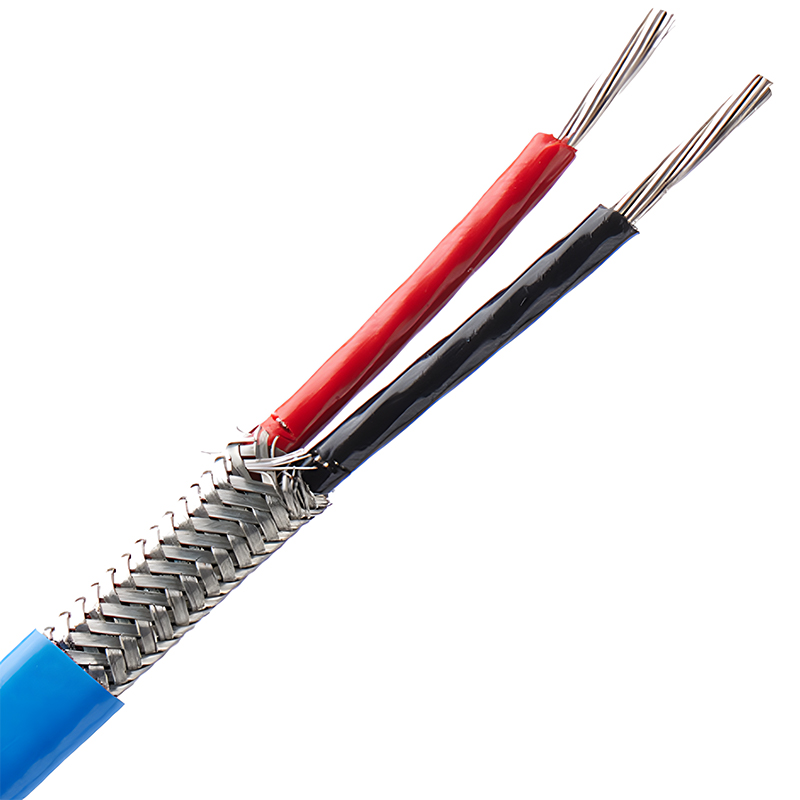
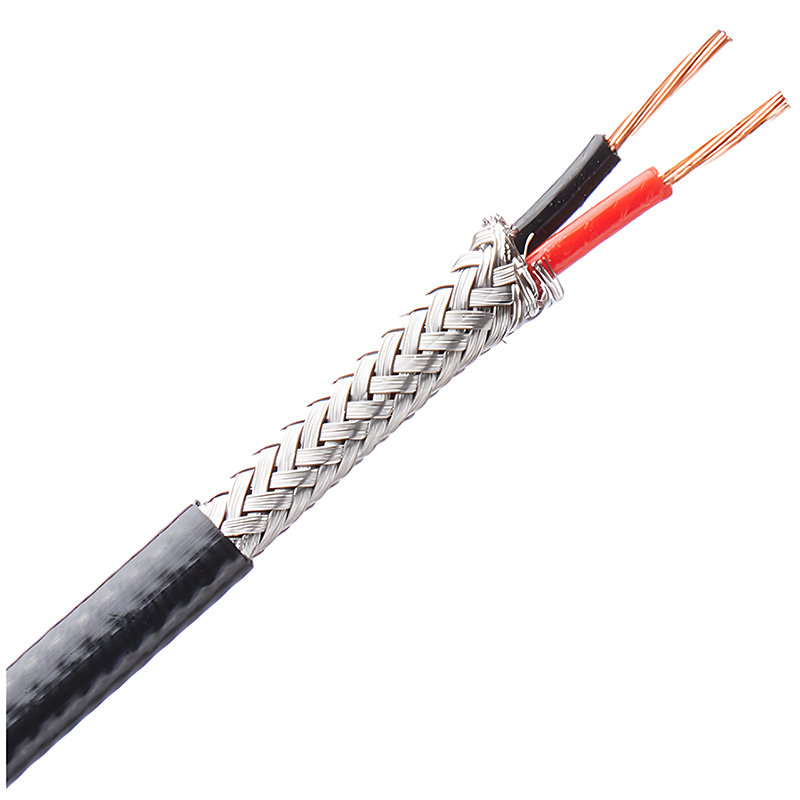
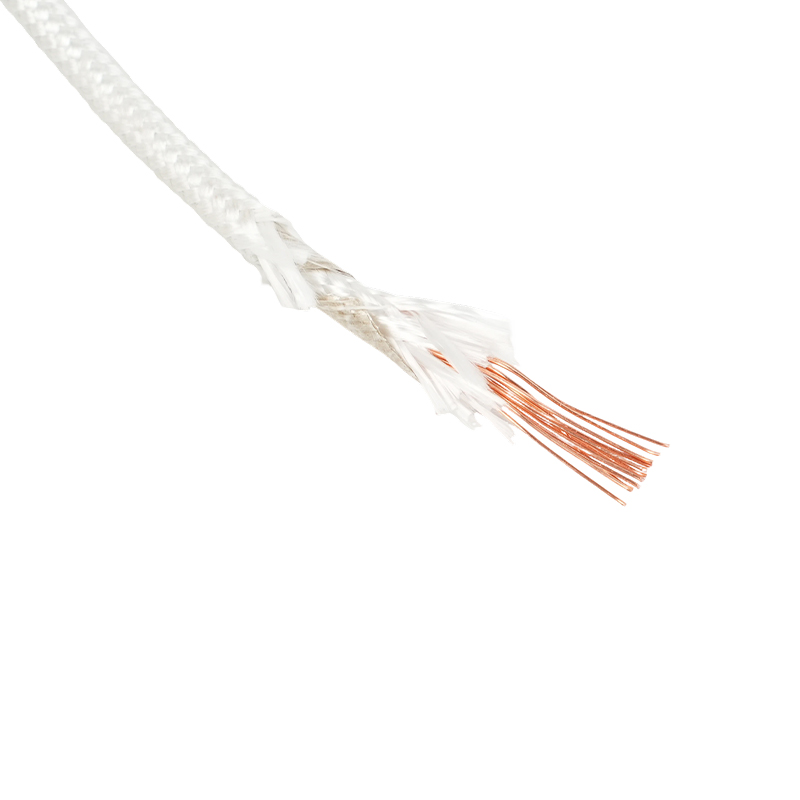
Renewable Energy Cable Product Range
The lineup below covers the core cable families used across solar, wind, and storage projects, along with related high-temperature wire types often specified alongside them for junction boxes and internal wiring.
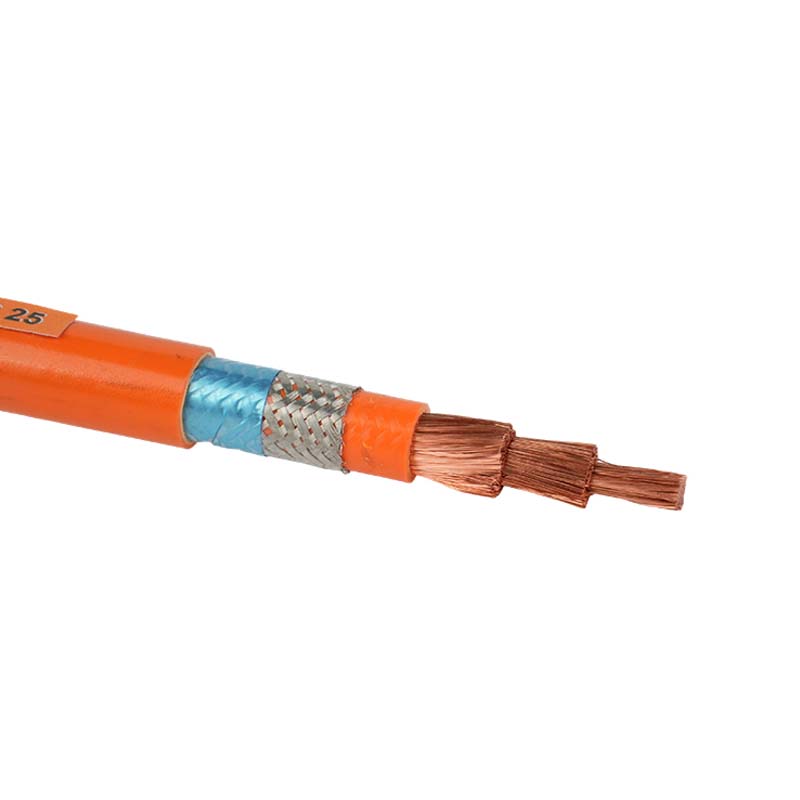
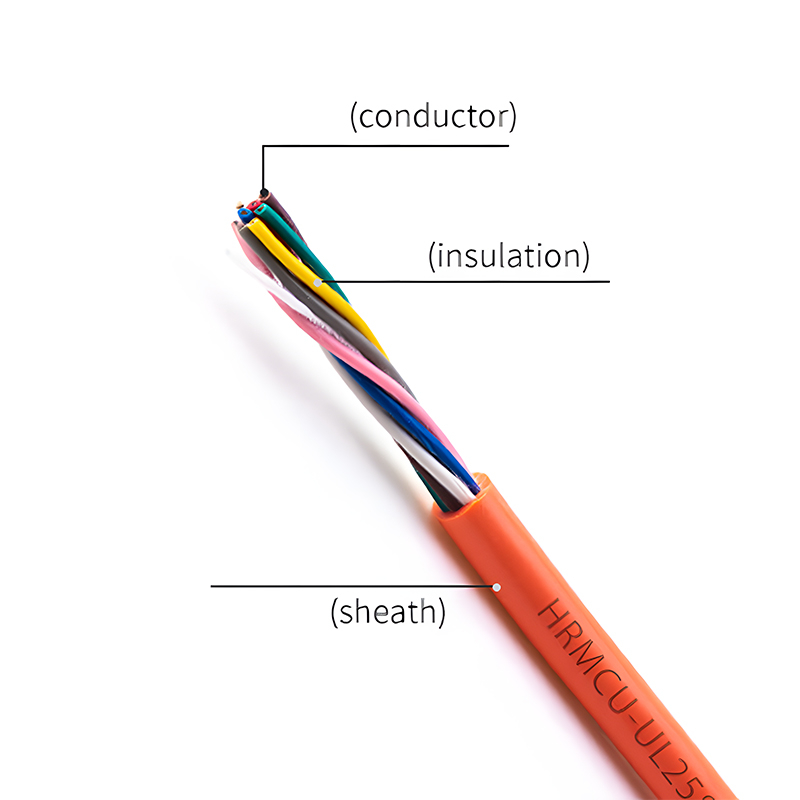
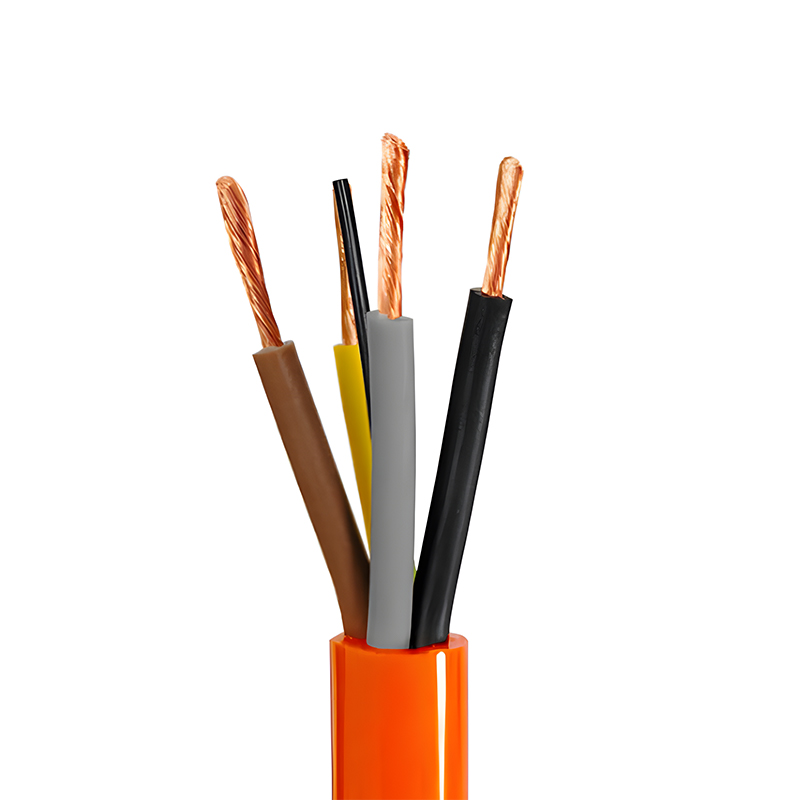
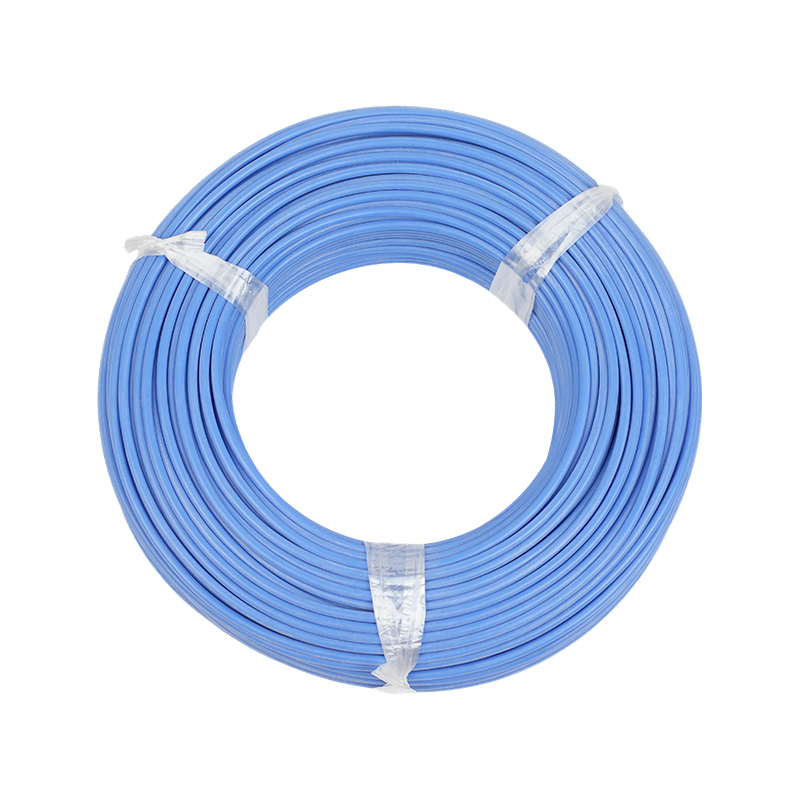
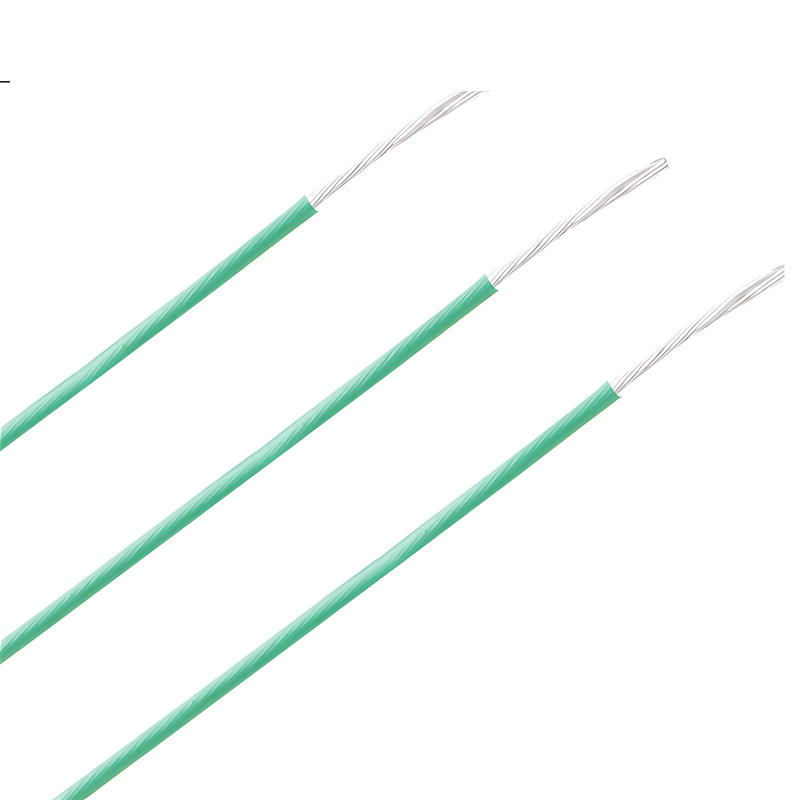
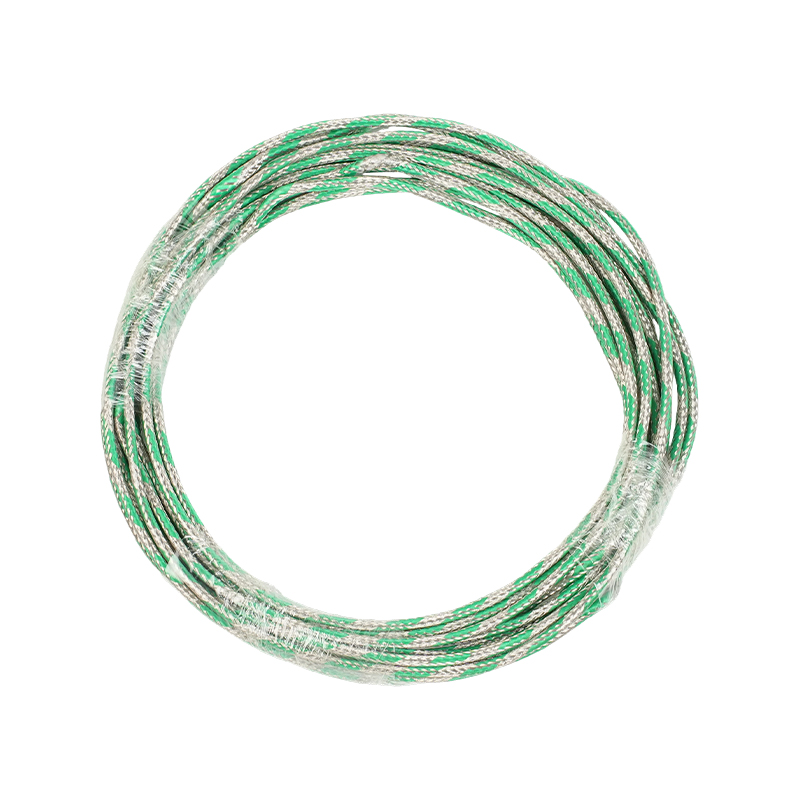
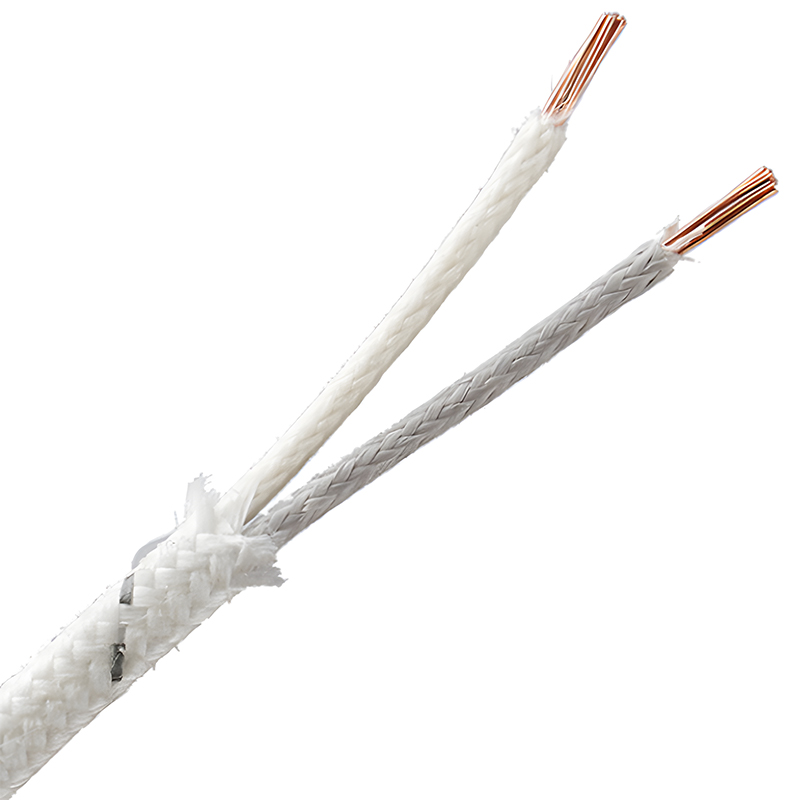
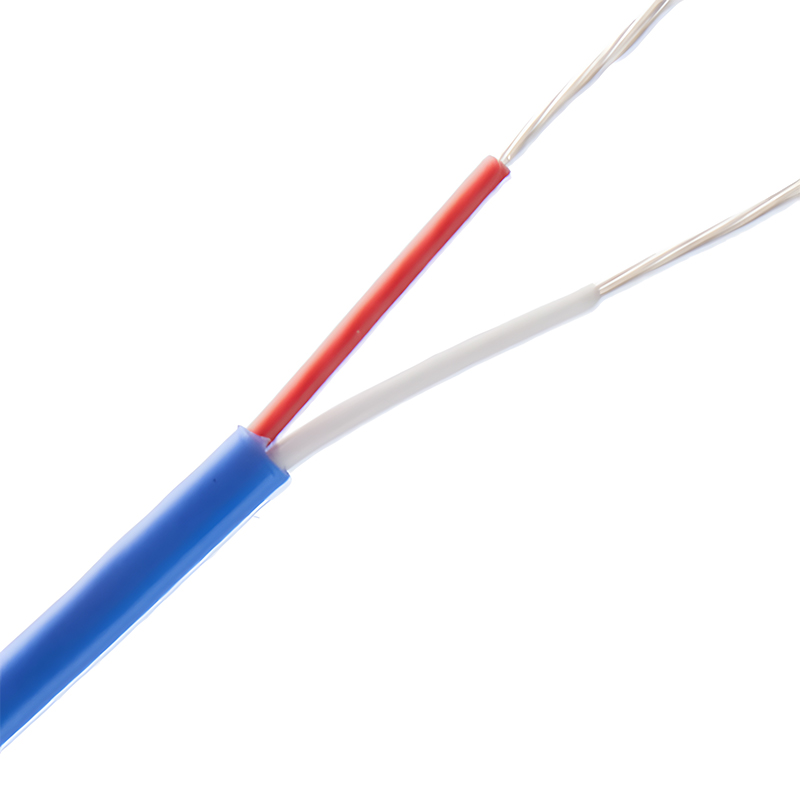
Three Core Cable Types for Renewable Power Systems
1. Solar Photovoltaic Cables
As solar installations move toward 1500V DC architectures to raise system efficiency, insulation quality becomes critical. Photovoltaic cables use electron-beam cross-linked insulation so the material does not melt under short-circuit conditions, while remaining flexible enough to route around panel frames even in freezing winter temperatures.
2. Energy Storage System Cables
Battery storage units demand cables that carry high current density while staying flexible enough for tight, modular wiring inside a storage cabinet. Ultra-fine tinned copper strands paired with silicone insulation deliver high ampacity cable that installs easily and resists battery acid and common industrial chemicals.
3. Wind Turbine Cables
Wind turbine cables face a combination of stresses that few other cable applications encounter: simultaneous torsion and vibration as the nacelle rotates to track wind direction. Torsion-resistant constructions are tested for continuous twisting inside tower loops, keeping the conductors intact through millions of movement cycles.
Manufacturing Standards and Quality Assurance
Renewable energy projects are typically financed over 20 to 25 years, so cable bankability depends on verified compliance, not just datasheet claims. Cable producers serving this sector generally operate ISO9001 and IATF16949 certified facilities, and hold UL, CE, CCC, TUV, and RoHS certifications so the same cable specification can be deployed across multiple export markets without redesign.
- High-voltage dielectric testing performed on every production batch
- Continuous diameter and wall-thickness monitoring during extrusion
- Conductor cross-sections available up to 400mm2 for utility-scale runs
- Temperature ratings spanning -65°C to +1200°C across the full product range
Frequently Asked Questions
Why is tinned copper preferred over bare copper for solar and wind cables?
Bare copper oxidizes when exposed to moisture and heat, forming a layer that raises electrical resistance over time. A tin coating creates a permanent barrier against corrosion, which matters most in coastal wind farms or humid solar installations where cables must stay efficient for 25 years or longer.
Can battery storage cables withstand electrolyte exposure?
Silicone and PFA-insulated cables are chemically inert and are tested to resist degradation from common battery electrolytes, oils, and industrial solvents found in energy storage facilities, so they hold up under long-term contact rather than just brief exposure.
What does LSZH mean for energy cables?
LSZH stands for Low Smoke Zero Halogen. For indoor storage systems and public infrastructure, LSZH-rated cable avoids releasing toxic halogen gases or dense black smoke in a fire, which protects both personnel and sensitive electronic equipment nearby.
How do these cables perform in extreme desert heat?
Standard cable often fails when internal conductor heating combines with desert ambient temperatures that can exceed 70°C. High-temperature fluoroplastic series rated up to 200°C keep their mechanical strength in conditions where ordinary insulation would soften or deform.

-
Phone
+86-(0)21-6083 5889
+86 138 1238 0261 -
Email
export03@silvertincable.com
export@silvertincable.com -
Headquarter Address:
No. 20 Jianling Road, Zhangguo Community, Dainan Town, Xinghua City. Jiangsu Province China
-
Shanghai Branch:
Room 18A, West Building, Keji Jingcheng, No. 668 East Beijing Road. Huangpu District, Shanghai, China
Copyright © 2025 Jiangsu Silver& Tin Thread Hi-temperature Wire and Cables Co., Ltd. All Rights Reserved.
China industrial cable manufacturer Custom specialized wire & cable supplier