
 English
 русский
 Español
 عربى
عربى


Industry News
What Is a Winch Control Cable?
2026-07-24
Content
- 1 What Sets a Winch Cable Apart From a Regular Control Cable
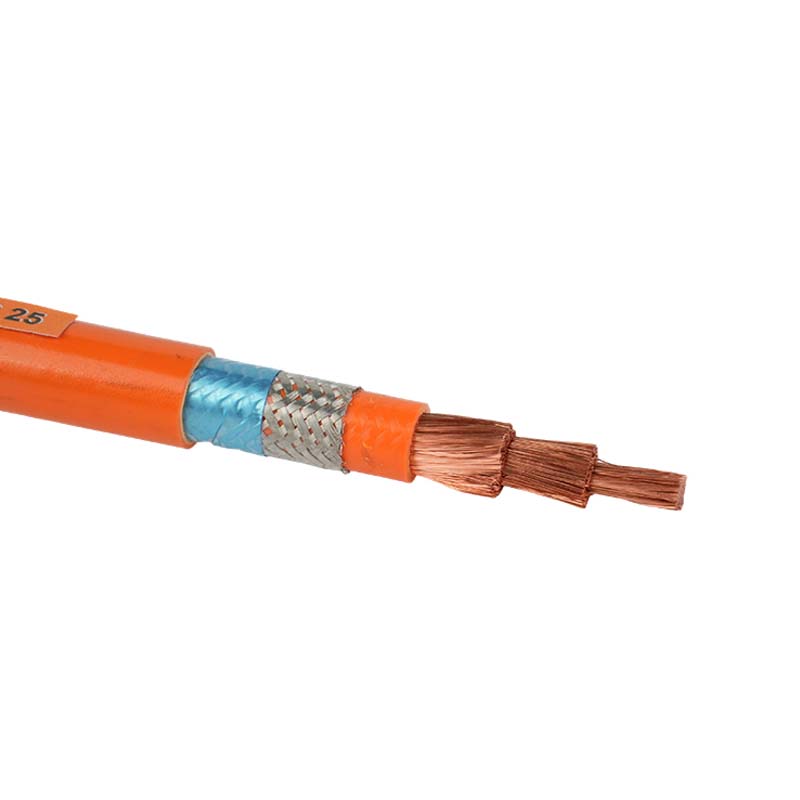
- 2 Inside the Cable: Reinforcement and Material Choices
- 3 Why Constant Reeling Is the Hardest Test a Cable Faces
- 4 Related High-Performance Cable Products
- 5 Where These Cables Get Put to Work
- 6 Selecting the Right Winch Cable for Your Equipment
- 7 Frequently Asked Questions
Direct answer: A winch control cable is a reinforced, multi-core cable designed to survive constant reeling around a drum while carrying motor power and control signals at the same time. Unlike a standard control cable, it combines a high-tensile strength member, an anti-torsion braid, and an abrasion-resistant jacket so the conductors inside never stretch, twist, or crack during thousands of winding cycles.
What Sets a Winch Cable Apart From a Regular Control Cable
A winch sits at the point where mechanical force and electrical control meet. Every time the drum turns, the cable feeding it is stretched, twisted, and dragged across rollers, and it has to keep doing this for years without losing signal integrity. That is why mechanical reinforcement matters just as much as conductor quality. A cable built for fixed installation will fatigue quickly in this environment, while a purpose-built winch control cable is engineered from the center outward to absorb pulling force before it ever reaches the copper.
In practice this means the cable is judged less by its voltage rating alone and more by how it behaves under repeated bending, cold shock, and drum pressure. A cable rated for -60 degrees Celsius to +200 degrees Celsius, for example, is expected to stay flexible on an offshore deck in winter and stable on a crane boom in direct summer sun without the jacket hardening or softening out of spec.
Inside the Cable: Reinforcement and Material Choices
The following breakdown shows how each performance requirement is addressed structurally, rather than by simply upgrading the insulation.
| Requirement | Structural Solution | Result |
|---|---|---|
| Tensile load on the drum | Central aramid or steel strength member | Stops copper conductors from stretching under pull |
| Twisting during reeling | Aramid or polyester torsion-balanced braid | Conductors keep their lay position across pulleys |
| Cold climate flexibility | Silicone rubber or specialized TPU jacket | Stays pliable down to -60 degrees Celsius |
| Friction on drum and rollers | Modified fluoroplastic outer layer | Resists abrasion over thousands of cycles |
| Oil, saltwater, chemical exposure | Fluid-resistant sheath compound | Prevents jacket swelling and corrosion |
Why Constant Reeling Is the Hardest Test a Cable Faces
Torsion Control Through Braided Fillers
Every wrap around a drum introduces a small twisting force. Left unmanaged, that force accumulates and causes conductors to migrate out of position, a failure mode known as bird-caging. A textile braid placed between the inner core and outer sheath acts as a torsion buffer, distributing the twisting load evenly so the internal layup stays exactly where it was extruded, cycle after cycle.
Fine-Stranded Tinned Copper Conductors
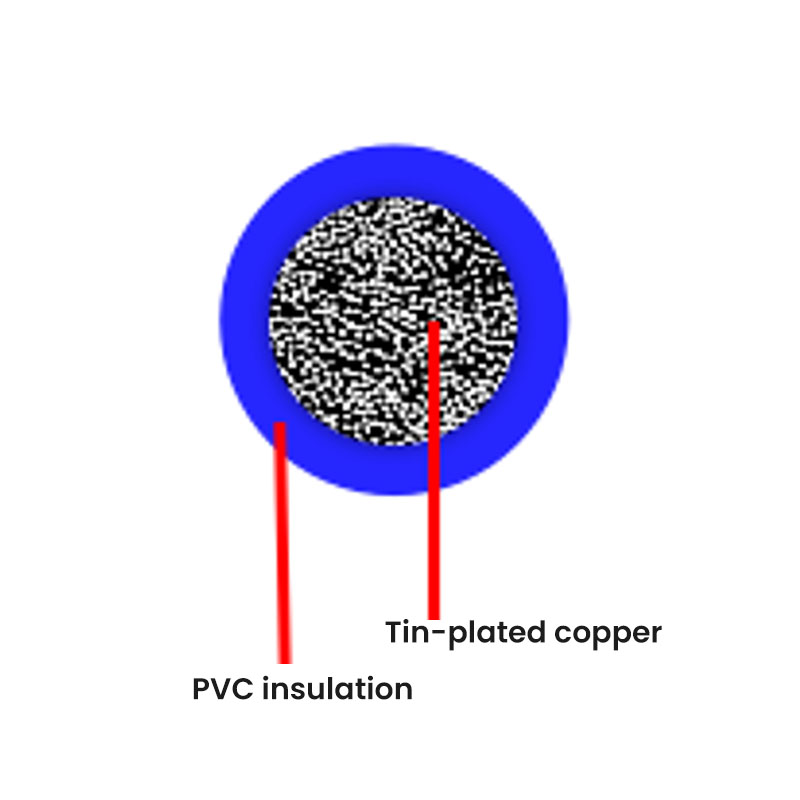
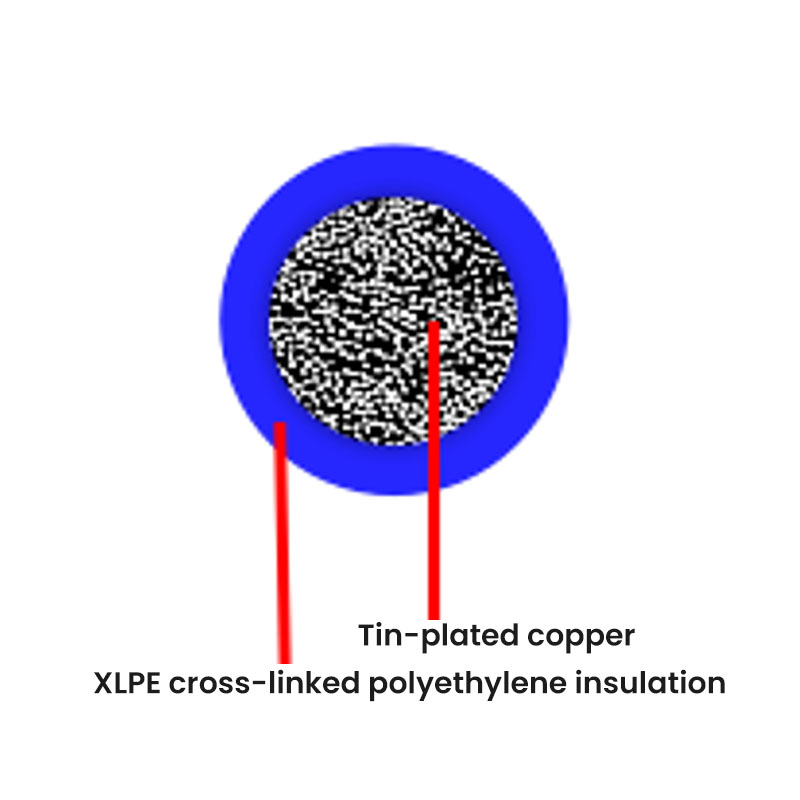
Conductor choice matters as much as the jacket. Class 5 or Class 6 fine-stranded tinned copper gives the individual wire strands enough freedom to slide against one another during bending, which reduces internal stress and extends flex life. Tinning also adds a layer of corrosion resistance that matters in salt-laden or humid environments, where bare copper would oxidize and raise resistance over time.
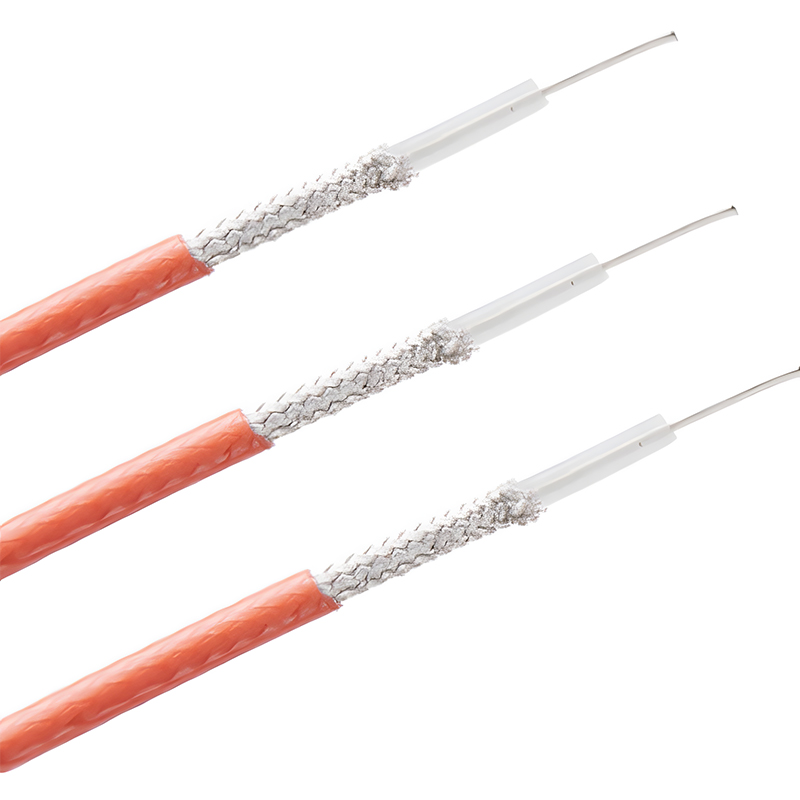
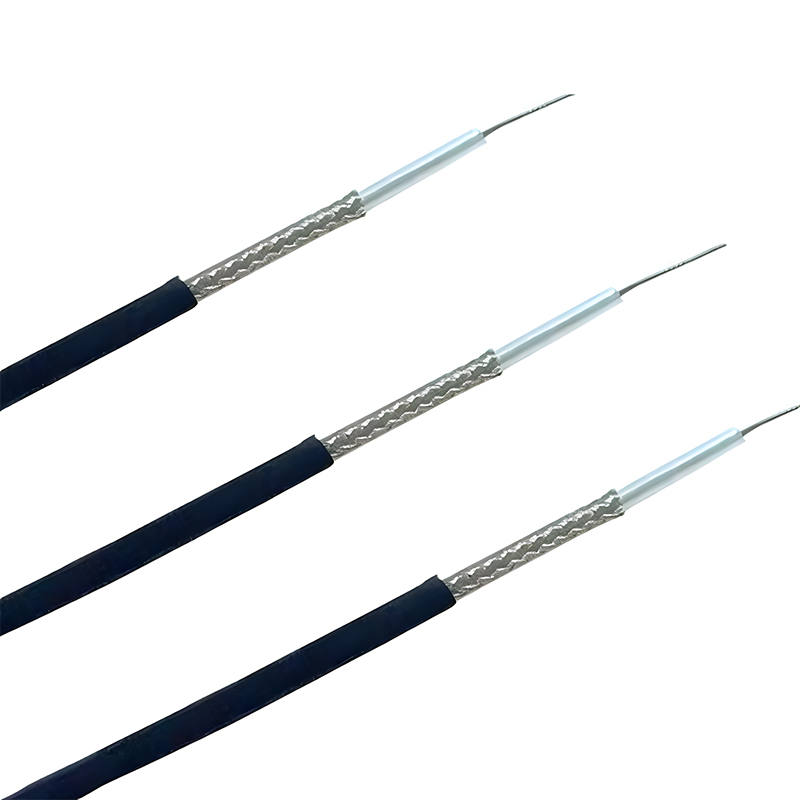
Related High-Performance Cable Products
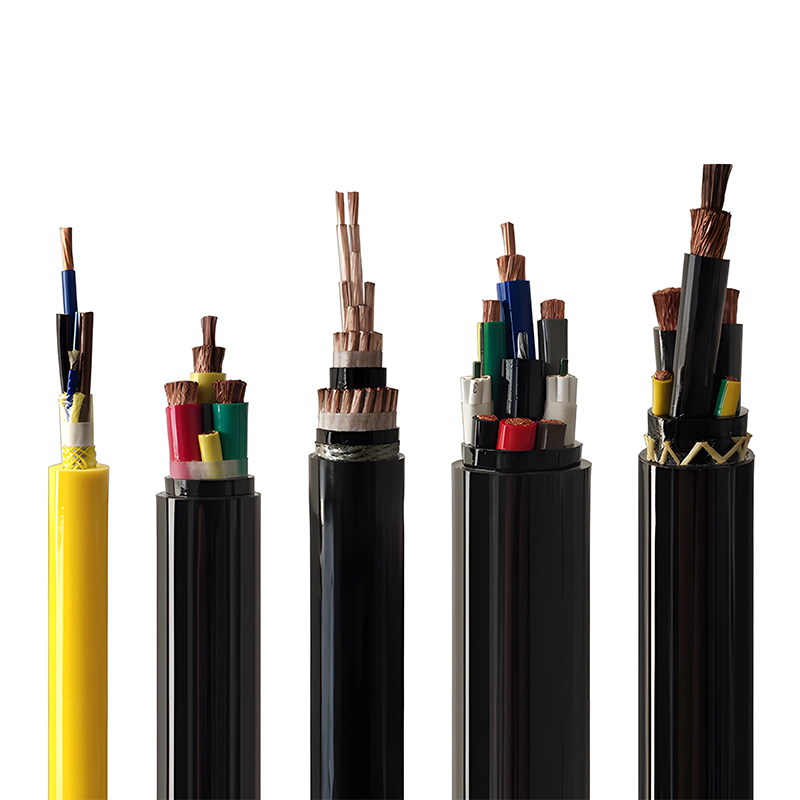
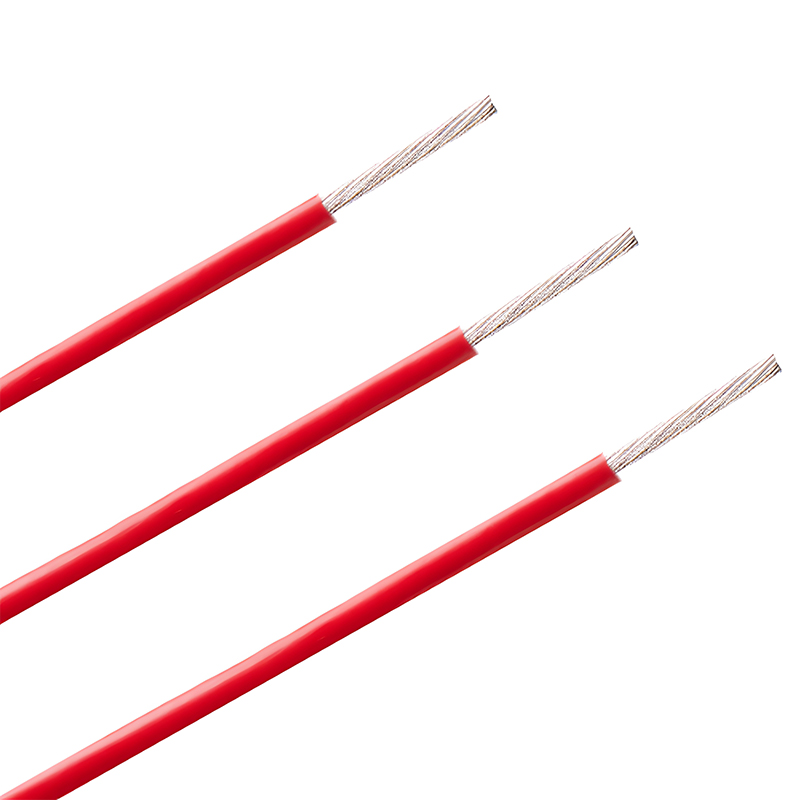
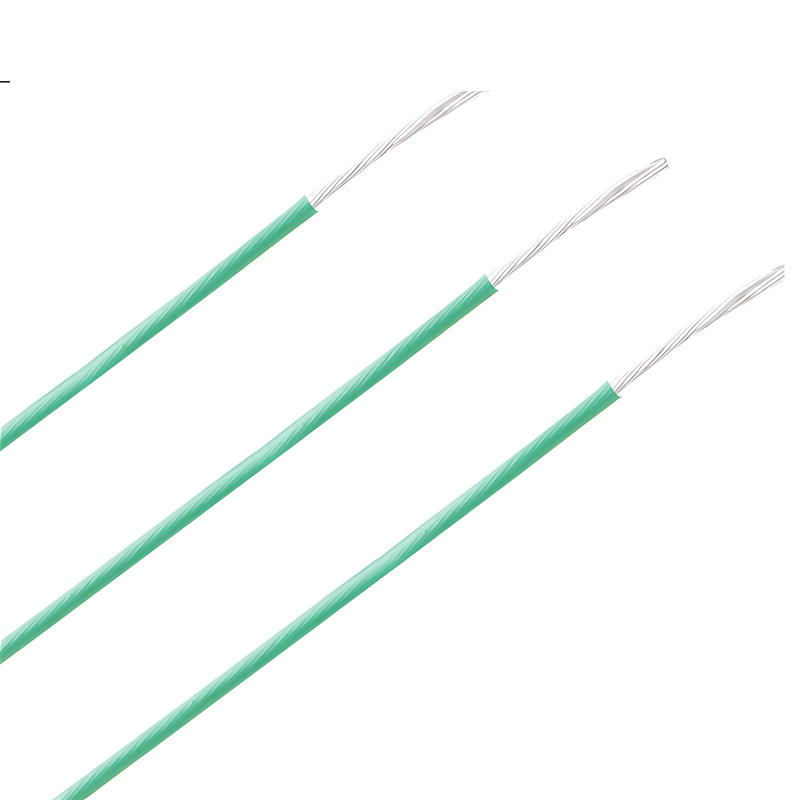
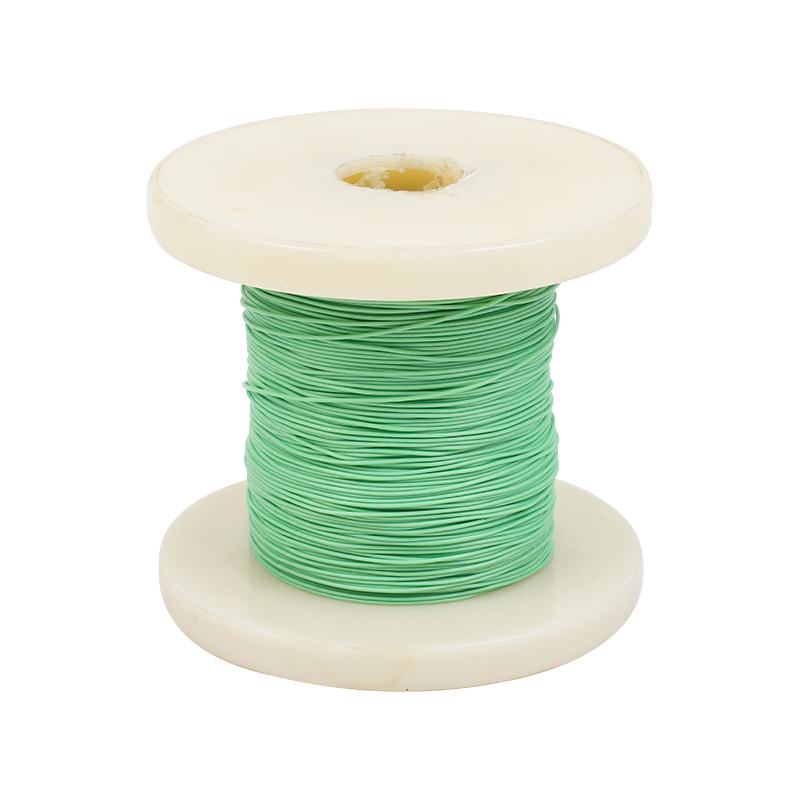
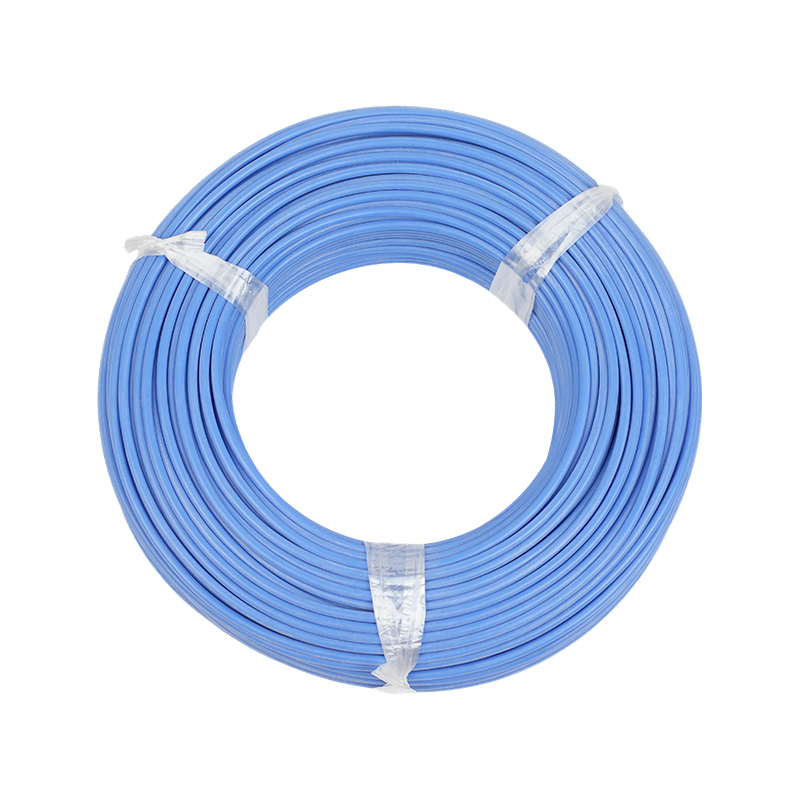
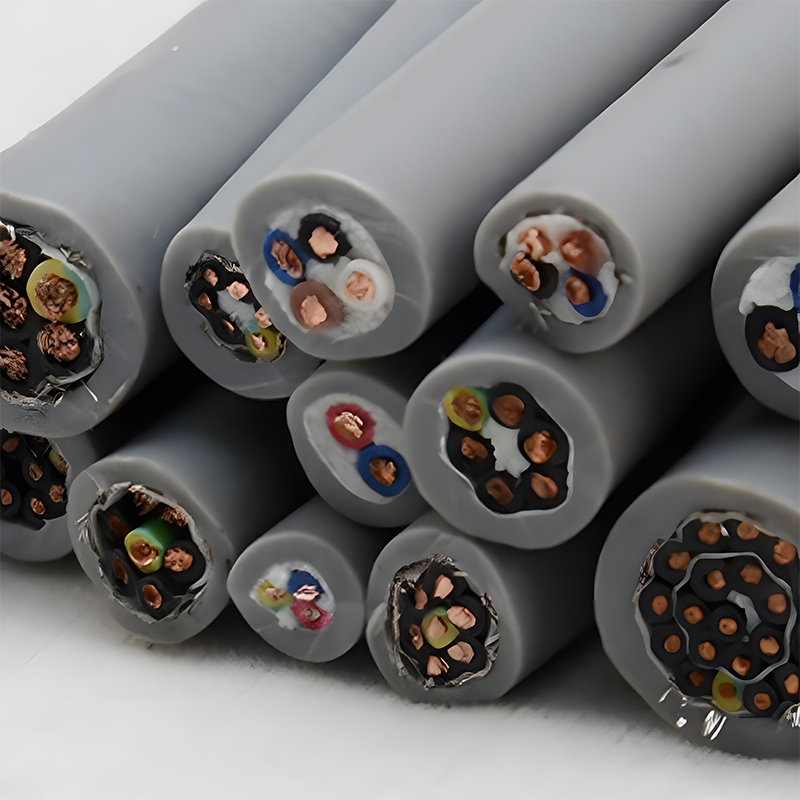
Winch control cables share manufacturing techniques and materials with several other cables in our high-temperature and flexible cable range. Below are related products built on the same reinforcement and insulation principles.
Where These Cables Get Put to Work
- 01Maritime and offshore decks: deck winches and ROV tethers that must resist high hydrostatic pressure and continuous saltwater exposure.
- 02Mining and construction hoists: tower cranes and hoist systems running in dust-heavy, abrasive conditions.
- 03Emergency rescue equipment: fire truck ladder controls and mountain rescue winches that must not fail under load.
- 04Geophysical exploration: seismic winch cables built for remote polar or desert climates with extreme temperature swings.
Selecting the Right Winch Cable for Your Equipment
Four factors determine whether a winch cable will last through its expected service life rather than failing early on the drum:
Minimum winding radius: exceeding the recommended radius, typically 8 to 10 times the cable outer diameter, puts excessive strain on the outer insulation and shortens service life. Confirm the drum diameter against the cable manufacturer's rating before installation.
Temperature range of the operating site: a cable rated only for standard indoor use will crack in polar or high-altitude conditions. Match the jacket material to the actual seasonal extremes the equipment will see.
Combined power and signal needs: composite hybrid designs can carry motor power cores alongside shielded signal pairs or fiber optics in a single reeling cable, avoiding the need for two separate lines on the same drum.
Certification requirements: for cross-border projects, confirm the cable carries the certifications required in the destination market, such as UL, CE, CCC, or RoHS, along with ISO9001 or IATF16949 manufacturing certification.
Frequently Asked Questions
What is the purpose of the central strength member?
The central strength member, usually aramid fiber or steel, absorbs the tensile pulling force from the drum. Without it, that force would be carried by the copper conductors themselves, stretching them, reducing effective wire gauge, and raising electrical resistance until the cable fails.
Can a winch cable stay flexible in sub-zero conditions?
Yes, when the jacket is made from specialized silicone rubber rather than standard PVC. Silicone-jacketed winch cables remain pliable down to around -60 degrees Celsius, while PVC or standard rubber jackets stiffen and crack at far milder temperatures.
Can power and signal lines be combined in one winch cable?
Yes. Composite cable designs bundle power cores with shielded signal pairs or fiber optic elements inside one high-tensile jacket, giving both motor power and sensor feedback through a single reeling line instead of two.
Why does the drum diameter matter for cable life?
Winding a cable around a drum smaller than its rated minimum radius stresses the outer insulation on every cycle. Cables designed with extra-flexible fine-stranded conductors can tolerate tighter drum diameters while still reaching a long bending life.

-
Phone
+86-(0)21-6083 5889
+86 138 1238 0261 -
Email
export03@silvertincable.com
export@silvertincable.com -
Headquarter Address:
No. 20 Jianling Road, Zhangguo Community, Dainan Town, Xinghua City. Jiangsu Province China
-
Shanghai Branch:
Room 18A, West Building, Keji Jingcheng, No. 668 East Beijing Road. Huangpu District, Shanghai, China
Copyright © 2025 Jiangsu Silver& Tin Thread Hi-temperature Wire and Cables Co., Ltd. All Rights Reserved.
China industrial cable manufacturer Custom specialized wire & cable supplier