
 English
 русский
 Español
 عربى
عربى
 Home / News / Industry News / Solar Cable Manufacturers: How to Evaluate Suppliers and Avoid Costly Mistakes
Industry News
Solar Cable Manufacturers: How to Evaluate Suppliers and Avoid Costly Mistakes
2026-08-21
Content
- 1 Why the Solar Cable Manufacturer Is a Business Decision
- 2 Key Certifications and Standards to Verify
- 3 Material and Construction Factors That Affect Long-Term Performance
- 4 How to Assess a Manufacturer's Real Capability
- 5 Matching the Cable Type to the Application
- 6 Common Sourcing Mistakes in Solar Cable Procurement
- 7 Frequently Asked Questions
Your solar array can generate power for decades, but a substandard PV cable can undermine the entire system within a few years. The manufacturer you choose matters just as much as the module and inverter specifications. This guide explains the concrete checks and criteria that separate reliable solar cable manufacturers from suppliers that simply resell commodity wire.
Why the Solar Cable Manufacturer Is a Business Decision
Photovoltaic cables are a small fraction of total project cost, yet they carry the full DC current in harsh outdoor conditions. A cable that fails because of brittle insulation or corroded conductors leads to downtime, expensive replacement work, and potentially fire risk. When you evaluate manufacturers, you are really evaluating the risk profile of your project.
Reliable manufacturers invest in material selection, extrusion quality, and testing. They also provide traceability for every production batch. That level of discipline shows up in the field as fewer failures and lower lifetime cost. For example, a single failed DC cable can shut down an entire string, and locating that failure in a large ground-mounted plant can take days.
Using certified PV cable from a competent manufacturer also protects your insurance coverage and eligibility for performance guarantees. Many inverter and module warranties require correct system wiring; a cable failure can invalidate those claims even if the module itself is fine.
Key Certifications and Standards to Verify
Before comparing prices, check whether the manufacturer has the certifications required for your target market. Certification documents are the first evidence of a quality management system and product conformity.
Use the table below as a starting point for the most common PV cable standards.
| Standard | Market | Main focus |
|---|---|---|
| EN 50618 | European Union | Halogen-free insulation, UV and weather resistance for solar applications |
| IEC 62930 | International | DC cables for photovoltaic systems, halogen-free and flame-retardant |
| UL 4703 | United States | PV wire safety, ampacity, and conductor requirements |
| TÜV 2PfG 1169 / 1968 | Europe / export | Performance under temperature cycling, weather, and flexing |
Do not rely on the manufacturer's word alone. Ask for valid certificates from accredited bodies and match the certificate number to the product type you will buy. Also confirm that the certificate covers the exact product family and voltage class you require; a certificate for 600 V indoor cable does not cover a 1,500 V outdoor PV cable.
Material and Construction Factors That Affect Long-Term Performance
Solar cables spend their service life exposed to UV radiation, temperature swings, moisture, and sometimes chemicals. Insulation and conductor quality are therefore the most important physical attributes.
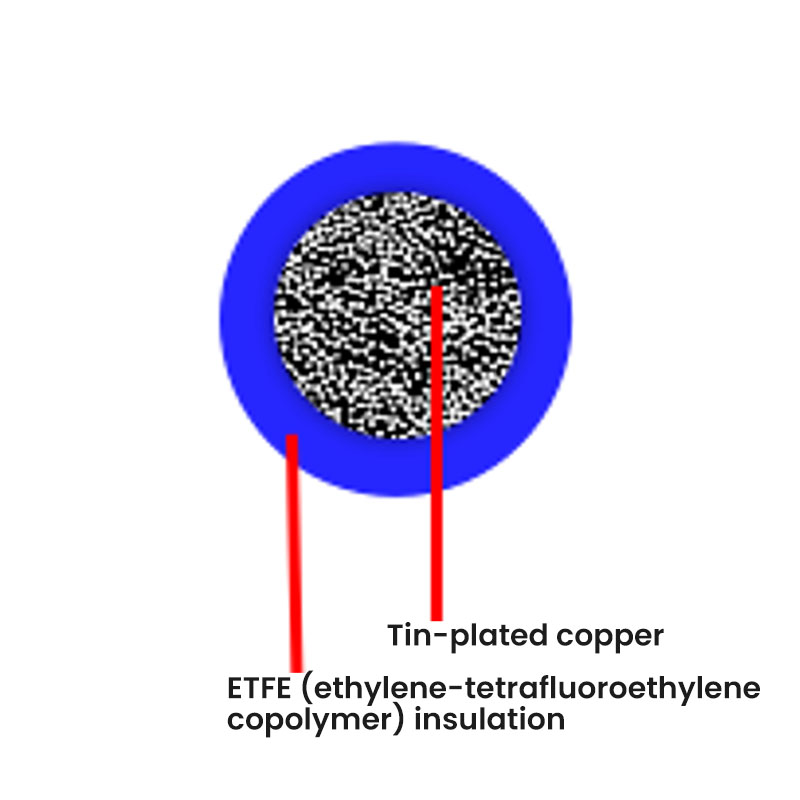
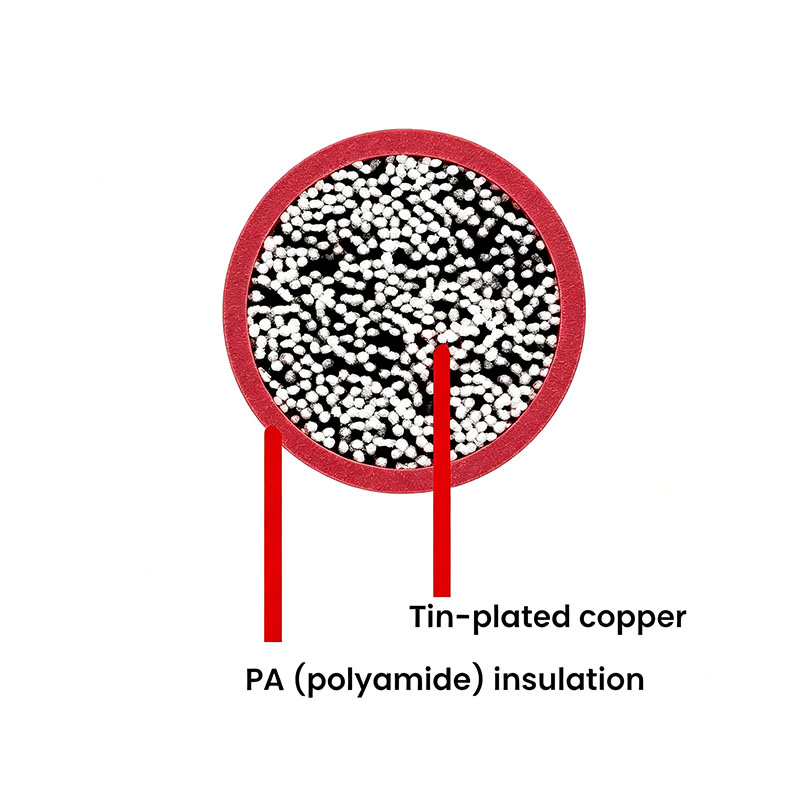
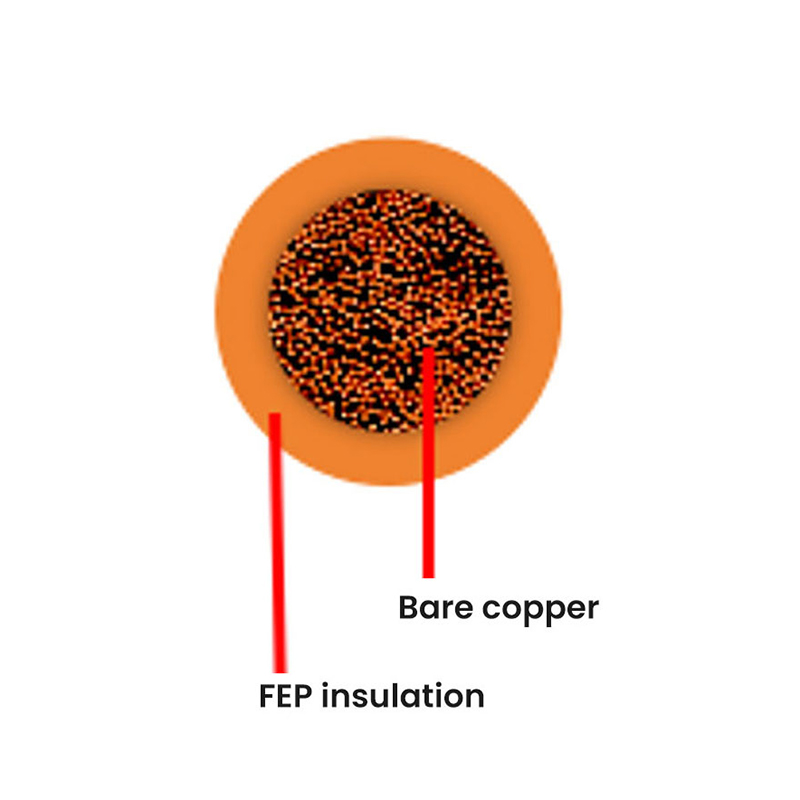
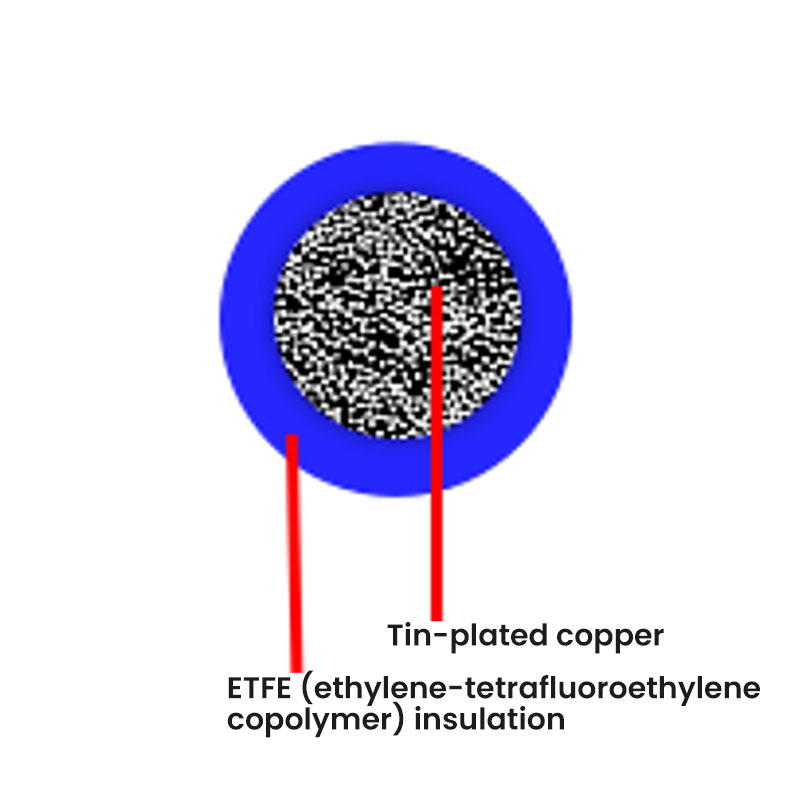
- Conductor: tinned copper resists corrosion better than bare copper in damp environments and maintains contact reliability over decades.
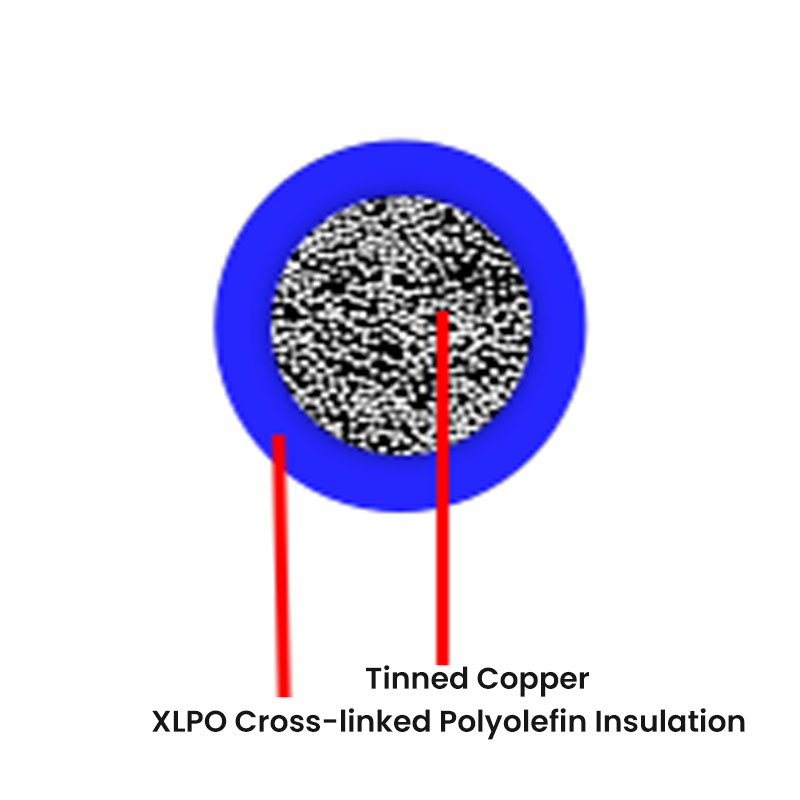
- Insulation: cross-linked polyethylene (XLPE) or low-smoke zero-halogen (LSZH) compounds provide higher temperature ratings and lower fire risk compared with standard PVC.
- Jacket: a robust outer sheath designed for UV resistance and cold flexibility prevents cracking during installation and operation.
- Marking and traceability: permanent cable markings with type, voltage rating, and batch codes make site inspection and warranty claims far easier.
These factors are not theoretical. A 4 mm2 cable with poor insulation can lose mechanical integrity after five years in direct sunlight, while an equivalent cable built for solar duty can still pass its original insulation resistance test.
When comparing specifications, read the temperature rating carefully. A cable rated for 90°C continuous conductor temperature is not equivalent to one rated for 120°C under short-circuit conditions. The manufacturer's data sheet should state both the operating range and the short-circuit rating.
How to Assess a Manufacturer's Real Capability
Certificates and material data sheets are necessary, but they are not enough. You need evidence that the factory can deliver consistent quality under real production pressure.
- Ask about production equipment: dedicated solar cable lines with precise extrusion and diameter control produce more consistent insulation thickness.
- Check process controls: in-line spark testing, conductor resistance measurement, and batch traceability identify issues before cables leave the factory.
- Review experience: a manufacturer with a long history in high-temperature and speciality cables often has better process knowledge than one that only started producing PV cables recently.
- Request samples and independent test reports before committing to a large volume.
For renewable-energy projects, it is useful to work with a supplier that understands the broader ecosystem. Our renewable energy industry experience covers solar, wind, and storage applications, which helps avoid compatibility issues at the system level.
Suggested weight of manufacturer evaluation criteria
- Certifications (30%)
- Material quality (25%)
- Production capability (20%)
- Testing and service (15%)
- Other factors (10%)
Use these weights as a starting point and adjust them according to your project's risk profile. A utility-scale ground-mount system may put more weight on testing, while a rooftop installation may put more weight on mechanical flexibility.
Matching the Cable Type to the Application
Different parts of a renewable-energy plant require different cable constructions. Choose the manufacturer and product family according to the specific duty.
Solar PV Cables for the DC Side
The DC side of a PV array operates at high current and high voltage in direct sunlight. A dedicated solar photovoltaic cable with UV-resistant insulation and tinned copper conductors is designed to handle this duty continuously.
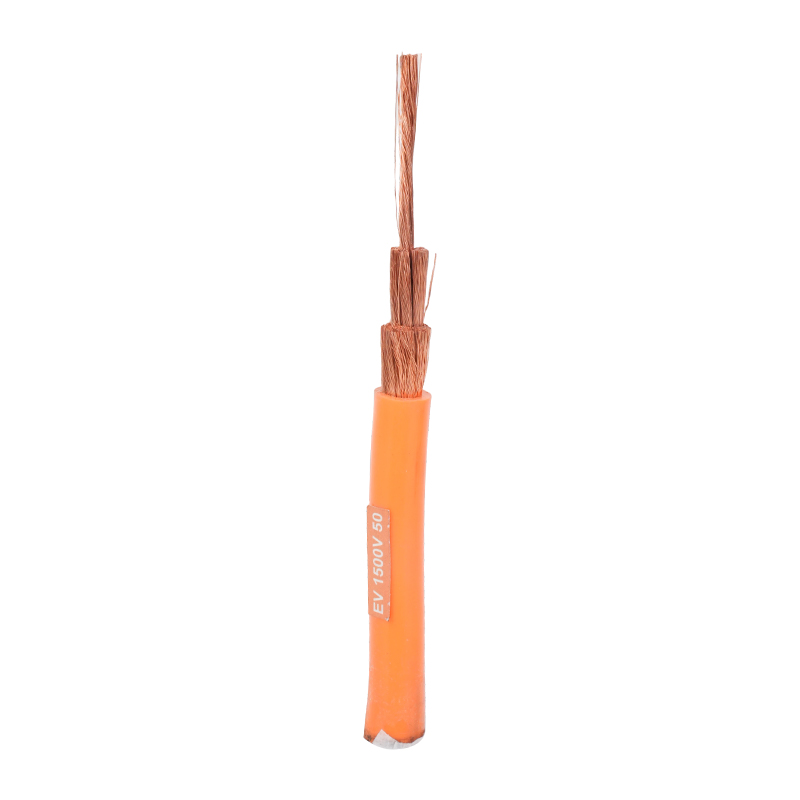 Custom Solar Photovoltaic Cables Manufacturer, Supplier - Jiangsu Silver & Tin TJiangsu Silver & Tin Thread Hi-temperature Wire and Cables Co., Ltd. is China custom Solar Photovoltaic Cables suppliers and company,Prod...View Product →
Battery Energy Storage Cables
Storage systems add a different challenge: high current ripple, temperature swings, and compact routing. Flexible, flame-retardant battery energy storage cable options help reduce hot spots and make installation simpler.
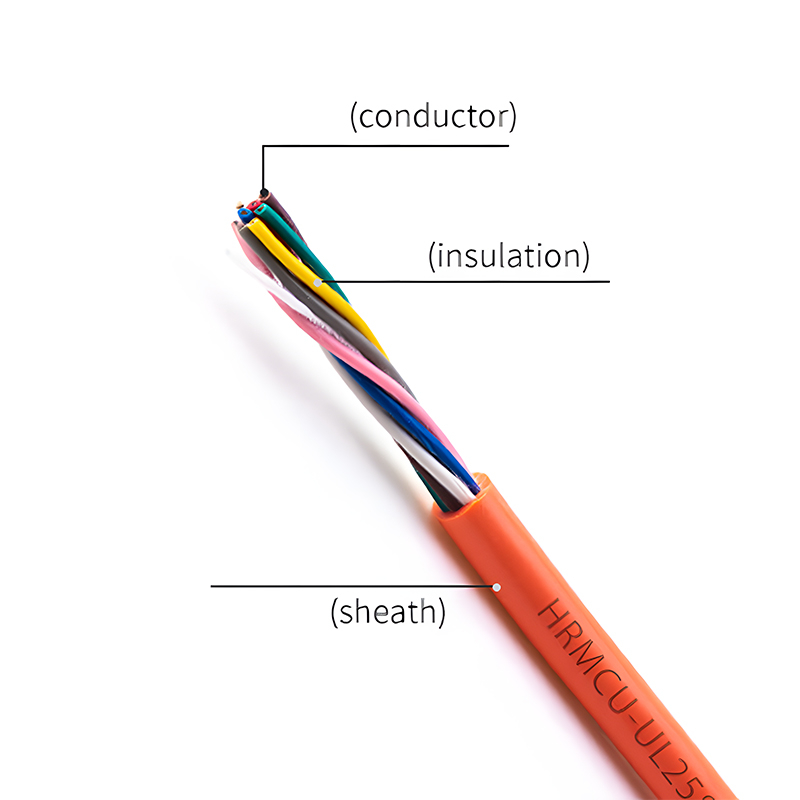 Custom Battery Energy Storage Cable Manufacturer, Supplier - Jiangsu Silver & TiJiangsu Silver & Tin Thread Hi-temperature Wire and Cables Co., Ltd. is China custom Battery Energy Storage Cable suppliers and company,M...View Product →
Wind Power Cables
In wind turbines and balance-of-plant connections, cables experience vibration and bending. That requires a construction different from fixed rooftop wiring. A robust wind power cable with flexible stranding and durable insulation is a safer choice for moving components.
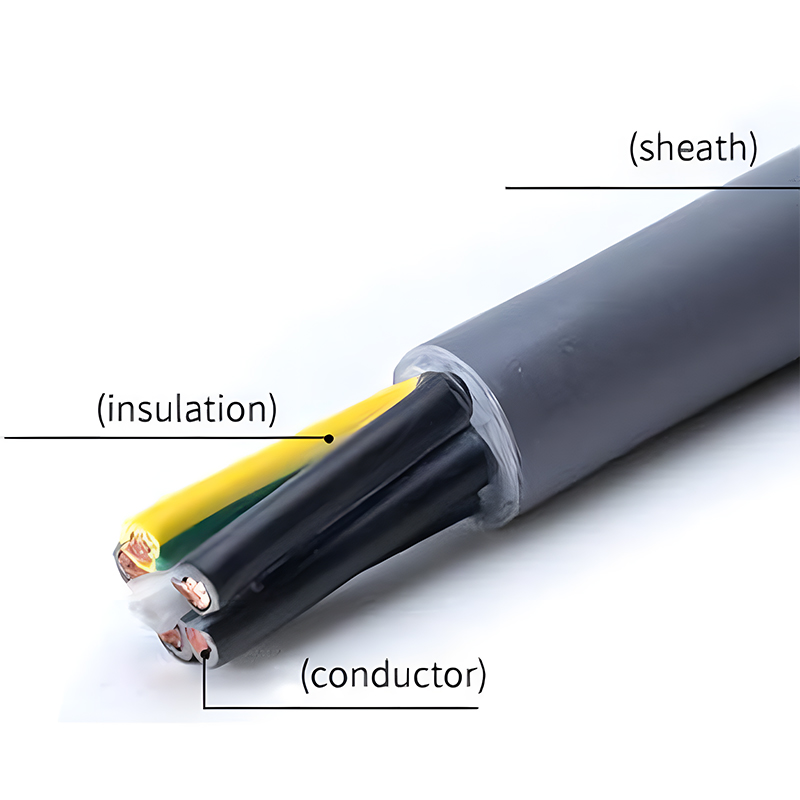 Custom Wind Power Cables Manufacturer, Supplier - Jiangsu Silver & Tin Thread HiJiangsu Silver & Tin Thread Hi-temperature Wire and Cables Co., Ltd. is China custom Wind Power Cables suppliers and company,Manufacturin...View Product →
Common Sourcing Mistakes in Solar Cable Procurement
Most project failures do not come from an exotic design error; they come from basic sourcing mistakes that could have been caught early.
- Buying on price alone: under-specified cable increases resistive losses and shortens service life, raising the total cost of ownership.
- Overlooking DC voltage rating: PV systems now operate at 1,000 V or 1,500 V; using cable rated for lower voltage creates an immediate safety hazard.
- Ignoring UV and weather resistance: indoor-grade cable degrades quickly when exposed to sunlight.
- Skipping batch testing: a single batch of poor insulation can lead to a large-scale recall.
When you review supplier documentation, verify that the test report matches the exact product model and production batch you will receive. For long runs, consider a larger conductor size because the reduction in resistive losses can outweigh the extra material cost over a 20-year service life.
Another common error is assuming that all "solar cables" are the same. Standard PV cables may not be suitable for underground burial unless they have a reinforced jacket. Ask for installation-specific guidance and test data for the route conditions.
Frequently Asked Questions
Brief answers to common questions buyers ask about solar cable manufacturers.
What certifications should a solar cable manufacturer have?
At a minimum, look for a quality management certificate such as ISO 9001 or IATF 16949, plus a product certificate relevant to your market, such as EN 50618, IEC 62930, UL 4703, or TÜV 2PfG.
How long do solar cables last?
Good-quality PV cables are typically designed for a service life of 25 years under outdoor conditions, provided the cable is correctly selected for temperature, UV exposure, and mechanical stress.
Can I use standard AC cable for the DC side of a PV system?
No. DC PV cables have specific insulation and voltage requirements that standard AC building wire may not meet. Using the wrong cable can cause insulation breakdown, higher losses, and invalidated insurance coverage.
Choosing a solar cable manufacturer is not about finding the cheapest supplier; it is about selecting a production partner who can prove quality through certifications, materials, and process control. Look for evidence of experience across related renewable-energy applications, request independent test data, and verify that the product range matches your actual installation conditions. For practical examples from completed projects, you can review our renewable energy case studies to see how these considerations apply on-site.

-
Phone
+86-(0)21-6083 5889
+86 138 1238 0261 -
Email
export03@silvertincable.com
export@silvertincable.com -
Headquarter Address:
No. 20 Jianling Road, Zhangguo Community, Dainan Town, Xinghua City. Jiangsu Province China
-
Shanghai Branch:
Room 18A, West Building, Keji Jingcheng, No. 668 East Beijing Road. Huangpu District, Shanghai, China
Copyright © 2025 Jiangsu Silver& Tin Thread Hi-temperature Wire and Cables Co., Ltd. All Rights Reserved.
China industrial cable manufacturer Custom specialized wire & cable supplier