
 English
 русский
 Español
 عربى
عربى


Industry News
Why are silicone wires suitable for high temperature environments?
2025-09-25
The main chain of silicone rubber is composed of alternating silicon and oxygen atoms. Ordinary silicone rubber is mainly composed of methyl siloxane chains and a small amount of vinyl siloxane chains. If benzene is introduced, its high and low temperature resistance can be improved. After vulcanization, the mechanical properties and weather resistance of silicone rubber will be significantly improved.
The temperature resistance of silicone rubber materials is closely related to their type, vinyl content (related to crosslinking density), heat-resistant additives, types and amounts of fillers, as well as the pH value and moisture content of the mixed rubber. In addition, the residual substances after neutralization reaction of the raw rubber polymerization catalyst, the selection of white carbon black fillers, and the use of structural control agents are also important factors affecting the temperature resistance of silicone rubber.
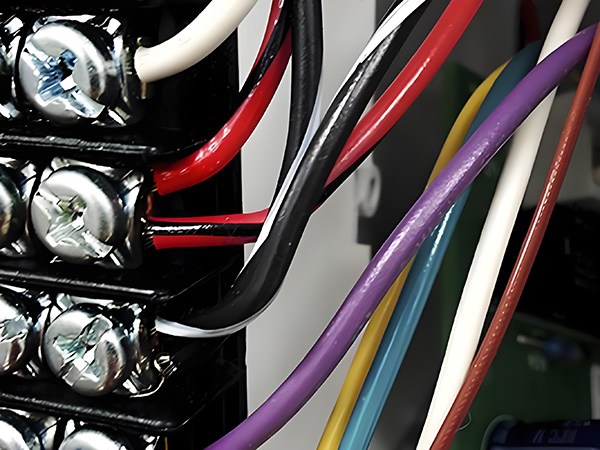
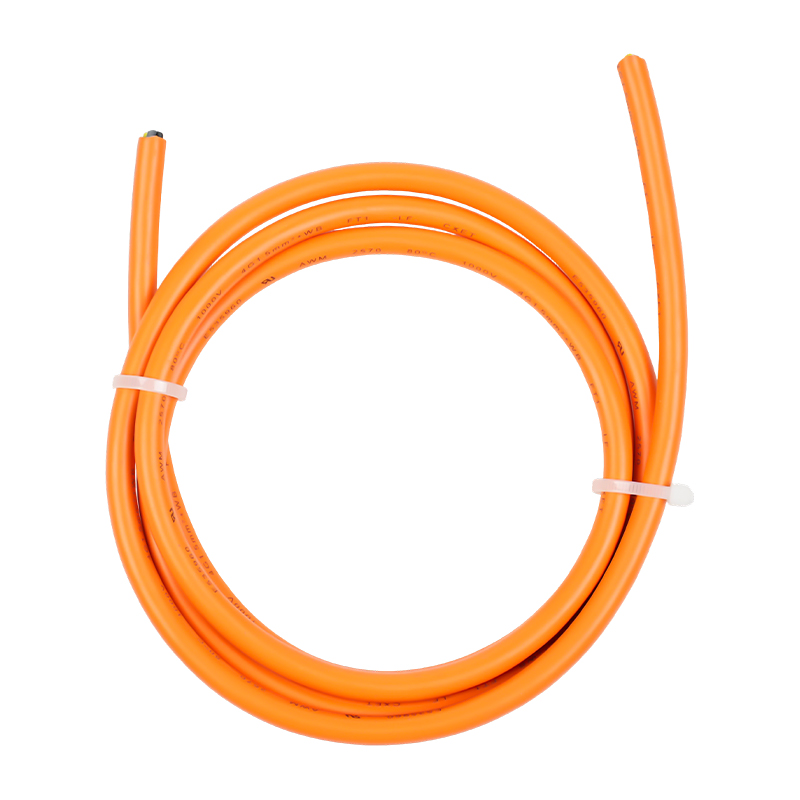
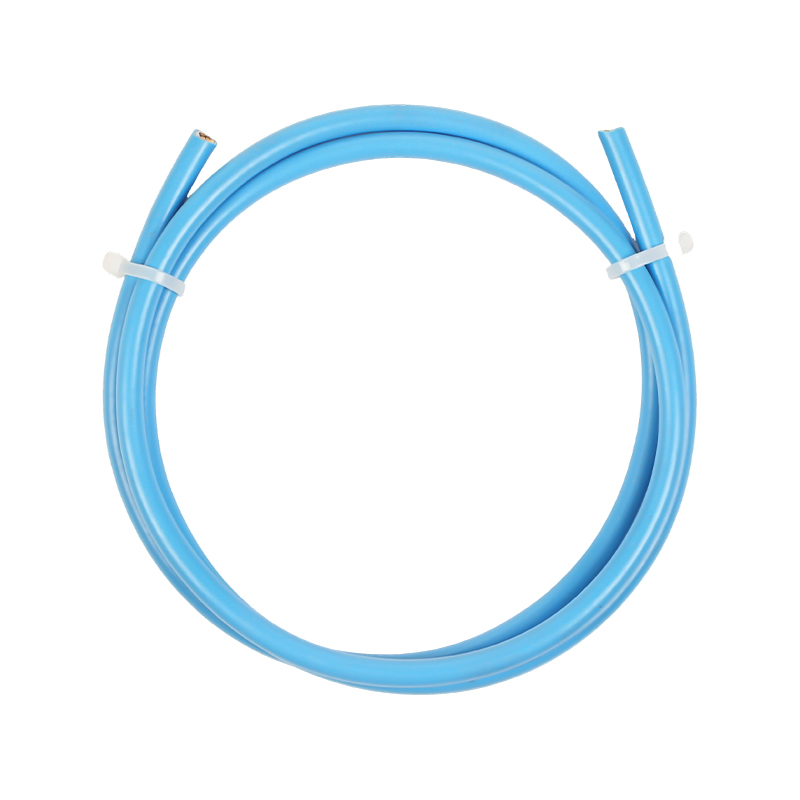
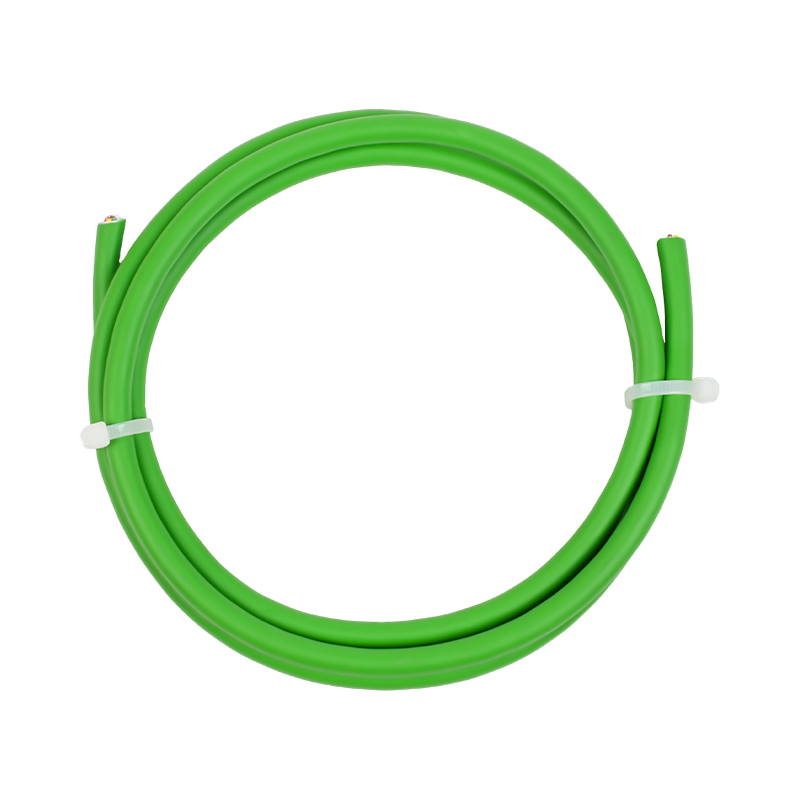
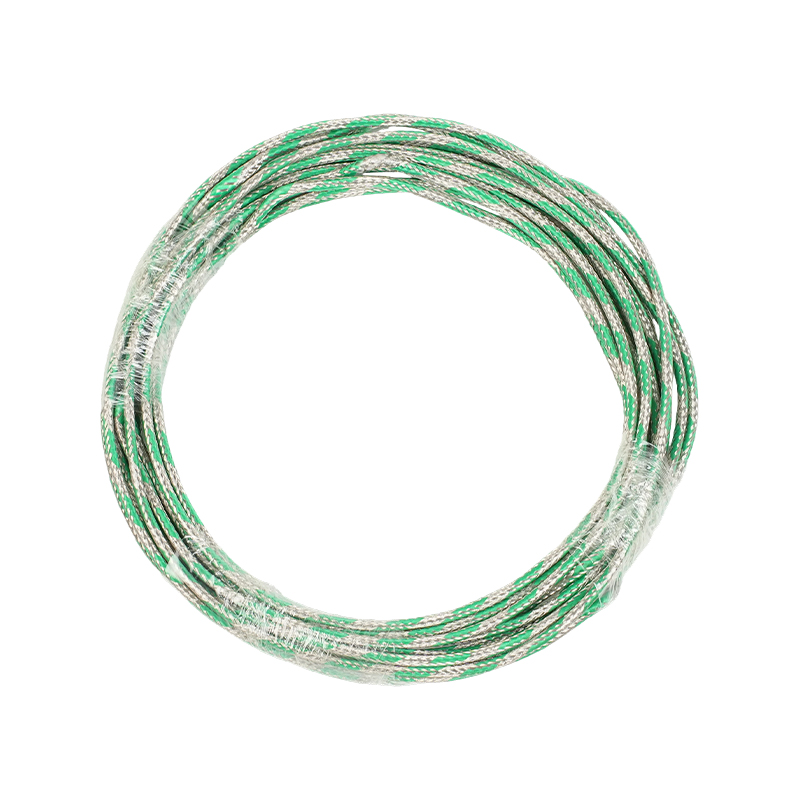
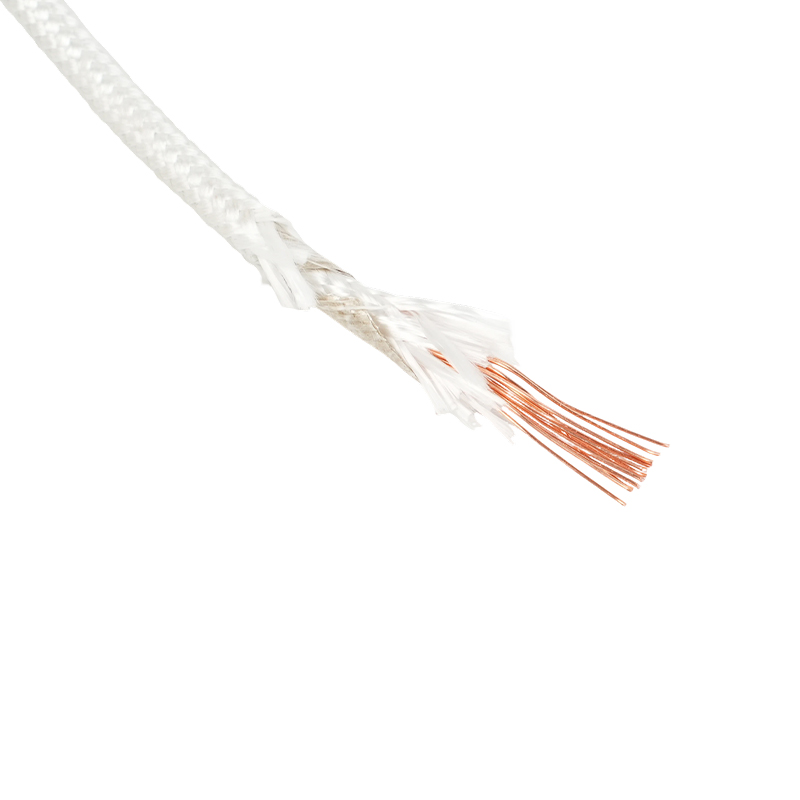
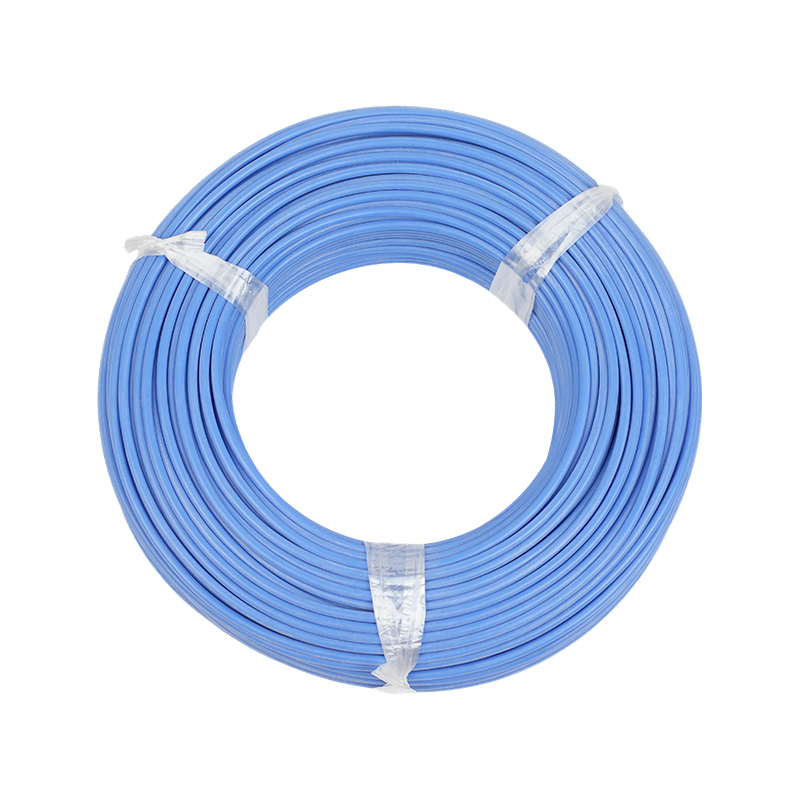
Silicone wire has stable performance under high-temperature environments, excellent aging resistance and long service life. It can be used for mobile terminals with special requirements for tensile strength, high temperature resistance, and corrosion resistance in transmission system mechanical equipment, as well as for electrical products, heating equipment, drinking water treatment equipment, hair dryer equipment, air conditioning and ventilation equipment, lighting equipment, electronic products, electric heating products, computer communication equipment, and high-tech fields such as aerospace and automobile manufacturing. At the same time, silicone wires can also be used for mobile terminals in power plants, factories, buildings, and chemical enterprises. They are not easily oxidized or decomposed in environments containing ozone and radiation, and have excellent chemical stability. In addition, it also has good hydrophobicity, waterproofness, earthquake resistance, and physiological inertness.

-
Phone
+86-(0)21-6083 5889
+86 138 1238 0261 -
Email
export03@silvertincable.com
export@silvertincable.com -
Headquarter Address:
No. 20 Jianling Road, Zhangguo Community, Dainan Town, Xinghua City. Jiangsu Province China
-
Shanghai Branch:
Room 18A, West Building, Keji Jingcheng, No. 668 East Beijing Road. Huangpu District, Shanghai, China
Copyright © 2025 Jiangsu Silver& Tin Thread Hi-temperature Wire and Cables Co., Ltd. All Rights Reserved.
China industrial cable manufacturer Custom specialized wire & cable supplier