
 English
 русский
 Español
 عربى
عربى
 Home / News / Industry News / High Temperature Cable Selection and Application Guide: Temperature Ratings, Material Comparison, and Service Life Analysis
Industry News
High Temperature Cable Selection and Application Guide: Temperature Ratings, Material Comparison, and Service Life Analysis
2026-04-14
Content
- 1 How to Choose the Most Suitable High Temperature Cable Model and Temperature Rating
- 1.1 Defining the Operating Temperature Range as the Basis
- 1.2 Insulation Material Determines Temperature Rating and Application Scope
- 1.3 Conductor Size Must Match Load Capacity
- 1.4 Select Structure Based on Application Scenarios
- 1.5 Focus on Long-Term Operational Reliability
- 1.6 Systematic Selection Approach
- 2 Which Is Better: Silicone Rubber High Temperature Cable or Fluoroplastic High Temperature Cable
- 3 Which Industrial Scenarios Are High Temperature Cables Suitable For
- 4 Will High Temperature Cables Age Over Time and How to Extend Their Service Life
- 4.1 Impact Mechanism of High Temperature on Insulation Aging
- 4.2 Effect of Electrical Load on Internal Structure
- 4.3 Combined Environmental Factors Accelerate Degradation
- 4.4 Service Life Under Different Operating Conditions
- 4.5 Key Measures to Extend Service Life
- 4.6 Role of Material Properties in Lifespan
- 4.7 Operational Management Improves Reliability
How to Choose the Most Suitable High Temperature Cable Model and Temperature Rating
Selection should be based on actual operating temperature, environmental conditions, and electrical load. Priority should be given to determining the temperature rating and insulation material, with a safety margin of 20%–30% above the maximum operating temperature to ensure long-term stability.
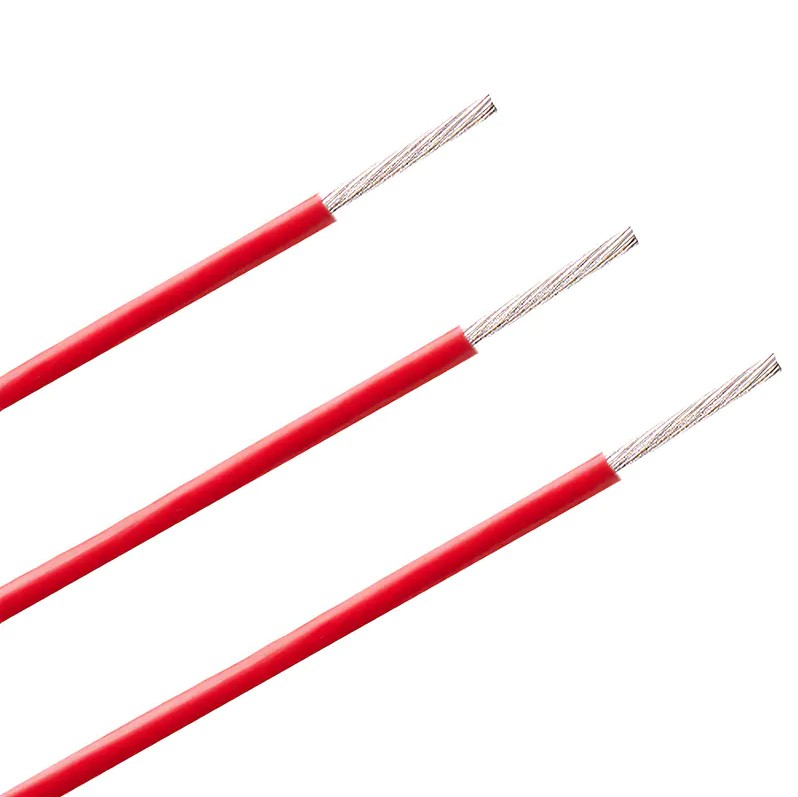
Defining the Operating Temperature Range as the Basis
The selection of high temperature cables requires careful evaluation of continuous operating temperature and peak temperature under different industrial conditions:
- General industrial equipment: 150°C–200°C
- High-temperature processing equipment: 200°C–400°C
- Extreme environments: above 400°C
In engineering practice, selecting a higher temperature rating helps reduce thermal aging risks of insulation materials.
Insulation Material Determines Temperature Rating and Application Scope
| Material Type | Temperature Range | Application Features |
|---|---|---|
| Silicone Rubber | -60°C ~ 180°C | Flexible, suitable for complex wiring |
| Fluoroplastic | 200°C ~ 260°C | Excellent chemical resistance |
| Glass Fiber Braided | 300°C ~ 500°C | High temperature and abrasion resistance |
| Mica Composite | Above 500°C | Suitable for extreme high-temperature environments |
Conductor Size Must Match Load Capacity
The conductor cross-sectional area should be selected based on actual load current, considering the impact of high temperature on conductivity:
| Current Range (A) | Cross-Section (mm²) |
|---|---|
| 10~20 | 1.5~2.5 |
| 20~40 | 4~6 |
| 40~80 | 10~16 |
Select Structure Based on Application Scenarios
- High-temperature industrial sectors: focus on heat resistance and mechanical protection
- Chemical industry: prioritize corrosion resistance and stability
- Equipment applications: emphasize flexibility and reliability
Focus on Long-Term Operational Reliability
- Thermal stability of insulation affects service life
- High temperatures accelerate material degradation
- Complex environments require attention to external factors
Systematic Selection Approach
- Define temperature range and environment
- Determine temperature rating with safety margin
- Select appropriate insulation material
- Calculate load and choose conductor size
- Match structure to application requirements
Which Is Better: Silicone Rubber High Temperature Cable or Fluoroplastic High Temperature Cable
Silicone rubber cables are more suitable for flexible installation and medium-temperature environments, while fluoroplastic cables perform better in high-temperature and chemically aggressive conditions. The choice depends on specific operating requirements rather than a single standard.
Temperature Resistance Comparison
| Type | Typical Temperature Range | Short-Term Limit |
|---|---|---|
| Silicone Rubber | -60°C ~ 180°C | ≈200°C |
| Fluoroplastic | 200°C ~ 260°C | >300°C |
Fluoroplastic materials provide a higher thermal ceiling, making them more suitable for sustained high-temperature environments.
Flexibility and Installation Adaptability
- Silicone rubber cables offer excellent flexibility and smaller bending radius
- Fluoroplastic cables are relatively rigid and better suited for fixed installation
In confined spaces or complex routing systems, flexibility significantly improves installation efficiency.
Chemical Resistance and Environmental Performance
- Silicone rubber can withstand general industrial environments
- Fluoroplastic demonstrates strong resistance to acids, alkalis, and solvents
This makes fluoroplastic cables more reliable in chemically aggressive industries such as processing plants.
Mechanical Performance Differences
- Silicone rubber can be enhanced with braided structures for better wear resistance
- Fluoroplastic has high surface strength but lower fatigue resistance under repeated bending
Typical Application Scenarios
| Application | Preferred Type | Reason |
|---|---|---|
| Heating equipment | Silicone rubber | Flexible and easy to install |
| Chemical environments | Fluoroplastic | Strong corrosion resistance |
| Complex wiring | Silicone rubber | High flexibility |
| High-temperature industrial systems | Fluoroplastic | Higher thermal tolerance |
Selection Considerations
- Choose silicone rubber for temperatures below 180°C and flexible installations
- Choose fluoroplastic for temperatures above 200°C or corrosive environments
- Evaluate installation method and environmental exposure before final selection
Which Industrial Scenarios Are High Temperature Cables Suitable For
High temperature cables are widely used in industrial environments involving sustained heat exposure, thermal radiation, or corrosive conditions, including metallurgy, chemical processing, electric heating systems, glass manufacturing, and energy extraction.
Metallurgical Industry Applications
In metallurgical operations such as steelmaking and heat treatment, ambient temperatures typically exceed 300°C, with localized zones reaching up to 800°C.
- Furnace and high-temperature equipment connections
- Areas exposed to molten metal and radiant heat
- Continuous high-load power transmission systems
Chemical Industry Applications
Chemical plants often operate under combined conditions of elevated temperatures and aggressive media, typically above 200°C.
- Reactor and processing equipment wiring
- Pipelines and control systems in corrosive environments
- High-reliability instrumentation circuits
Electric Heating Equipment
Electric heating systems require cables capable of long-term stable operation, often within 150°C to 300°C ranges.
- Industrial ovens and heating elements
- Heating platforms and thermal processing units
- Continuous-duty power supply lines
Glass and Building Materials Manufacturing
Glass melting and ceramic production involve extreme temperatures, typically ranging from 600°C to 1000°C.
- Kiln and furnace electrical systems
- Dust-heavy and abrasive environments
- High thermal shock exposure zones
Energy and Mining Applications
Mining and energy extraction sites often involve fluctuating temperatures, mechanical stress, and humidity.
- Underground power transmission systems
- Heavy equipment and control systems
- Environments with thermal and mechanical stress
Industrial Scenario Comparison
| Industry | Temperature Range | Key Requirements |
|---|---|---|
| Metallurgy | 300°C–800°C | Heat and radiation resistance |
| Chemical | 200°C–300°C | Corrosion and heat resistance |
| Heating Equipment | 150°C–300°C | Stable operation |
| Glass Manufacturing | 600°C–1000°C | Extreme heat resistance |
| Mining & Energy | 100°C–250°C | Mechanical strength |
Key Considerations for Application Matching
- Align cable temperature rating with actual operating conditions
- Evaluate presence of corrosive or reactive substances
- Consider mechanical stress and environmental factors
- Ensure long-term operational reliability
Will High Temperature Cables Age Over Time and How to Extend Their Service Life
High temperature cables will gradually age under long-term exposure to heat, electrical load, and complex operating conditions. However, by controlling temperature, optimizing operating conditions, and strengthening maintenance practices, their service life can be significantly extended and failure risks reduced.
Impact Mechanism of High Temperature on Insulation Aging
Prolonged high temperatures cause molecular structure changes in insulation materials, leading to hardening, cracking, and reduced insulation performance:
- For every 10°C increase, aging accelerates significantly
- Operating above rated temperature leads to insulation degradation
- Thermal radiation accelerates surface deterioration
Effect of Electrical Load on Internal Structure
Electrical load directly influences conductor heating, which impacts overall lifespan:
- Continuous high load increases conductor temperature rise
- Heat transfers to insulation, accelerating aging
- Frequent start-stop cycles cause thermal fatigue
Combined Environmental Factors Accelerate Degradation
In industrial environments, multiple factors work together to shorten cable lifespan:
- Chemical corrosion from acids, alkalis, or oils
- Mechanical stress from vibration and friction
- Humidity variations affecting insulation resistance
Service Life Under Different Operating Conditions
| Operating Condition | Service Life Performance |
|---|---|
| Operation within rated temperature | Maintains designed service life |
| Near temperature limit | Significant lifespan reduction |
| Long-term over-temperature operation | Premature failure likely |
Key Measures to Extend Service Life
- Select appropriate temperature ratings to avoid extreme conditions
- Optimize installation to reduce mechanical stress
- Enhance protection in harsh environments
- Implement regular inspection and monitoring
Role of Material Properties in Lifespan
The service life of high temperature cables is closely related to material performance:
- Materials with high thermal stability reduce aging rates
- Strong oxidation resistance improves durability in high heat
Operational Management Improves Reliability
- Establish routine inspection procedures
- Avoid abnormal loads and frequent fluctuations
- Address visible damage and aging signs promptly

-
Phone
+86-(0)21-6083 5889
+86 138 1238 0261 -
Email
export03@silvertincable.com
export@silvertincable.com -
Headquarter Address:
No. 20 Jianling Road, Zhangguo Community, Dainan Town, Xinghua City. Jiangsu Province China
-
Shanghai Branch:
Room 18A, West Building, Keji Jingcheng, No. 668 East Beijing Road. Huangpu District, Shanghai, China
Copyright © 2025 Jiangsu Silver& Tin Thread Hi-temperature Wire and Cables Co., Ltd. All Rights Reserved.
China industrial cable manufacturer Custom specialized wire & cable supplier