
 English
 русский
 Español
 عربى
عربى
 Home / News / Industry News / Industrial Flexible Cable Selection Guide: Bending Durability, Application Comparison, and Drag Chain Selection Explained
Industry News
Industrial Flexible Cable Selection Guide: Bending Durability, Application Comparison, and Drag Chain Selection Explained
2026-04-14
Content
- 1 How to Choose Industrial Flexible Cables for Better Bending Resistance and Durability
- 1.1 Conductor Structure Determines Bending Performance
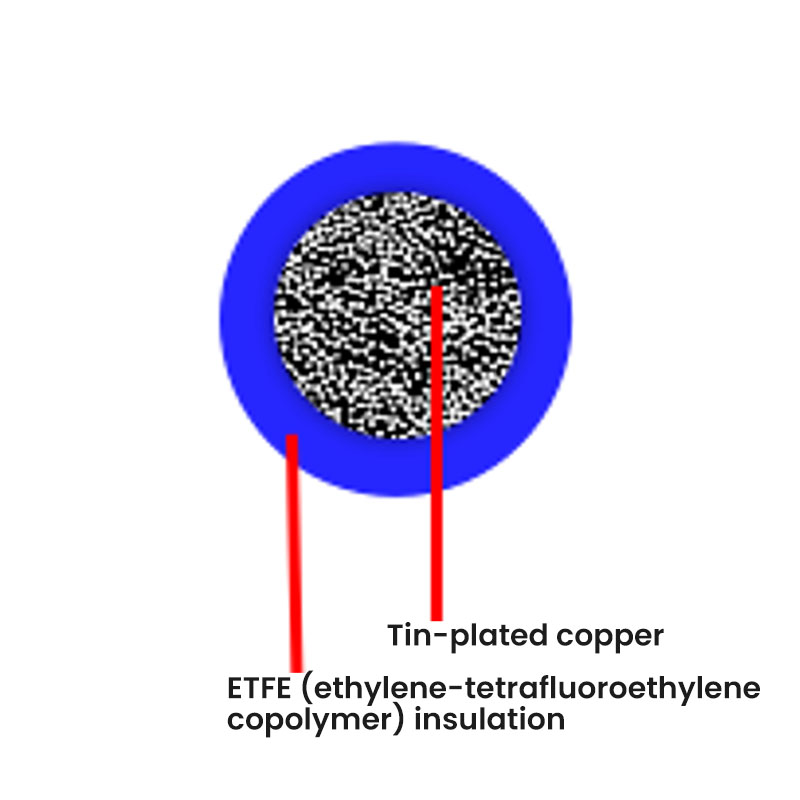
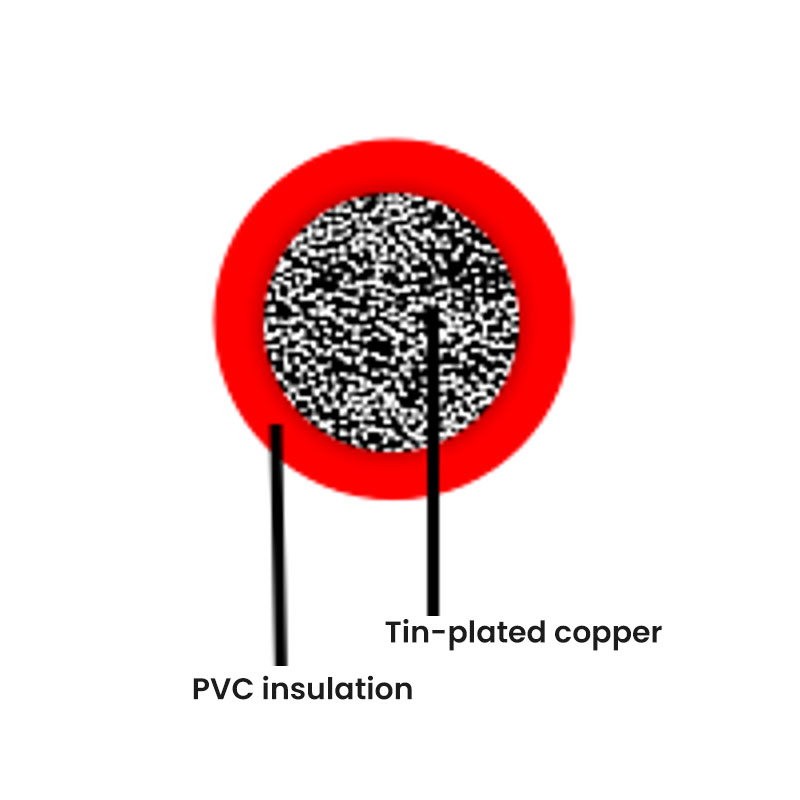
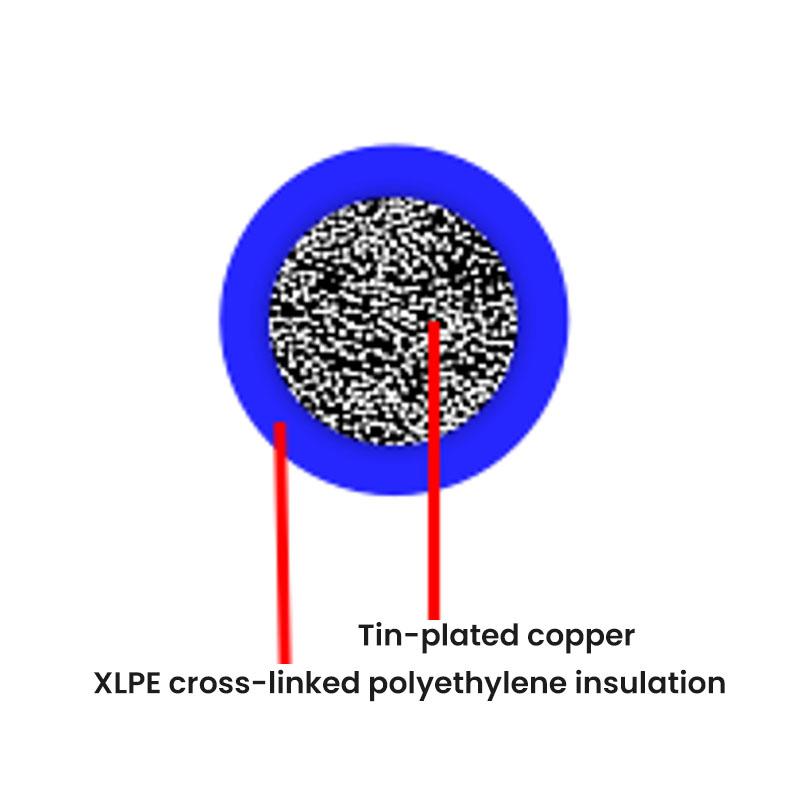
- 1.2 Insulation and Sheath Materials Affect Durability
- 1.3 Structural Design Determines Fatigue Resistance
- 1.4 Choose Based on Specific Application Scenarios
- 1.5 Bending Radius and Installation Are Critical
- 1.6 Reliability Testing Is a Key Reference
- 1.7 Key Selection Checklist
- 2 Which Is Better: Industrial Flexible Cable or Standard Cable? Key Differences Explained
- 2.1 Clear Differences in Application Scenarios
- 2.2 Structural Design Leads to Performance Differences
- 2.3 Significant Gap in Bending Lifespan
- 2.4 Environmental Resistance Capabilities
- 2.5 Functional Integration Differences
- 2.6 Performance Comparison Table
- 2.7 Impact on Equipment Reliability
- 2.8 How to Choose Based on Needs
- 3 Are Industrial Flexible Cables Suitable for High-Frequency Moving Equipment?
- 3.1 High-Frequency Motion Requires Specialized Cable Performance
- 3.2 Bending and Fatigue Resistance Are Critical
- 3.3 Torsion Resistance Supports Multi-Axis Movement
- 3.4 Abrasion and Environmental Resistance Ensure Longevity
- 3.5 Typical Application Scenarios
- 3.6 Performance Comparison Overview
- 3.7 Impact on Equipment Stability
- 3.8 Key Selection Considerations
- 4 How to Select the Right Industrial Flexible Cable for Drag Chain Systems
- 4.1 Match Cable Type to Motion Parameters
- 4.2 Bending Radius Determines Structural Requirements
- 4.3 Select Conductor Specifications Based on Electrical Needs
- 4.4 Sheath Material Impacts Wear Resistance and Lifespan
- 4.5 Cycle Life as a Core Evaluation Metric
- 4.6 Installation Method Affects Performance
- 4.7 Typical Selection Parameter Comparison
- 4.8 Typical Application Scenarios
- 4.9 Key Selection Considerations
How to Choose Industrial Flexible Cables for Better Bending Resistance and Durability
In industrial applications, selecting a truly bend-resistant and durable flexible cable depends on a comprehensive evaluation of structural design, material performance, application matching, and testing standards, rather than a single parameter. Prioritizing cables with high bending life structures and verified through high-cycle testing significantly improves operational stability.
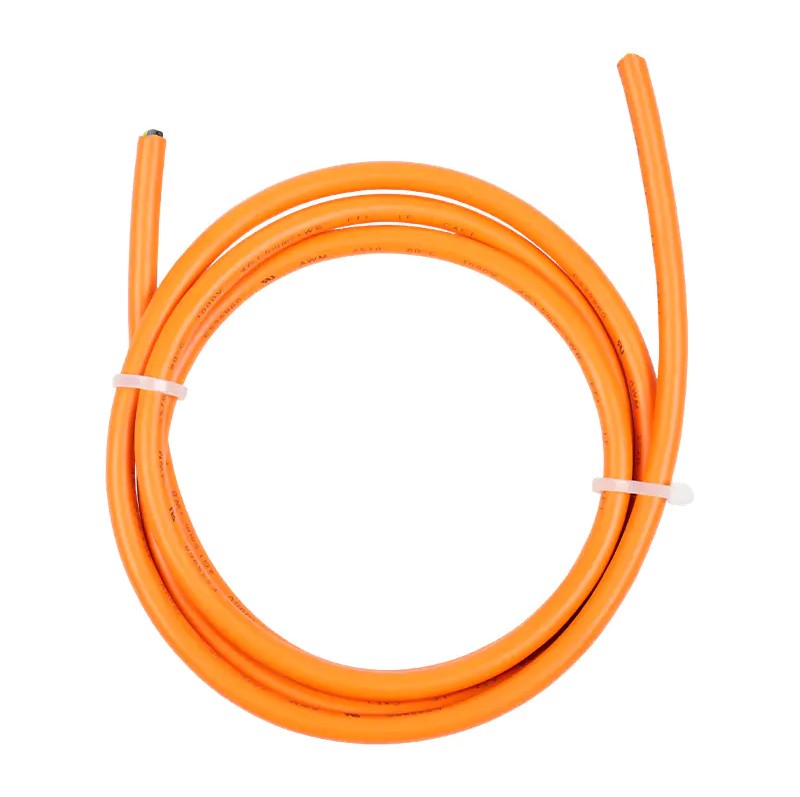
Conductor Structure Determines Bending Performance
The bending resistance of industrial flexible cables primarily depends on the conductor structure.
- Multi-strand fine copper wires
- High-density stranding
- High flexibility conductor class
In comparison, standard cables typically withstand 10,000–50,000 bending cycles, while industrial flexible cables can exceed 1 million cycles.
Insulation and Sheath Materials Affect Durability
Material selection directly impacts cable lifespan in complex environments.
| Material | Flexibility | Abrasion Resistance | Oil Resistance | Applications |
|---|---|---|---|---|
| PVC | Medium | Moderate | Moderate | General equipment |
| PUR | Very High | Very High | Very High | Drag chains, robotics |
| TPE | High | High | High | Highly flexible environments |
Structural Design Determines Fatigue Resistance
- Layered stranding reduces internal wear
- Tensile elements improve stability
- Torsion-resistant design for complex motion
High-performance cables can withstand ≥5 million bending cycles and support multi-axis motion in robotic applications.
Choose Based on Specific Application Scenarios
Different environments require different cable characteristics:
- Drag chain systems: high flexibility and abrasion resistance
- Industrial robots: strong torsion resistance
- Heavy machinery: tensile strength and impact resistance
Bending Radius and Installation Are Critical
- Fixed installation: ≥4× cable diameter
- Dynamic installation: ≥7.5× cable diameter
Improper installation can lead to core breakage, sheath wear, and premature failure.
Reliability Testing Is a Key Reference
- Bending life testing
- Drag chain cycle testing
- Torsion testing
For standard industrial use, ≥1 million cycles is recommended, while high-demand scenarios require ≥3 million cycles.
Key Selection Checklist
- High-flexibility conductor structure
- Material suitability for environment
- Application-specific design
- Verified testing data
Which Is Better: Industrial Flexible Cable or Standard Cable? Key Differences Explained
In practical applications, industrial flexible cables are more suitable for dynamic, high-frequency, and harsh environments, while standard cables are better suited for static and basic power distribution scenarios. The differences between them are significant in structure, lifespan, performance, and application scope.
Clear Differences in Application Scenarios
The primary distinction lies in where each type is used.
- Industrial flexible cables: used in automation systems, drag chains, robotic joints, and heavy machinery
- Standard cables: used in building wiring and fixed installations
For example, in drag chain systems, cables must withstand continuous movement, which standard cables cannot handle effectively.
Structural Design Leads to Performance Differences
The internal construction varies significantly.
- Industrial flexible cables: fine-stranded conductors with optimized structures for flexibility
- Standard cables: thicker conductors with simpler structures
This allows flexible cables to distribute stress more evenly during bending and torsion.
Significant Gap in Bending Lifespan
- Standard cables: approximately 10,000–50,000 cycles
- Industrial flexible cables: typically over 1 million cycles
This difference directly affects maintenance frequency and system uptime in industrial environments.
Environmental Resistance Capabilities
Industrial environments demand higher durability.
- Industrial flexible cables: resistant to oil, abrasion, temperature variations, and corrosion
- Standard cables: limited resistance, suitable for controlled environments
Functional Integration Differences
Modern systems often require both power and signal transmission.
- Industrial flexible cables: support integrated power and signal transmission
- Standard cables: mainly designed for power transmission only
Performance Comparison Table
| Comparison Item | Industrial Flexible Cable | Standard Cable |
|---|---|---|
| Bending Life | ≥1 million cycles | 10k–50k cycles |
| Application Environment | Dynamic, harsh | Static |
| Torsion Resistance | High | Low |
| Abrasion Resistance | High | Moderate |
| Typical Use | Robotics, drag chains | Building wiring |
Impact on Equipment Reliability
In automated systems, cable failure can lead to production downtime. Using flexible cables reduces risks of signal interruption and mechanical failure, ensuring stable operation.
How to Choose Based on Needs
- Is frequent movement involved?
- Is the environment harsh (oil, temperature)?
- Is both power and signal transmission required?
- Is continuous operation critical?
If the answer is yes to most of these, industrial flexible cables are the more appropriate choice.
Are Industrial Flexible Cables Suitable for High-Frequency Moving Equipment?
Industrial flexible cables are highly suitable for high-frequency moving equipment. Their design allows them to withstand continuous motion, repeated bending, and complex mechanical stress, ensuring stable long-term performance in demanding environments.
High-Frequency Motion Requires Specialized Cable Performance
In automated systems, cables are required to move continuously with equipment such as drag chains and robotic arms.
- High cycle rates: dozens to hundreds of movements per minute
- Long operating hours: often 24/7 continuous use
- Complex motion: bending, twisting, and tension combined
Under such conditions, standard cables tend to fail quickly.
Bending and Fatigue Resistance Are Critical
- Capable of over 1 million bending cycles
- High-performance types can reach 3–5 million cycles
This durability comes from fine-stranded conductors and optimized internal structures that reduce stress concentration.
Torsion Resistance Supports Multi-Axis Movement
In robotic systems, cables are subjected not only to bending but also to torsion.
- Withstands continuous ±180° torsion
- Handles multi-directional combined motion
Abrasion and Environmental Resistance Ensure Longevity
High-frequency movement often involves friction and exposure to harsh environments.
- High abrasion resistance for drag chain use
- Oil resistance for industrial machinery
- Temperature resistance for extreme conditions
Typical Application Scenarios
- Automated production lines: drag chain power and signal transmission
- Industrial robots: continuous joint movement wiring
- Logistics systems: high-speed sorting equipment
- Heavy machinery: lifting and moving zones
Performance Comparison Overview
| Performance Metric | Industrial Flexible Cable | Standard Cable |
|---|---|---|
| Bending Life | ≥1 million cycles | 10k–50k cycles |
| Torsion Resistance | High | Low |
| Motion Suitability | High-frequency dynamic | Low-frequency/static |
| Abrasion Resistance | High | Moderate |
Impact on Equipment Stability
In high-frequency systems, cable failure often leads to downtime. Using flexible cables reduces risks such as breakage and signal interruption, improving operational continuity.
Key Selection Considerations
- Availability of high-cycle test data
- Support for combined bending and torsion
- Resistance to wear and oil
- Compatibility with motion paths
How to Select the Right Industrial Flexible Cable for Drag Chain Systems
Selecting the appropriate industrial flexible cable for drag chain systems requires matching the cable to motion parameters, installation constraints, electrical requirements, and environmental conditions. Choosing a model designed for continuous dynamic operation ensures long service life and stable system performance.
Match Cable Type to Motion Parameters
The operating characteristics of the drag chain directly influence cable selection.
- Travel length: long strokes (e.g., ≥10 m) require higher tensile strength
- Speed: high-speed systems demand enhanced dynamic performance
- Acceleration: frequent starts/stops require impact resistance
In high-speed machinery, cables may undergo hundreds of cycles per minute, requiring exceptional structural stability.
Bending Radius Determines Structural Requirements
Limited space inside drag chains makes bending radius a critical factor.
- Recommended radius: typically ≤ 7.5× cable diameter
- Compact layouts require higher flexibility
Improper radius selection can lead to premature conductor fatigue and failure.
Select Conductor Specifications Based on Electrical Needs
Electrical requirements vary depending on the equipment.
- Power transmission: focus on current capacity
- Signal transmission: ensure interference resistance
- Hybrid use: choose combined power and signal cables
Integrated cables simplify wiring and improve system reliability in automation setups.
Sheath Material Impacts Wear Resistance and Lifespan
Continuous friction inside drag chains requires durable outer materials.
- High abrasion resistance for frequent movement
- Oil resistance for machinery environments
- Tear resistance for long-term durability
Cycle Life as a Core Evaluation Metric
- Standard applications: ≥1 million cycles
- High-demand scenarios: ≥3 million cycles
Higher cycle ratings directly reduce downtime risks.
Installation Method Affects Performance
Proper installation ensures optimal cable performance.
- Allow free movement inside the chain
- Avoid overlapping or compression
- Maintain uniform arrangement
Typical Selection Parameter Comparison
| Parameter | Recommended Value | Impact |
|---|---|---|
| Bending Radius | ≤7.5× diameter | Affects lifespan |
| Cycle Life | ≥1 million | Affects reliability |
| Abrasion Resistance | High | Reduces wear |
| Tensile Strength | Strong | Supports long travel |
| Structure | High-flex stranding | Improves fatigue resistance |
Typical Application Scenarios
- CNC machines: high-frequency short strokes
- Logistics systems: long continuous travel
- Automated lines: coordinated multi-axis movement
Key Selection Considerations
- Define motion and environment clearly
- Match bending radius and space constraints
- Select proper conductor specifications
- Prioritize high cycle life

-
Phone
+86-(0)21-6083 5889
+86 138 1238 0261 -
Email
export03@silvertincable.com
export@silvertincable.com -
Headquarter Address:
No. 20 Jianling Road, Zhangguo Community, Dainan Town, Xinghua City. Jiangsu Province China
-
Shanghai Branch:
Room 18A, West Building, Keji Jingcheng, No. 668 East Beijing Road. Huangpu District, Shanghai, China
Copyright © 2025 Jiangsu Silver& Tin Thread Hi-temperature Wire and Cables Co., Ltd. All Rights Reserved.
China industrial cable manufacturer Custom specialized wire & cable supplier