
 English
 русский
 Español
 عربى
عربى


Industry News
What Is Teflon Wire? Fluoroplastic Cable Selection Guide
2026-05-22
Content
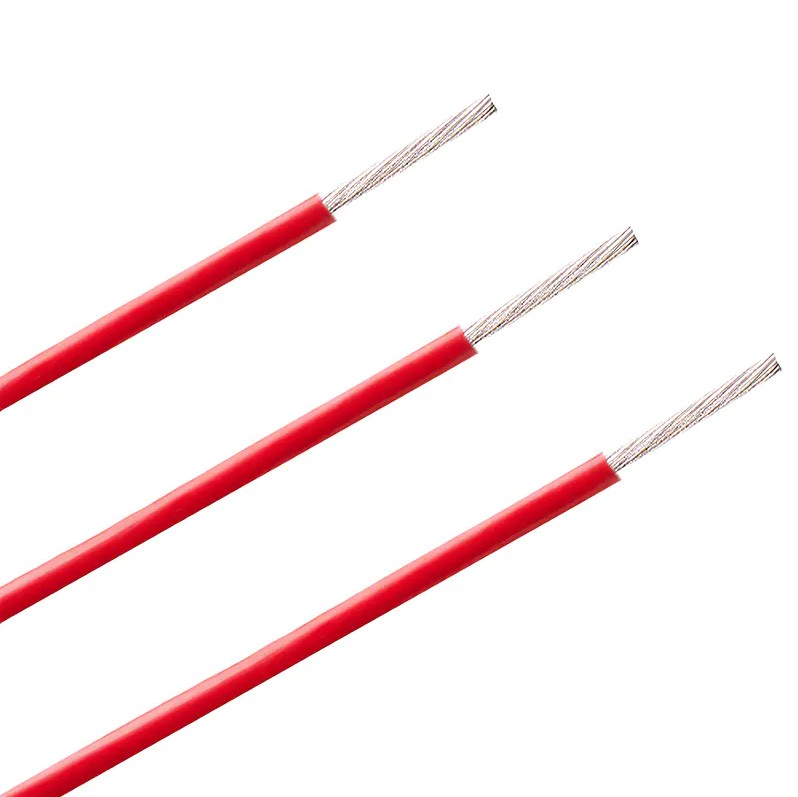
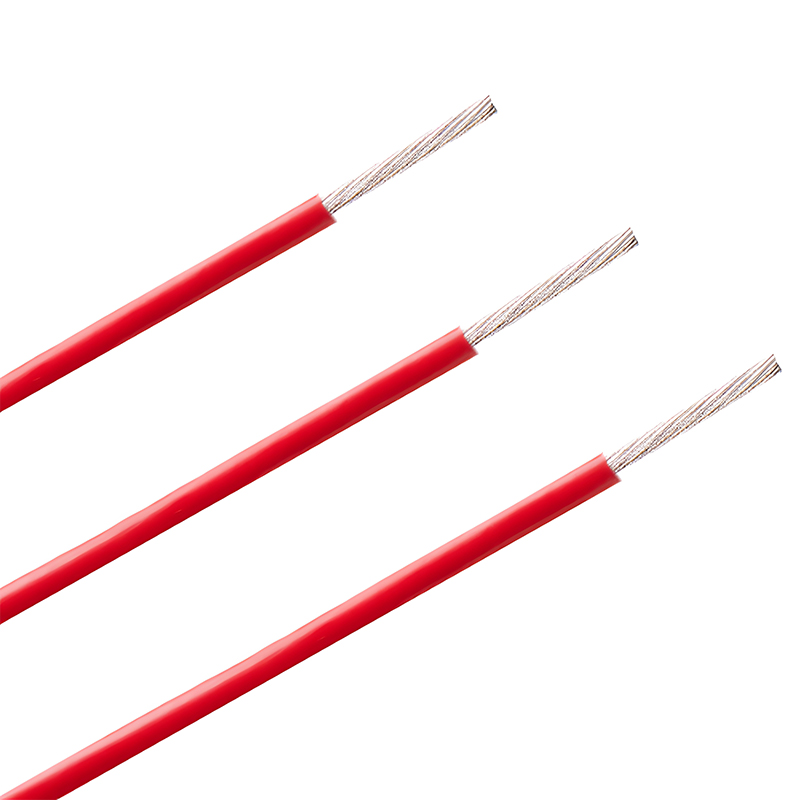
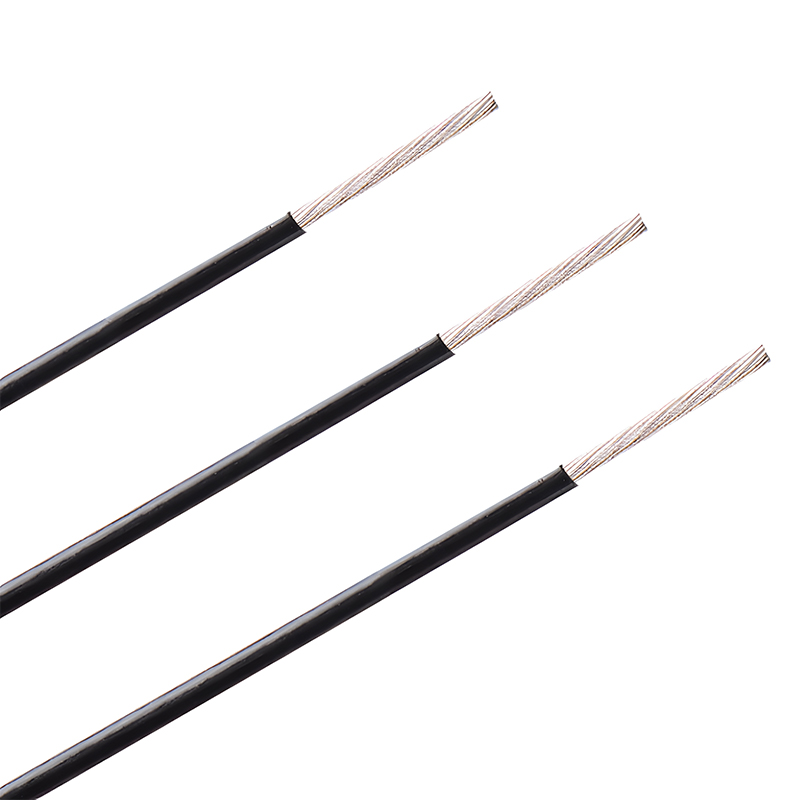
In demanding environments with temperature spans from -65°C to +260°C, Teflon Wire (fluoroplastic insulated wire) has become a core supporting material for aerospace, new energy vehicles, medical equipment, and semiconductor manufacturing, thanks to its outstanding chemical inertness and dielectric performance. Compared to PVC or XLPE insulated wires, Teflon insulation achieves higher voltage ratings at thinner wall thicknesses, enabling equipment to achieve both high reliability and lightweight advantages within limited space.
Three Core Material Systems of Teflon Wire
Teflon is not a single material but encompasses three fluoroplastics: PTFE, FEP, and PFA. Each differs in temperature rating, processing method, and mechanical properties, and incorrect selection will directly impact equipment lifespan and safety.
PTFE (Polytetrafluoroethylene) Wire
PTFE offers the most outstanding temperature performance among fluoroplastics, with a continuous operating temperature of 260°C. Due to its extremely high melt viscosity, it cannot be processed by conventional extrusion and is instead manufactured through tape wrapping and sintering. This process gives PTFE Wire extremely low cold flow deformation and near-zero moisture absorption, making it ideal for fixed wiring scenarios exposed to high-temperature steam or chemical media over extended periods.
FEP (Fluorinated Ethylene Propylene) Wire
FEP can be processed by melt extrusion with a continuous operating temperature of 200°C. While maintaining chemical stability comparable to PTFE, it offers higher dielectric strength and better cost-effectiveness, making it the most widely used Teflon Wire type for sensor cables, control signal lines, and long-distance industrial cabling.
PFA (Perfluoroalkoxy) Wire
PFA combines the 260°C temperature resistance of PTFE with the extrusion processability of FEP, while demonstrating superior mechanical toughness and longer flex life at high temperatures. This characteristic makes it the preferred choice for wiring moving parts in semiconductor manufacturing equipment.
| Performance Indicator | FEP Wire | PFA Wire | PTFE Wire |
|---|---|---|---|
| Max Continuous Operating Temp | 200°C | 260°C | 260°C |
| Chemical Inertness | Excellent | Excellent | Superior |
| Manufacturing Method | Extrusion | Extrusion | Tape Wrap / Sintering |
| Flex Life | Good | High | Moderate |
| Typical Applications | Sensors, Control Lines | Semiconductor Moving Parts | High-Temp Fixed Wiring |
Conductor Plating Technology Determines High-Temperature Reliability
Teflon insulation materials require high-temperature processing, during which bare copper conductors are highly susceptible to oxidation, leading to degraded conductivity or even contact failure. Therefore, conductor plating selection is directly linked to insulation material type and is a critical factor in ensuring long-term stable operation of Teflon Wire.
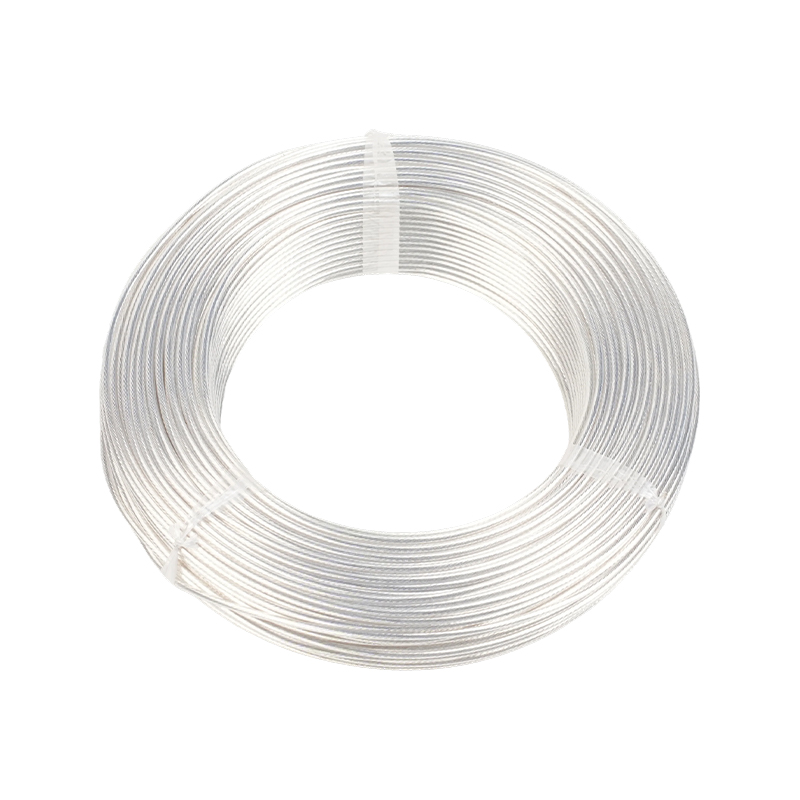
- Silver-Plated Copper (SPC): Significantly improves conductivity and effectively prevents oxidation below 200°C; standard configuration for high-frequency FEP cables.
- Nickel-Plated Copper (NPC): The nickel layer forms a robust thermal barrier and is the necessary choice for PFA and PTFE Wire operating at 260°C.
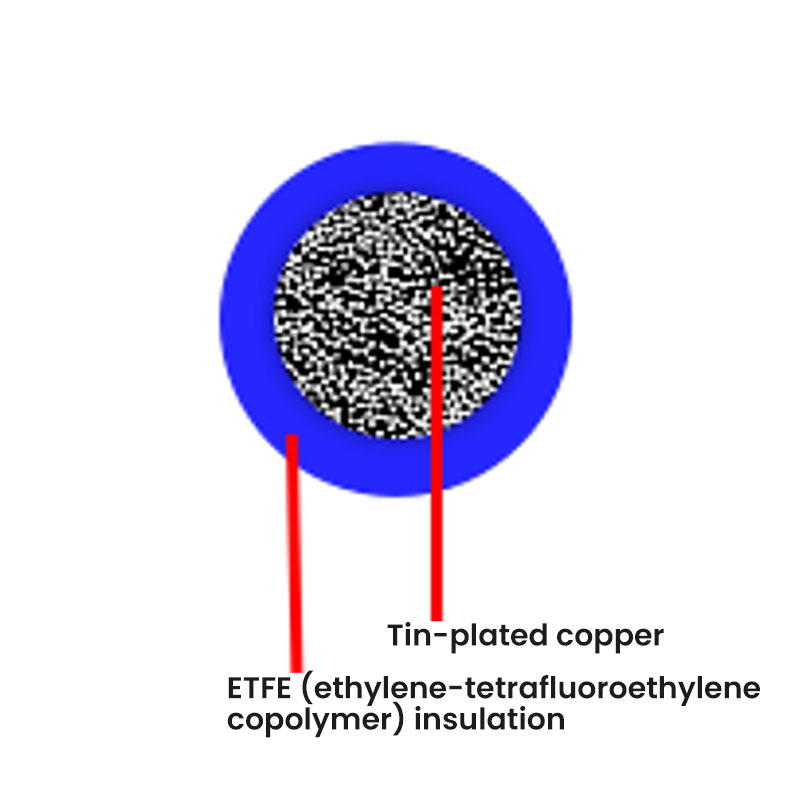
- Tin-Plated Copper: A cost-effective solution for FEP Wire in continuous operation below 150°C.
Conductor stranding processes must strictly follow ASTM and UL standards to ensure maximum flexibility while preventing chemical media or moisture from penetrating along the conductor core.
Application Value of Teflon Wire in Four Critical Industries
Teflon Wire is not a general-purpose cable but a specialized solution for extreme conditions. The following four sectors have the highest dependence on it and impose the most stringent performance requirements.
New Energy Vehicles and Battery Systems
In electric vehicles, the battery management system (BMS) and motor compartment internal environments frequently exceed 150°C, while being exposed to corrosive media such as oil, brake fluid, and electrolyte. Teflon Wire's oil resistance, fuel resistance, and wide temperature range enable it to meet vehicle design life requirements of over 20 years.
Medical and Laboratory Equipment
Teflon material is biocompatible and can withstand repeated autoclave sterilization cycles. In the internal wiring of surgical instruments, diagnostic equipment, and laboratory analyzers, Teflon Wire maintains insulation integrity after multiple sterilizations, preventing equipment downtime or safety hazards caused by insulation failure.
Aerospace and High-Frequency Communications
Aerospace equipment is extremely weight-sensitive. Teflon's ultra-high dielectric strength allows insulation thickness to be reduced to 1/3 to 1/2 that of traditional materials, significantly reducing harness weight at equivalent voltage ratings. Meanwhile, its low dielectric constant and low loss factor make it an ideal insulation material for radio frequency (RF) communication cables.
Semiconductor Manufacturing Equipment
The internal wiring of robotic arms, heating platforms, and vacuum chambers in semiconductor wafer processing equipment requires cables to achieve millions of flex cycles at temperatures between 200°C and 260°C. PFA Wire, with its high-temperature toughness and wear resistance, has become the standard configuration for moving wiring in this field.
How to Select the Right Teflon Wire for Your Project
Teflon Wire selection requires comprehensive evaluation across four dimensions: temperature, chemical environment, mechanical motion frequency, and electrical performance. The following decision framework helps engineers quickly narrow down their options:
- If operating temperature ≤ 200°C with frequent flexing, prioritize FEP Wire;
- If operating temperature ≤ 260°C with static or low-frequency moving wiring, select PTFE Wire;
- If operating temperature ≤ 260°C with high-frequency moving parts, select PFA Wire;
- If cables need long-term submersion in chemical liquids, exclude PTFE tape-wrapped structures and prioritize FEP or PFA extruded types.
Furthermore, all Teflon Wire exhibits extremely low outgassing rates within rated temperature ranges; material decomposition and trace gas release only occur when temperatures exceed 400°C. Therefore, under normal operating conditions, Teflon Wire poses no concern regarding volatile contamination.
Storage and Long-Term Reliability of Teflon Wire
Teflon material itself does not oxidize, become brittle, or degrade under UV exposure, offering an almost indefinite storage life under standard warehouse conditions. Measured data shows that properly stored Teflon Wire maintains complete electrical and mechanical performance after 30 to 50 years. This characteristic significantly reduces spare parts inventory turnover pressure, particularly for industries with long maintenance cycles such as aerospace and nuclear power.

-
Phone
+86-(0)21-6083 5889
+86 138 1238 0261 -
Email
export03@silvertincable.com
export@silvertincable.com -
Headquarter Address:
No. 20 Jianling Road, Zhangguo Community, Dainan Town, Xinghua City. Jiangsu Province China
-
Shanghai Branch:
Room 18A, West Building, Keji Jingcheng, No. 668 East Beijing Road. Huangpu District, Shanghai, China
Copyright © 2025 Jiangsu Silver& Tin Thread Hi-temperature Wire and Cables Co., Ltd. All Rights Reserved.
China industrial cable manufacturer Custom specialized wire & cable supplier