
 English
 русский
 Español
 عربى
عربى
 Home / News / Industry News / What is the difference between "flexible" and "continuous-flex" cables?
Industry News
What is the difference between "flexible" and "continuous-flex" cables?
2026-06-26
Content
In continuous motion applications, the fundamental difference between standard flexible cables and continuous-flex cables is that the former is designed for occasional bending or installation convenience, while the latter is engineered specifically for sustained dynamic movement such as drag chain systems. Using a standard flexible cable in a continuous-flex application will typically result in failure within weeks due to conductor stress accumulation.
Core Definitions and Application Scenarios
Standard flexible cables are suitable for applications requiring occasional movement or where wiring space is constrained, such as temporary connections during equipment maintenance or curved routing in static installations. These cables feature lower conductor stranding density and conventional PVC jackets, with bending lifespans typically limited to several thousand cycles.
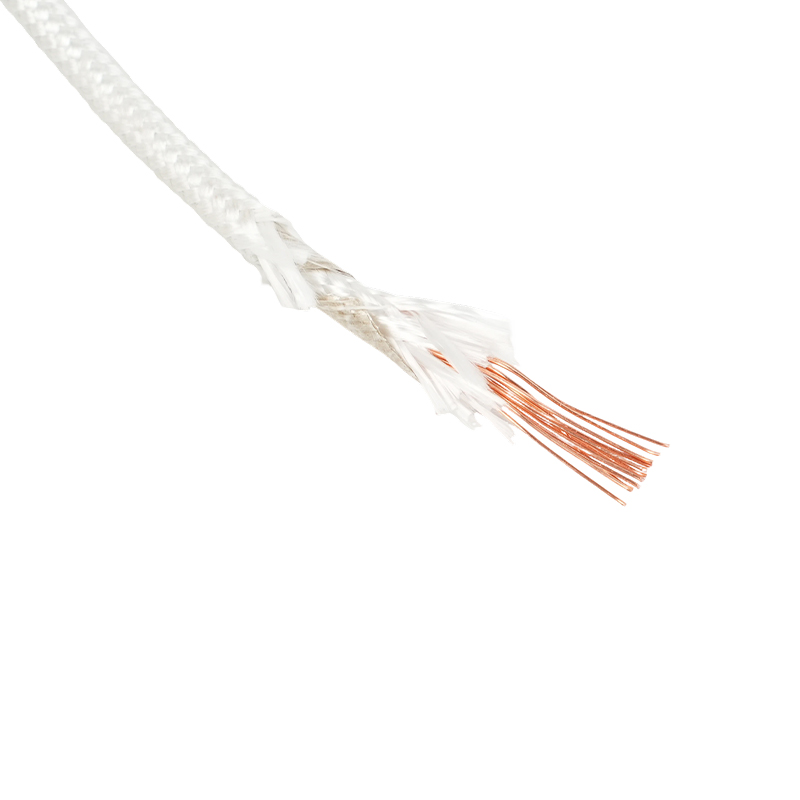
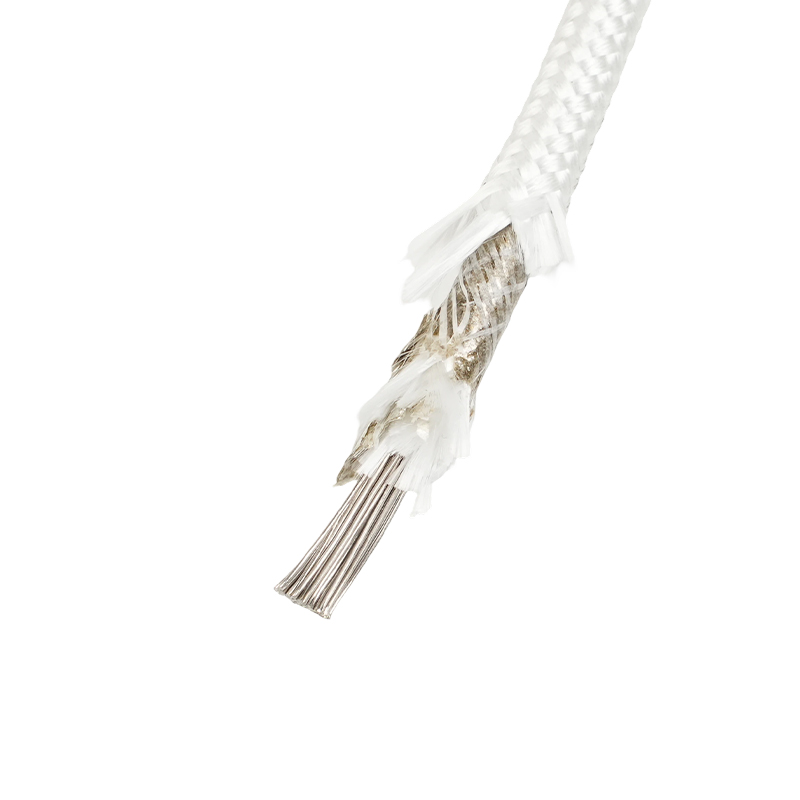
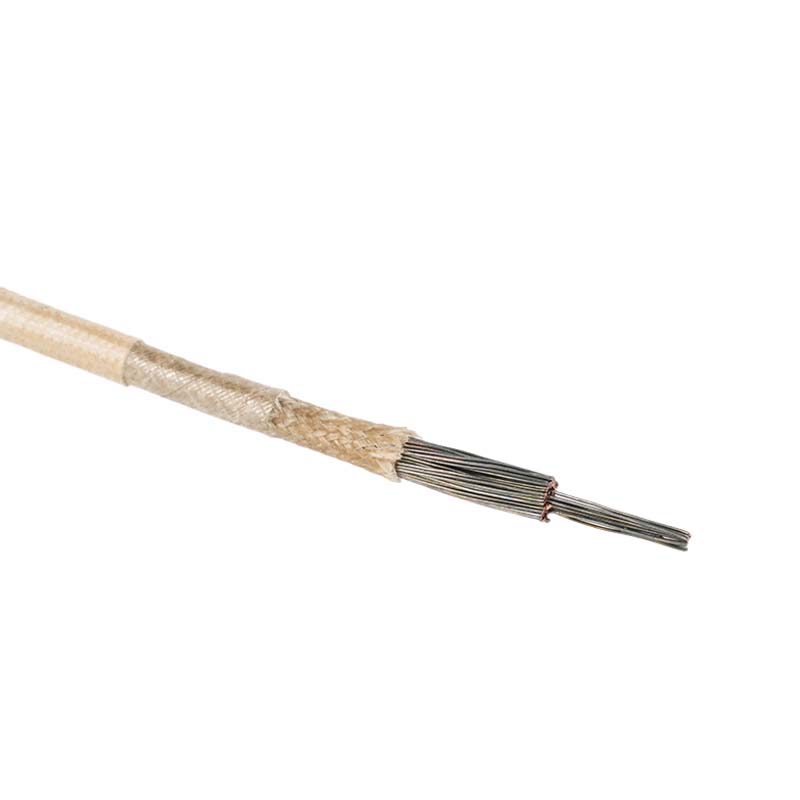
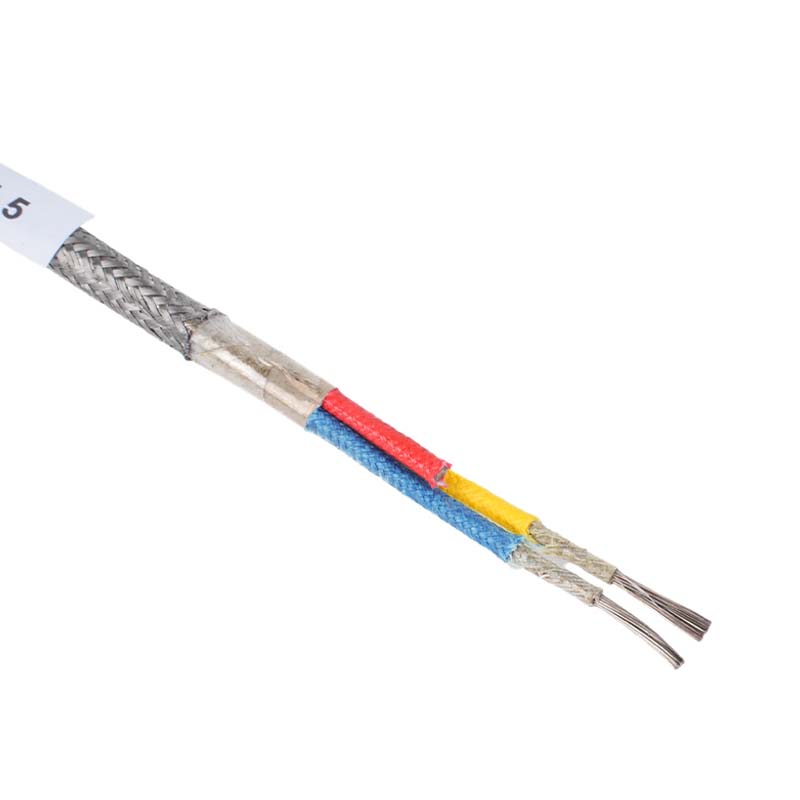
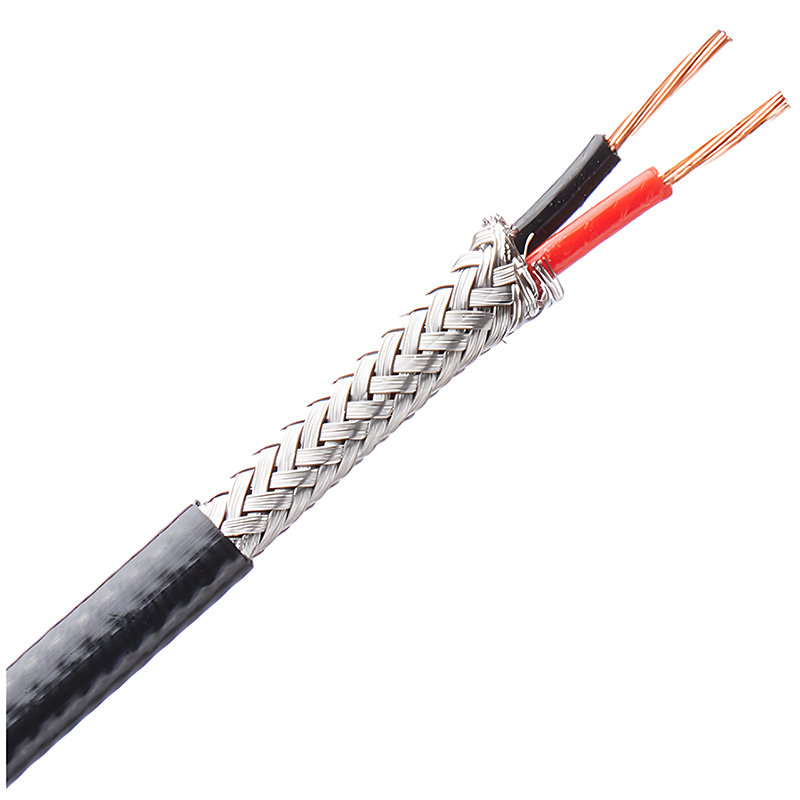
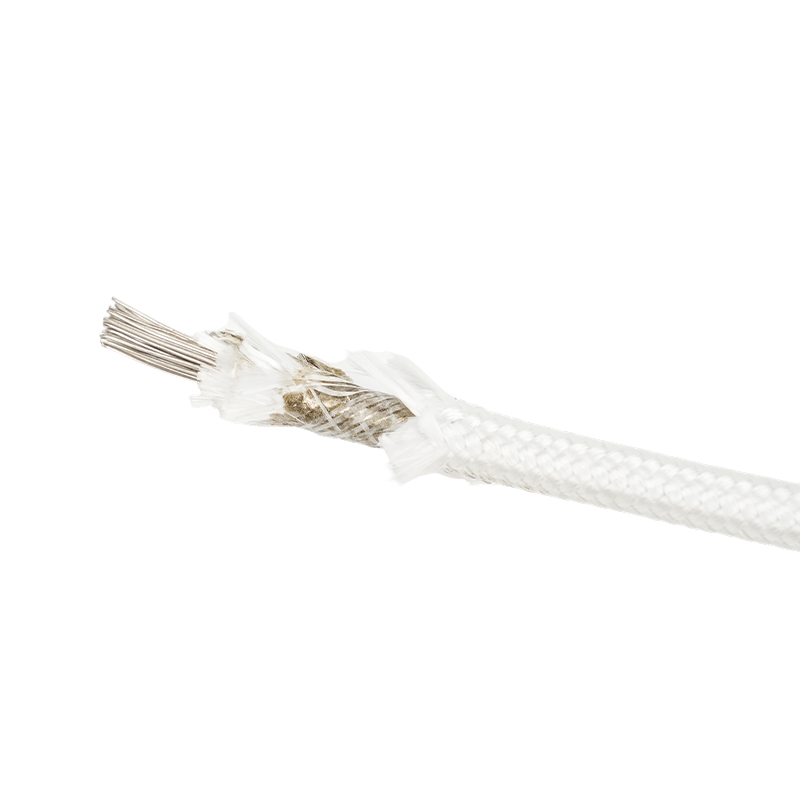
Continuous-flex cables are purpose-built for sustained motion in automated equipment, including robotic joints, CNC machine tool drag chains, and AGV power systems. Jiangsu Silver & Tin Thread Hi-temperature Wire and Cables Co., Ltd. utilizes ultra-fine tinned copper conductors (Class 6 stranding) with silicone rubber or Teflon (FEP) jackets, achieving bending lifespans exceeding 10 million cycles and minimum bending radii as tight as 4 times the outer diameter.
Structural Engineering Differences
| Comparison Dimension | Standard Flexible Cable | Continuous-Flex Cable |
| Conductor Stranding | Class 5 or lower, thick copper wires | Class 6 ultra-fine tinned copper (hundreds of strands) |
| Bending Life | Several thousand cycles | Exceeds 10 million cycles |
| Minimum Bending Radius | 10-15 times outer diameter | 4-8 times outer diameter |
| Jacket Material | PVC-based | Silicone rubber, Teflon (FEP) |
| Temperature Range | -20°C to +80°C | -60°C to +200°C |
| Torsion Resistance | Limited | Engineered for torsion |
| Typical Failure Mode | Insulation cracking, conductor breakage | Rare failure, periodic replacement only |
How Material Science Determines Dynamic Lifespan
The durability of continuous-flex cables stems from precision material design. Ultra-fine tinned copper conductors distribute physical stress evenly across hundreds of microscopic strands, preventing single-point metal fatigue. The tin coating itself provides lubrication, reducing friction between strands during bending while preventing oxidation from degrading electrical conductivity.
Jacket material selection is equally critical. Silicone rubber maintains flexibility at temperatures as low as -60°C, making it ideal for cold storage and extreme outdoor environments. Teflon (FEP) offers superior oil resistance and chemical inertness, suitable for semiconductor cleanrooms and automated machining centers. Jiangsu Silver & Tin Thread employs low-adhesion silicone compounds that allow internal cores to slide freely during movement, significantly reducing internal heat buildup.
Primary Industry Applications
- Robotics and CNC Machinery: Multi-axis motion systems require cables to perform high-frequency bending in confined spaces. Continuous-flex cables ensure uninterrupted signal and power transmission.
- Automated Warehousing: AGVs and automated sorting systems demand lightweight, highly flexible cables to minimize energy consumption while withstanding tens of thousands of daily cycles.
- Semiconductor Manufacturing: Teflon-insulated cables are particulate-free and chemically inert, meeting stringent cleanroom standards.
- Wind Energy: Cables in the rotating nacelle loop must withstand continuous torsion. Specialized anti-torsion designs prevent "corkscrewing" failure.
Selection Decision Points
Engineers should first evaluate the motion type: occasional bending calls for standard flexible cables, while sustained dynamic operation (drag chains, robotic arms) demands continuous-flex cables. Environmental factors must also be considered: oil mist, coolant exposure, high temperatures, and low temperatures all require jacket materials with targeted resistance capabilities.
Jiangsu Silver & Tin Thread Hi-temperature Wire and Cables Co., Ltd.'s "Yuanzhi" brand industrial flexible cables are certified to ISO9001 and IATF16949 standards. Every meter undergoes 100% online testing for continuity and insulation thickness. All products comply with UL, CE, CCC, and RoHS standards, and are insured by PICC (People's Insurance Company of China), ensuring reliable protection for critical infrastructure.

-
Phone
+86-(0)21-6083 5889
+86 138 1238 0261 -
Email
export03@silvertincable.com
export@silvertincable.com -
Headquarter Address:
No. 20 Jianling Road, Zhangguo Community, Dainan Town, Xinghua City. Jiangsu Province China
-
Shanghai Branch:
Room 18A, West Building, Keji Jingcheng, No. 668 East Beijing Road. Huangpu District, Shanghai, China
Copyright © 2025 Jiangsu Silver& Tin Thread Hi-temperature Wire and Cables Co., Ltd. All Rights Reserved.
China industrial cable manufacturer Custom specialized wire & cable supplier