
 English
 русский
 Español
 عربى
عربى


Industry News
What is the fire resistance of PTFE wires & cables?
2025-09-25
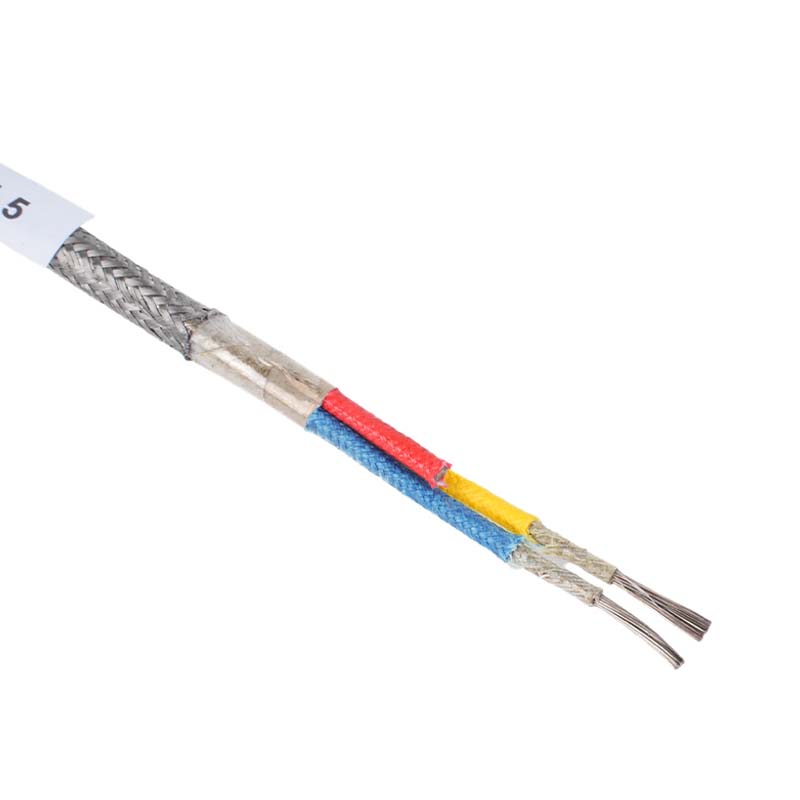
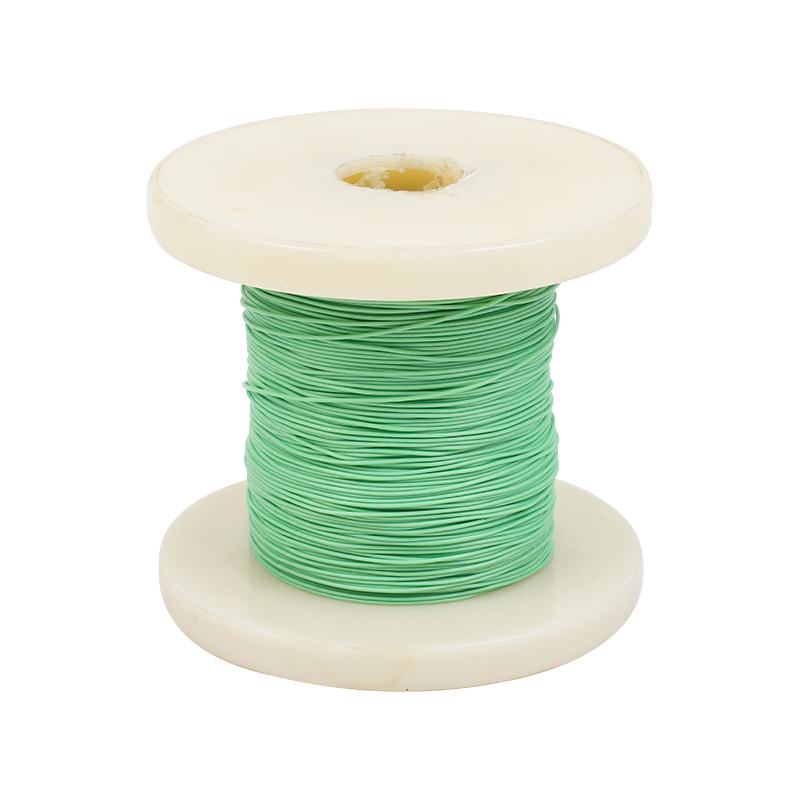
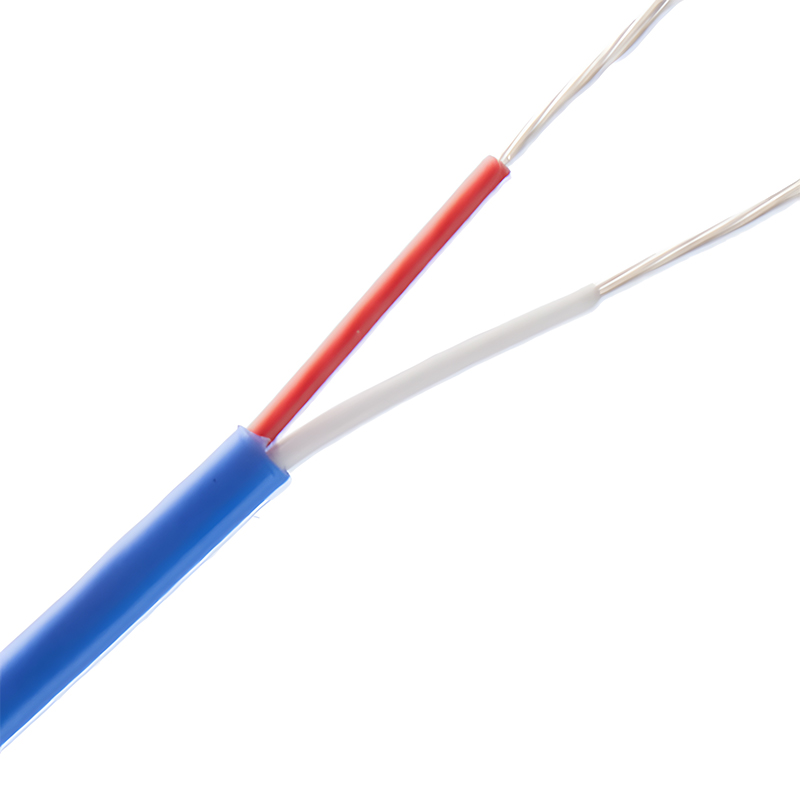
The fire resistance of PTFE wires is at a medium to high level, with the core advantages of high temperature resistance, non-combustible, low smoke and non-toxic, which can meet the fire protection requirements of industries and special scenarios.
Core Fire Protection Characteristics
·The high temperature resistance limit is outstanding, and the long-term use temperature can reach 200 ℃ -260 ℃. It can withstand high temperatures of over 300 ℃ in a short period of time, far exceeding ordinary PVC wires (long-term use temperature is only 70 ℃ -90 ℃). It is not easy to melt due to the high temperature in a fire.
·It has non-flammability and meets the UL94V-0 flame retardant standard. It does not ignite or support combustion when exposed to open flames, and can be immediately extinguished after evacuating the fire source, effectively preventing the spread of fire.
·There is no toxic smoke or corrosive gas released during combustion, and only a small amount of non-toxic hydrogen fluoride is produced (with extremely low concentration, far below the national standard limit). Compared with the chlorine and carbon monoxide released by PVC wire combustion, it is safer and suitable for use in enclosed spaces.
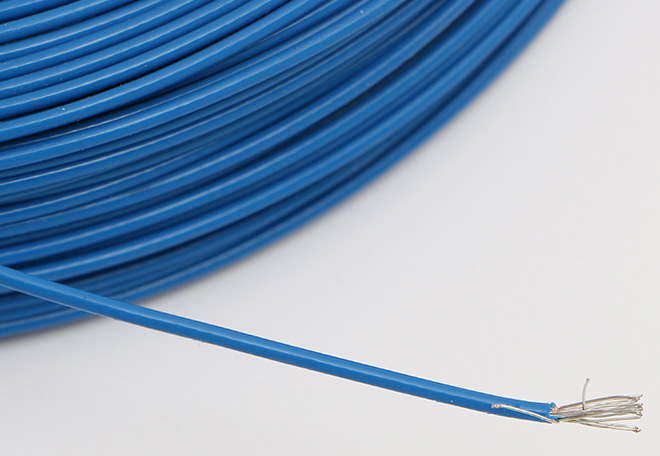
Applicable and Limited Scenarios
·The adaptation scenarios include industrial equipment wiring, high-temperature environments (such as around boilers and inside ovens), building fire protection systems, medical equipment, and aerospace, which have strict requirements for fire prevention, low smoke, and non-toxicity.
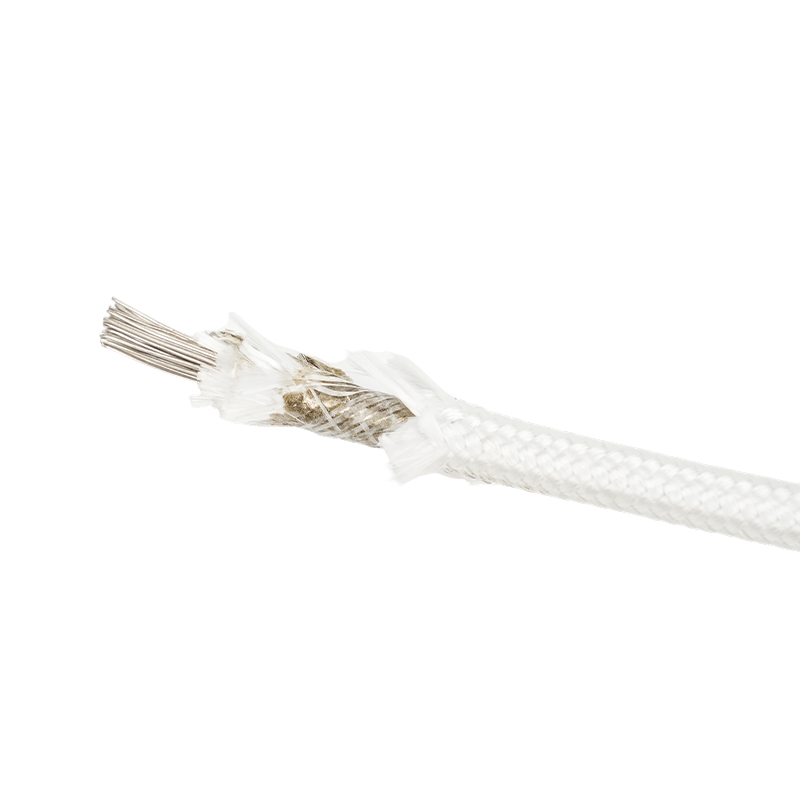
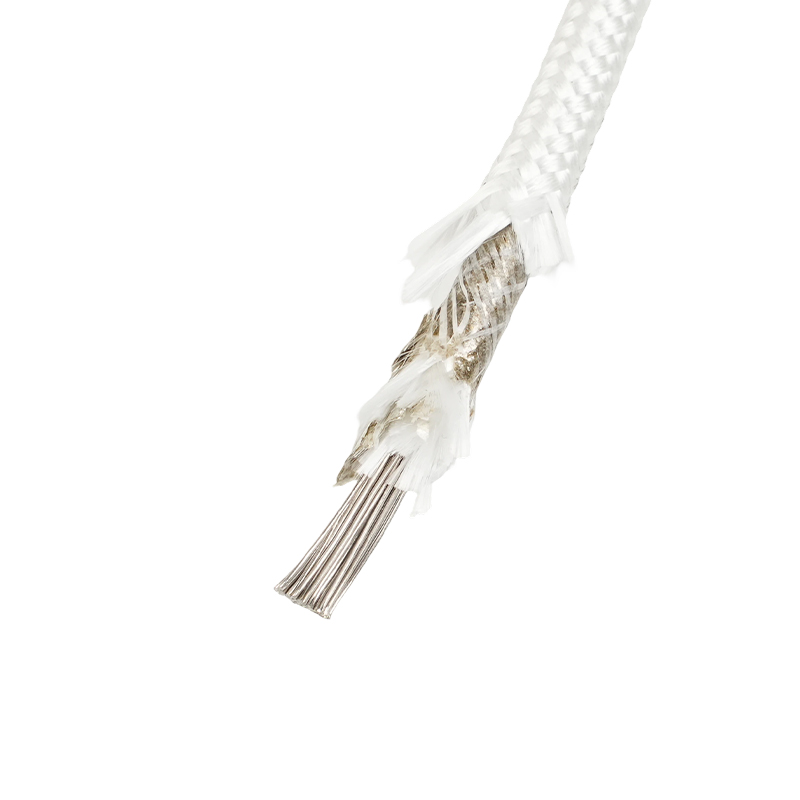
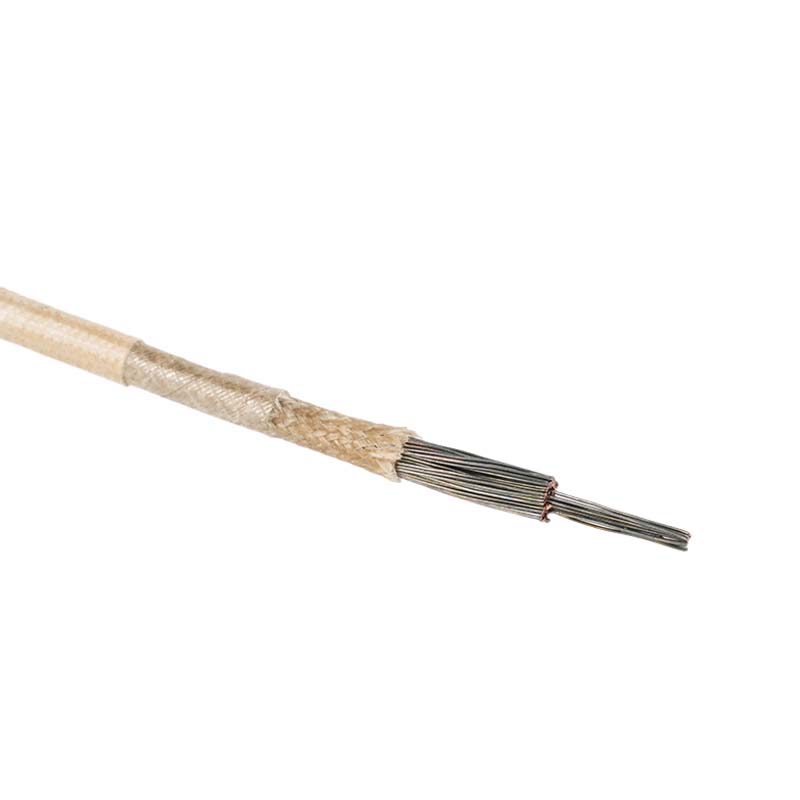
·The limitation lies in the fact that the fire resistance performance depends on the installation method. If mixed with other flammable materials, the overall fire resistance effect will be affected. Although it is non-flammable, after prolonged exposure to high temperatures, the insulation layer will be damaged, causing the wire to short-circuit and be unable to maintain its electrical function in continuous flames (special fire-resistant PTFE wires should be selected for fire-resistant function).

-
Phone
+86-(0)21-6083 5889
+86 138 1238 0261 -
Email
export03@silvertincable.com
export@silvertincable.com -
Headquarter Address:
No. 20 Jianling Road, Zhangguo Community, Dainan Town, Xinghua City. Jiangsu Province China
-
Shanghai Branch:
Room 18A, West Building, Keji Jingcheng, No. 668 East Beijing Road. Huangpu District, Shanghai, China
Copyright © 2025 Jiangsu Silver& Tin Thread Hi-temperature Wire and Cables Co., Ltd. All Rights Reserved.
China industrial cable manufacturer Custom specialized wire & cable supplier