
 English
 русский
 Español
 عربى
عربى
 Home / News / Industry News / How to distinguish and select between ordinary cables and fluoroplastic cables?
Industry News
How to distinguish and select between ordinary cables and fluoroplastic cables?
2025-09-25
In scenarios such as industrial wiring and high-temperature power supply, the performance of cables directly affects the stability of equipment operation and electrical safety. Ordinary cables are widely used in conventional environments due to their cost advantages, but their performance shortcomings gradually become prominent in special working conditions such as high temperature, corrosion, and humidity; Fluoroplastic cables, as a type of special cable, can adapt to more demanding usage environments due to their unique material properties. Next, I will compare the differences between ordinary cables and fluoroplastic cables from core dimensions such as overload capacity, environmental resistance, and mechanical strength, providing a reference for cable selection in different scenarios.
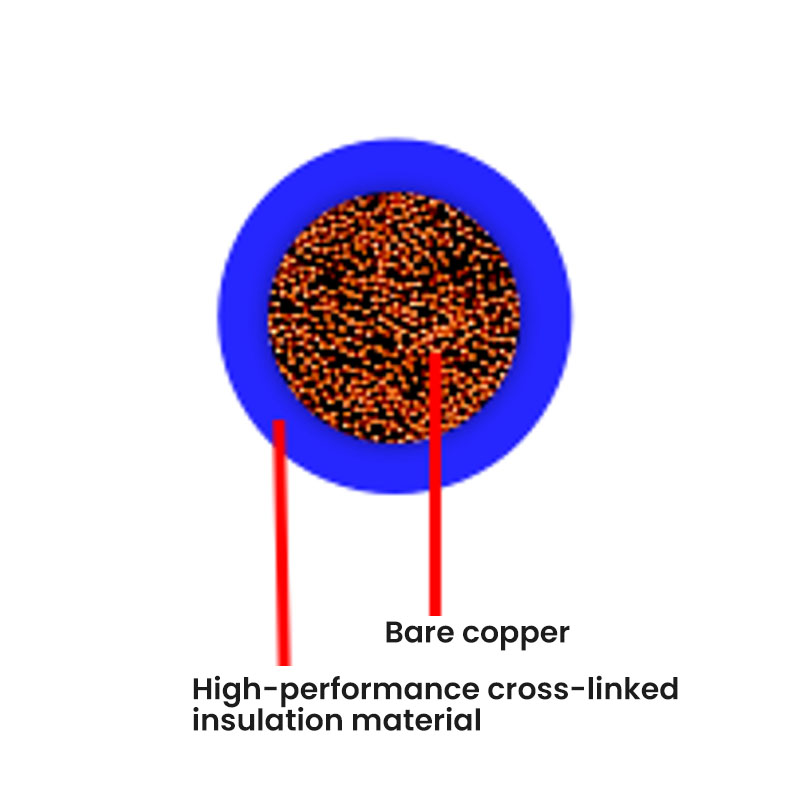
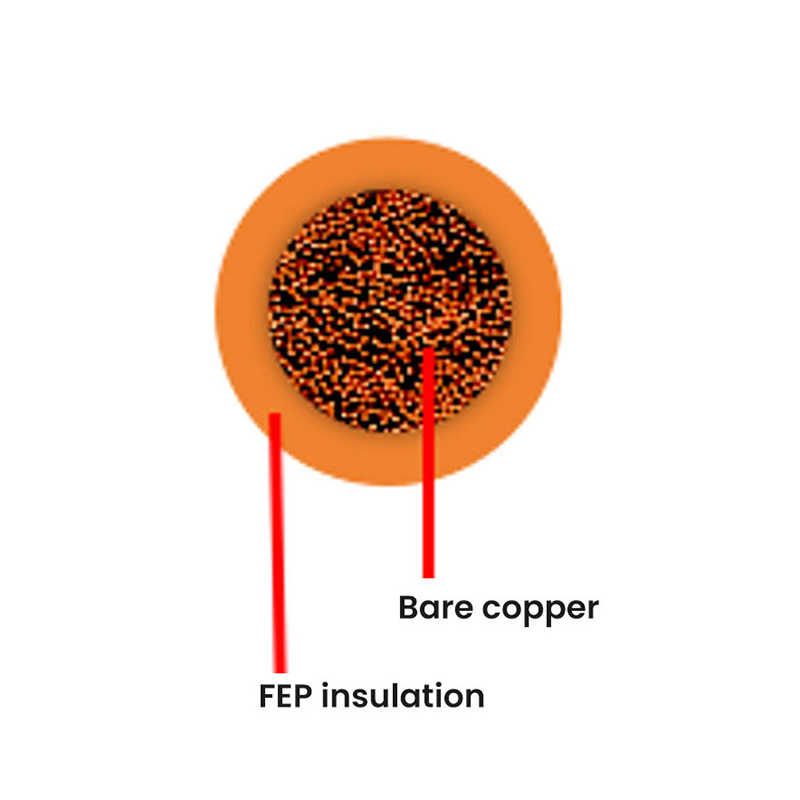
1. Temperature resistance and overload capacity: Ordinary cables have weak overload capacity, small short-circuit heat capacity, and long-term operating temperatures are usually 70 ℃ or 90 ℃, which cannot withstand high environmental temperatures; And its PVC insulation layer is prone to shrinkage when heated, with poor thermal cycling performance, and long-term use can easily cause safety hazards such as circuit short circuits and leakage. The long-term allowable working temperature of fluoroplastic cables is above 200 ℃, which can not only work stably in high temperature environments, but also significantly improve the cable's current carrying capacity and overload capacity.
2. Corrosion resistance: If ordinary cables are used in environments with oil and steam, oil and chemicals can cause the insulation layer to expand, age, crack, gradually lose mechanical and physical properties, and ultimately lead to wire scrap. Fluoroplastic cables have excellent anti-corrosion performance, as the fluoroplastic material itself can resist acid, alkali, and various chemical media erosion, and can maintain stable performance even in harsh environments such as chemical and oil pollution.
3. Mechanical strength: The mechanical strength of the insulation layer of ordinary cables is relatively low. If it is bumped or squeezed during installation and use, it is easy to cause damage to the insulation layer, which can lead to power supply accidents. Fluoroplastic cables have higher strength and hardness, which can effectively resist mechanical external impact and reduce the risk of failure caused by external damage.
4. Moisture resistance and sealing: If ordinary cables are invaded by water, it will increase the loss of insulation medium, reduce insulation resistance, significantly shorten the service life of wires, and even cause power supply failures. Fluoroplastic cables have a dense structure, with the insulation layer tightly attached to the conductor, effectively blocking the immersion of external fluids, oils, and moisture, and providing better moisture resistance and sealing.
5. Flame retardant performance: Ordinary cables have poor flame retardancy, and even adding flame retardants can lead to a decrease in electrical insulation; And during combustion, a large amount of toxic and harmful smoke will be produced, which poses a great threat to the environment, equipment, and personnel safety. Fluoroplastic cables have a high oxygen index, usually reaching over 90%, and are almost non flammable. Their flame retardant performance is unmatched by conventional materials such as ordinary cables.
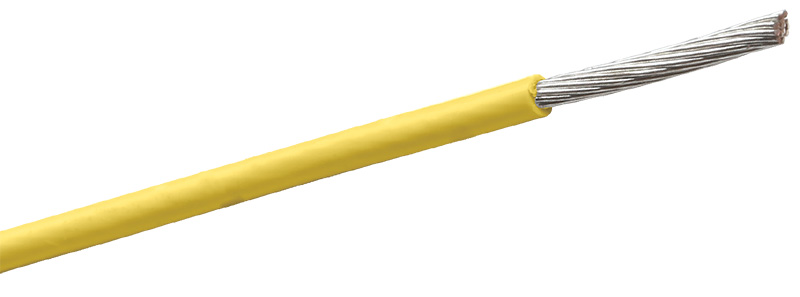
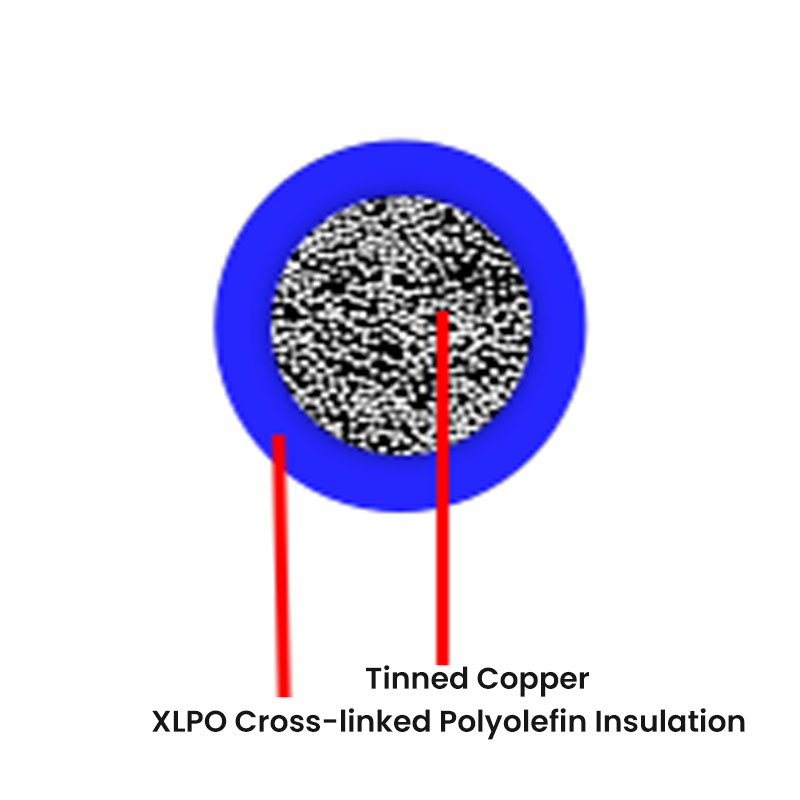
Overall, the difference between ordinary cables and fluoroplastic cables is essentially the difference in adaptability between "regular needs" and "special needs": ordinary cables can meet basic power supply needs at a lower cost in scenarios where there is no corrosion or special protection requirements at room temperature; Fluoroplastic cables, with their advantages of high temperature resistance, corrosion resistance, and high flame retardancy, have become the preferred choice for harsh environments such as high temperature, chemical, and humidity. In actual selection, it is necessary to consider the temperature, medium, mechanical protection requirements and budget of the usage scenario, balance performance and cost - if there are no special working conditions in the scenario, ordinary cables are the cost-effective choice; If high temperature, corrosion and other risks are involved, the performance advantages of fluoroplastic cables can effectively reduce safety hazards and ensure long-term stable power supply.

-
Phone
+86-(0)21-6083 5889
+86 138 1238 0261 -
Email
export03@silvertincable.com
export@silvertincable.com -
Headquarter Address:
No. 20 Jianling Road, Zhangguo Community, Dainan Town, Xinghua City. Jiangsu Province China
-
Shanghai Branch:
Room 18A, West Building, Keji Jingcheng, No. 668 East Beijing Road. Huangpu District, Shanghai, China
Copyright © 2025 Jiangsu Silver& Tin Thread Hi-temperature Wire and Cables Co., Ltd. All Rights Reserved.
China industrial cable manufacturer Custom specialized wire & cable supplier