
 English
 русский
 Español
 عربى
عربى


Industry News
What Is Silicone Wire? High-Temp Flexible Cable Guide
2026-05-29
Content
- 1 Performance Differences Between Silicone Wire and Conventional Insulation Materials
- 2 Conductor and Insulation Co-Design Determines Flexibility Limits
- 3 Application Analysis of Silicone Wire in Four Core Industries
- 4 Safety Characteristics and Operating Boundaries of Silicone Wire
- 5 Selection Guide: How to Match Silicone Wire Specifications to Operating Conditions
- 6 Long-Term Reliability and Certification System of Silicone Wire
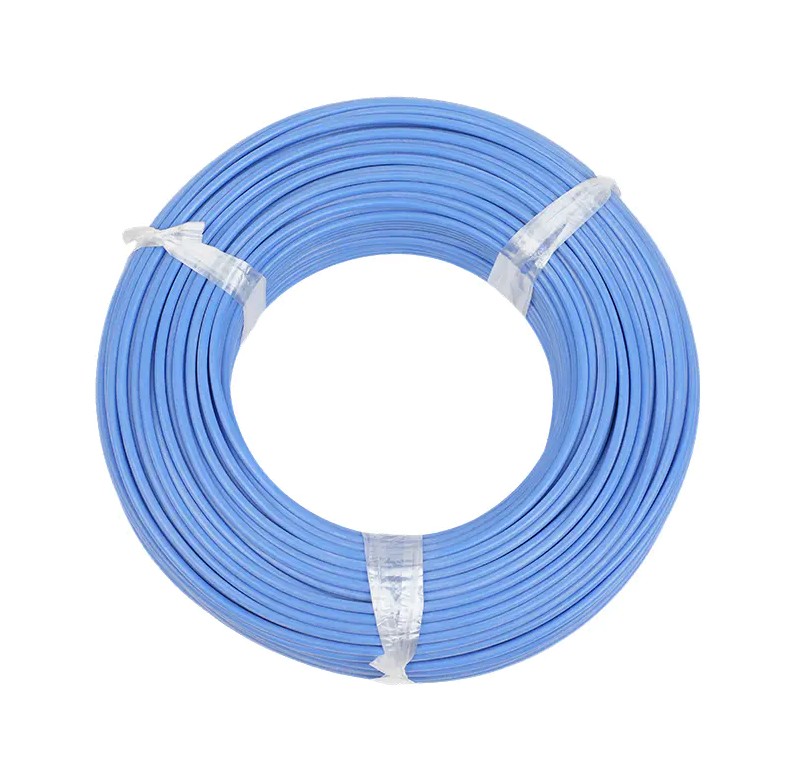
In high-temperature applications requiring both extreme mechanical flexibility and stable electrical performance, Silicone Wire (silicone rubber insulated wire) has become the material of choice for industrial motors, new energy vehicles, and household appliances, thanks to its unique siloxane molecular structure. Its operating temperature range spans -60°C to +200°C, and under repeated bending, twisting, and thermal cycling conditions, the insulation layer does not become brittle or crack like PVC or XLPE, but instead maintains rubber-like suppleness throughout its service life.
Performance Differences Between Silicone Wire and Conventional Insulation Materials
The core advantage of silicone rubber insulation stems from its atomic structure—a "siloxane backbone" formed by alternating silicon and oxygen atoms. This structure imparts exceptional resistance to UV radiation, ozone, and weathering. The following comparison data clearly demonstrates the generational superiority of Silicone Wire over PVC and XLPE:
| Performance Indicator | Silicone Rubber | Standard PVC | XLPE |
|---|---|---|---|
| Temperature Range | -60°C to +200°C | -20°C to +80°C | -40°C to +125°C |
| Min Bending Radius | 4-6 x Outer Diameter | 10-15 x OD | 12 x OD |
| Dielectric Strength | High (Up to 50kV) | Moderate | High |
| Environmental Stability | Excellent (UV/Ozone) | Poor | Good |
Conductor and Insulation Co-Design Determines Flexibility Limits
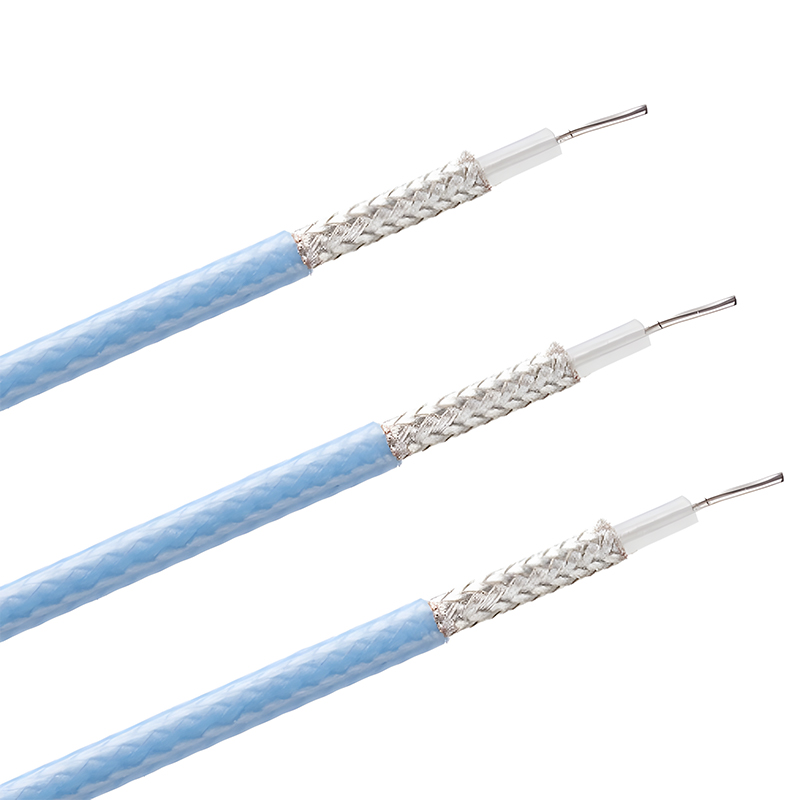
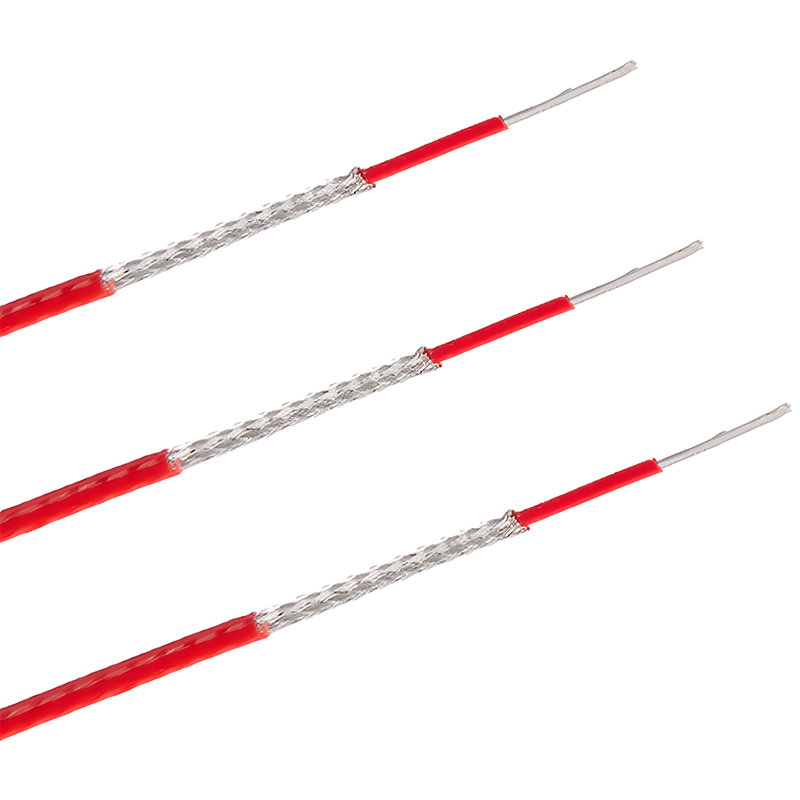
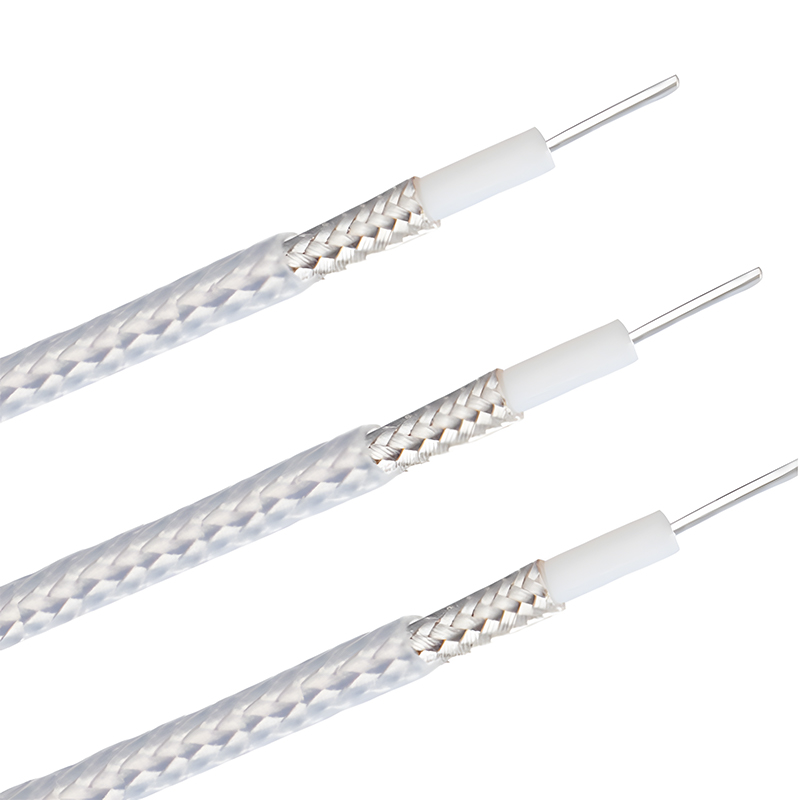
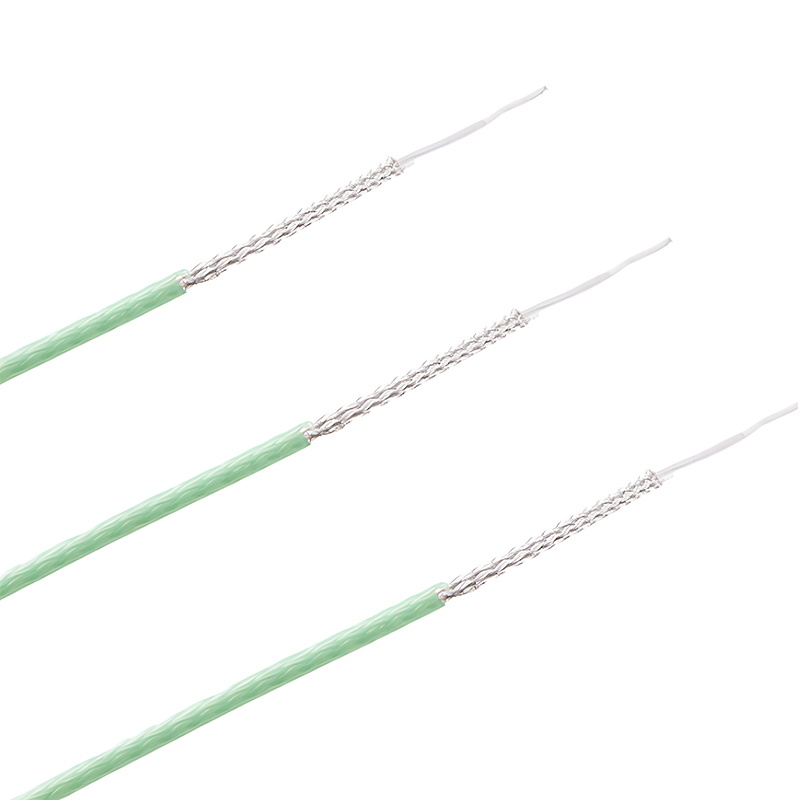
The flexibility of Silicone Wire is not determined by the rubber insulation layer alone; conductor geometry plays an equally critical role. By employing ultra-fine multi-strand braiding techniques, the wire's torsion resistance can reach several times that of single-strand conductors.
Tin-Plated Oxygen-Free Copper Conductors
Silicone rubber manufacturing involves a vulcanization process, during which sulfur in the rubber can react with the copper core and cause corrosion. Therefore, Silicone Wire typically utilizes 99.99% purity oxygen-free copper with high-density tin plating to prevent vulcanization corrosion while maintaining excellent solderability for decades. This design is the foundation for the long-term reliable operation of Silicone Wire in industrial motor internal leads.
Thick-Wall High-Voltage Silicone Insulation
For specialized applications such as medical X-ray machines and high-voltage transformers, thick-wall silicone extrusion insulation can withstand breakdown tests up to 100kV. Advanced testing laboratories subject these wires to 100kV breakdown trials to ensure zero insulation failure under extreme electrical stress.
Application Analysis of Silicone Wire in Four Core Industries
Silicone Wire is not a general-purpose cable but a specialized solution for high-temperature, high-motion-frequency scenarios. The following four sectors have the highest dependence on its technical characteristics.
Industrial Motors and Transformers
Internal leads in industrial motors must withstand continuous thermal cycling and mechanical vibration. High-temperature silicone leads can maintain insulation integrity at 200°C, while their ultra-small bending radius of 4-6 times the outer diameter allows flexible routing within compact motor winding gaps—something PVC cables cannot achieve.
New Energy Vehicle Battery Packs and Motor Controllers
The internal wiring space in EV battery packs and motor controllers is extremely limited and must withstand temperature rises during rapid charging. High-voltage Silicone Wire combines the flexibility required for tight-space routing with the heat resistance needed for thermal management during fast charging, making it the mainstream choice for EV high-voltage harnesses.
Household Appliances and Heating Elements
In coffee makers, ovens, and industrial heaters, wires are often routed in close proximity to heating coils. Silicone Wire's 200°C temperature resistance and flame-retardant self-extinguishing properties allow it to avoid insulation carbonization under long-term thermal radiation, significantly extending appliance service life.
High-Power Lighting Equipment
High-power HID and LED floodlights generate substantial ambient heat during operation. Silicone Wire's UV and ozone resistance prevents aging and cracking in the high-temperature internal environment of outdoor luminaires, ensuring long-term stable operation of lighting systems.
Safety Characteristics and Operating Boundaries of Silicone Wire
Correctly understanding the flame retardancy, moisture resistance, and oil resistance boundaries of Silicone Wire is key to avoiding selection errors.
- Flame Retardancy: Silicone rubber is a flame-retardant and self-extinguishing material. When exposed to fire, it leaves behind non-conductive silica ash (SiO₂) that can maintain limited insulation for a short period. However, for true 1000°C fire-rated integrity, mica composite insulation series should be selected.
- Moisture Resistance: Silicone rubber has extremely low moisture absorption (typically below 1%), making it suitable for high-humidity environments. However, under long-term direct steam exposure, specialized extruded versions should be used.
- Oil Resistance: Silicone rubber has moderate oil resistance and may swell if constantly submerged in certain fuels or oils. For environments with continuous hydrocarbon exposure, fluoroplastic insulated wires with chemical inertness are recommended.
Selection Guide: How to Match Silicone Wire Specifications to Operating Conditions
Silicone Wire selection requires comprehensive evaluation across four factors: temperature, bending frequency, electrical stress, and chemical exposure:
- For static wiring with limited bending radius, the minimum bending radius can be 4 times the outer diameter;
- For dynamic applications (such as moving equipment drag chains), the minimum bending radius should be increased to 6-8 times the outer diameter;
- For high-voltage scenarios (medical X-ray, transformers), select thick-wall extruded types with voltage ratings up to 100kV;
- In sulfur-containing environments or long-term soldering operations, tin-plated oxygen-free copper conductors must be used to suppress vulcanization corrosion.
Furthermore, the thickness precision of the silicone insulation layer directly affects voltage ratings. Production lines equipped with laser-guided diameter control systems can maintain insulation thickness deviations at the micron level, which is the manufacturing foundation for ensuring zero failure of Silicone Wire in high-voltage testing.
Long-Term Reliability and Certification System of Silicone Wire
Mature silicone rubber cable manufacturing requires precise control of vulcanization chemical reactions. Production lines certified under ISO9001 and IATF16949 quality management systems, combined with laser-guided diameter controllers, ensure precise and consistent insulation thickness. Products carry UL, CE, and CCC safety certifications for global market export.
Under standard warehouse conditions, the silicone rubber insulation layer of Silicone Wire does not readily oxidize or become brittle, with a storage life reaching over 20 years. This characteristic reduces maintenance costs for industrial spare parts inventory, particularly for industries such as motor manufacturing and rail transit that require long-term stable supply chains.

-
Phone
+86-(0)21-6083 5889
+86 138 1238 0261 -
Email
export03@silvertincable.com
export@silvertincable.com -
Headquarter Address:
No. 20 Jianling Road, Zhangguo Community, Dainan Town, Xinghua City. Jiangsu Province China
-
Shanghai Branch:
Room 18A, West Building, Keji Jingcheng, No. 668 East Beijing Road. Huangpu District, Shanghai, China
Copyright © 2025 Jiangsu Silver& Tin Thread Hi-temperature Wire and Cables Co., Ltd. All Rights Reserved.
China industrial cable manufacturer Custom specialized wire & cable supplier